
Jaigarh Fort (Jaivana Cannon)
#7of 12 places to visit in JaipurJaipur, Rajasthan
Also known as Fort of Victory · Cheel Ka Teela
Quick answer
Opening hours: 09:00–17:00, last entry 16:30. Entry: ₹35 Indian · ₹85 foreign. Allow 2 hrs. Best time: 09:00 – 10:30.
Updated · Compiled by Traveliac, AI-assisted · 4 min read
- Opening hours
- 09:00–17:00
- Entry fee
- ₹35 Indian
- Ticket from
- Time needed
- 2 hrs
- Best time of day
- 09:00 – 10:30
- Best months
- Oct – Mar
- Address
- Jaigarh Road, Devisinghpura, Amer, Jaipur, Rajasthan 302001
About Jaigarh Fort (Jaivana Cannon)
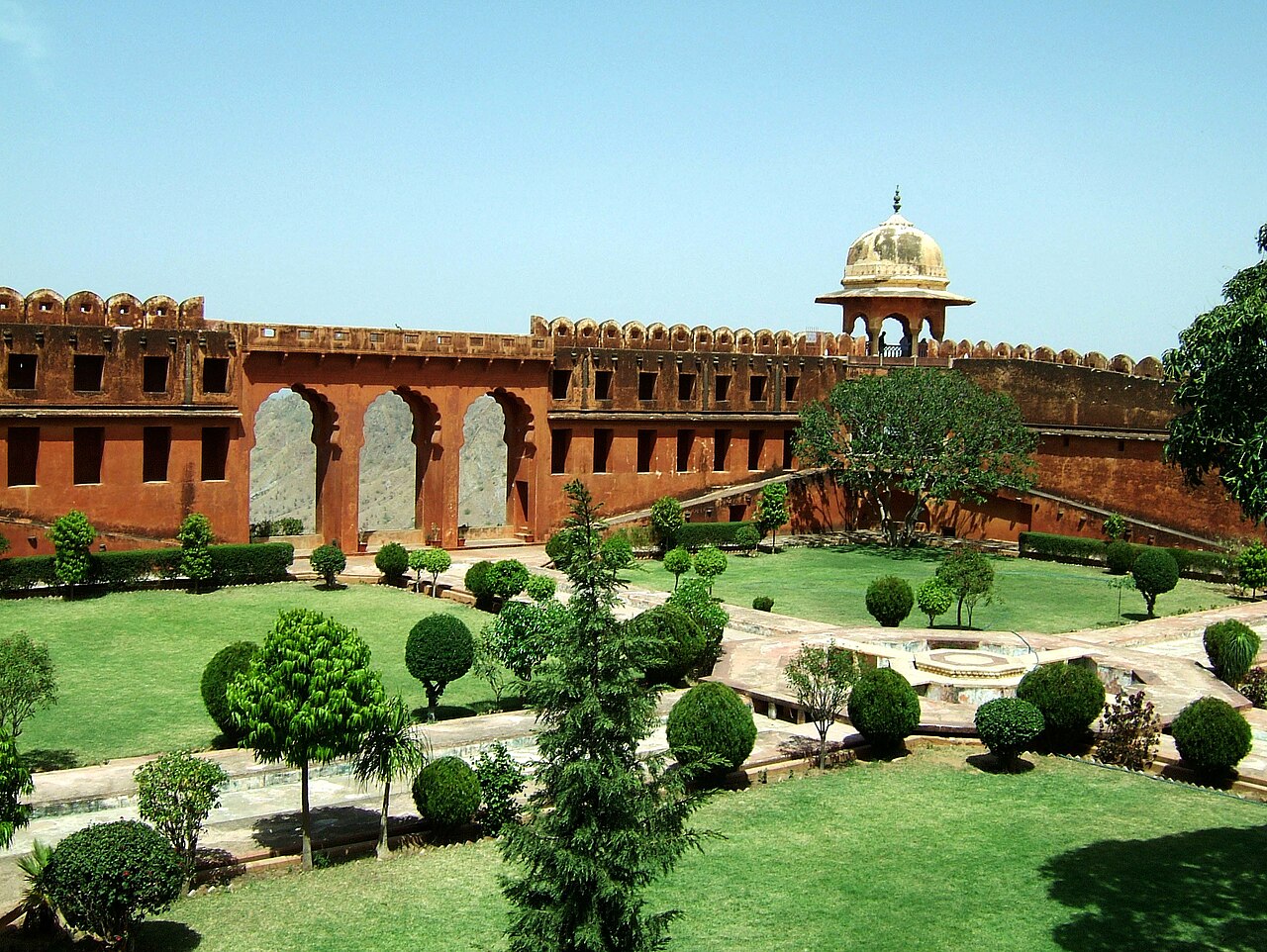
Jaigarh was built as a working arsenal, not a residence, and it reads that way — the ramparts are thicker, the courtyards are wider and emptier, and the centrepiece is a cannon rather than a mirror hall. The Jaivana, cast in 1720 in the fort's own foundry, remains the largest wheeled cannon ever made: a barrel just over 6 metres long, mounted on a wheelbase built to bear roughly 50 tonnes of bronze and iron alloy, requiring 100 kg of gunpowder per shot. It was fired exactly once, as a test, and the story is verifiable rather than folklore — the cannonball's landing point, roughly 35 kilometres away near the town of Chaksu, created an impact crater that filled with water and is still known locally as Jaivana Talab. The fort's red sandstone walls sit on Cheel ka Teela, the Hill of Eagles, chosen specifically for sightlines down every approach road to Amber and Jaipur, and the Diya Burj watchtower at the fort's highest point still delivers the widest unobstructed view of the Aravalli range available at any Jaipur monument.
Best time of day: 09:00 – 10:30. Before the heat makes the exposed Diya Burj watchtower climb uncomfortable, and before Amber Fort's crowd overflow reaches Jaigarh via the connecting passage around midday.
Jaigarh Fort (Jaivana Cannon) timings
Jaigarh Fort (Jaivana Cannon) opens at 09:00 and closes at 17:00. Those hours hold on Saturday and Sunday too.
- Opening hours
- 09:00–17:00
Mon–Sun 09:00–17:00 - Closed on
- Open every day
Opening hours compiled from rajasthantourism.gov.in and public records, last updated . They change without notice — confirm before you travel. How we write these guides
Jaigarh Fort (Jaivana Cannon) ticket price
| Ticket | Price |
|---|---|
| Indian visitors | ₹35 |
| Foreign visitors | ₹85 |
| Children | Free |
| Camera | Free |
Not part of the Rajasthan Composite Ticket — this is a separate entry fee collected at Jaigarh's own gate, even for visitors arriving via the subterranean passage from Amber Fort. The Armoury Museum and cannon foundry displays are included in the base ticket; no additional charge applies inside.
Prices compiled from rajasthantourism.gov.in and public records, last updated . They change without notice — confirm before you travel. How we write these guides
Best time to visit Jaigarh Fort (Jaivana Cannon)
- Quiet
- Moderate
09:00 – 10:30
Morning OpeningBest time to go
Quietest window; few visitors have yet made the connecting walk from Amber or the separate drive up.
Quiet10:30 – 13:00
Midday Overflow
Visitors arriving via the Amber subterranean passage begin to raise numbers, though still well below Amber's own crowd density.
Moderate13:00 – 15:00
Afternoon Heat
Exposed courtyards and the unshaded Diya Burj climb deter most visitors; a good window for unhurried photography.
Quiet15:00 – 16:30
Late Afternoon
Light softens for views from Diya Burj across the Aravalli range before last entry at 16:30.
Moderate
History of Jaigarh Fort (Jaivana Cannon)
Sawai Jai Singh II commissioned Jaigarh in 1726, three years before founding Jaipur city itself, explicitly as a cannon foundry and military stores depot to supply Amber Fort below — the two are connected by fortification walls and a covered subterranean passage rather than existing as separate defensive units. The foundry cast artillery for the Kachwaha state's military campaigns for over two centuries, and the surviving cannon-casting pit, moulds, and furnace remains are still on display in the Armoury Museum.
The Jaivana cannon's 1720 casting is attributed to a foundryman named Ram Singh Sonagara, under Jai Singh II's direct oversight; contemporary court records describe its single test firing as a state event attended by the Maharaja himself. The cannon has never left the fort and was never used in actual combat — a detail that surprises visitors expecting a battle history, but Jaigarh functioned throughout its operational life primarily as a deterrent and manufacturing base rather than a besieged fortress.
A persistent local legend holds that a portion of the Kachwaha treasury was hidden within Jaigarh's grounds and was searched for, unsuccessfully, by the Indian government during a widely reported 1976 excavation ordered under Indira Gandhi's administration — the fort was briefly closed to the public during this search. No treasure was officially reported found, and the episode remains a point of local speculation rather than settled history.
Rules & etiquette at Jaigarh Fort (Jaivana Cannon)
The subterranean passage connecting Amber Fort to Jaigarh is one-directional in practical terms during peak season — staff manage flow so that walking from Amber upward is straightforward, but returning the same way against a crowd of ascending visitors is discouraged; most visitors exit Jaigarh via its own main gate to the parking area instead.
The Diya Burj watchtower stairs are steep, narrow stone spirals with no handrail for a significant stretch — visitors with knee issues or vertigo should assess before climbing, since there is no alternate lift or ramp. The Armoury Museum's cannon-casting displays are indoors and unshaded, a welcome break from the exposed courtyards in summer months.
Drones are prohibited without prior written Archaeology Department clearance, arranged in advance, as Jaigarh sits within a sensitive military-heritage buffer zone still occasionally used for state ceremonial purposes.
Tips for visiting Jaigarh Fort (Jaivana Cannon)
- 1
Walk the connecting passage from Amber rather than driving around — it is included in the Amber ticket, takes 20–25 minutes of moderate uphill effort, and delivers a genuinely different arrival experience than pulling up to Jaigarh's main gate by car, emerging directly into the fort's lower courtyard near the foundry displays.
- 2
Jaigarh consistently sees a fraction of Amber's visitor volume despite standing right next to it and holding an equally significant history — if crowd fatigue from Amber has set in, Jaigarh is the recovery stop on the same hilltop.
- 3
Bring water; unlike Amber, Jaigarh has minimal shaded seating and no equivalent to the Sheesh Mahal's cooler interior chambers. The Aram Mandir garden near the entrance is the one reliably shaded rest point before tackling the Diya Burj climb.
How to reach Jaigarh Fort (Jaivana Cannon)
The red star is Jaigarh Fort (Jaivana Cannon); the numbered pins are the 10 nearest places in our guides, each showing its rank in its city. Tap a pin for details.
Jaigarh Road, Devisinghpura, Amer, Jaipur, Rajasthan 302001Directions in Google Maps
From Jaipur International Airport (JAI)
₹500–₹70024 km · 55–75 min
OLA/Uber).
From Jaipur Junction Railway Station (JP)
₹250–₹35015 km · 35–50 min
Auto, negotiated).
From Amber Fort (Suraj Pole)
1.2 km · 20–25 min walk
Free (included in Amber Fort ticket); no vehicle needed.
Nearest airport
From Jaipur International Airport (JAI)
24 km, 55–75 minutes.
Nearest railway station
From Jaipur Junction (JP)
15 km, 35–50 minutes.
Jaigarh Fort (Jaivana Cannon) FAQs
Was the Jaivana cannon ever fired in battle?
No. It was cast in 1720 and fired exactly once, as a state test shot, with the cannonball landing roughly 35 km away near Chaksu, where the impact crater still exists as a pond called Jaivana Talab. It never saw combat use.
Is Jaigarh Fort included in the Amber Fort ticket or the Composite Ticket?
No. Jaigarh charges a separate entry fee (₹35 Indian / ₹85 foreign) at its own gate, collected even from visitors arriving via the connecting underground passage from Amber Fort.
Can you walk from Amber Fort directly to Jaigarh Fort?
Yes, via a 1.2-kilometre covered subterranean passage beginning near Amber's Suraj Pole sector, taking 20–25 minutes of moderate uphill walking, included in the Amber Fort ticket.
Is the treasure-hunt legend at Jaigarh true?
The 1976 government excavation under Indira Gandhi's administration is a documented historical event and the fort was briefly closed during it, but no treasure was officially confirmed found. The rest remains local speculation rather than verified history.
Compiled with AI assistance from official sources and public records, and published only after the checks in How we write these guides. Nobody from Traveliac has visited this place. Last updated . How we rank and check places
Places to visit near Jaigarh Fort (Jaivana Cannon)
Straight-line distances from our map; times are estimates.
 #1 in Jaipur
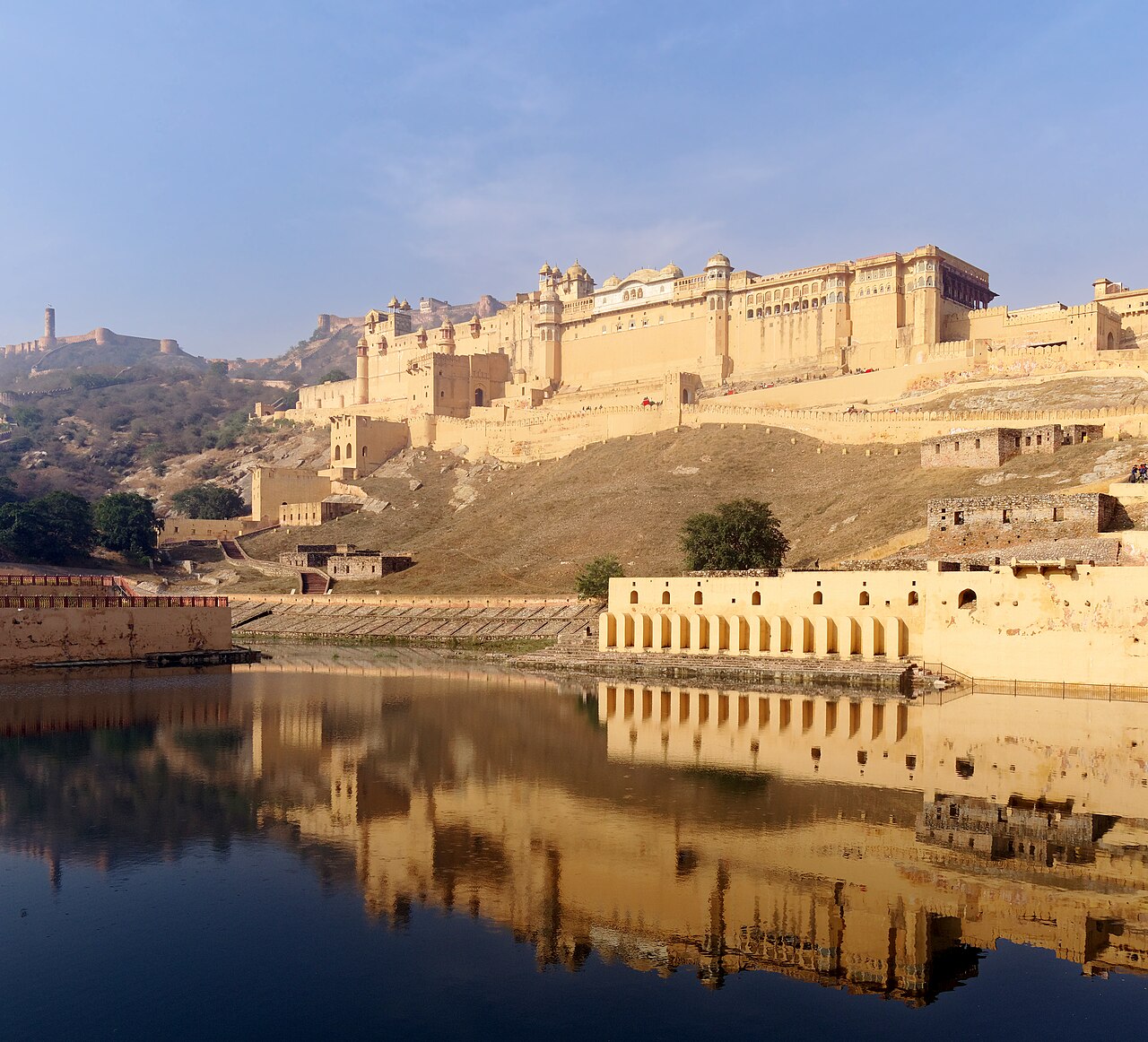
Amber Fort & Palace
Fort · 550 m · about 9 min walk
 #8 in JaipurFree entry
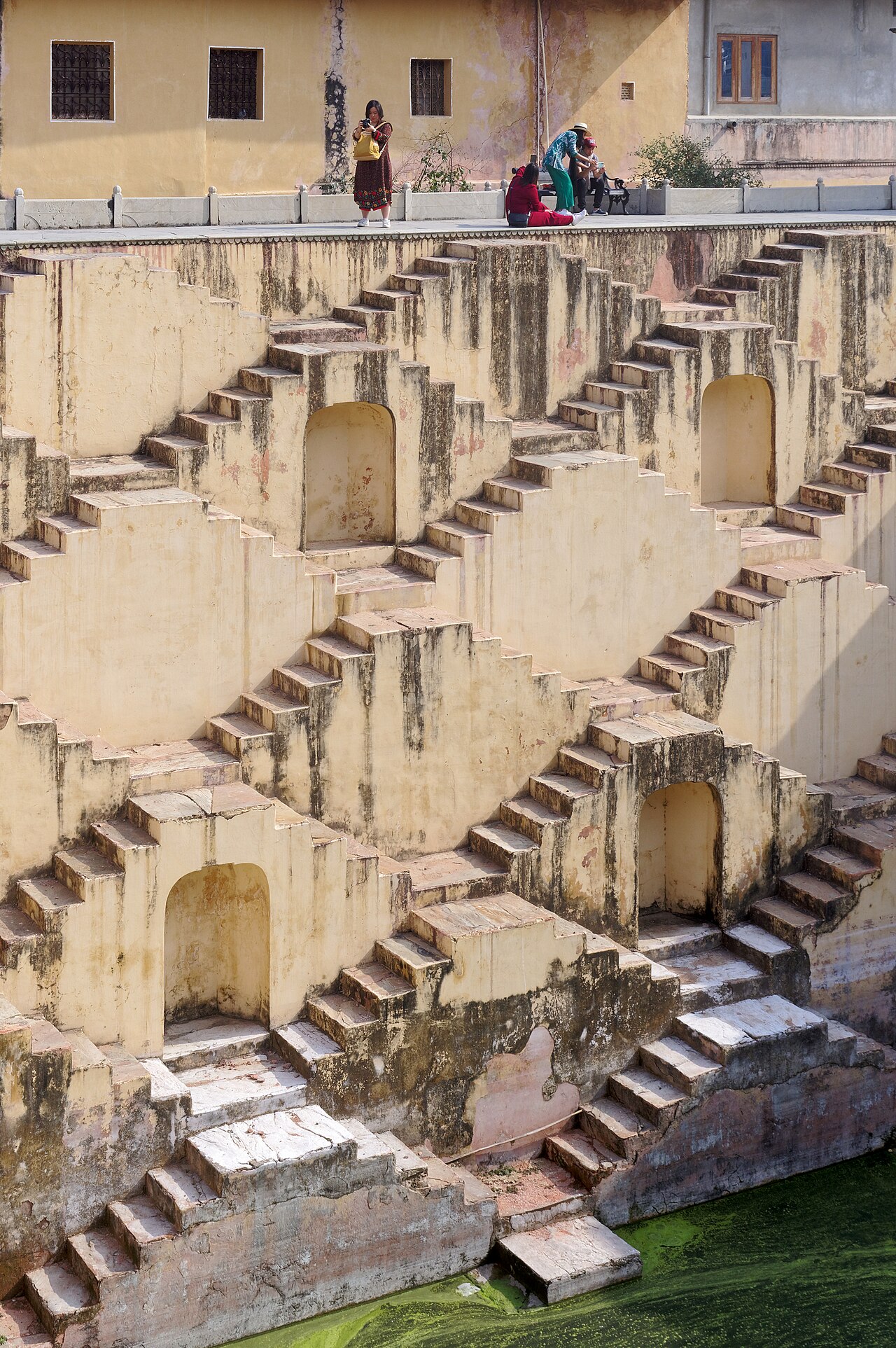
Panna Meena Ka Kund
Heritage · 750 m · about 12 min walk
 #9 in JaipurFree entry
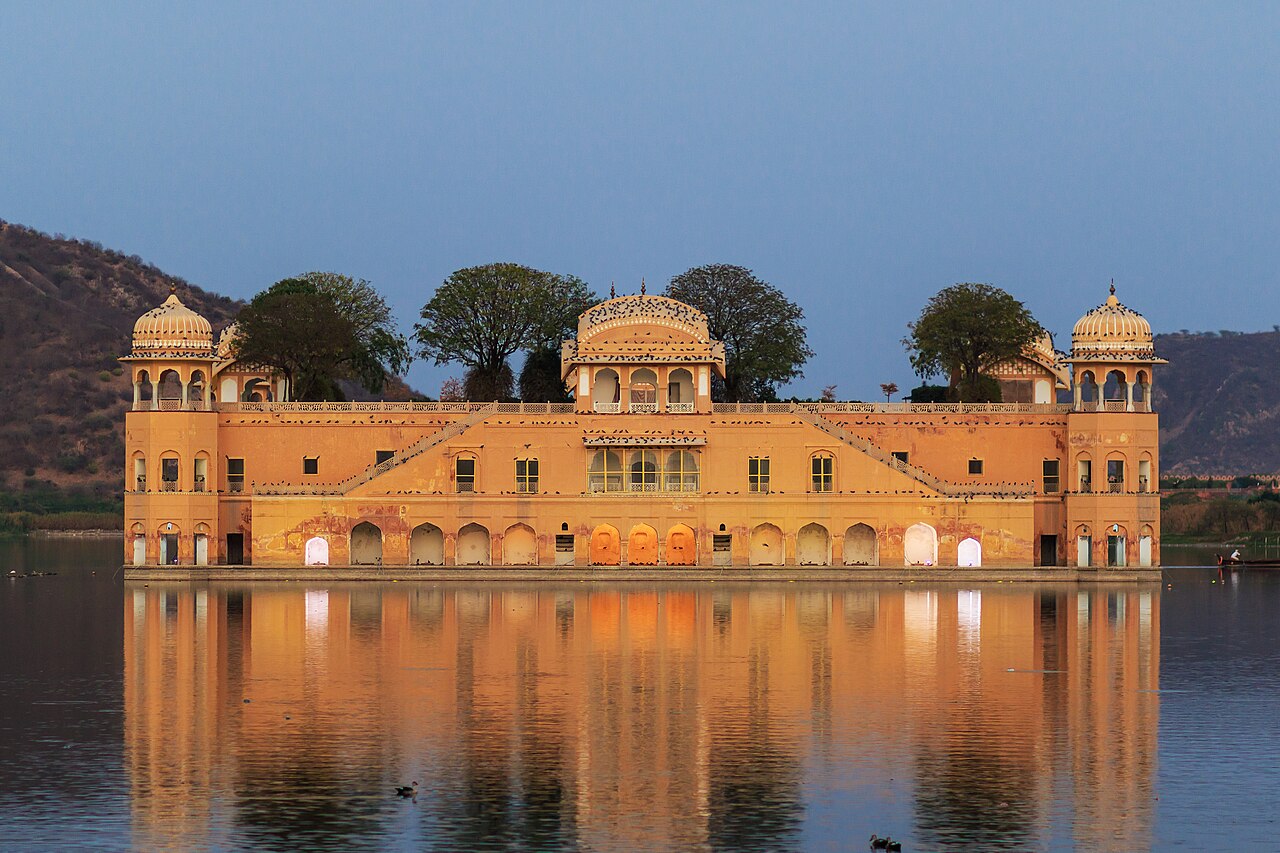
Jal Mahal (Water Palace)
Palace · 4 km · about 10 min by road
 #5 in Jaipur
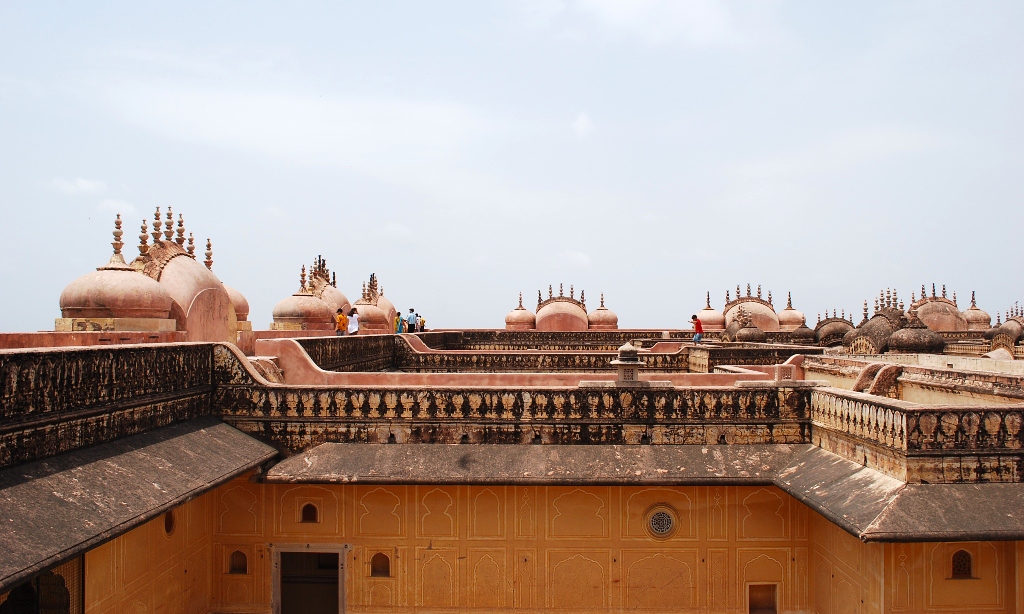
Nahargarh Fort
Fort · 6 km · about 20 min by road