
Bada Bagh
#6of 10 places to visit in JaisalmerJaisalmer, Rajasthan
Also known as Barabagh · Royal Cenotaphs of Jaisalmer
Quick answer
Opening hours: 07:00–19:00. Entry: ₹30 Indian · ₹50 foreign. Allow 1 hr. Best time: 17:30 – 19:00 or 06:30 – 08:00.
Updated · Compiled by Traveliac, AI-assisted · 5 min read
- Opening hours
- 07:00–19:00
- Entry fee
- ₹30 Indian
- Ticket from
- Time needed
- 1 hr
- Best time of day
- 17:30 – 19:00 or 06:30 – 08:00
- Best months
- Oct – Mar
- Address
- Bada Bagh, Jaisalmer district, Rajasthan 345001, approximately 6 km north of Jaisalmer city
About Bada Bagh
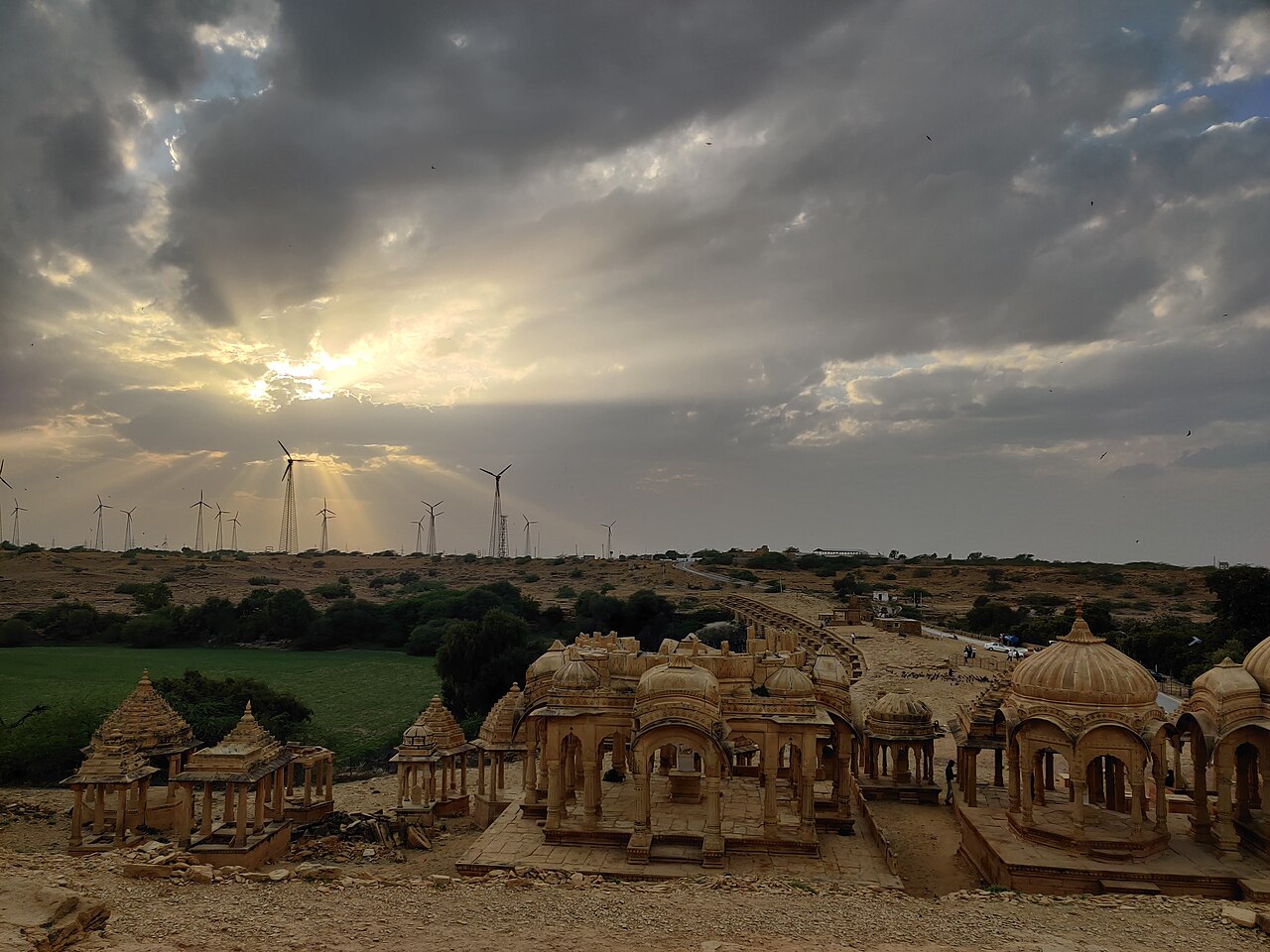
Bada Bagh is Jaisalmer's royal cenotaph ground, a cluster of golden-yellow sandstone chhatris — domed memorial pavilions, not tombs, since Hindu Rajput ritual custom cremates rather than buries the dead — built for successive Maharawals of the Bhati dynasty from the 16th century through the 20th. The site sits at the edge of an artificial dam and garden originally built to irrigate agricultural land beneath it, and the combination of an elevated, wind-swept ridge, a row of near-identical domed structures, and a working line of modern wind turbines visible on the skyline beyond makes it one of the most photographed sites in the region, precisely because the juxtaposition of centuries-old memorial architecture against contemporary wind infrastructure is so visually direct.
Best time of day: 17:30 – 19:00 or 06:30 – 08:00. When the cenotaphs are silhouetted against the setting sun in the classic wide shot that appears in most Jaisalmer photography, and again 06:30 – 08:00 for a quieter, softer-lit alternative without the sunset crowd.
Bada Bagh timings
Bada Bagh opens at 07:00 and closes at 19:00. Those hours hold on Saturday and Sunday too.
- Opening hours
- 07:00–19:00
Mon–Sun 07:00–19:00 - Closed on
- Open every day
Opening hours compiled from rajasthantourism.gov.in and public records, last updated . They change without notice — confirm before you travel. How we write these guides
Bada Bagh ticket price
| Ticket | Price |
|---|---|
| Indian visitors | ₹30 |
| Foreign visitors | ₹50 |
| Children | Free |
| Camera | Free |
A small entry fee applies to the main cenotaph enclosure, collected at a kiosk near the parking area. The surrounding garden and dam area can be viewed without charge from outside the ticketed enclosure. Drone photography requires prior clearance given the site's proximity to sensitive border-district airspace.
Prices compiled from rajasthantourism.gov.in and public records, last updated . They change without notice — confirm before you travel. How we write these guides
Best time to visit Bada Bagh
- Quiet
- Moderate
- Busy
06:30 – 08:30
Morning QuietBest time to go
Soft early light on the eastern faces of the chhatris; minimal visitor presence.
Quiet09:00 – 15:00
Midday
Harsh overhead light is unflattering for photography; visitor numbers stay low through the heat of the day.
Quiet15:00 – 17:00
Late Afternoon Arrival
Day-trip groups combining Bada Bagh with Kuldhara and Khaba Fort begin arriving.
Moderate17:00 – 19:00
Sunset Peak
The busiest window of the day, with photographers and tour groups converging for the classic cenotaph silhouette shot against the setting sun.
Busy
History of Bada Bagh
Maharawal Jai Singh II is generally credited with initiating the dam and garden at Bada Bagh in the mid-16th century, damming a seasonal stream to create irrigated land for the city — 'Bada Bagh' translates simply as 'big garden,' a reference to its original agricultural rather than commemorative function. The cenotaph tradition on the ridge above the dam developed over subsequent centuries as each Maharawal's cremation site was marked with a chhatri, typically commissioned by the successor as an act of filial and dynastic commemoration; the practice continued into the 20th century, making Bada Bagh's cenotaph row a continuous physical record of Jaisalmer's ruling line spanning roughly four hundred years, more complete than equivalent cenotaph grounds at many other Rajasthani cities.
Each chhatri's design reflects the architectural conventions of its period, giving a careful observer a rough visual chronology: earlier cenotaphs tend toward simpler, more solid domes, while later ones show more elaborate carved brackets and canopies, echoing the broader stylistic evolution visible in Jaisalmer's havelis over the same centuries. Several chhatris carry carved equestrian reliefs of the ruler they commemorate on horseback, a common convention distinguishing a ruler's memorial from those of other family members, whose cenotaphs are typically plainer.
The last cenotaph erected here is comparatively recent — some accounts note it was built for a ruler who died after independence, its distinctly plainer, less ornate construction reflecting the changed political and economic status of Rajasthan's princely families once their state functions had been absorbed into independent India.
Rules & etiquette at Bada Bagh
The cenotaph ground is treated with a degree of the same respect due any Rajput dynastic memorial site — loud behaviour, climbing on the chhatri platforms, or touching carved reliefs is discouraged, and site staff will intervene if approached. Some cenotaphs remain in a state of visible disrepair or partial collapse, particularly among the older structures; visitors should stay on marked paths rather than climbing over rubble for a photograph.
The wind turbines visible on the ridge beyond the cenotaphs are part of an active commercial wind farm, not a tourist installation, and the access road toward them is not open to casual visitors — the turbines are best treated purely as a background element in photographs taken from within the cenotaph enclosure itself. Vendors near the parking area sell water and snacks at reasonable, largely non-negotiable prices; this is a lower-pressure sales environment than the haveli lanes in the city.
Tips for visiting Bada Bagh
- 1
Bada Bagh works best as a late-afternoon stop on a loop that also takes in Kuldhara and Khaba Fort, both roughly similar distances northwest of the city and readily combined into a single half-day itinerary by taxi or with a rented scooter for the more independent-minded. Arriving with enough time before sunset to walk the full cenotaph row, rather than rushing straight to the classic wide silhouette shot, reveals the individual variation between chhatris that the postcard image flattens out.
- 2
A wide-angle lens captures the full row of domes against the sky more effectively than a phone's standard lens, particularly for the sunset silhouette shot; arrive by 17:00 in winter to scout a composition before the light gets dramatic, since the site draws a reliable crowd of photographers in the final thirty minutes before sunset.
- 3
Combine the visit with a stop at the working step-well and small temple near the dam itself, easily overlooked by visitors who go straight to the cenotaph ridge — the dam and garden area, the site's original functional purpose, gets a fraction of the cenotaphs' visitor attention despite being of equal historical interest.
How to reach Bada Bagh
The red star is Bada Bagh; the numbered pins are the 7 nearest places in our guides, each showing its rank in its city. Tap a pin for details.
Bada Bagh, Jaisalmer district, Rajasthan 345001, approximately 6 km north of Jaisalmer cityDirections in Google Maps
From Jaisalmer Fort (main gate)
₹250–₹4006 km · 12–15 min
Auto-rickshaw or taxi, one-way, negotiated).
From Jaisalmer Railway Station
₹250–₹4007 km · 12–15 min
Taxi, negotiated).
From Jaisalmer Airport (JSA)
₹300–₹4508 km · 12–18 min
Prepaid taxi).
Nearest airport
From Jaisalmer Airport (JSA)
approximately 8 km, 12–18 minutes by road. Flights are seasonal and limited.
Nearest railway station
From Jaisalmer Railway Station
approximately 7 km, 12–15 minutes by road.
Bada Bagh FAQs
What is Bada Bagh and who is it dedicated to?
Bada Bagh is a royal cenotaph ground for the Bhati Maharawals of Jaisalmer, containing domed sandstone chhatris commemorating rulers from the 16th century through the 20th. It sits beside a dam and garden originally built for irrigation, from which the site takes its name, meaning 'big garden.'
Why are there wind turbines next to the ancient cenotaphs at Bada Bagh?
The turbines belong to an active commercial wind farm on the ridge beyond the cenotaph enclosure, unrelated to the historical site itself. The juxtaposition of centuries-old memorials against modern wind infrastructure has become one of the most recognisable photographic compositions associated with Jaisalmer.
How far is Bada Bagh from Jaisalmer city and can it be combined with other sights?
It is about 6 km from the fort, a 12–15 minute drive. It combines well with Kuldhara Abandoned Village and Khaba Fort, both in a similar direction and distance, forming a common half-day loop itinerary.
What is the best time to photograph Bada Bagh?
Sunset, roughly 17:00 to 19:00, is when the cenotaphs are silhouetted against the sky for the classic wide shot, though this is also the busiest window. Early morning (06:30–08:30) offers softer light with far fewer visitors.
Compiled with AI assistance from official sources and public records, and published only after the checks in How we write these guides. Nobody from Traveliac has visited this place. Last updated . How we rank and check places
Places to visit near Bada Bagh
Straight-line distances from our map; times are estimates.
 #8 in Jaisalmer
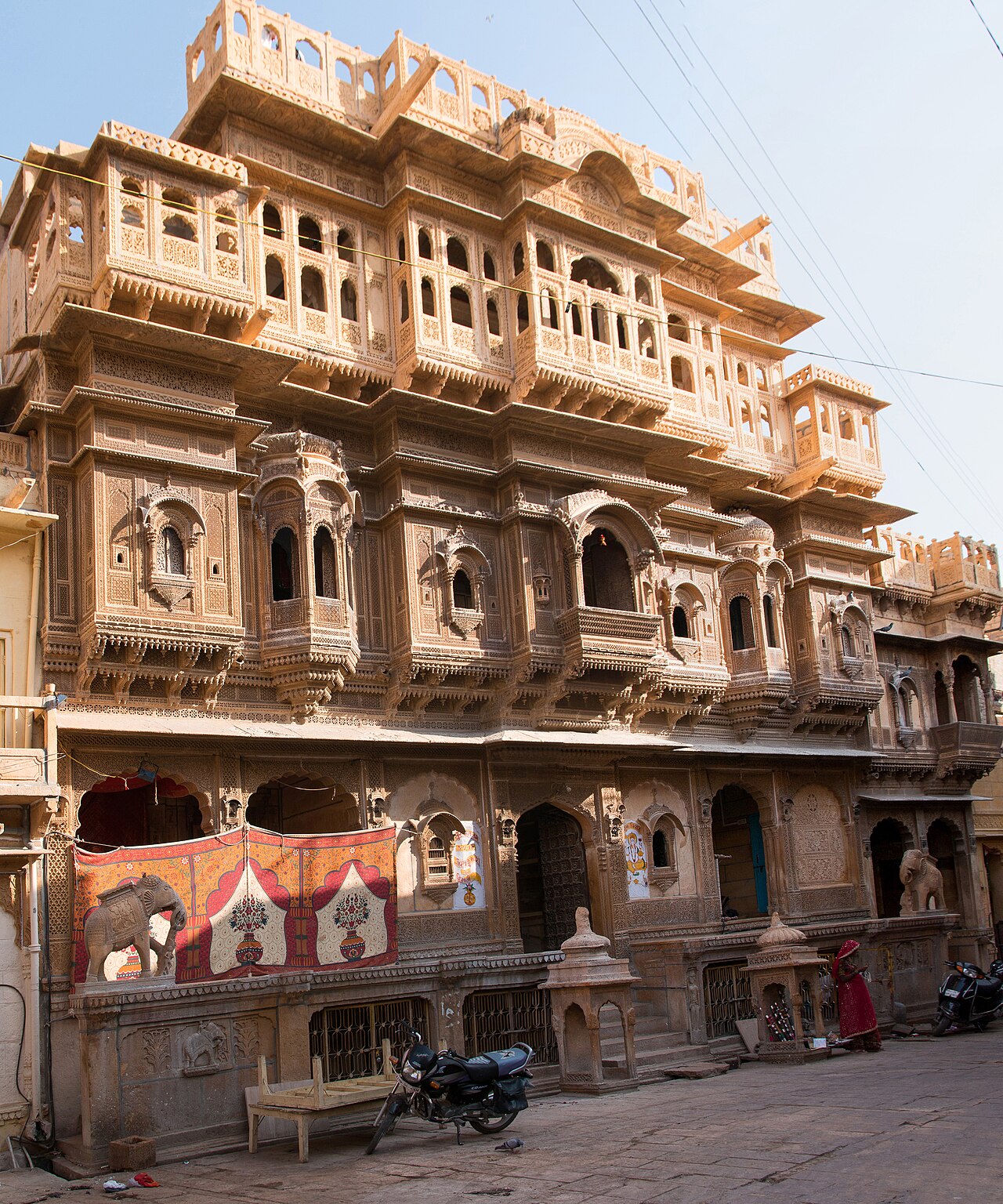
Nathmal Ki Haveli
Palace · 5 km · about 15 min by road
 #2 in Jaisalmer
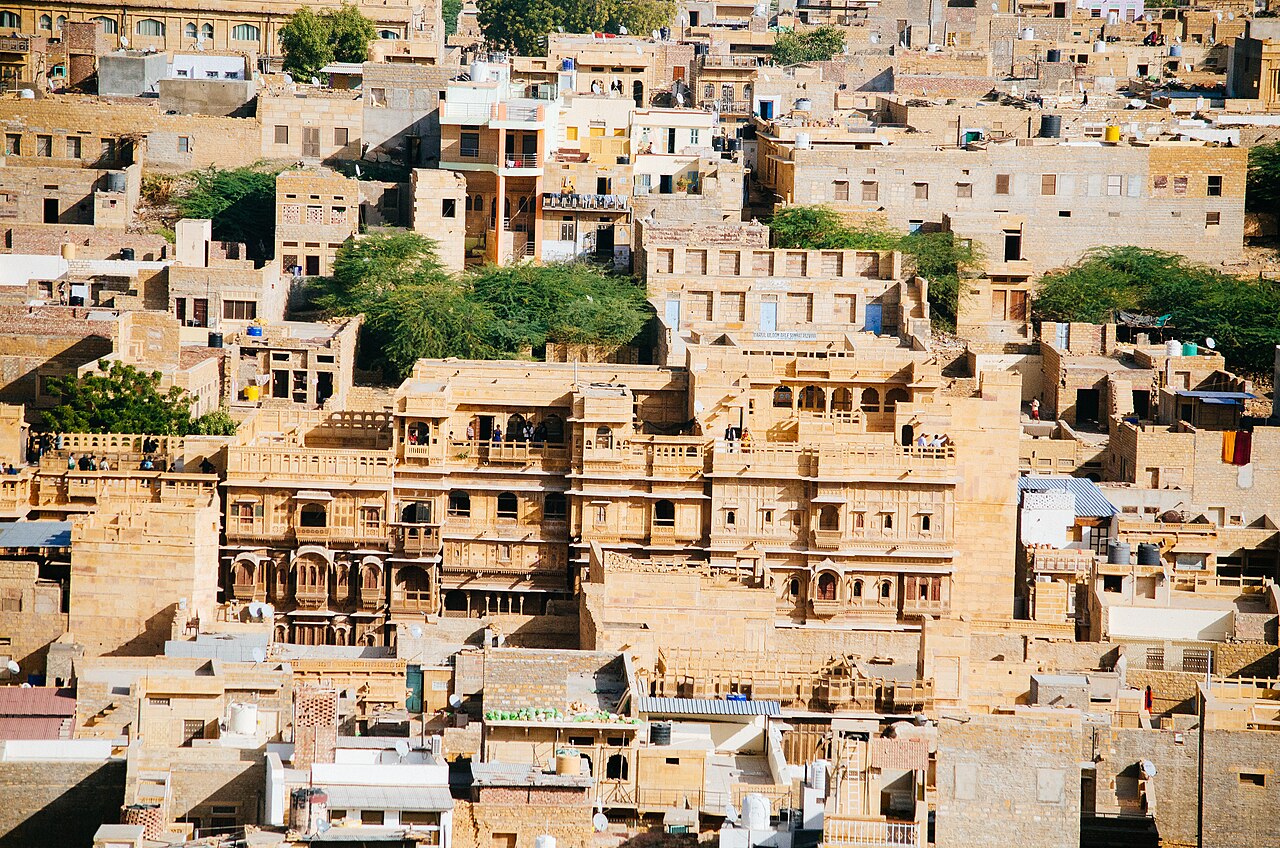
Patwon Ki Haveli
Palace · 5 km · about 15 min by road
 #1 in Jaisalmer
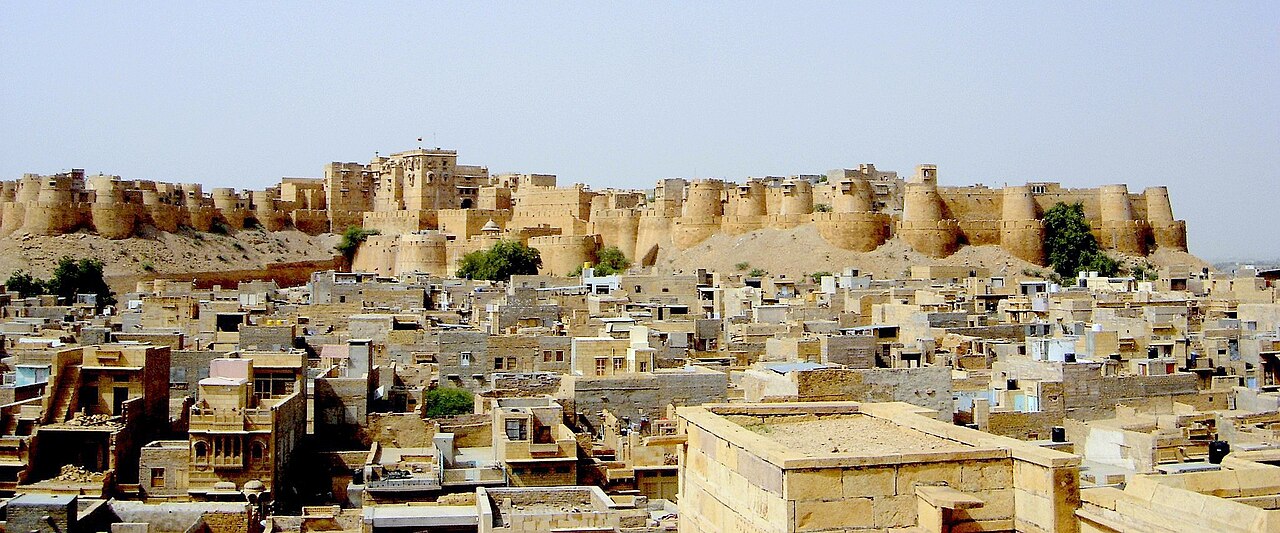
Jaisalmer Fort
Fort · 5 km · about 15 min by road
 #7 in Jaisalmer
Salim Singh Ki Haveli
Palace · 5 km · about 15 min by road