
Sam Sand Dunes
#3of 10 places to visit in JaisalmerJaisalmer, Rajasthan
Also known as Sam Dunes · Samsan Dunes
Quick answer
Opening hours: 15:00–20:00 and 06:00–09:00. Entry: ₹50 Indian · ₹100 foreign. Allow 4 hrs. Best time: 16:30 – 19:00.
Updated · Compiled by Traveliac, AI-assisted · 5 min read
- Opening hours
- 15:00–09:00
- Dune area accessible 24 hours; the ticketed viewpoint and safari operations run primarily 15:00 – 20:00 for the sunset window, with morning safaris also available roughly 06:00 – 09:00 for cooler conditions.
- Entry fee
- ₹50 Indian
- Ticket from
- Time needed
- 4 hrs
- Best time of day
- 16:30 – 19:00
- Best months
- Oct – Mar
- Address
- Sam Sand Dunes, Sam, Jaisalmer district, Rajasthan 345001, approximately 40 km west of Jaisalmer city
About Sam Sand Dunes
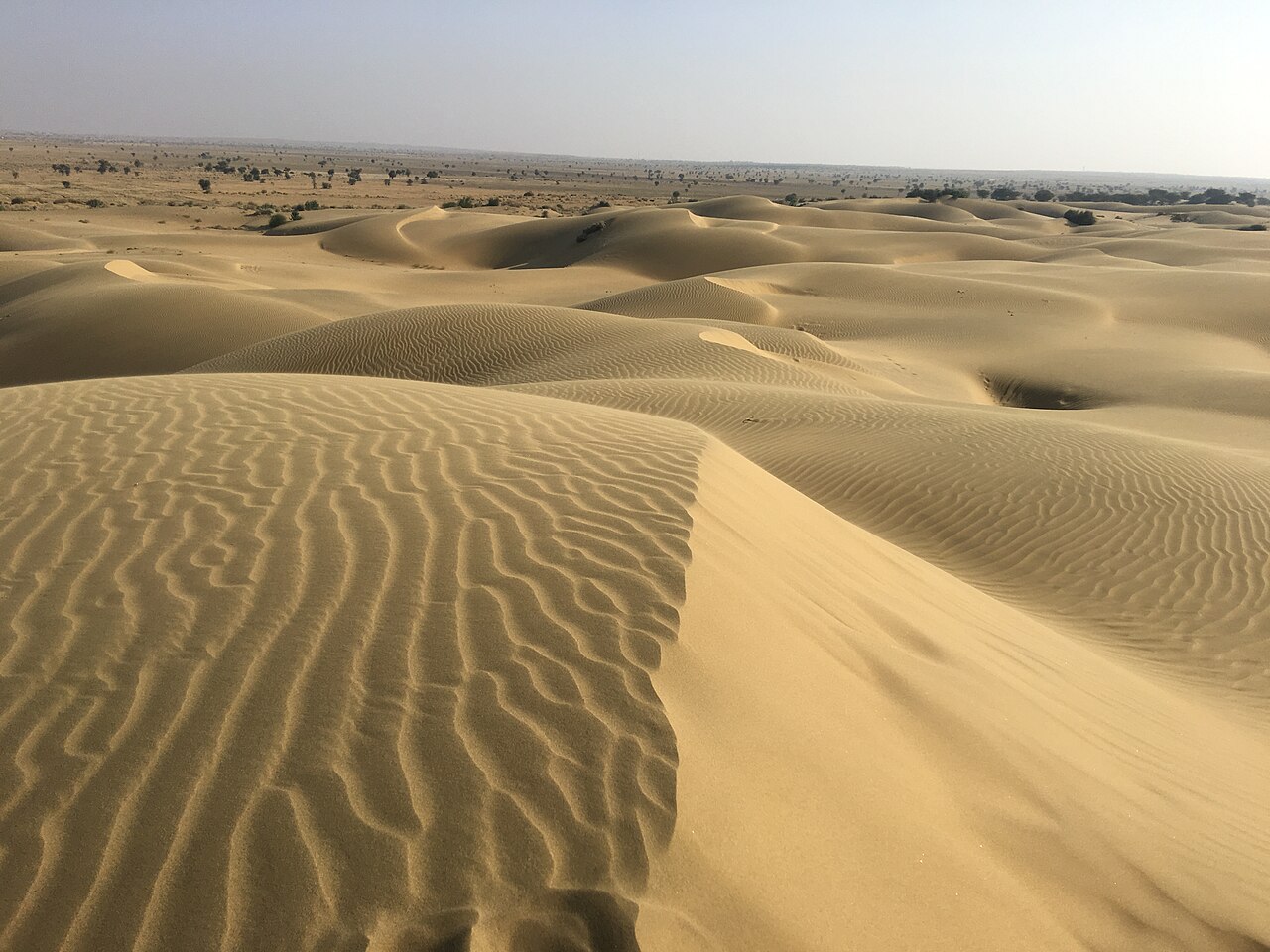
Sam Sand Dunes is the single most visited stretch of the Thar Desert accessible from Jaisalmer, a roughly 40-kilometre drive west of the city into genuinely silky, wind-rippled sand — as opposed to the rockier, scrub-covered desert terrain that surrounds much of Jaisalmer itself. The dunes sit within the buffer zone of Desert National Park, and the combination of easy road access, a dramatic and reliable sunset, and a well-established camel-and-camp tourism infrastructure has made this the default desert experience sold to visitors, for better and for worse: it is also, by a wide margin, the most commercialised and crowded patch of sand in the region.
Best time of day: 16:30 – 19:00. For the classic sunset-over-dunes experience, when both the light and temperature are at their most manageable; overnight camping extends this into star-gazing after dark, when the absence of urban light pollution in the Thar makes for exceptional visibility.
Sam Sand Dunes timings
- Opening hours
- 15:00–09:00
Mon–Sun 15:00–20:00 and 06:00–09:00 - Dune area accessible 24 hours; the ticketed viewpoint and safari operations run primarily 15:00 – 20:00 for the sunset window, with morning safaris also available roughly 06:00 – 09:00 for cooler conditions.
- Closed on
- Open every day
Good to know: Peak season is October through February; several camps and operators reduce services or close entirely during the intense heat of May and June, and access can be disrupted during rare but sometimes severe monsoon showers in July–August.
Opening hours compiled from rajasthantourism.gov.in and public records, last updated . They change without notice — confirm before you travel. How we write these guides
Sam Sand Dunes ticket price
| Ticket | Price |
|---|---|
| Indian visitors | ₹50 |
| Foreign visitors | ₹100 |
| Children | Free |
| Camera | Free |
Entry fee applies to the government-managed Sam Sand Dunes viewpoint and buffer-zone area, collected at a Rajasthan Tourism kiosk near the parking area. Camel safaris are priced separately and independently by individual operators — typically ₹300–₹500 for a 30–45 minute sunset ride, and considerably more for multi-hour or overnight desert-camp packages. Jeep safaris into the deeper dune area run roughly ₹1,500–₹3,000 per vehicle depending on duration and operator. Desert camp packages (dinner, cultural show, overnight tent stay) range widely from roughly ₹1,500 for a basic shared setup to ₹8,000+ for a luxury private tent, and prices are set entirely by private operators, not the government.
Prices compiled from rajasthantourism.gov.in and public records, last updated . They change without notice — confirm before you travel. How we write these guides
Best time to visit Sam Sand Dunes
- Quiet
- Moderate
- Very busy
06:00 – 09:00
Sunrise SafariBest time to go
A smaller subset of operators run morning camel and jeep safaris; noticeably quieter than the sunset rush, with cooler temperatures for riding.
Quiet09:00 – 15:00
Midday Lull
Heat discourages activity; most day-trippers have not yet arrived and overnight campers are typically resting or have departed.
Quiet15:00 – 17:00
Afternoon Arrival
Tour buses and private vehicles begin arriving from Jaisalmer city; camel and jeep queues start forming at the main viewpoint.
Moderate17:00 – 20:00
Sunset Peak
The single busiest window of the day. Dozens of camel strings, jeeps, and day-trip groups converge on the dunes for sunset; parking areas fill and vendor activity is at its most intense.
Very busy
History of Sam Sand Dunes
The dunes themselves are a natural geological feature of the Thar Desert, shaped over millennia by prevailing westerly winds that sweep sand from the Indus basin and beyond into the mobile, crescent-shaped formations visible today. Sam's particular prominence as a tourist destination is a comparatively recent development, dating largely to the growth of Rajasthan's desert-tourism industry from the 1980s and 1990s onward, when improved road access from Jaisalmer and the marketing appeal of an accessible 'true desert' experience made it the default add-on for visitors already drawn to the fort and havelis in the city.
The area falls within the designated buffer zone of Desert National Park, established in 1980 to protect one of the last strongholds of the critically endangered Great Indian Bustard along with other Thar desert wildlife; the core protected zones lie further south and west, with Sam functioning as a more heavily visited and commercially developed periphery rather than a strict conservation area. This distinction matters practically: camel and jeep safaris at Sam operate with relatively few wildlife restrictions compared to the actual national park core, which is why Sam, not the park's interior, is where the vast majority of tourist camel and jeep traffic is concentrated.
Rules & etiquette at Sam Sand Dunes
Camel and jeep safari touts approach vehicles well before reaching the official parking and ticketing area; prices quoted at this stage are opening offers, not fixed rates, and are almost always negotiable downward by a third or more. Booking through your hotel or a reputable local travel desk in Jaisalmer city, rather than accepting a roadside offer on arrival, generally secures a fairer price and a more reliable operator, since desert-camp quality varies enormously and complaints about bait-and-switch tactics — a booked 'luxury' tent turning out to be a basic one on arrival — are common enough to warrant caution.
Drone photography requires prior permission given the proximity to the India-Pakistan international border and active defence installations in the wider district; flying one without clearance risks confiscation and questioning by security personnel, who patrol this area more actively than the casual desert-camp atmosphere might suggest. Alcohol is served at many private desert camps despite Rajasthan's otherwise variable state liquor licensing, but should not be assumed to be included in a package price — confirm in advance.
Camel safari operators vary widely in animal welfare standards; visibly exhausted or injured animals, or operators pushing extended rides in peak midday heat, are signals to choose a different operator. Sunset viewing areas become genuinely crowded in peak season (December–January), with dozens of camel strings and jeeps converging on the same viewpoint — arrive at least 45 minutes before sunset to secure an unobstructed vantage point.
Tips for visiting Sam Sand Dunes
- 1
An overnight desert camp stay is a meaningfully different experience from a same-day sunset visit — the crowds thin dramatically after the tour buses depart around 20:00, leaving campers with genuinely dark skies and a folk-music and dance performance that, at reputable camps, is a real cultural offering rather than a perfunctory one; at disreputable camps it can be a rushed, low-effort routine, which is where checking recent reviews for a specific operator pays off more than trusting a name alone.
- 2
For travellers who find the commercial density at Sam off-putting, Khuri village, roughly 45 km southwest of Jaisalmer, offers a comparable dune landscape with a noticeably lower concentration of tour operators and a more village-centred camp experience — worth asking about as an alternative if a quieter desert stay matters more than convenience.
- 3
Pack for a significant day-night temperature swing: desert afternoons in winter can reach a comfortable 25–28°C while nights drop to 5–10°C, and a cotton layer for the day plus a genuinely warm jacket or blanket for after sunset is not optional in December and January. Sand gets into everything — a dedicated dry-bag or sealed pouch for phones and cameras is worth the minor inconvenience given how fine and pervasive Thar sand is.
How to reach Sam Sand Dunes
The red star is Sam Sand Dunes. Tap a pin for details.
Sam Sand Dunes, Sam, Jaisalmer district, Rajasthan 345001, approximately 40 km west of Jaisalmer cityDirections in Google Maps
From Jaisalmer city (fort area)
₹1,200–₹2,00040 km · 50–70 min
Round-trip private taxi, negotiated). Shared jeeps and tour-operator packages from ₹300–₹600 per person including return transport.
From Jaisalmer Railway Station
₹1,300–₹2,00042 km · 55–70 min
Private taxi, one-way, negotiated).
From Jaisalmer Airport (JSA)
₹1,500–₹2,20055 km · 60–75 min
Prepaid taxi).
Nearest airport
From Jaisalmer Airport (JSA)
approximately 55 km, 60–75 minutes by road. Flights are seasonal and limited; check schedules directly with the airline.
Nearest railway station
From Jaisalmer Railway Station
approximately 42 km, 55–70 minutes by road.
Sam Sand Dunes FAQs
How far are Sam Sand Dunes from Jaisalmer city?
Approximately 40 km, roughly a 50–70 minute drive along Sam Road (SH-15) depending on traffic and vehicle type. Most visitors combine the drive with a fort-and-haveli day in the city and head out in the afternoon for sunset.
Is it better to do a day trip or overnight camp at Sam Sand Dunes?
An overnight stay offers meaningfully better stargazing and a quieter dune experience after tour buses depart around 20:00. A same-day sunset visit is sufficient for photography and a camel or jeep ride but will involve significant crowds during the peak 17:00–20:00 window.
Are camel safaris at Sam Sand Dunes negotiable, and what should they cost?
Yes, prices are set by individual operators and are negotiable, particularly for roadside touts. A standard 30–45 minute sunset camel ride typically runs ₹300–₹500; booking through a hotel or established travel desk in Jaisalmer generally secures a fairer price than accepting a roadside offer on arrival.
Is drone photography allowed at Sam Sand Dunes?
Not without prior permission. The area lies close to the India-Pakistan international border and active defence installations, and flying a drone without clearance risks confiscation and questioning by security personnel.
Compiled with AI assistance from official sources and public records, and published only after the checks in How we write these guides. Nobody from Traveliac has visited this place. Last updated . How we rank and check places
Places to visit near Sam Sand Dunes
Straight-line distances from our map; times are estimates.
 #5 in Jaisalmer
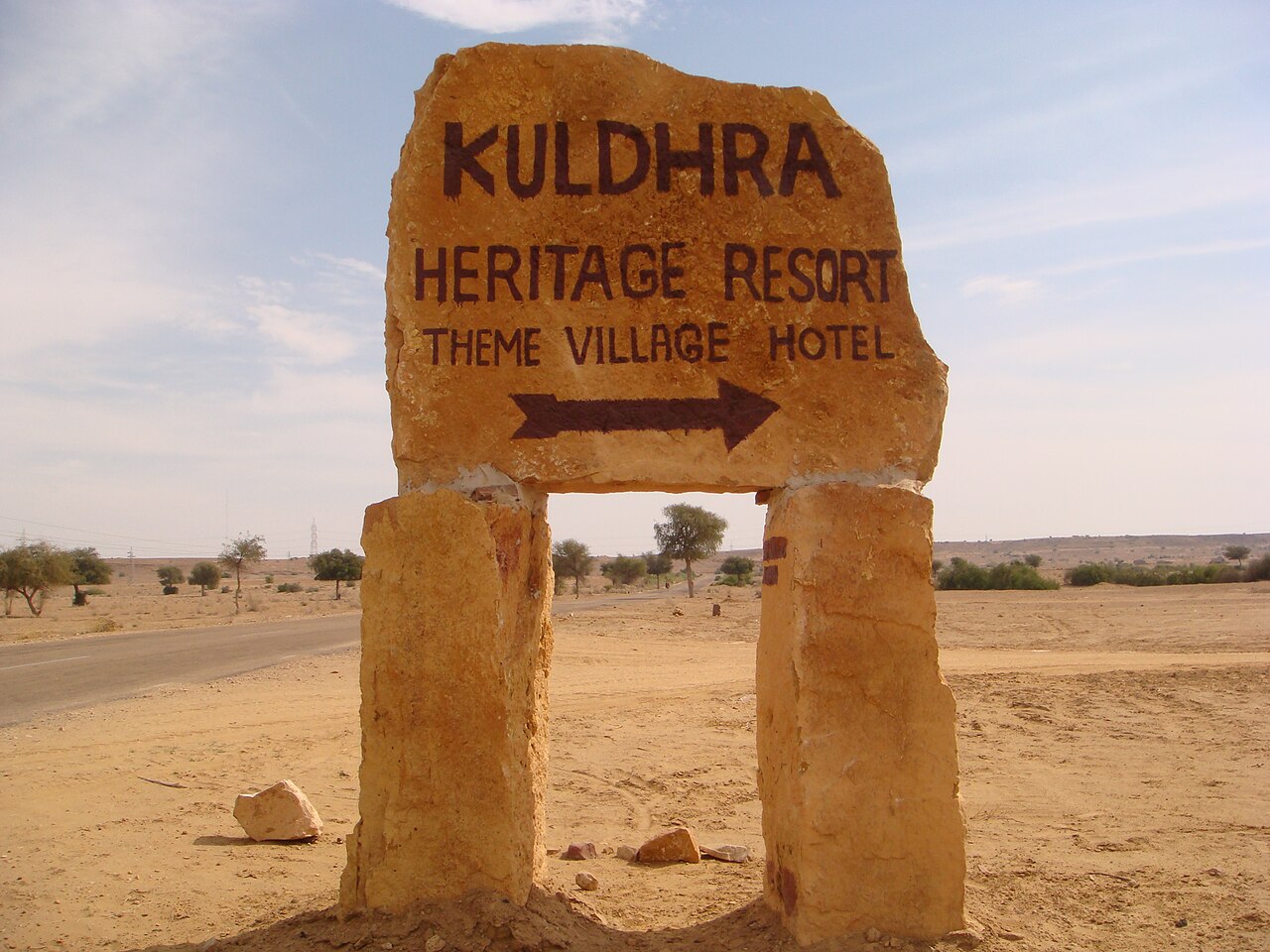
Kuldhara Abandoned Village
Heritage · 31 km · about 95 min by road
 #6 in Jaisalmer
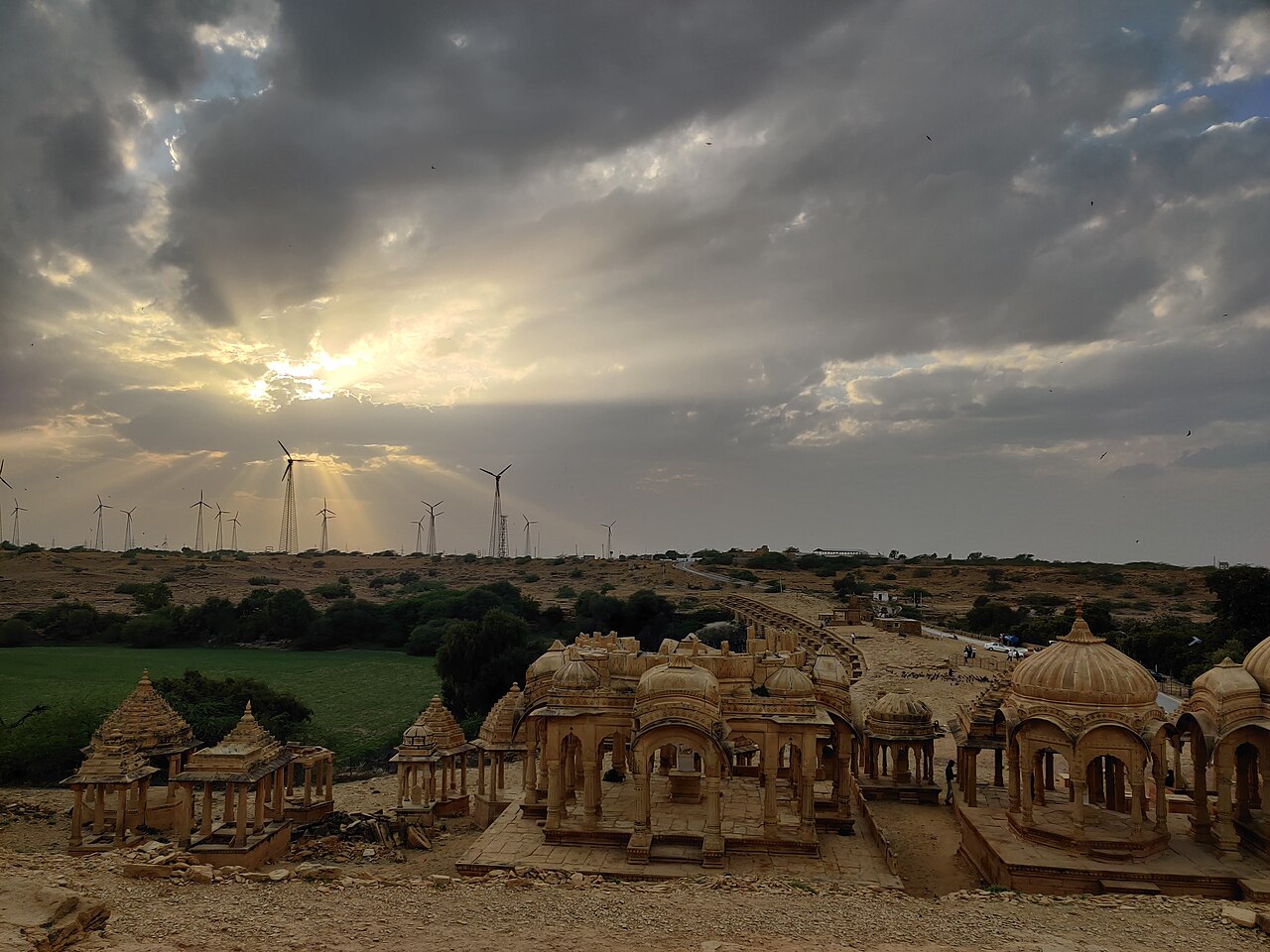
Bada Bagh
Garden · 42 km · about 130 min by road
 #1 in Jaisalmer
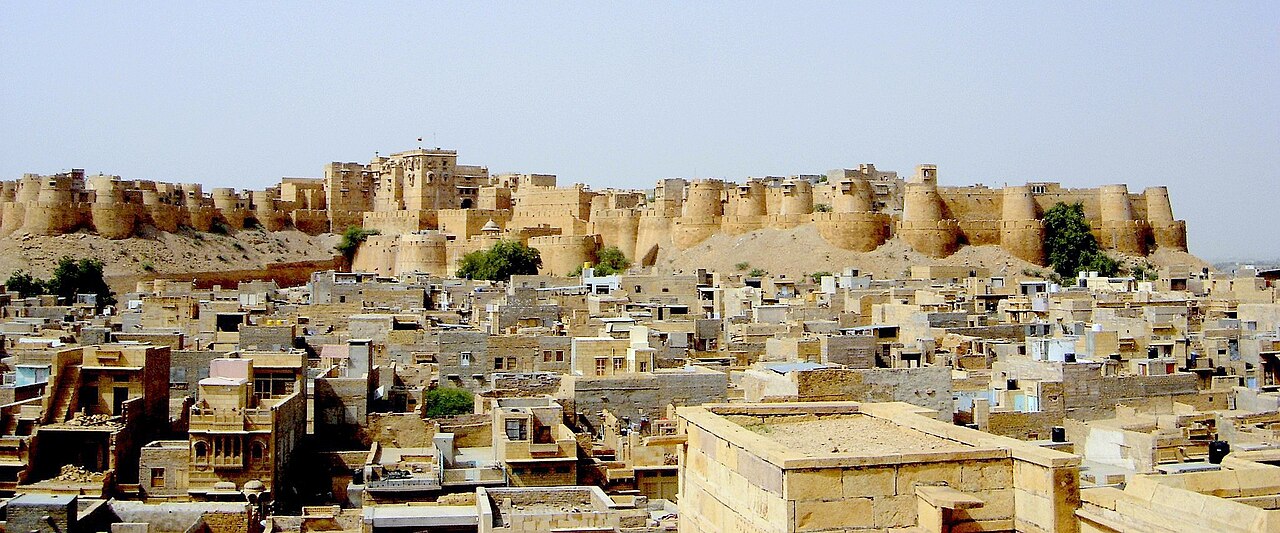
Jaisalmer Fort
Fort · 43 km · about 135 min by road
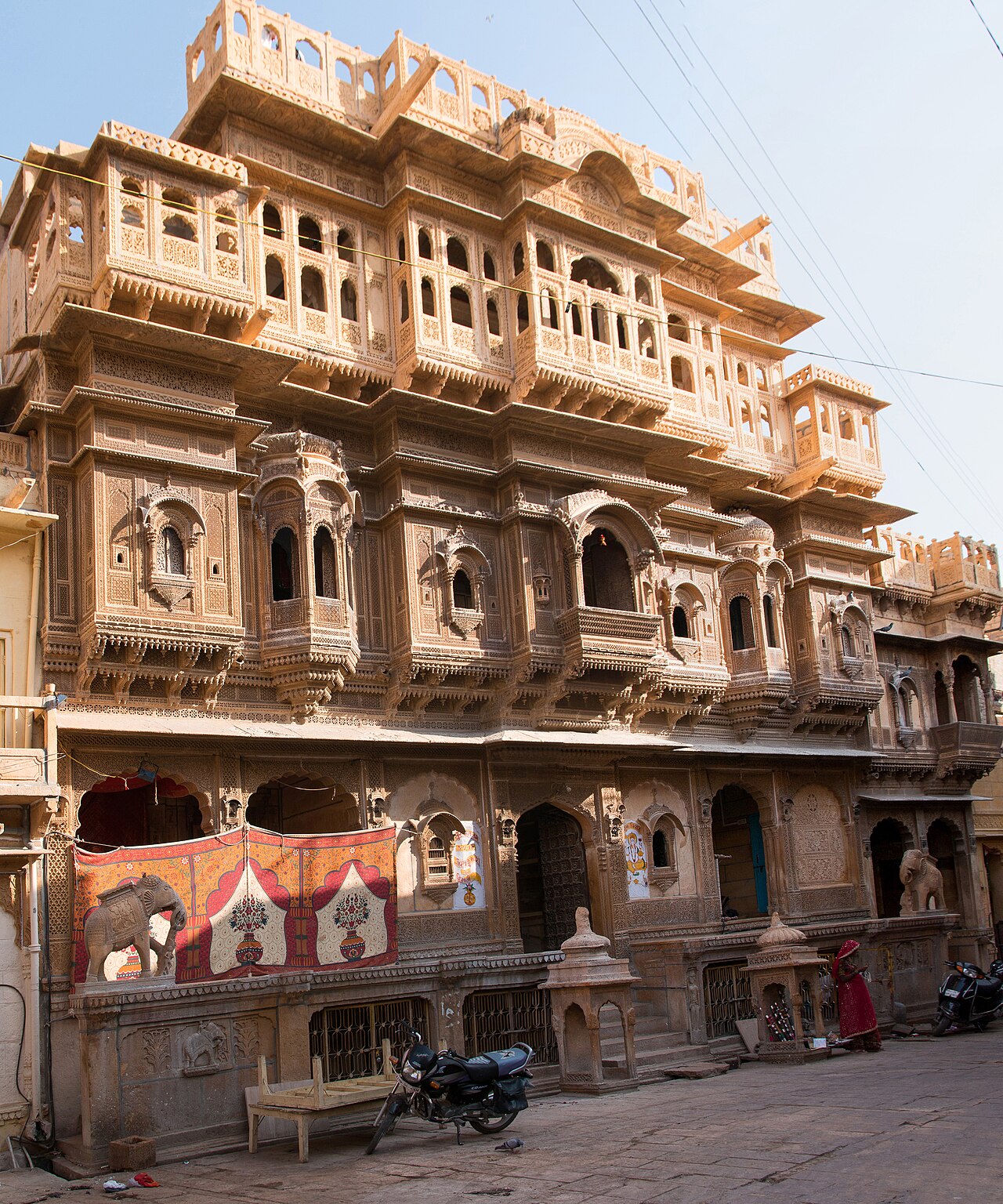 #8 in Jaisalmer
Nathmal Ki Haveli
Palace · 44 km · about 135 min by road