
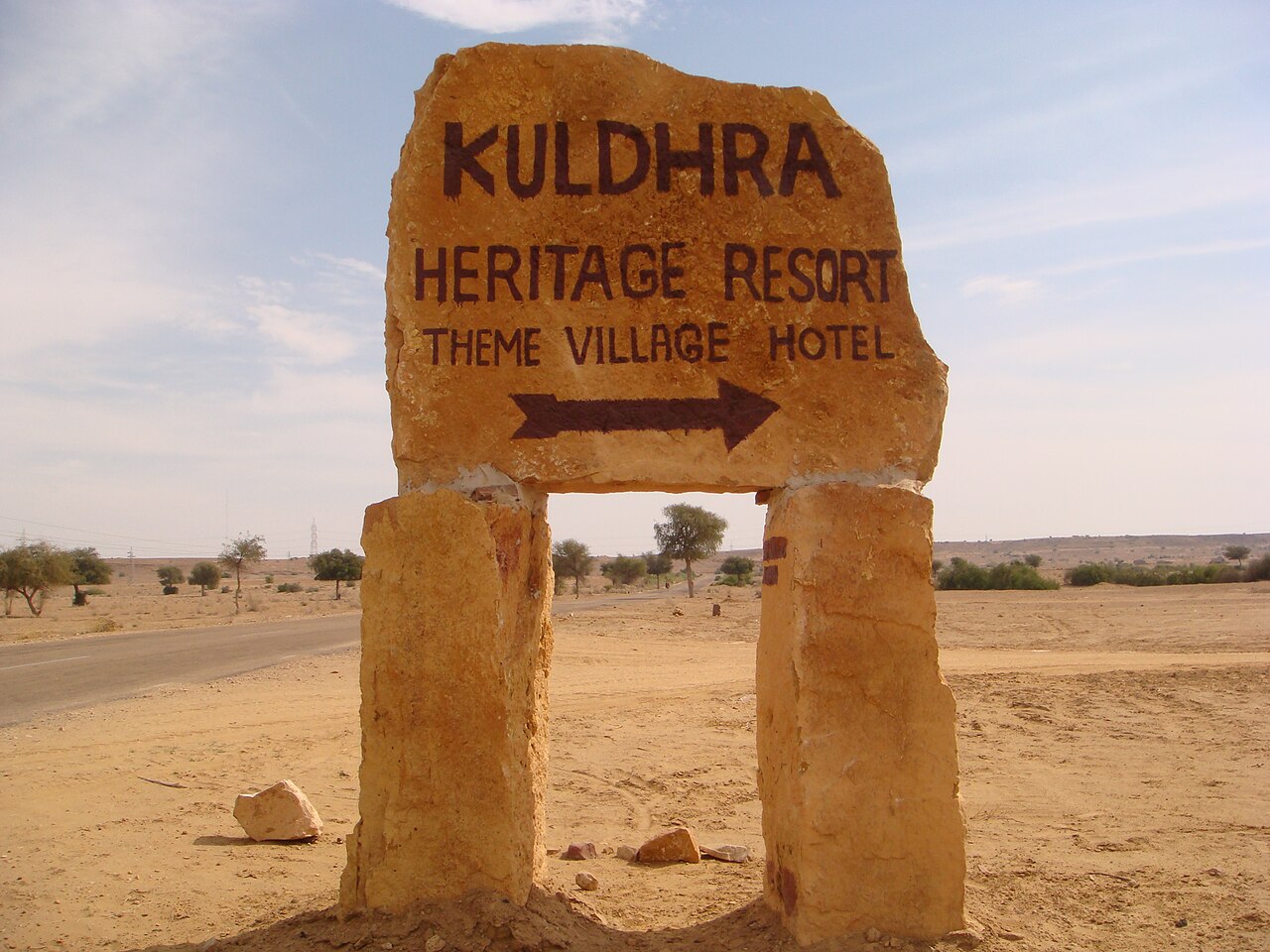
Kuldhara Abandoned Village
#5of 10 places to visit in JaisalmerJaisalmer, Rajasthan
Also known as Kuldhara Village · Kuldhara Ki Dhani
Quick answer
Opening hours: 08:00–18:00. Entry: ₹20 Indian · ₹100 foreign. Allow 1 hr. Best time: 16:00 – 18:00.
Updated · Compiled by Traveliac, AI-assisted · 5 min read
- Opening hours
- 08:00–18:00
- Entry fee
- ₹20 Indian
- Ticket from
- Time needed
- 1 hr
- Best time of day
- 16:00 – 18:00
- Best months
- Oct – Mar
- Address
- Kuldhara, Jaisalmer district, Rajasthan 345001, approximately 18 km southwest of Jaisalmer city
About Kuldhara Abandoned Village
Kuldhara is a ruined Paliwal Brahmin settlement roughly 18 km southwest of Jaisalmer, its roofless sandstone house walls, collapsed lanes, and a small restored temple laid out across a compact grid that once held, by most local accounts, several hundred families. The village was abandoned, according to enduring local legend, in a single night around 1825, and that abruptness — combined with a folk curse said to prevent anyone from ever resettling the site — has made Kuldhara the closest thing Jaisalmer district has to organised ghost-town tourism, complete with paranormal-investigation reputation, night-visit restrictions, and a gift shop.
Best time of day: 16:00 – 18:00. When low sun rakes across the ruined house walls and empty lanes, giving the abandoned settlement its most atmospheric appearance without the harsher, flatter light of midday.
Kuldhara Abandoned Village timings
Kuldhara Abandoned Village opens at 08:00 and closes at 18:00. It keeps the same hours on Saturday and Sunday.
- Opening hours
- 08:00–18:00
Mon–Sun 08:00–18:00 - Closed on
- Open every day
Opening hours compiled from rajasthantourism.gov.in and public records, last updated . They change without notice — confirm before you travel. How we write these guides
Kuldhara Abandoned Village ticket price
| Ticket | Price |
|---|---|
| Indian visitors | ₹20 |
| Foreign visitors | ₹100 |
| Children | Free |
| Camera | Free |
Entry fee collected at a Rajasthan Department of Archaeology kiosk near the site entrance. The village is ASI/state-protected, and organised excavation or removal of any object, brick, or carved stone fragment is strictly prohibited and enforced.
Prices compiled from rajasthantourism.gov.in and public records, last updated . They change without notice — confirm before you travel. How we write these guides
Best time to visit Kuldhara Abandoned Village
- Quiet
- Moderate
08:00 – 11:00
Morning QuietBest time to go
Cooler temperatures and few other visitors; good for unhurried exploration of the full site layout.
Quiet11:00 – 15:00
Midday Heat
Harsh sun and heat discourage lingering; visitor numbers stay low, though shade is limited across the open ruins.
Quiet15:00 – 17:00
Afternoon Circuit
Day-trippers combining Kuldhara with Bada Bagh and Khaba Fort arrive in the more comfortable late-afternoon window.
Moderate17:00 – 18:00
Closing Hour
Best light for atmospheric photography of the ruins; site closes promptly at 18:00, so plan arrival with enough buffer to see the full grounds.
Moderate
History of Kuldhara Abandoned Village
The Paliwal Brahmins were a prosperous agrarian and merchant community who had settled across roughly 80 to 84 villages in the Jaisalmer region, developing sophisticated water-harvesting and irrigation techniques suited to the arid Thar environment that allowed comparatively successful farming in an otherwise difficult landscape. Kuldhara was among the largest and most established of these settlements.
The most widely repeated local legend holds that the entire Paliwal population of Kuldhara and neighbouring villages fled overnight around 1825 to escape the oppressive demands of Salim Singh, the powerful and, per most local retellings, predatory prime minister of Jaisalmer state — variously described as having imposed crushing taxation on the prosperous Paliwal community or, in a more specific and frequently told version, having demanded the hand of the village headman's daughter in marriage under threat of violence. Rather than comply, the story goes, the villagers abandoned their homes en masse under cover of darkness, taking what they could carry and dispersing across Rajasthan and beyond, and as a final act pronounced a curse ensuring no one could ever successfully resettle the land.
Historians treat elements of this account with appropriate caution: mass abandonment of Paliwal settlements across the wider region appears to have occurred over a more extended period tied to a combination of factors including drought, declining agricultural viability, and genuine political and economic pressure from Jaisalmer's ruling establishment, rather than a single dramatic night-time exodus from one village alone. That said, the persistence and consistency of the Salim Singh narrative across independent oral traditions in multiple former Paliwal villages suggests a real historical grievance sits beneath the folklore, even if the precise cinematic version — one village, one night — has been compressed and dramatised over two centuries of retelling.
Rules & etiquette at Kuldhara Abandoned Village
The site closes at 18:00 and night entry is officially prohibited, a rule enforced more strictly here than at most Jaisalmer-area sites because of the volume of amateur paranormal-investigation traffic the curse legend attracts; do not attempt to negotiate entry after hours with site staff, and be wary of unofficial 'night ghost tour' offers from local touts, which are neither authorised nor safe given the uneven, rubble-strewn terrain in darkness.
Removing bricks, carved fragments, or any object from the ruins is prohibited and monitored — Kuldhara is a protected heritage site, not an open ruin free for informal souveniring, and past reports of tourists pocketing fragments have led to tightened bag checks at the exit. Structural stability varies significantly between buildings; some walls are genuinely unstable and climbing on partially collapsed sections is inadvisable regardless of what a confident-looking Instagram photo from another visitor might suggest.
Tips for visiting Kuldhara Abandoned Village
- 1
Treat the paranormal reputation as the hook that gets people through the gate rather than the reason to actually go — the more durable interest here is architectural and social: the compact grid layout, the surviving outlines of individual family homes, and a restored temple give a genuinely rare, tangible sense of a complete, self-contained pre-colonial rural settlement, which is much harder to find intact elsewhere in Rajasthan where most villages of this age remain continuously inhabited and therefore continuously rebuilt over themselves.
- 2
Combine Kuldhara with nearby Khaba Fort, roughly a further 5–6 km away, which has a small folk museum specifically dedicated to Paliwal Brahmin history and material culture — visiting Khaba Fort first, before Kuldhara, gives useful context that makes the ruins considerably more legible than arriving cold.
- 3
Guides at the entrance, official and unofficial, tend to foreground the curse and ghost-story angle heavily since it's what most visitors ask about; if architectural or social history interests you more, say so explicitly and ask for a guide who can speak to the Paliwal water-management systems and settlement patterns, since several are knowledgeable on this if prompted rather than simply given the default tourist script.
How to reach Kuldhara Abandoned Village
The red star is Kuldhara Abandoned Village; the numbered pins are the 6 nearest places in our guides, each showing its rank in its city. Tap a pin for details.
Kuldhara, Jaisalmer district, Rajasthan 345001, approximately 18 km southwest of Jaisalmer cityDirections in Google Maps
From Jaisalmer Fort (main gate)
₹500–₹80018 km · 25–35 min
Taxi round-trip, negotiated); often combined with Bada Bagh and Khaba Fort in a single half-day hire for ₹1,200–₹1,800.
From Jaisalmer Railway Station
₹600–₹90020 km · 30–40 min
Taxi, one-way, negotiated).
From Jaisalmer Airport (JSA)
₹700–₹1,00025 km · 35–45 min
Prepaid taxi).
Nearest airport
From Jaisalmer Airport (JSA)
approximately 25 km, 35–45 minutes by road. Flights are seasonal and limited.
Nearest railway station
From Jaisalmer Railway Station
approximately 20 km, 30–40 minutes by road.
Kuldhara Abandoned Village FAQs
Why was Kuldhara abandoned?
Local legend holds that the Paliwal Brahmin residents fled overnight around 1825 to escape the oppressive demands of Salim Singh, Jaisalmer's powerful prime minister, and cursed the land so it could never be resettled. Historians note the broader abandonment of Paliwal villages in the region likely unfolded over a longer period due to drought, economic pressure, and political friction, though the consistency of the Salim Singh story across oral traditions suggests a real grievance underlies the legend.
Is Kuldhara actually haunted, and can you visit at night?
The site has a strong local reputation for paranormal activity and has featured in ghost-hunting shows, but night entry is officially prohibited and enforced by site staff. Unofficial 'night tour' offers from touts are not authorised and are inadvisable given the uneven, rubble-strewn terrain in darkness.
How far is Kuldhara from Jaisalmer and what else is nearby?
Kuldhara is about 18 km southwest of Jaisalmer city, roughly 25–35 minutes by road. It combines well with Bada Bagh cenotaphs and Khaba Fort, which has a museum on Paliwal Brahmin history, in a single half-day loop.
Can visitors take stones or artifacts from the Kuldhara ruins?
No. Kuldhara is a protected heritage site under the Rajasthan Department of Archaeology, and removing bricks, carved fragments, or any object from the ruins is prohibited and actively monitored, with bag checks at the exit.
Compiled with AI assistance from official sources and public records, and published only after the checks in How we write these guides. Nobody from Traveliac has visited this place. Last updated . How we rank and check places
Places to visit near Kuldhara Abandoned Village
Straight-line distances from our map; times are estimates.
 #1 in Jaisalmer
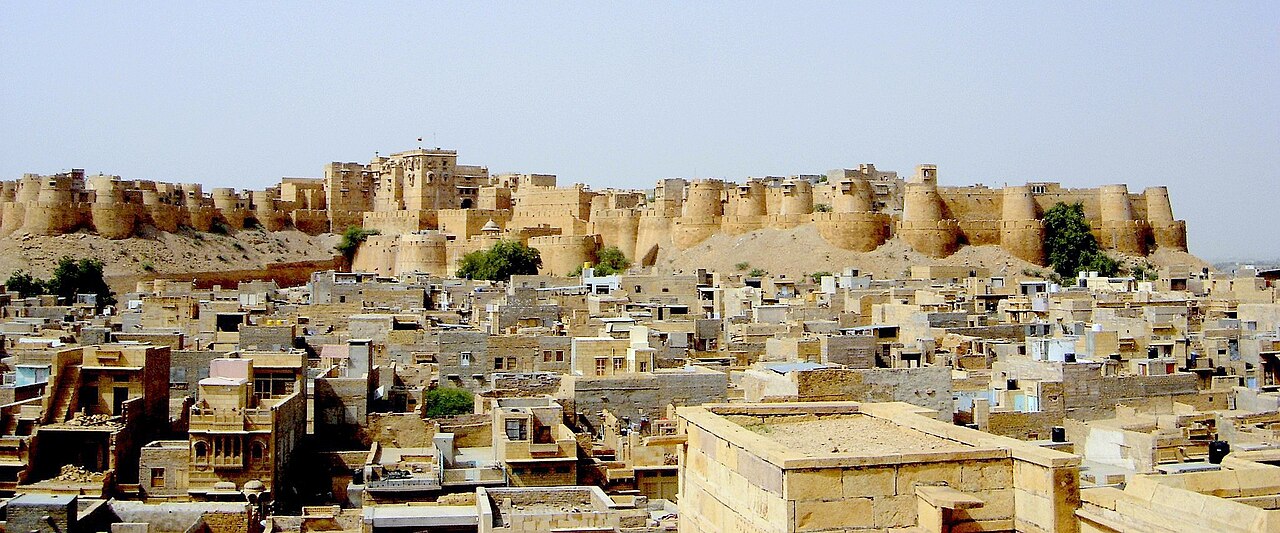
Jaisalmer Fort
Fort · 14 km · about 40 min by road
 #8 in Jaisalmer
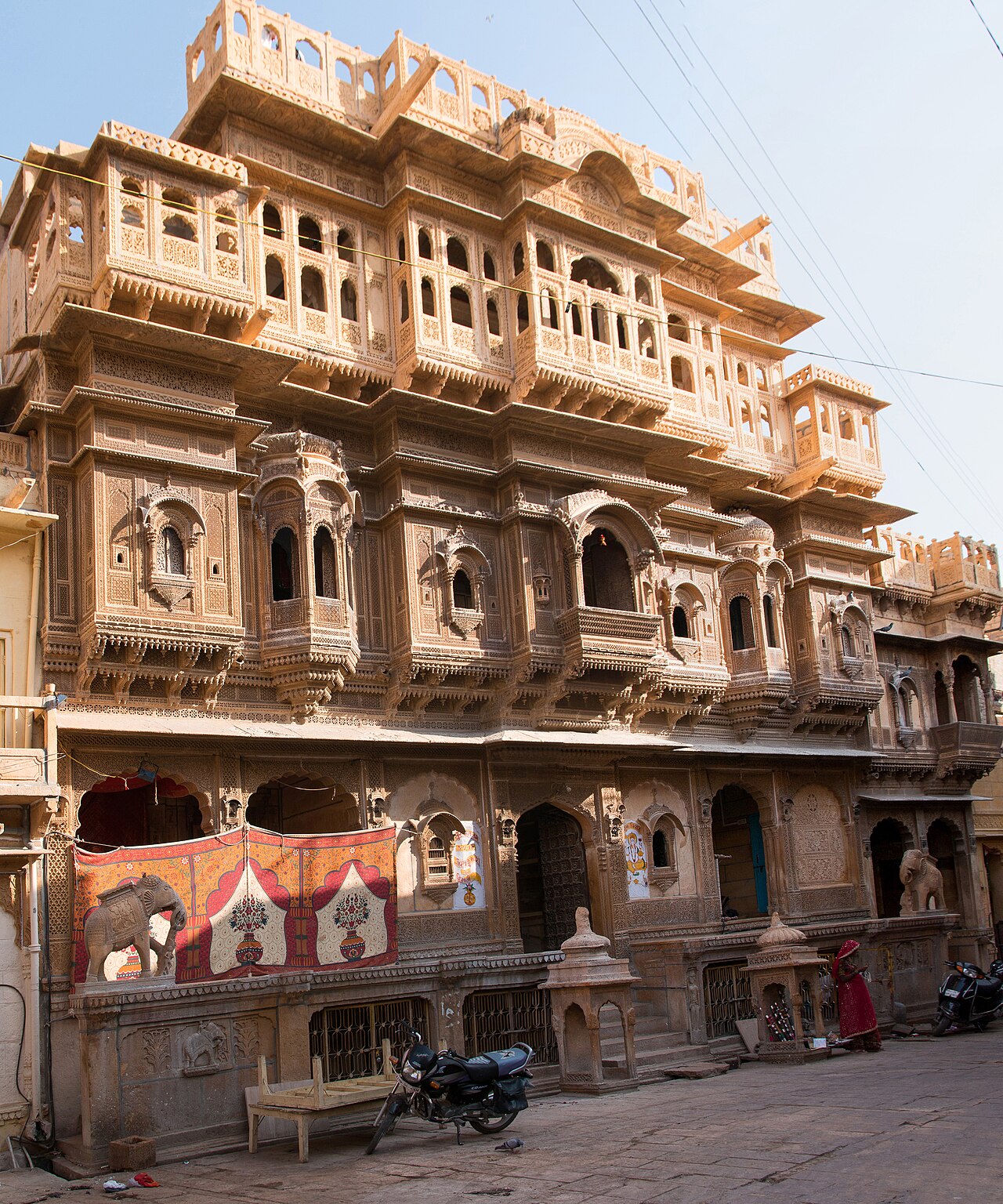
Nathmal Ki Haveli
Palace · 14 km · about 45 min by road
 #6 in Jaisalmer
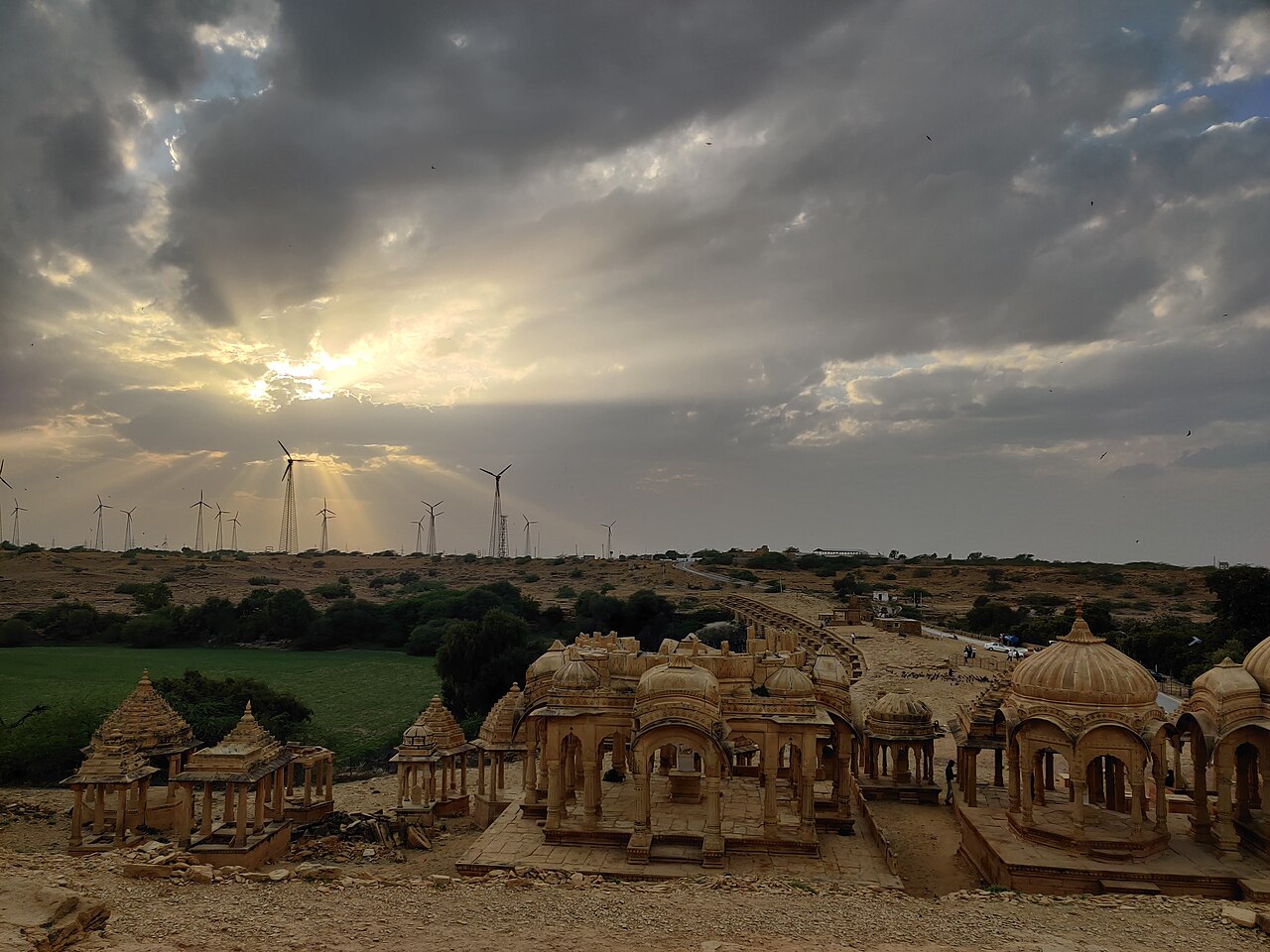
Bada Bagh
Garden · 14 km · about 45 min by road
 #2 in Jaisalmer
Patwon Ki Haveli
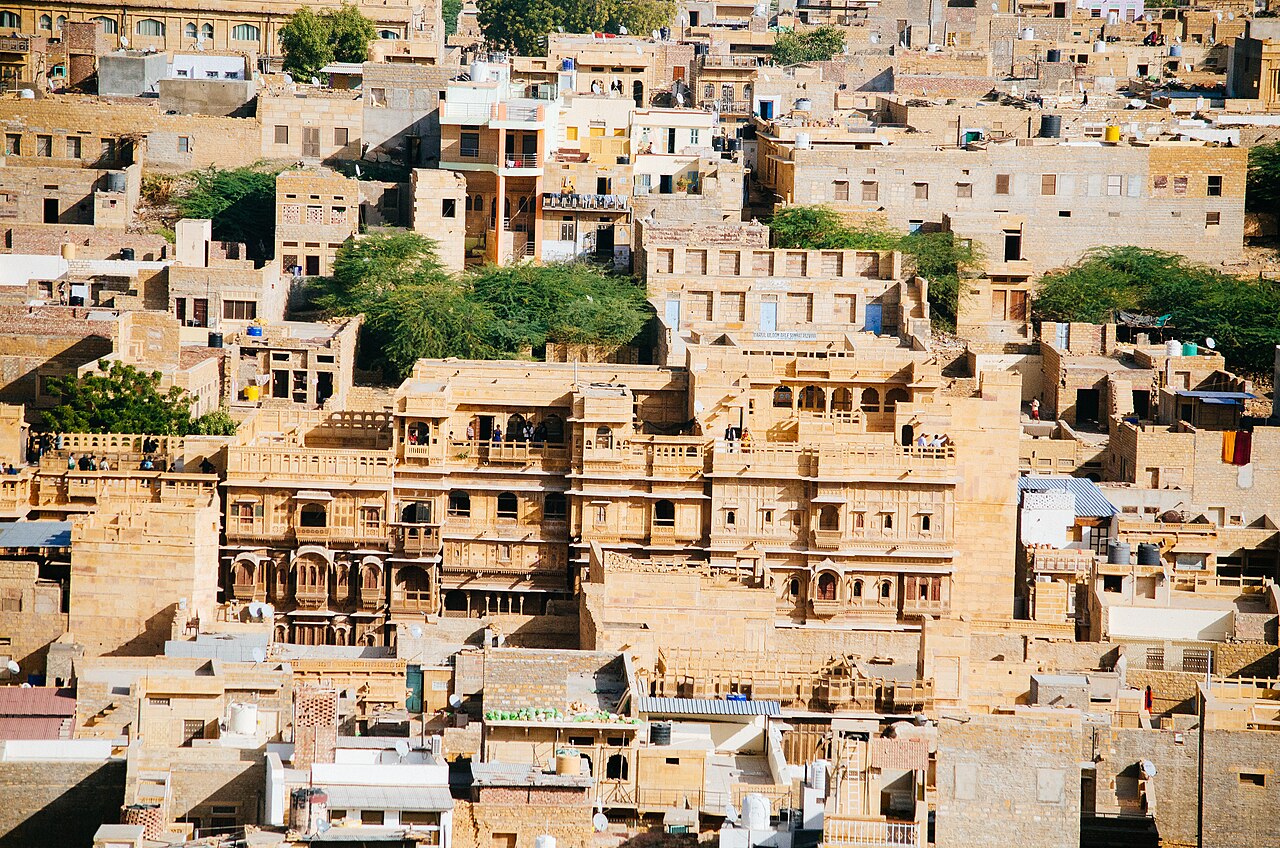
Palace · 14 km · about 45 min by road