
Chamunda Mata Temple
#8of 9 places to visit in JodhpurJodhpur, Rajasthan
Also known as Chamunda Devi Temple, Mehrangarh
Quick answer
Opening hours: 05:00–21:00. Entry is free. Allow 45 min. Best time: 17:30 – 19:00.
Updated · Compiled by Traveliac, AI-assisted · 6 min read
- Opening hours
- 05:00–21:00
- 05:00 – 21:00 daily as a working temple, though visitor footfall concentrates in the two hours before sunset for the viewpoint.
- Entry fee
- Free
- Time needed
- 45 min
- Best time of day
- 17:30 – 19:00
- Best months
- Oct – Mar
- Address
- Southwestern bastion, Mehrangarh Fort grounds, Jodhpur, Rajasthan 342006
About Chamunda Mata Temple
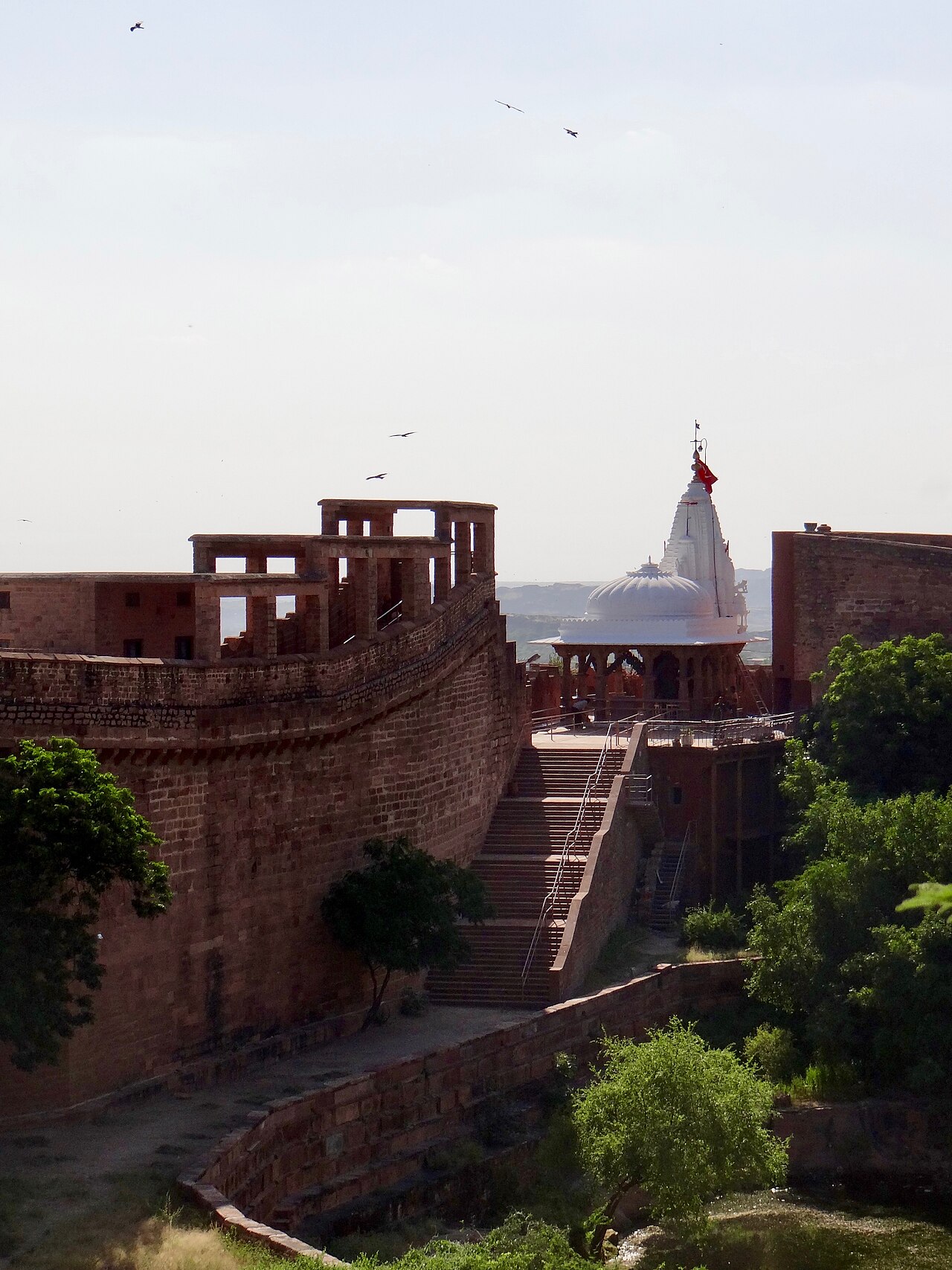
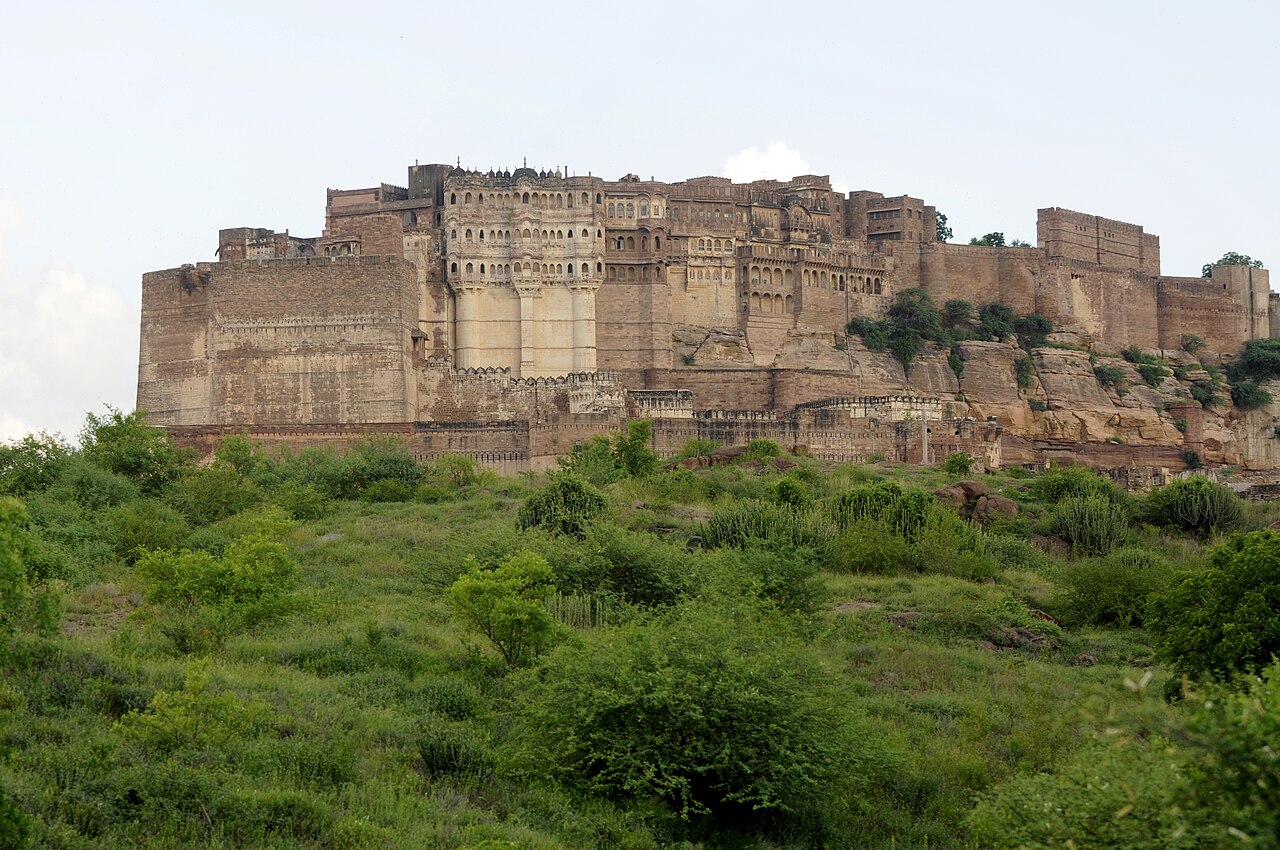
Chamunda Mata Temple occupies the far southwestern bastion of Mehrangarh, set apart from the museum's palace apartments by a walk along the outer ramparts that most fort visitors skip entirely, which is precisely what keeps its evening crowd thinner than the packed viewpoints closer to the main entrance. Rao Jodha installed the deity here in 1460, shortly after founding the fort, having brought the goddess's idol from the old capital at Mandore — Chamunda, a fierce form of Durga associated with protection and martial victory, became the presiding deity not just of the fort but of the ruling Rathore dynasty itself, a status the temple retains among Marwar's royal descendants today. The bastion's position gives it the single widest unobstructed view over the indigo-washed rooftops of the old city below, wider in practice than the equivalent vantage from the fort's northern ramparts, since the temple sits at a slightly greater elevation and looks directly down the slope toward the densest cluster of blue-painted Brahmin-quarter houses. The temple building itself is modest compared to the fort's grander palace structures — a functioning shrine rather than a showpiece — and its comparative plainness is part of what gives the site its distinct, unhurried atmosphere against the more theatrical architecture surrounding it.
Best time of day: 17:30 – 19:00. Adjusted seasonally around actual sunset time, when the bastion becomes Jodhpur's most reliable sunset viewpoint over the Blue City rooftops below.
Chamunda Mata Temple timings
Chamunda Mata Temple opens at 05:00 and closes at 21:00. The weekend is no different: Saturday and Sunday follow the same times.
- Opening hours
- 05:00–21:00
Mon–Sun 05:00–21:00 - 05:00 – 21:00 daily as a working temple, though visitor footfall concentrates in the two hours before sunset for the viewpoint.
- Closed on
- Open every day
Opening hours compiled from mehrangarh.org and public records, last updated . They change without notice — confirm before you travel. How we write these guides
Chamunda Mata Temple ticket price
| Ticket | Price |
|---|---|
| Indian visitors | Free |
| Foreign visitors | Free |
| Children | Free |
| Camera | Free |
Free to enter; the temple sits within Mehrangarh Fort's grounds and is accessible on the standard fort ticket, though it can also be reached via a separate outer approach road without paying the fort's own entry fee, since the bastion is technically outside the ticketed museum circuit. Photography is unrestricted outside the inner sanctum; devotees' offerings and a small donation box operate on a voluntary basis.
Prices compiled from mehrangarh.org and public records, last updated . They change without notice — confirm before you travel. How we write these guides
Best time to visit Chamunda Mata Temple
- Quiet
- Moderate
- Busy
05:00 – 09:00
Early Devotional HoursBest time to go
Local devotees visit for morning prayer before the fort's main museum circuit opens. Quiet, genuinely devotional atmosphere.
Quiet09:00 – 15:00
Daytime
Modest footfall from fort visitors who make the extra walk to the bastion; most day-tour visitors skip this stop in favour of the central palace apartments.
Quiet15:00 – 17:00
Late Afternoon
Visitors beginning to arrive ahead of sunset; a good window to explore the temple itself before the viewpoint fills.
Moderate17:30 – 19:00
Sunset Viewpoint Peak
The bastion's primary draw; photographers and visitors gather for the sunset view over the Blue City. Still notably less crowded than the fort's northern ramparts.
Busy
History of Chamunda Mata Temple
Rao Jodha's decision to bring the Chamunda idol from Mandore to the newly founded Mehrangarh in 1460, within a year of breaking ground on the fort itself, reflected the standard Rajput practice of transferring a dynasty's presiding or kuldevi (clan) deity to a new seat of power as an act of both religious continuity and political legitimacy — the goddess's protection was understood to transfer with her physical presence, reinforcing the new capital's claim to the old capital's spiritual authority. Chamunda, one of the fierce Matrika goddesses associated with the slaying of demons in Hindu mythology and closely linked to Durga and Kali, was a common choice of kuldevi among Rajput clans across the region, each with its own specific temple and lineage of worship.
The temple has remained an active site of Rathore royal devotion across the subsequent five and a half centuries, with successive Marwar rulers maintaining and periodically renovating the shrine even as the fort around it evolved from a purely military structure into the elaborate palace complex visible today. Its continued function as a working temple, rather than a purely historical monument, distinguishes it from most of the rest of Mehrangarh's ticketed museum circuit, which — while containing artefacts of genuine religious significance such as the palanquins and armoury — no longer serves an active devotional purpose.
A significant tragedy struck the temple in 2008, when a stampede during the annual Navratri festival, triggered by rumours of a structural collapse amid a dense crowd of pilgrims, resulted in over 200 deaths on the approach steps leading to the shrine — one of the worst crowd-crush disasters at an Indian religious site in that decade. The tragedy prompted a significant overhaul of crowd management protocols during festival periods, including capacity limits and staggered entry, still enforced today during Navratri.
Rules & etiquette at Chamunda Mata Temple
As a working temple rather than a purely historical site, standard Hindu temple etiquette applies: shoes are removed before entering the inner shrine area, modest dress is expected, and photography inside the inner sanctum itself is generally discouraged out of respect for worshippers, even though it is not formally policed with the same rigour as at Amber Fort's Shila Devi Temple in Jaipur. The outer bastion and viewpoint area, by contrast, allow unrestricted photography.
During Navratri, the nine-night festival honouring the goddess, the temple sees dramatically increased footfall from devotees across the region, and crowd management measures — including capacity limits and staggered entry queues — are enforced following the 2008 stampede tragedy. Visitors intending a casual sightseeing visit during this specific festival window should expect significant queues and a different, far more devotional atmosphere than an ordinary day's visit.
The walk from the main museum circuit to the bastion follows the outer fort ramparts and is not always clearly signposted from within the palace apartments; asking fort staff for directions to "Chamunda Devi" specifically, rather than assuming it is included in the standard palace walking route, is the more reliable way to find it without doubling back.
Tips for visiting Chamunda Mata Temple
- 1
Timing the walk to the bastion for roughly 45 minutes before actual sunset allows enough time to settle in before the viewpoint fills for the day's best light, and gives a buffer for the walk itself, which takes 10–15 minutes from the main museum exit at a relaxed pace along the outer ramparts. Because this spot draws less concentrated tourist traffic than the northern ramparts near the Sheesh Mahal, it tends to offer a calmer, more contemplative sunset experience despite being one of the best views in the city.
- 2
Devotees visiting for genuine worship rather than sightseeing are a constant presence even outside festival periods, and treating the space with the same quiet respect due any active temple — rather than purely as a photo backdrop — is both the appropriate approach and, in practice, the one that yields better photographs, since a hurried or intrusive manner tends to draw pointed looks from both worshippers and temple staff.
- 3
Pairing this stop with the tail end of a Mehrangarh Fort visit is the natural sequence, since it sits within the fort grounds and requires no separate ticket beyond standard fort entry — arriving at the museum in the late afternoon specifically to end the visit here, rather than starting with it, makes efficient use of the day's light and avoids doubling back across the fort later.
How to reach Chamunda Mata Temple
The red star is Chamunda Mata Temple; the numbered pins are the 8 nearest places in our guides, each showing its rank in its city. Tap a pin for details.
Southwestern bastion, Mehrangarh Fort grounds, Jodhpur, Rajasthan 342006Directions in Google Maps
From Jodhpur Airport (JDH)
₹200–₹3006 km · 20 min
Prepaid cab or app-based) to Mehrangarh's main gate, then a 10–15 minute walk within the fort.
From Jodhpur Junction (JU)
₹120–₹1803.5 km · 12–15 min
Auto, negotiated) to the fort gate.
From Mehrangarh Museum Entrance
0.6 km · 10–15 min walk
Included in standard fort entry; reached on foot along the outer ramparts.
Nearest airport
From Jodhpur Airport (JDH)
6 km, approximately 20 minutes.
Nearest railway station
From Jodhpur Junction (JU)
3.5 km, approximately 12–15 minutes.
Chamunda Mata Temple FAQs
Do I need a separate ticket to visit Chamunda Mata Temple?
No separate ticket is required if entering via Mehrangarh Fort's grounds; standard fort entry covers access. The bastion can technically also be approached from an outer road without paying fort entry, since it sits outside the ticketed museum circuit, though most visitors reach it via the fort itself.
Why is Chamunda Mata significant to the Rathore dynasty?
Rao Jodha installed the Chamunda idol at the newly built Mehrangarh in 1460, transferring it from the old capital at Mandore. Chamunda became the presiding kuldevi (clan deity) of the Rathore dynasty, a status the temple retains among Marwar's royal descendants today.
What happened at the temple in 2008?
A stampede during the Navratri festival, triggered by rumours of structural collapse amid a dense pilgrim crowd, killed over 200 people on the approach steps. The tragedy led to significant crowd management reforms, including capacity limits and staggered entry, still enforced during festival periods today.
Is this the best sunset viewpoint in Jodhpur?
It is widely considered one of the best, offering arguably the widest unobstructed view over the Blue City's indigo rooftops from within Mehrangarh Fort's grounds, and it draws a noticeably thinner crowd than the fort's more central northern ramparts at the same hour.
Compiled with AI assistance from official sources and public records, and published only after the checks in How we write these guides. Nobody from Traveliac has visited this place. Last updated . How we rank and check places
Places to visit near Chamunda Mata Temple
Straight-line distances from our map; times are estimates.
 #1 in Jodhpur
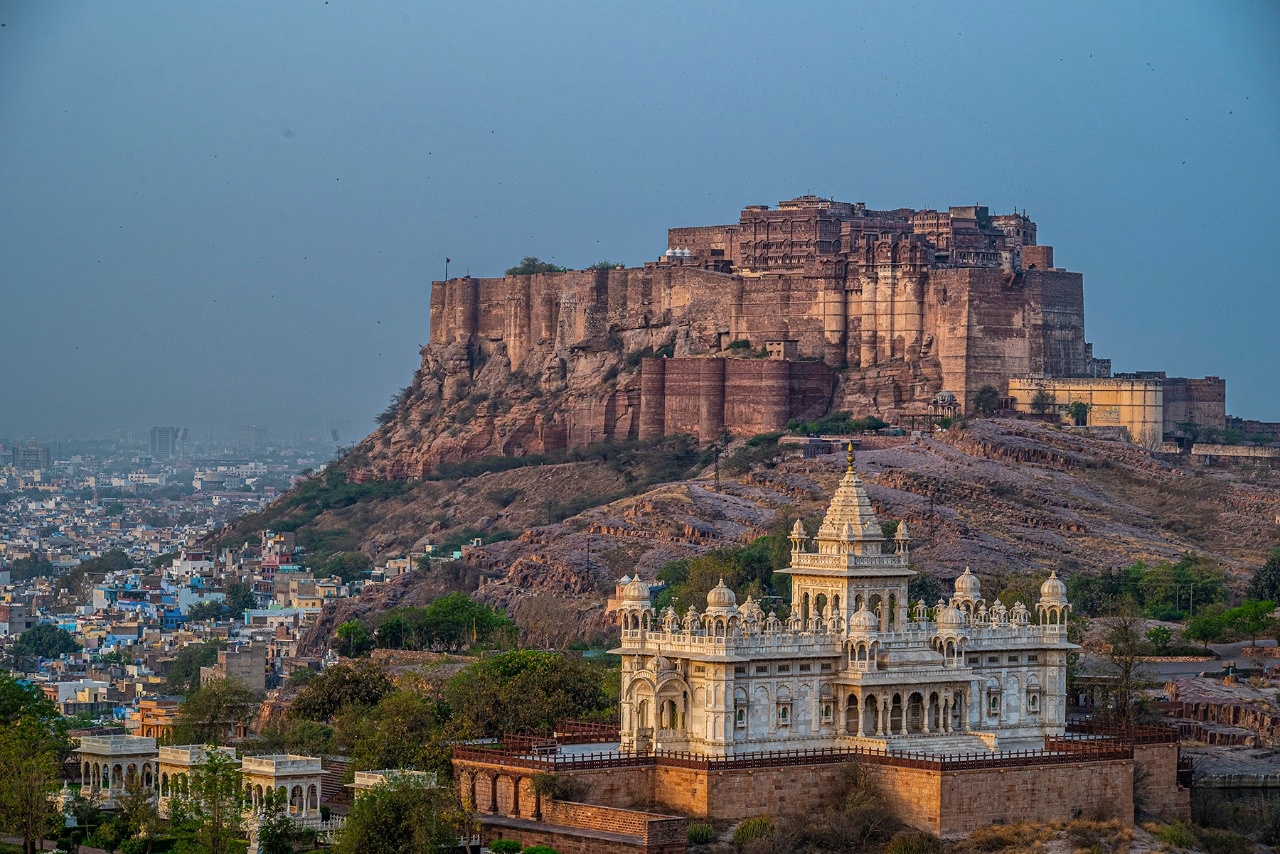
Mehrangarh Fort
Fort · 50 m · about 2 min walk
 #5 in JodhpurFree entry
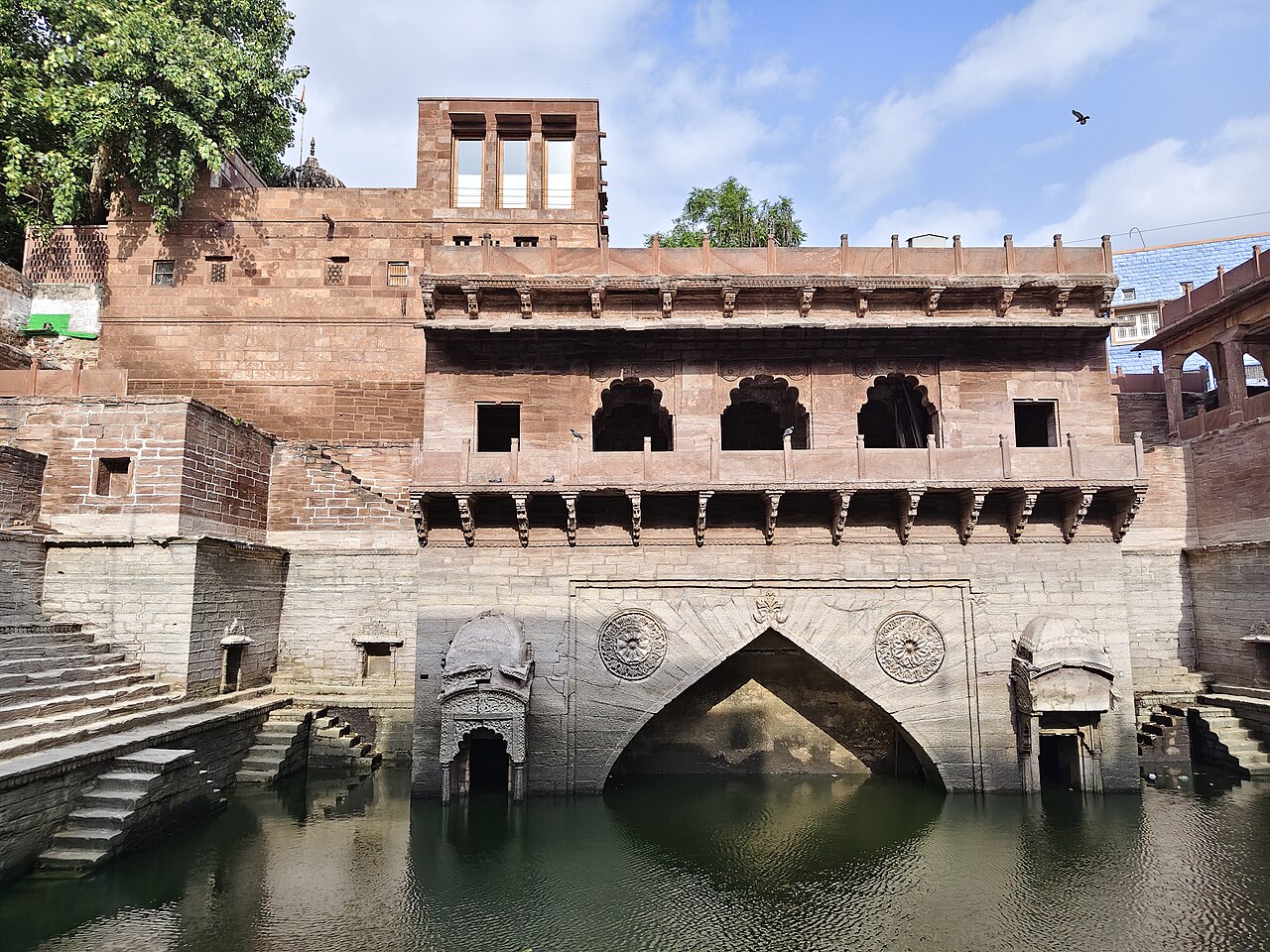
Toorji Ka Jhalra
Heritage · 450 m · about 7 min walk
 #4 in JodhpurFree entry
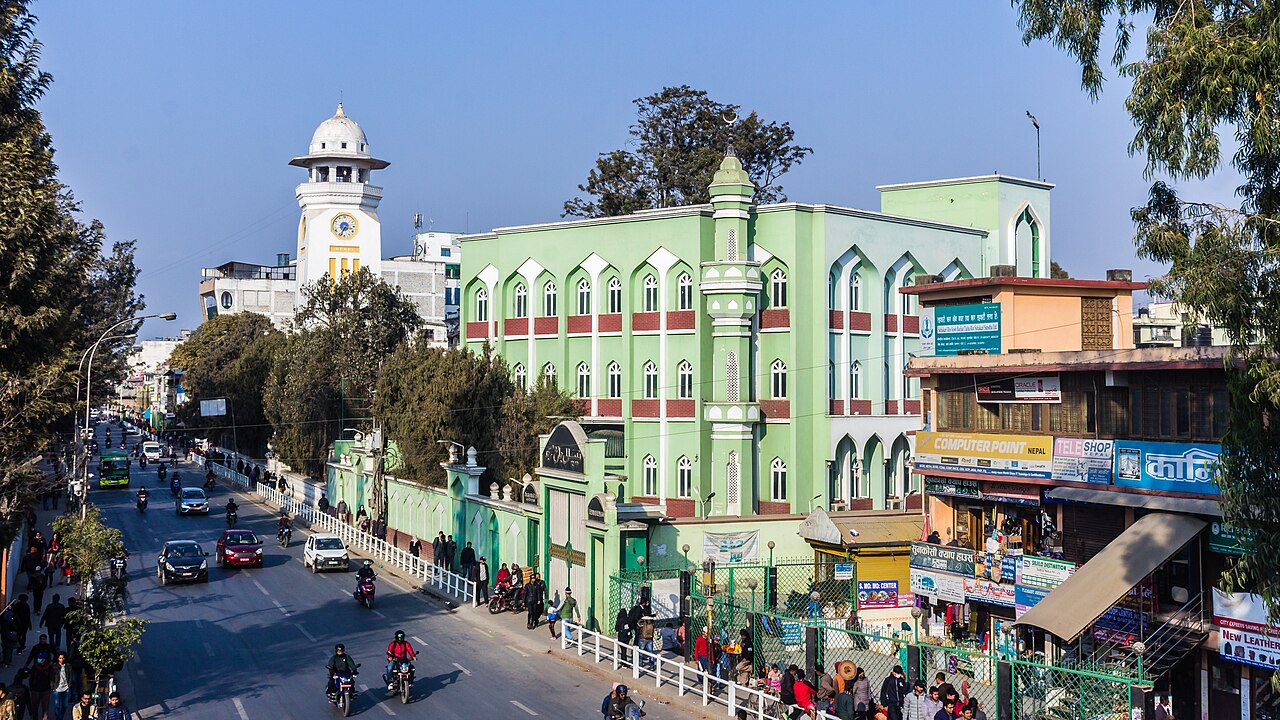
Ghanta Ghar Clock Tower & Sardar Market
Market · 600 m · about 10 min walk
 #7 in Jodhpur
Rao Jodha Desert Rock Park
Nature · 750 m · about 12 min walk