
Rao Jodha Desert Rock Park
#7of 9 places to visit in JodhpurJodhpur, Rajasthan
Also known as Rao Jodha Park
Quick answer
Opening hours: 07:00–18:00, last entry 17:00. Entry: ₹100 Indian · ₹200 foreign. Allow 1.5 hrs. Best time: 07:00 – 09:00.
Updated · Compiled by Traveliac, AI-assisted · 5 min read
- Opening hours
- 07:00–18:00
- 07:00 – 18:00 daily (last entry 17:00), with earlier opening at 06:30 during the cooler months of November–February for pre-sunrise walks.
- Entry fee
- ₹100 Indian
- Ticket from
- Time needed
- 1.5 hrs
- Best time of day
- 07:00 – 09:00
- Best months
- Oct – Mar
- Address
- Below Mehrangarh Fort, Fort Road, Jodhpur, Rajasthan 342006
About Rao Jodha Desert Rock Park
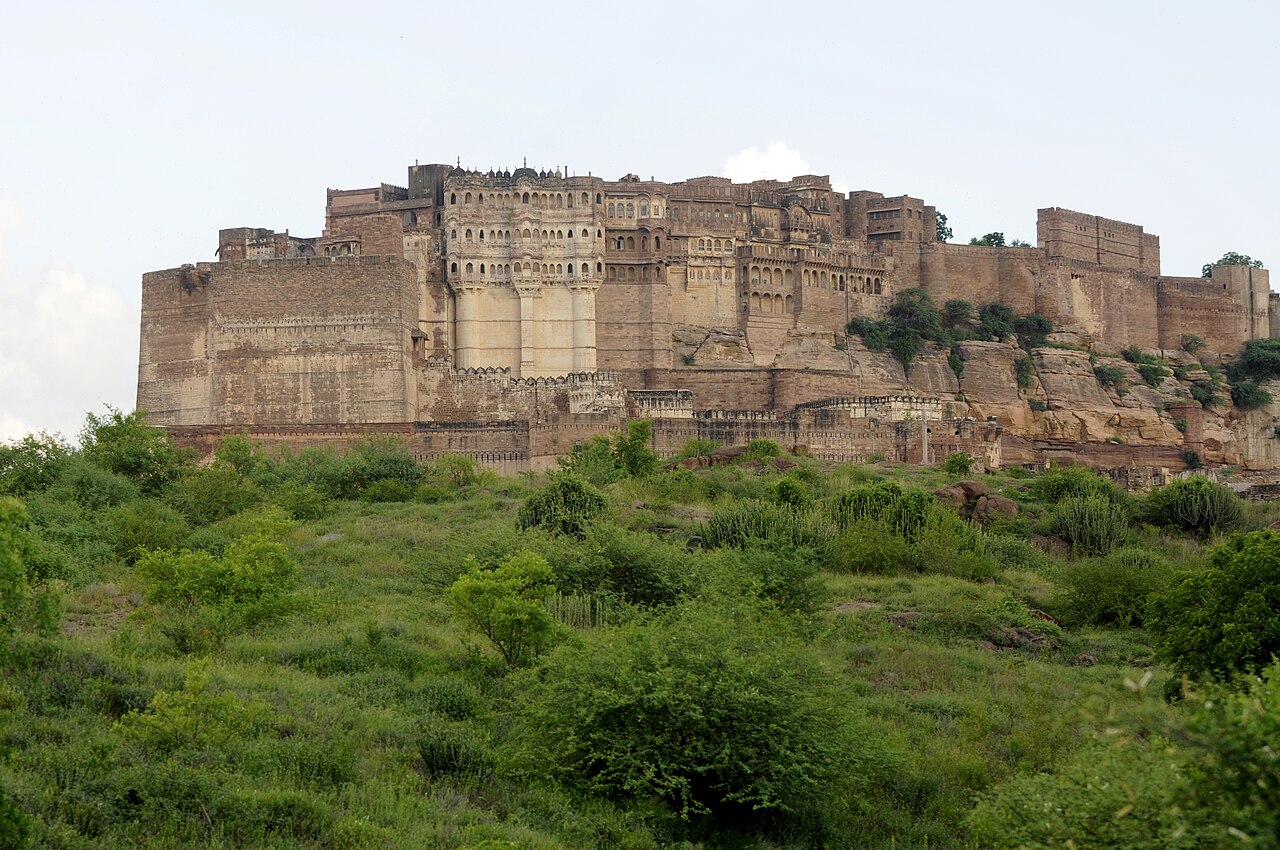
The 72-hectare park wrapping the base of Mehrangarh's rock outcrop is a restoration project rather than a natural preserve in the conventional sense — for decades the land had been colonised by Prosopis juliflora, an invasive thorny shrub introduced from the Americas that had crowded out the native desert flora and left the terrain around the fort barren and scrubby. Beginning in 2006, the Mehrangarh Museum Trust commissioned an ecological restoration that removed the invasive growth and reintroduced native Thar Desert species, turning the land into what is now marketed, with some justification, as one of India's few dedicated urban rock-and-scrub restoration parks. The terrain itself is geologically distinctive: the exposed rock is largely rhyolite, a volcanic stone roughly 750 million years old, weathered into a landscape of low ridges, boulders, and shallow depressions that the park's marked trails wind through at the base of the fort's sheer red sandstone ramparts above. Walking here gives a ground-level vantage on Mehrangarh rarely available from the fort itself — looking up at the ramparts from below, rather than looking down from them, and passing through the same native desert vegetation that would have surrounded the fort in Rao Jodha's era before centuries of settlement and, later, invasive scrub altered the immediate landscape.
Best time of day: 07:00 – 09:00. When temperatures are lowest, desert wildlife is most active, and the low sun brings out the texture of the volcanic rock formations; this is also the only realistic window for the walk in the April–June hot season.
Rao Jodha Desert Rock Park timings
Rao Jodha Desert Rock Park opens at 07:00 and closes at 18:00. The weekend is no different: Saturday and Sunday follow the same times.
- Opening hours
- 07:00–18:00
Mon–Sun 07:00–18:00 - 07:00 – 18:00 daily (last entry 17:00), with earlier opening at 06:30 during the cooler months of November–February for pre-sunrise walks.
- Closed on
- Open every day
Good to know: Guided walks are reduced during peak summer (May–June) due to extreme daytime heat; early morning slots are prioritised in that period.
Opening hours compiled from raojodhapark.org and public records, last updated . They change without notice — confirm before you travel. How we write these guides
Rao Jodha Desert Rock Park ticket price
| Ticket | Price |
|---|---|
| Indian visitors | ₹100 |
| Foreign visitors | ₹200 |
| Children | ₹50 |
| Camera | Free |
A guided walk is included in the standard entry ticket and departs at fixed times through the day; independent unguided walking is also permitted on the marked trails. Photography is free and unrestricted; drone use requires prior clearance given the park's proximity to Mehrangarh Fort's restricted airspace.
Prices compiled from raojodhapark.org and public records, last updated . They change without notice — confirm before you travel. How we write these guides
Best time to visit Rao Jodha Desert Rock Park
- Quiet
- Moderate
07:00 – 09:00
Cool MorningBest time to go
Coolest and most comfortable window; wildlife most active. Recommended time for guided walks, especially in summer months.
Quiet09:00 – 12:00
Late Morning
Visitors combining the park with a Mehrangarh Fort visit arrive in this window. Heat builds steadily; shade is minimal along most trails.
Moderate12:00 – 15:30
Midday Heat
Footfall drops sharply due to heat, particularly outside the winter season. Not recommended for walking April through June.
Quiet15:30 – 18:00
Late Afternoon
Temperatures ease and light softens for photography of the rock formations and fort ramparts above. Last entry 17:00.
Moderate
History of Rao Jodha Desert Rock Park
Prosopis juliflora, known locally as vilayati babool, was introduced to the Indian subcontinent during the colonial period as a fast-growing source of firewood and erosion control, and by the late 20th century had spread aggressively across large stretches of Rajasthan's semi-arid land, including the rocky ground immediately surrounding Mehrangarh Fort. Its dense, thorny growth suppressed native grasses and shrubs and, over decades, left the land around the fort visually degraded — a stark contrast to the monumental architecture above it.
The restoration project began in 2006 under the direction of the Mehrangarh Museum Trust, working with ecologists to identify and reintroduce species genuinely native to the Thar Desert ecosystem rather than simply re-greening the land with whatever would grow fastest. The process involved years of manual removal of the invasive Prosopis root systems — mechanical clearing alone tends to leave roots intact, allowing the shrub to regenerate — followed by staged planting of native grasses, succulents, and trees adapted to the region's low rainfall and rocky, thin soil.
The park opened to the public in stages through the 2010s and has since been cited internationally as a model for urban ecological restoration in arid environments, drawing conservation researchers as well as casual visitors. Its continued maintenance depends on active management of Prosopis regrowth, since the invasive species remains present in the surrounding region and requires ongoing suppression rather than a one-time clearance.
Rules & etiquette at Rao Jodha Desert Rock Park
The marked trails are the only sanctioned walking routes; leaving the path to climb the exposed rhyolite boulders is discouraged both for erosion-control reasons and because the volcanic rock surface can be unexpectedly loose or sharp-edged in places. Sturdy closed-toe shoes are strongly advised — sandals are technically permitted but make the uneven rock terrain considerably harder going, and the park's own guides will often comment on inappropriate footwear before a walk begins.
Water is not sold inside the park itself in any meaningful capacity, and given the exposed, largely shadeless terrain, carrying at least a litre per person is a genuine necessity rather than a suggestion, particularly for anyone visiting outside the coolest early-morning window. There is minimal shade along most of the trail network, and heat exposure risk is real during the April–June period even in the shortened early-morning slots the park schedules for that season.
Guided walks depart at fixed times and are included in the entry ticket; unguided independent walking is also allowed on the marked trails, but the guides' plant and geology identification adds considerably to the experience given how unfamiliar most native Thar species are to visitors used to more conventionally landscaped parks. Camera use is unrestricted and free, though drone flights require advance clearance owing to the park's direct adjacency to Mehrangarh Fort's restricted airspace above.
Tips for visiting Rao Jodha Desert Rock Park
- 1
Scheduling this for the first activity of the day, before Mehrangarh Fort itself opens or immediately after, makes efficient use of the cool morning hours and avoids the worst of the heat that builds by mid-morning across the exposed rock terrain. The park's proximity to the fort — sharing the same base of the outcrop — means it slots naturally into a single old-city morning alongside Mehrangarh and Jaswant Thada.
- 2
The native flora on display, including several succulent and drought-adapted species found almost nowhere else in cultivated form, is a genuine point of interest for anyone who has found Rajasthan's forts and palaces starting to blur together — this is one of the only sites in Jodhpur built around ecology rather than architecture or history, and the change of pace is worth the modest time investment.
- 3
The upward views of Mehrangarh's ramparts from within the park are distinct from any angle available inside the fort itself or from the city below, and photographers looking for a genuinely different composition of the fort — rather than the standard rampart-top or Blue City shot — will find the best options along the trail sections closest to the base of the fort wall.
How to reach Rao Jodha Desert Rock Park
The red star is Rao Jodha Desert Rock Park; the numbered pins are the 8 nearest places in our guides, each showing its rank in its city. Tap a pin for details.
Below Mehrangarh Fort, Fort Road, Jodhpur, Rajasthan 342006Directions in Google Maps
From Jodhpur Airport (JDH)
₹200–₹2806 km · 18–22 min
Prepaid cab or app-based).
From Jodhpur Junction (JU)
₹130–₹1903.5 km · 12–15 min
Auto, negotiated).
From Mehrangarh Fort
0.5 km · 5–10 min walk
Free on foot; the park entrance is a short walk from the fort's lower approach road.
Nearest airport
From Jodhpur Airport (JDH)
6 km, approximately 18–22 minutes.
Nearest railway station
From Jodhpur Junction (JU)
3.5 km, approximately 12–15 minutes.
Rao Jodha Desert Rock Park FAQs
Is Rao Jodha Desert Rock Park a natural forest or a restored area?
It is an ecological restoration project begun in 2006 by the Mehrangarh Museum Trust, which removed decades of invasive Prosopis juliflora scrub and reintroduced native Thar Desert flora across 72 hectares of rocky terrain at the base of the fort.
What should I wear or bring for the walk?
Sturdy closed-toe shoes are strongly advised given the uneven rhyolite rock terrain, and at least a litre of water per person is essential since the park sells minimal water on-site and most trails offer little to no shade.
Is the guided walk mandatory, and is it included in the ticket?
The guided walk is included in the standard entry ticket and departs at fixed times, but independent unguided walking on the marked trails is also permitted for those who prefer to explore at their own pace.
What is the best time to visit given Jodhpur's heat?
Early morning, 07:00 to 09:00, is best year-round and becomes essential during the April–June hot season, when the park schedules earlier opening hours specifically to accommodate safer, cooler walking conditions.
Compiled with AI assistance from official sources and public records, and published only after the checks in How we write these guides. Nobody from Traveliac has visited this place. Last updated . How we rank and check places
Places to visit near Rao Jodha Desert Rock Park
Straight-line distances from our map; times are estimates.
 #1 in Jodhpur
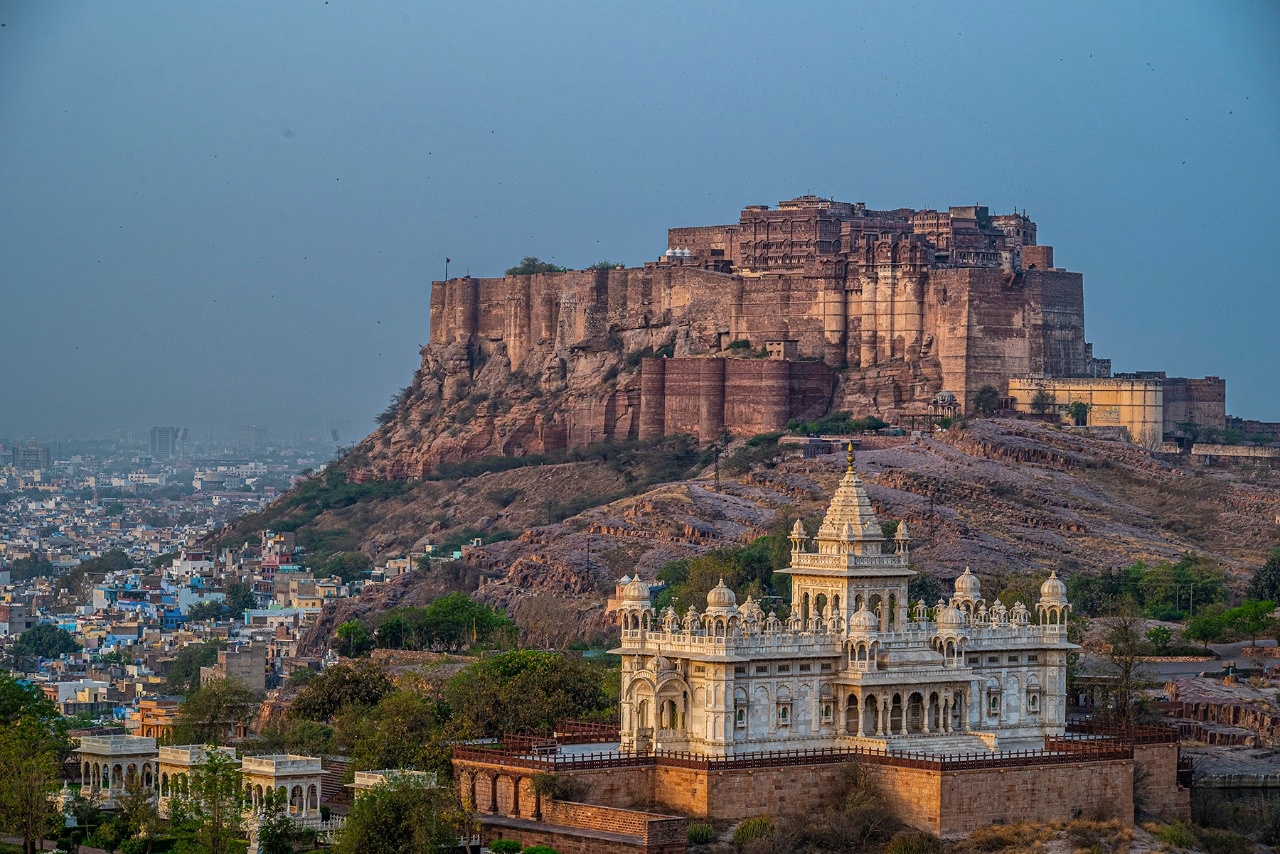
Mehrangarh Fort
Fort · 750 m · about 12 min walk
 #8 in JodhpurFree entry
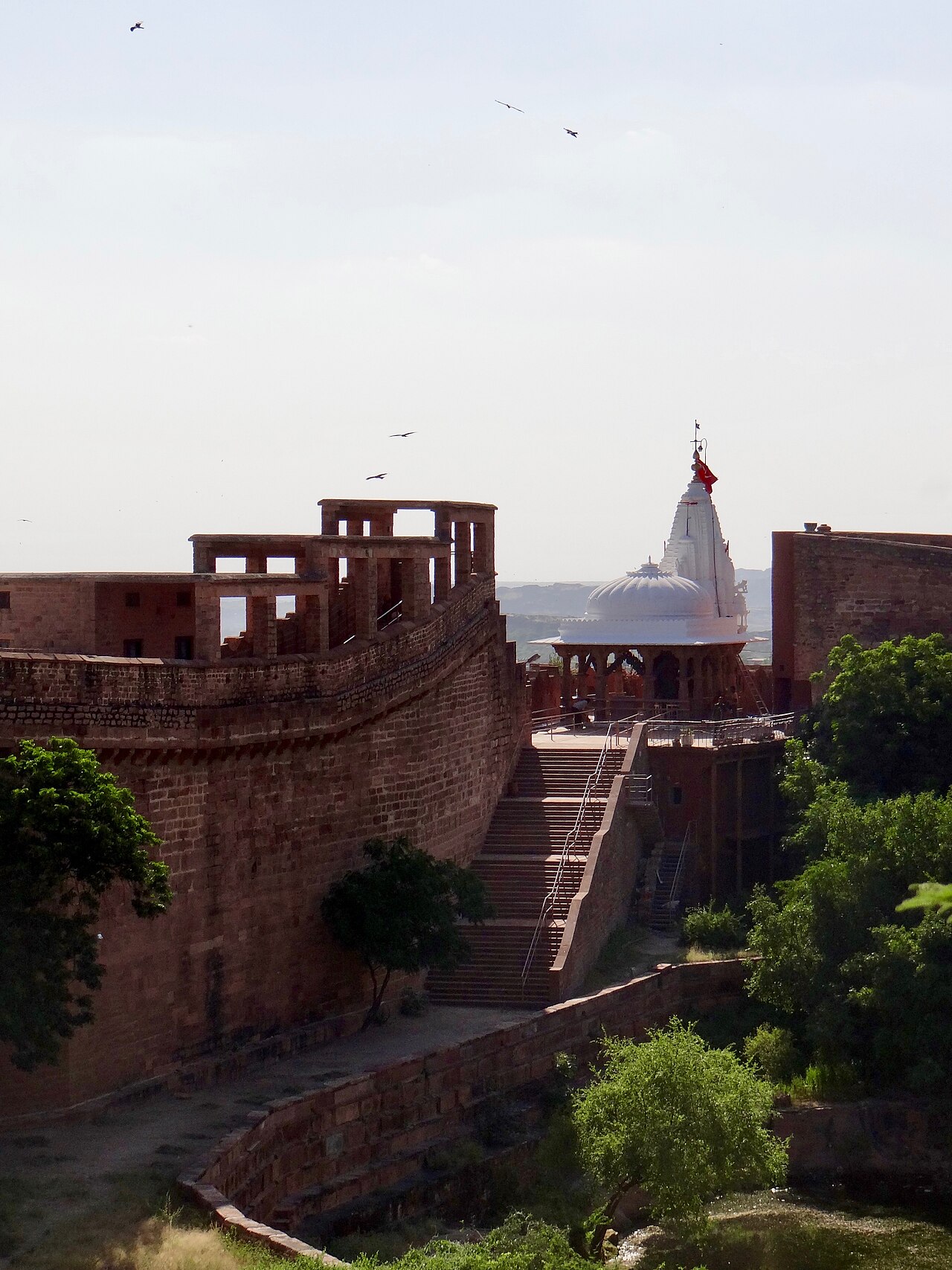
Chamunda Mata Temple
Temple · 750 m · about 12 min walk
 #2 in Jodhpur
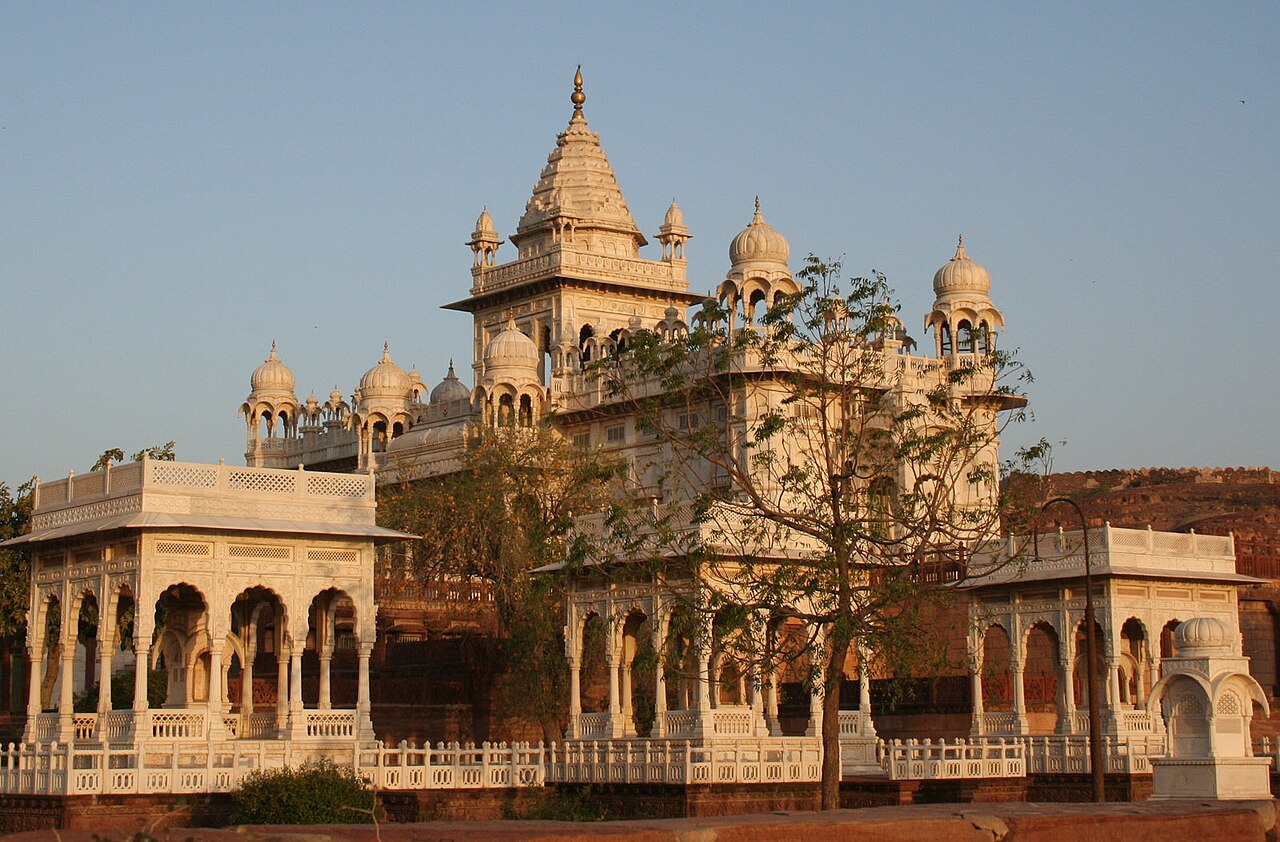
Jaswant Thada
Memorial · 850 m · about 14 min walk
 #5 in JodhpurFree entry
Toorji Ka Jhalra
Heritage · 1.0 km · about 17 min walk