
Jaswant Thada
#2of 9 places to visit in JodhpurJodhpur, Rajasthan
Also known as Taj Mahal of Marwar · Jaswant Thada Cenotaph
Quick answer
Opening hours: 09:00–17:00, last entry 16:30. Entry: ₹30 Indian · ₹50 foreign. Allow 1 hr. Best time: 09:00 – 10:30.
Updated · Compiled by Traveliac, AI-assisted · 5 min read
- Opening hours
- 09:00–17:00
- Entry fee
- ₹30 Indian
- Ticket from
- Time needed
- 1 hr
- Best time of day
- 09:00 – 10:30
- Best months
- Oct – Mar
- Address
- Near Mehrangarh Fort, Fort Road, Jodhpur, Rajasthan 342006
About Jaswant Thada
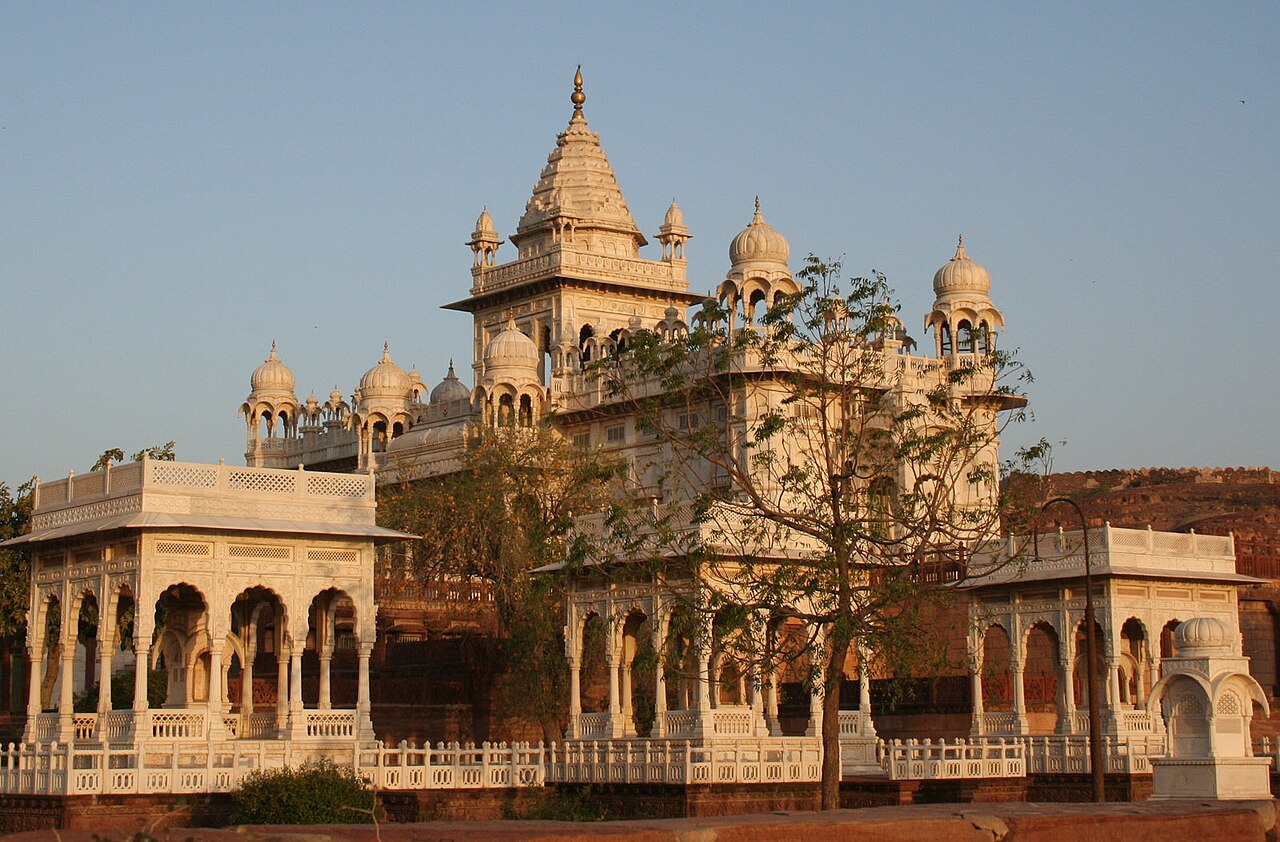
Jaswant Thada is built almost entirely from sheets of white Makrana marble cut thin enough that daylight passes through the outer walls and diffuses into a soft interior glow — a detail that separates it from every other Rajasthan cenotaph, most of which are carved from opaque red or buff sandstone. The main dome sits on a stepped plinth of the same marble, polished rather than left matte, so the structure appears to shift colour through the day: chalky white at midday, faintly amber at sunset, and near-luminous when a full moon is directly overhead. It commemorates Maharaja Jaswant Singh II, who ruled Marwar from 1873 to 1895, and was completed in 1899 under his son and successor, Maharaja Sardar Singh. Behind the principal cenotaph, a cluster of smaller marble and sandstone chhatris marks the cremation sites of several generations of Marwar royalty who came after Jaswant Singh II, giving the complex the feel of a family necropolis rather than a single monument. A small artificial lake sits below the terrace, and its still surface throws back a mirror image of the dome on windless mornings that is, by some margin, the most photographed single frame in Jodhpur outside the fort itself.
Best time of day: 09:00 – 10:30. When the marble takes on a soft ivory tone in low-angle light and before the walkway down from Mehrangarh's ticket queue channels the day's second wave of visitors here around midday.
Jaswant Thada timings
Jaswant Thada opens at 09:00 and closes at 17:00. It keeps the same hours on Saturday and Sunday.
- Opening hours
- 09:00–17:00
Mon–Sun 09:00–17:00 - Closed on
- Open every day
Opening hours compiled from mehrangarh.org and public records, last updated . They change without notice — confirm before you travel. How we write these guides
Jaswant Thada ticket price
| Ticket | Price |
|---|---|
| Indian visitors | ₹30 |
| Foreign visitors | ₹50 |
| Children | Free |
| Camera | Free |
Still photography is free; a still-camera surcharge is not charged here, unlike Mehrangarh, though tripod use for professional shoots requires prior written permission from the trust office beside the entrance. Combined tickets with Mehrangarh Fort are not issued — the two sit under different management and require separate tickets even though they are a five-minute walk apart.
Prices compiled from mehrangarh.org and public records, last updated . They change without notice — confirm before you travel. How we write these guides
Best time to visit Jaswant Thada
- Quiet
- Moderate
- Busy
09:00 – 10:30
Morning QuietBest time to go
First visitors of the day, often overflow from Mehrangarh's early slot. Lake surface stillest for reflection photography before wind picks up.
Quiet10:30 – 13:00
Fort Overflow Peak
Visitors descending from Mehrangarh after their fort tour arrive in clusters. Cenotaph steps and shoe-rack area can bottleneck briefly.
Busy13:00 – 15:30
Midday Lull
Coach groups move on for lunch. Garden benches and lake-facing terrace are comfortably available.
Moderate15:30 – 17:00
Late Afternoon
Softer light returns for photography as the day cools. Last entry 16:30; some visitors combine this with a Mehrangarh sunset viewing from the ramparts above.
Moderate
History of Jaswant Thada
Jaswant Singh II came to the Marwar throne in 1873 at a moment when the Rathore state, like most princely states under the British paramountcy system, had ceded much of its military and foreign-policy autonomy but retained control over internal administration and public works. His reign is remembered locally less for grand conquest than for infrastructure — he is credited with expanding Jodhpur's canal and irrigation network and establishing some of the state's earliest modern schools. When he died in 1895, his son Sardar Singh commissioned the cenotaph as a memorial, and construction was completed in 1899, making it a comparatively late addition to Jodhpur's built heritage next to the fort's four-centuries-old ramparts.
The choice of Makrana marble was itself a statement. Makrana, a quarry town roughly 130 kilometres northeast near Kishangarh, supplied the same stone used at the Taj Mahal, and by the late 19th century that association carried unmistakable prestige — a Rathore ruler's memorial built in a stone historically associated with a Mughal emperor's tomb signalled both wealth and a claim to comparable architectural ambition. Rajput cenotaphs before this period were almost universally executed in local red sandstone; Jaswant Thada's white marble was a deliberate departure from that convention, and it remains the only royal cenotaph in the Jodhpur region built primarily from the material.
The complex has continued to receive additions after 1899: later Marwar rulers and family members were commemorated with smaller chhatris on the same terraced grounds, some as recent as the mid-20th century, which is why the compound reads as an accumulating family site rather than a single sealed monument.
Rules & etiquette at Jaswant Thada
Shoes are removed at a free rack just inside the main cenotaph's threshold — a wooden platform where visitors are expected to leave footwear before stepping onto the marble floor, which stays notably cool underfoot even at midday. There is no strict dress code enforced by staff, but the site functions as an active memorial for the Marwar royal family and loud conduct or overtly casual dress draws disapproving looks rather than formal correction.
The inner chamber housing the portraits and marble jali screens is dim by design — the marble's translucency is the whole point, and additional lighting would defeat it — so a phone flash is unnecessary and, in practice, produces a flatter photograph than natural light does. Photography is unrestricted and free of surcharge, a genuine rarity in Jodhpur's fee structure, though a written request to the trust office is needed for tripod-based or commercial shoots.
The walking path down from Mehrangarh Fort's lower gate to Jaswant Thada takes roughly 10–15 minutes on a paved but sometimes uneven track; auto-rickshaws also run the short connecting road for those who have already spent their legs on the fort's ramparts. There is no combined ticket between the two sites despite their proximity — carry small change, as the counter here does not always break large notes readily.
Tips for visiting Jaswant Thada
- 1
Arrive within the first ninety minutes of opening if a still, mirror-flat reflection of the dome on the lake below is the goal; wind tends to pick up over the open plain by mid-morning and breaks the surface for the rest of the day. The garden surrounding the cenotaph, planted with shrubs and a few flowering trees, is genuinely peaceful outside of the midday coach-tour window and makes a reasonable spot to sit for ten minutes after the fort's more crowded corridors.
- 2
Inside, a small gallery displays portraits of Marwar rulers going back several generations, useful context for anyone visiting Mehrangarh's museum the same day since many of the same names recur in both places. The carved marble jali screens that filter light into the inner chamber are worth a slow look rather than a passing glance — the pattern differs from panel to panel rather than repeating a single template, which is unusual for cenotaph screens of this period.
- 3
Pairing Jaswant Thada with Mehrangarh in a single half-day outing is the standard local sequence: fort first while energy and light are both good, cenotaph second as a quieter, shorter coda. Doing it in reverse works too, but the fort's queues build steadily after 10:30 and are best avoided by going there first.
How to reach Jaswant Thada
The red star is Jaswant Thada; the numbered pins are the 8 nearest places in our guides, each showing its rank in its city. Tap a pin for details.
Near Mehrangarh Fort, Fort Road, Jodhpur, Rajasthan 342006Directions in Google Maps
From Jodhpur Airport (JDH)
₹220–₹3207 km · 20–25 min
Prepaid cab or app-based). Auto-rickshaws negotiate to ₹250–₹350.
From Jodhpur Junction (JU)
₹130–₹1904 km · 15 min
Auto, negotiated).
From Mehrangarh Fort
1 km · 10–15 min walk
Free on foot via the paved connecting path; auto-rickshaws also cover the short stretch for ₹50–₹80.
Nearest airport
From Jodhpur Airport (JDH)
7 km, approximately 20–25 minutes by road.
Nearest railway station
From Jodhpur Junction (JU)
4 km, approximately 15 minutes.
Jaswant Thada FAQs
Is there a combined ticket for Mehrangarh Fort and Jaswant Thada?
No. Despite being roughly a ten-minute walk apart, the two sites are under different management (the Mehrangarh Museum Trust custodially oversees both, but ticketing is separate) and require individual tickets purchased at each entrance.
Why is Jaswant Thada white marble when most Rajasthan cenotaphs are red sandstone?
Jaswant Thada was built in 1899 from Makrana marble, the same quarry source used for the Taj Mahal, as a deliberate departure from the red sandstone convention used in earlier Rathore memorials. The choice signalled prestige and architectural ambition on the part of Maharaja Sardar Singh, who commissioned it for his father.
Is photography allowed inside Jaswant Thada, and is there a camera fee?
Yes, still photography is free with no surcharge, which is unusual for a major Jodhpur monument. Tripod use for professional or commercial shoots requires prior written permission from the trust office near the entrance.
What is the best time to photograph the lake reflection of the dome?
Within the first 60–90 minutes after opening, roughly 09:00 to 10:30, when the lake surface is stillest before the open plain's wind picks up later in the morning and breaks the reflection.
Compiled with AI assistance from official sources and public records, and published only after the checks in How we write these guides. Nobody from Traveliac has visited this place. Last updated . How we rank and check places
Places to visit near Jaswant Thada
Straight-line distances from our map; times are estimates.
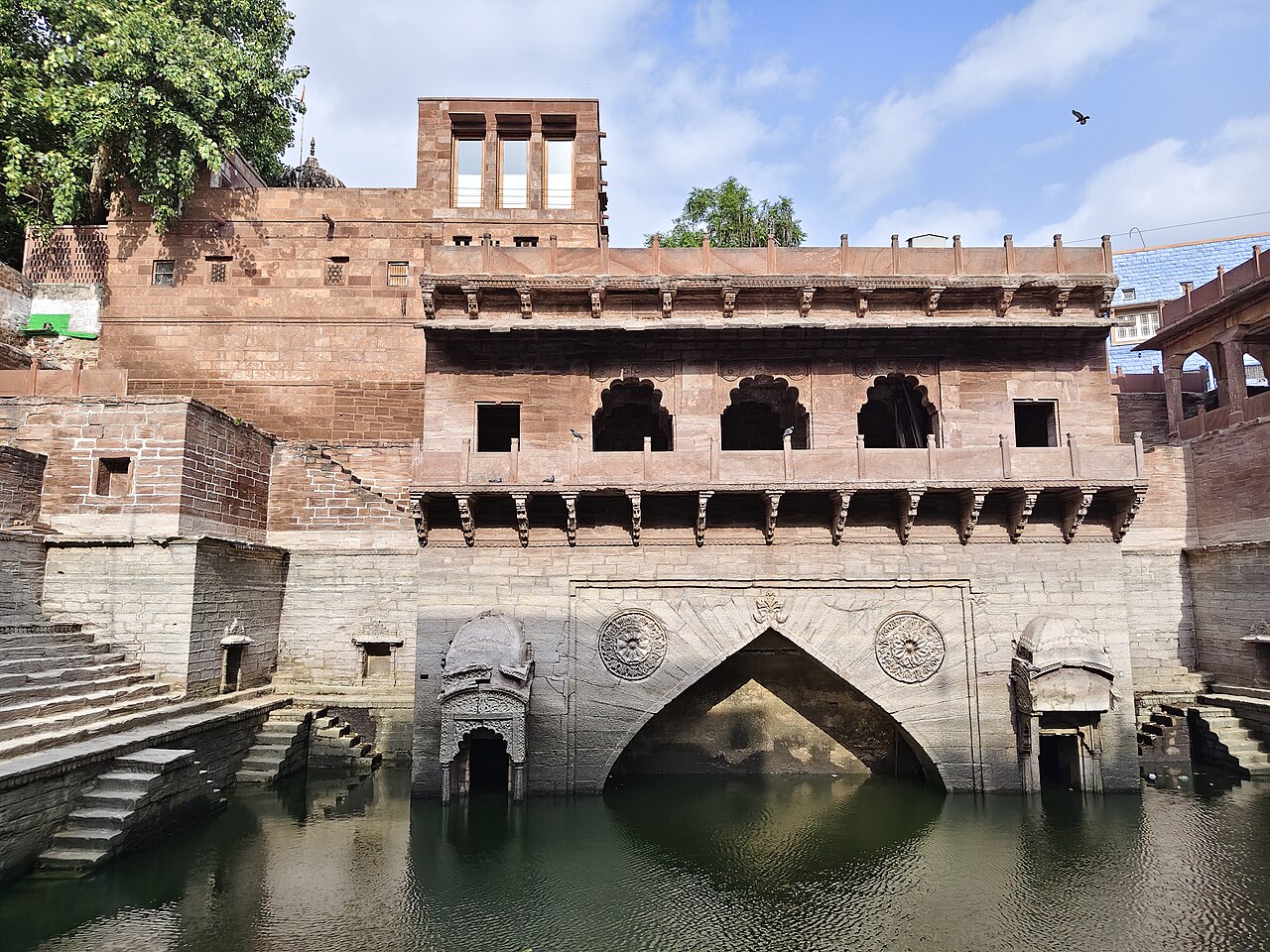 #5 in JodhpurFree entry
Toorji Ka Jhalra
Heritage · 800 m · about 13 min walk
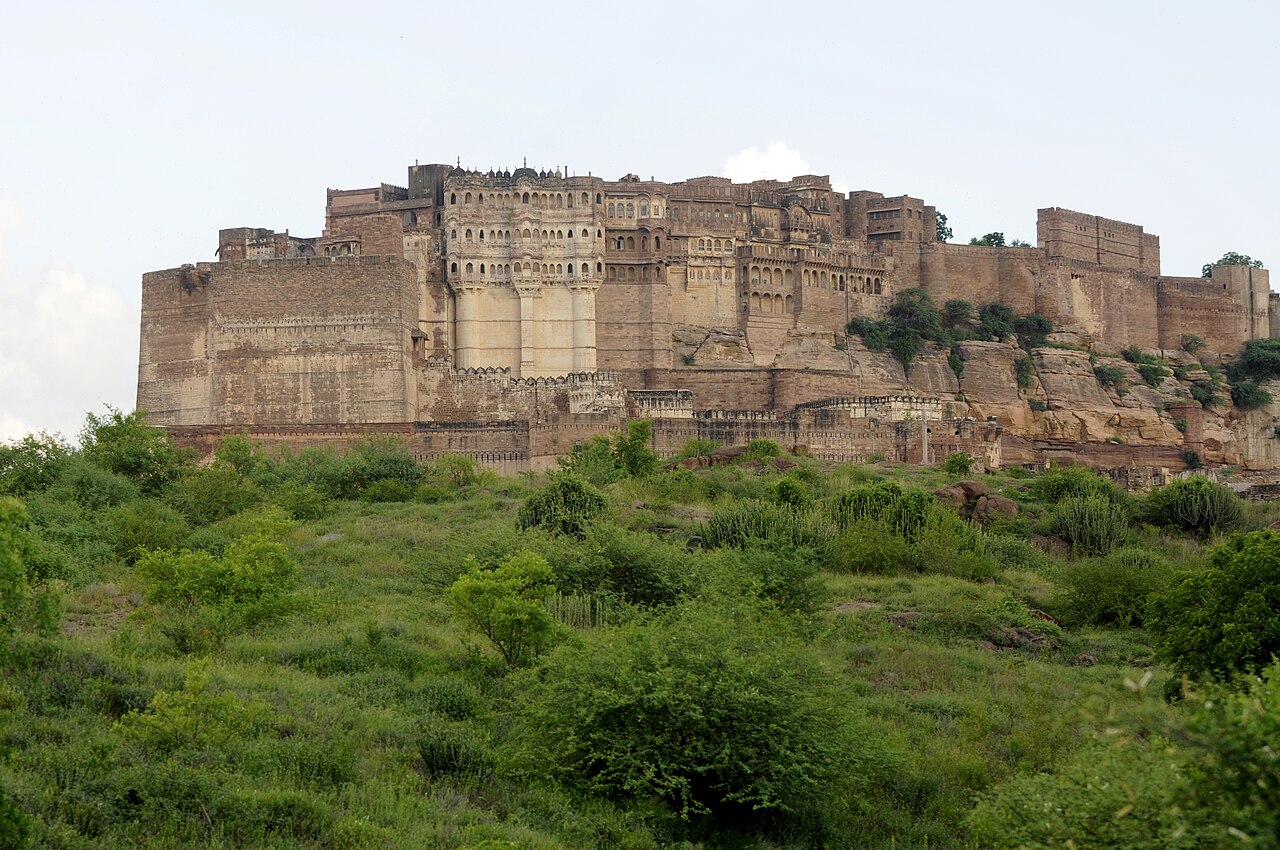 #7 in Jodhpur
Rao Jodha Desert Rock Park
Nature · 850 m · about 14 min walk
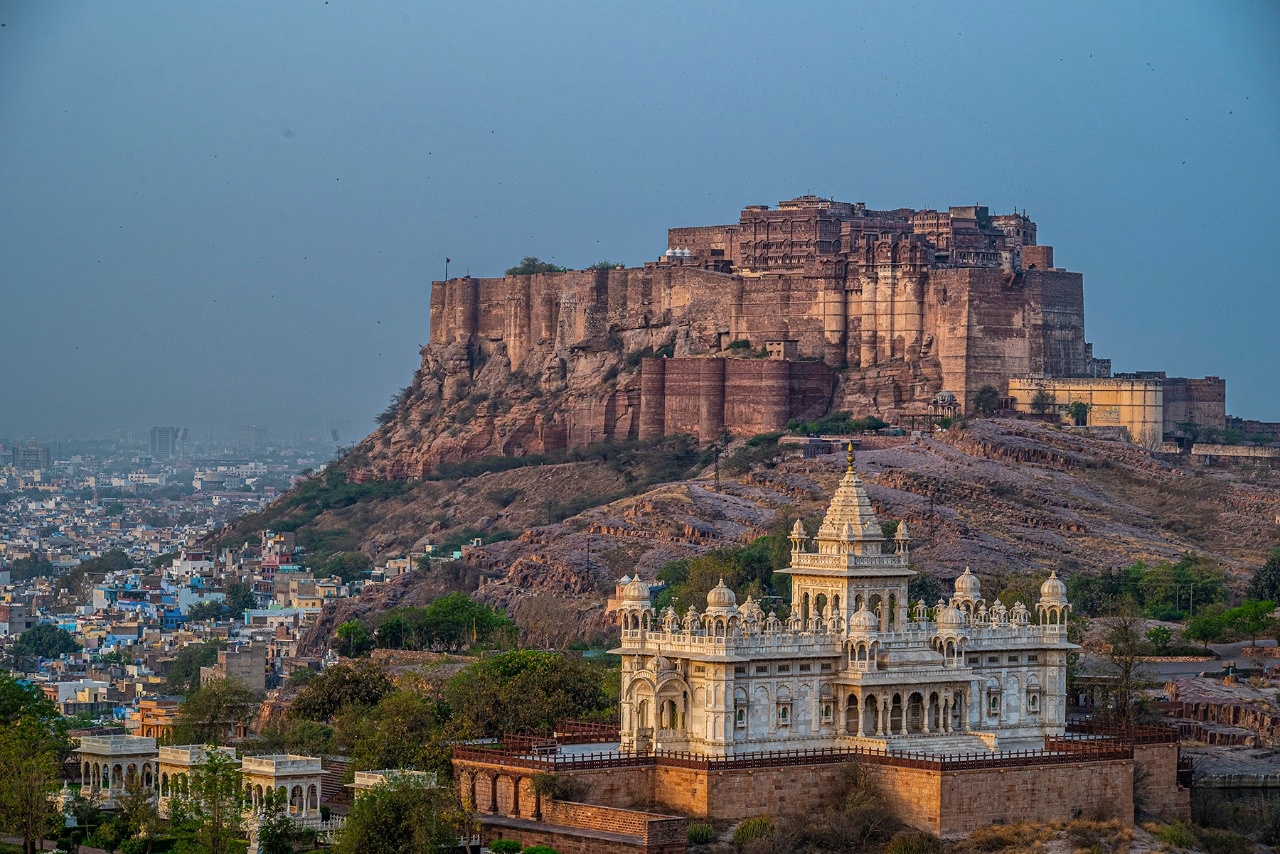 #1 in Jodhpur
Mehrangarh Fort
Fort · 900 m · about 15 min walk
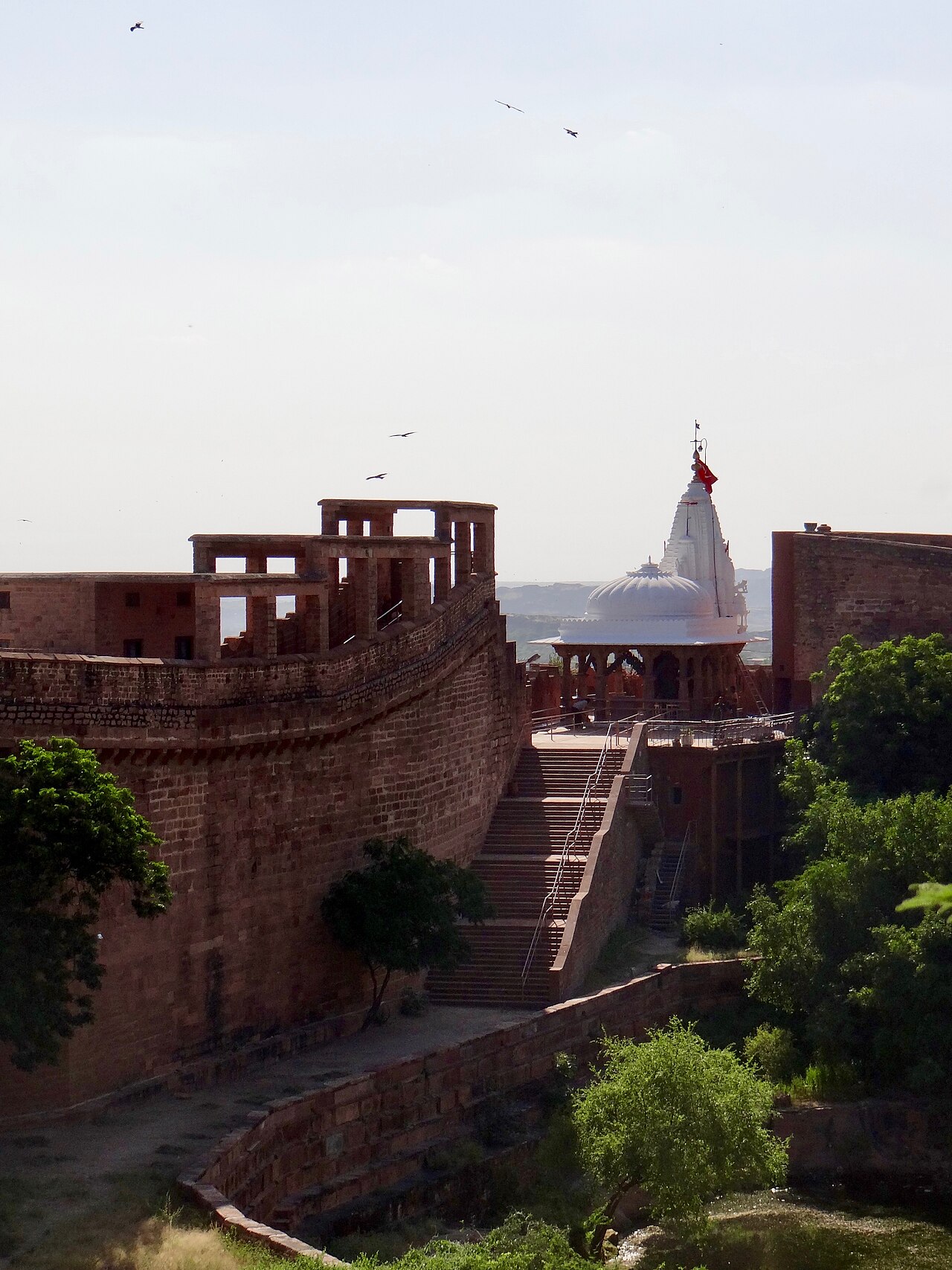 #8 in JodhpurFree entry
Chamunda Mata Temple
Temple · 900 m · about 15 min walk