
Ghanta Ghar Clock Tower & Sardar Market
#4of 9 places to visit in JodhpurJodhpur, Rajasthan
Also known as Girdikot Bazaar
Quick answer
Opening hours: 09:30–21:30. Entry is free. Allow 1.5 hrs. Best time: 17:00 – 20:00 or 07:00–08:30.
Updated · Compiled by Traveliac, AI-assisted · 5 min read
- Opening hours
- 09:30–21:30
- Market stalls generally open 09:30 – 21:30 daily; the tower itself is unstaffed and viewable at any hour. Individual shops keep their own hours and many close for a midday lull between 14:00 and 16:00.
- Entry fee
- Free
- Time needed
- 1.5 hrs
- Best time of day
- 17:00 – 20:00 or 07:00–08:30
- Best months
- Oct – Mar
- Address
- Girdikot, Old City, Jodhpur, Rajasthan 342001
About Ghanta Ghar Clock Tower & Sardar Market
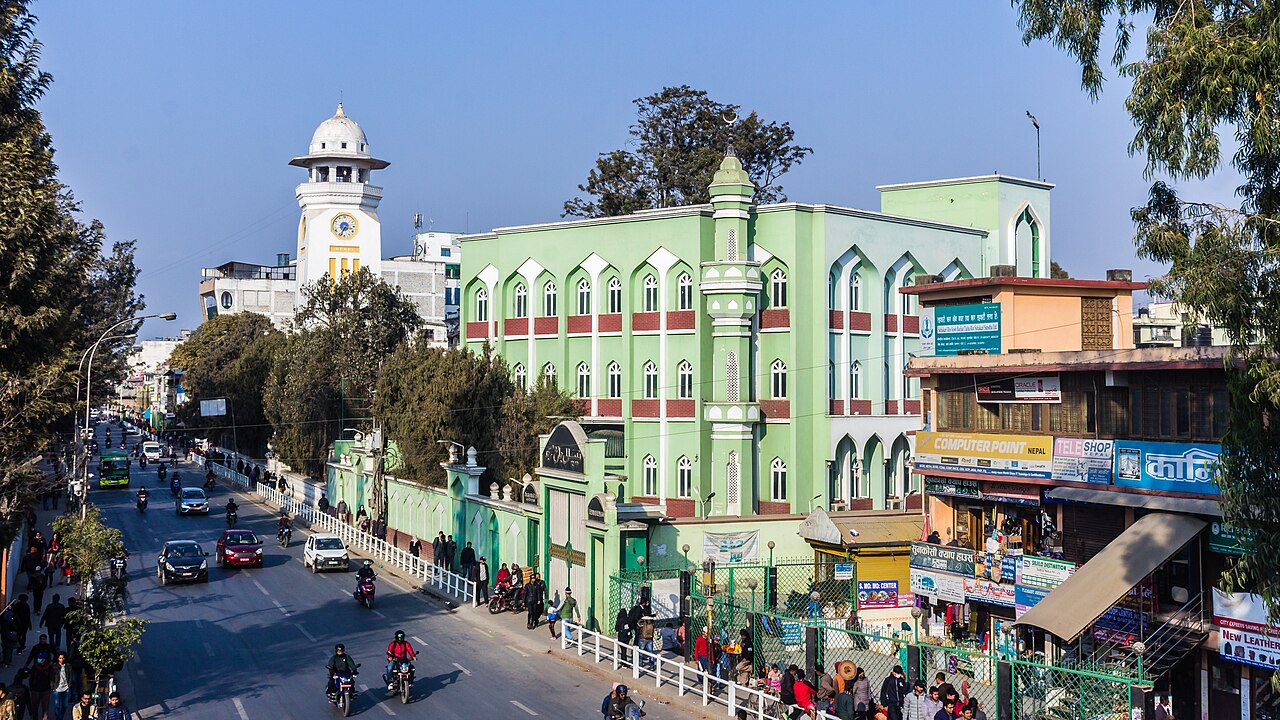
The clock tower anchoring Girdikot square is a five-storey stone structure faced in the same warm sandstone found across the old city, its clock face imported from England and installed as the visible centrepiece of a market redevelopment ordered by Maharaja Sardar Singh in the early 1900s. Sardar Singh's reforms were largely administrative and infrastructural — he is also associated with expanding Jodhpur's civic institutions during a period when Marwar, like other princely states, was under pressure to modernise visibly. The tower gave the surrounding bazaar a fixed landmark and, practically, a shared public clock in an era before personal timepieces were common. Sardar Market wraps the tower on all sides in a dense grid of narrow lanes, each roughly specialised by trade: one alley given over almost entirely to dried spices piled in loose pyramids of red chilli, turmeric, and garam masala blends; another to textiles and mojari leather shoes; a third to lacquer bangles, for which Jodhpur has a specific and centuries-old reputation, made by heating lac resin over a small flame and shaping it around the wrist by hand. The smell changes lane by lane — raw chilli dust near the spice sellers, machine oil near the hardware stalls, incense near the small shrines tucked between shopfronts — in a way that few curated tourist markets replicate.
Best time of day: 17:00 – 20:00 or 07:00–08:30. When the day's heat has broken, stalls are fully lit, and the spice and vegetable sections are at their most active; early morning (07:00–08:30) suits those who want uncluttered photographs of the tower itself before stalls and crowds fill the square.
Ghanta Ghar Clock Tower & Sardar Market timings
Ghanta Ghar Clock Tower & Sardar Market opens at 09:30 and closes at 21:30. Those hours hold on Saturday and Sunday too.
- Opening hours
- 09:30–21:30
Mon–Sun 09:30–21:30 - Market stalls generally open 09:30 – 21:30 daily; the tower itself is unstaffed and viewable at any hour. Individual shops keep their own hours and many close for a midday lull between 14:00 and 16:00.
- Closed on
- Open every day
Opening hours compiled from rajasthantourism.gov.in and public records, last updated . They change without notice — confirm before you travel. How we write these guides
Ghanta Ghar Clock Tower & Sardar Market ticket price
| Ticket | Price |
|---|---|
| Indian visitors | Free |
| Foreign visitors | Free |
| Children | Free |
| Camera | Free |
No admission fee — the clock tower and market are open public streets and squares. There is no ticket counter or gate. Spending inside the market is entirely discretionary; expect vendors to quote a starting price 30–60% above what a confident bargainer eventually pays.
Prices compiled from rajasthantourism.gov.in and public records, last updated . They change without notice — confirm before you travel. How we write these guides
Best time to visit Ghanta Ghar Clock Tower & Sardar Market
- Quiet
- Moderate
- Very busy
07:00 – 09:00
Early Morning QuietBest time to go
Tower and square largely empty; many stalls still setting up. Best window for unobstructed photographs of the clock tower itself.
Quiet09:30 – 13:00
Morning Trade
Local shoppers dominate; vegetable and spice sections busiest with residents rather than tourists, giving the most authentic market atmosphere.
Moderate13:00 – 16:00
Midday Lull
Many shopkeepers take a break; some stalls shutter temporarily. Heat discourages lingering in the narrow, sun-exposed lanes.
Quiet17:00 – 20:30
Evening Peak
Market at its most crowded and most atmospheric; food stalls fully active, lanes densely packed with shoppers and tourists alike.
Very busy
History of Ghanta Ghar Clock Tower & Sardar Market
Maharaja Sardar Singh ruled Marwar from 1895 to 1911, a comparatively short reign that nonetheless left a visible administrative footprint on Jodhpur — he is remembered locally for expanding schools, sanitation works, and the market infrastructure that still bears his name at Sardar Market. The clock tower itself, known locally as Ghanta Ghar, was commissioned in this period as both a functional timepiece for the surrounding bazaar and a piece of civic architecture meant to signal a modernising princely state, in the same spirit that clock towers were being erected across British Indian cities in the same decades.
The market that grew up around the tower predates the structure itself by centuries; Girdikot and the adjoining Sardar Market sit inside what was originally the old city's principal trading quarter, walled and gated, through which caravan trade in opium, spices, and dyes once moved along routes connecting Marwar to Gujarat's ports and to the trading towns of the Thar. What Sardar Singh's redevelopment did was formalise and centre that older bazaar around a single fixed landmark, giving an already-old commercial district its now-iconic focal point.
The tower has undergone several restoration passes since Independence, most recently in the 2010s, when the Jodhpur Municipal Corporation repaired the clock mechanism and re-faced sections of eroded stonework; the clock, notably, does not always keep perfectly accurate time, a minor local joke among residents who treat the tower more as a landmark than a functioning instrument.
Rules & etiquette at Ghanta Ghar Clock Tower & Sardar Market
There is no dress code or entry procedure since the tower and market are open public space, but the lanes are narrow — often under two metres wide — and shared with handcarts, motorbikes, and the occasional cow, so pedestrian awareness matters more here than at any gated monument in the city. Evenings bring genuine crowding in the spice and vegetable lanes; bags should be worn in front rather than slung on one shoulder given the density of the crowd.
Bargaining is expected and near-universal across the textile, bangle, and souvenir stalls; spice and food vendors selling to locals tend to quote fairer fixed prices since their core customer base is not tourists. A reasonable opening counter-offer is 40–50% of the first quoted price for anything clearly aimed at visitors, settling somewhere in the middle after two or three rounds. Paying the first price quoted, common among first-time visitors, is treated by vendors as simply good luck rather than any obligation on their part to volunteer a fairer number.
Touts operate around the market's outer edges, particularly near the main tower-facing entrances, offering to "guide" visitors to specific shops in exchange for a commission baked into inflated prices — this is especially common with spice and textile purchases pitched as export-quality or organic. Politely declining and walking toward a stall independently, rather than following an unsolicited guide, avoids the mark-up entirely.
Tips for visiting Ghanta Ghar Clock Tower & Sardar Market
- 1
The spice lane's vendors will, almost without exception, offer a smell-and-taste sample before any purchase — worth taking, since Jodhpur's signature garam masala blends differ meaningfully from what is sold under the same name elsewhere in India, typically carrying more dried red chilli and less commercial filler. Vacuum-sealed packaging is available on request for travellers worried about the smell permeating luggage on the flight home.
- 2
Mawa kachori and mirchi bada, Jodhpur's two most distinctive street snacks, are sold from stalls scattered through the market rather than concentrated in one spot; asking any shopkeeper for a specific stall recommendation usually produces a genuinely useful answer rather than a sales pitch, since food stalls and goods stalls are not in competition with each other. Rawat Mishtan Bhandar's original branch near the market is often cited locally as the benchmark for both items and tends to have the longest queue as proof.
- 3
The lacquer bangle-makers, concentrated in a specific lane usually called Maharani ka Bangle Bazaar, are worth watching work even without buying — the technique of heating and shaping lac by hand over an open flame is a live demonstration in most stalls, not a staged one, and the colours and patterns are specific to Jodhpur's tradition rather than generic Rajasthan handicraft.
How to reach Ghanta Ghar Clock Tower & Sardar Market
The red star is Ghanta Ghar Clock Tower & Sardar Market; the numbered pins are the 8 nearest places in our guides, each showing its rank in its city. Tap a pin for details.
Girdikot, Old City, Jodhpur, Rajasthan 342001Directions in Google Maps
From Jodhpur Airport (JDH)
₹180–₹2605 km · 15–20 min
Prepaid cab or app-based).
From Jodhpur Junction (JU)
₹80–₹1202 km · 8–10 min
Auto, negotiated). Walkable in 25 minutes.
From Mehrangarh Fort
₹60–₹1001.5 km · 20–25 min walk / 8–10 min auto
Auto).
Nearest airport
From Jodhpur Airport (JDH)
5 km, approximately 15–20 minutes.
Nearest railway station
From Jodhpur Junction (JU)
2 km, approximately 8–10 minutes.
Ghanta Ghar Clock Tower & Sardar Market FAQs
Is there an entry fee for the Clock Tower or Sardar Market?
No. Both are open public streets and squares with no gate, ticket, or fixed opening hours for the tower itself. Individual shops within the market set their own hours, generally 09:30 to 21:30.
What is the best time of day to visit for photography versus shopping?
Early morning, roughly 07:00 to 08:30, gives the clearest photographs of the tower before stalls and crowds fill the square. For shopping and street food, 17:00 to 20:00 is when the market is fullest, most active, and most atmospheric.
How much should I expect to bargain in Sardar Market?
For textiles, bangles, and souvenirs aimed at tourists, opening with a counter-offer around 40–50% of the first quoted price is reasonable, settling somewhere in the middle after a few rounds. Spice and food vendors selling primarily to locals tend to quote fairer fixed prices from the start.
What street food should I try near the Clock Tower?
Mawa kachori (a sweet, khoya-stuffed fried pastry) and mirchi bada (a battered, stuffed chilli fritter) are Jodhpur's two signature snacks, sold from stalls scattered throughout the market. Rawat Mishtan Bhandar's original branch near the market is a commonly cited benchmark for both.
Compiled with AI assistance from official sources and public records, and published only after the checks in How we write these guides. Nobody from Traveliac has visited this place. Last updated . How we rank and check places
Places to visit near Ghanta Ghar Clock Tower & Sardar Market
Straight-line distances from our map; times are estimates.
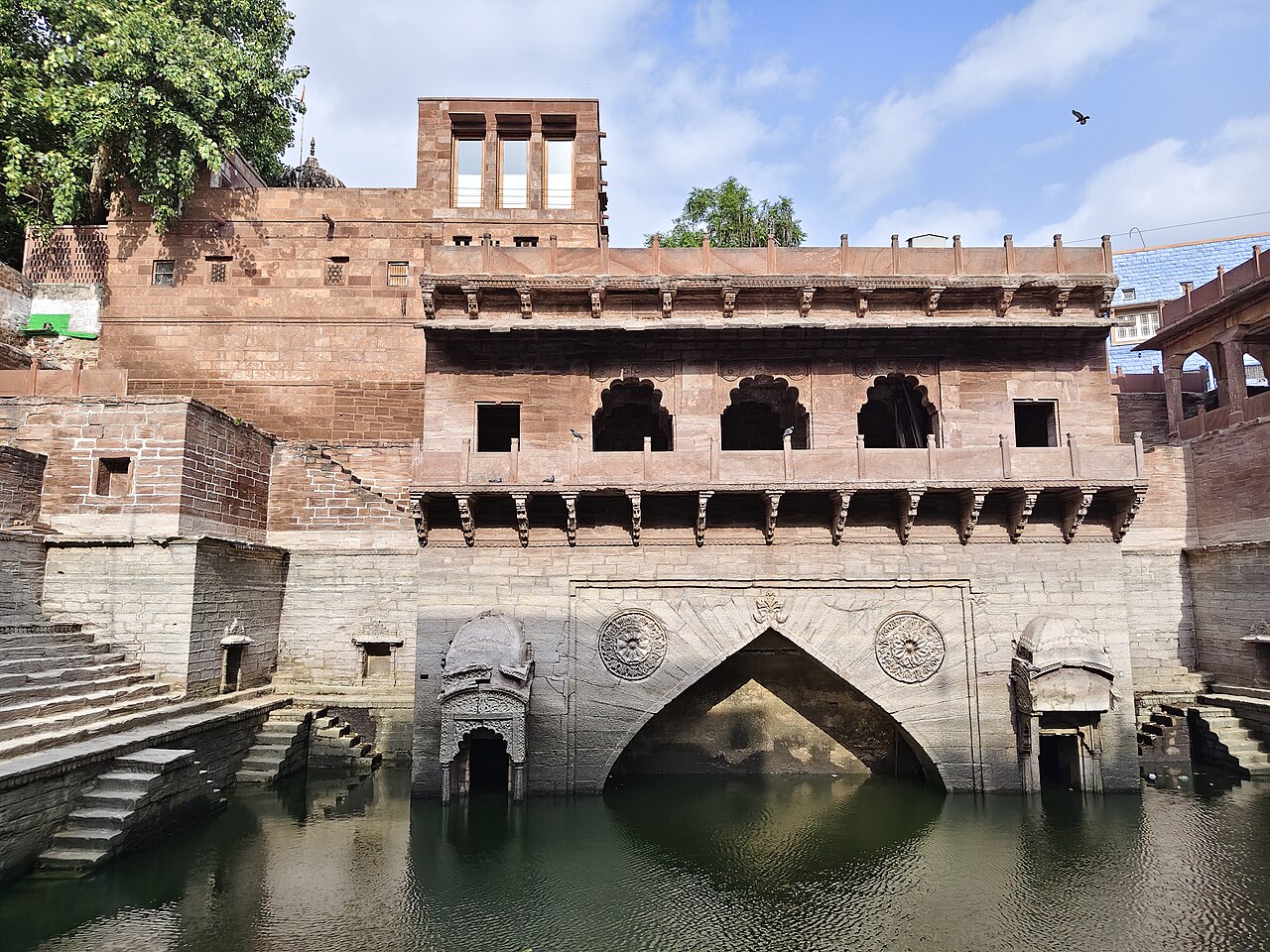 #5 in JodhpurFree entry
Toorji Ka Jhalra
Heritage · 250 m · about 4 min walk
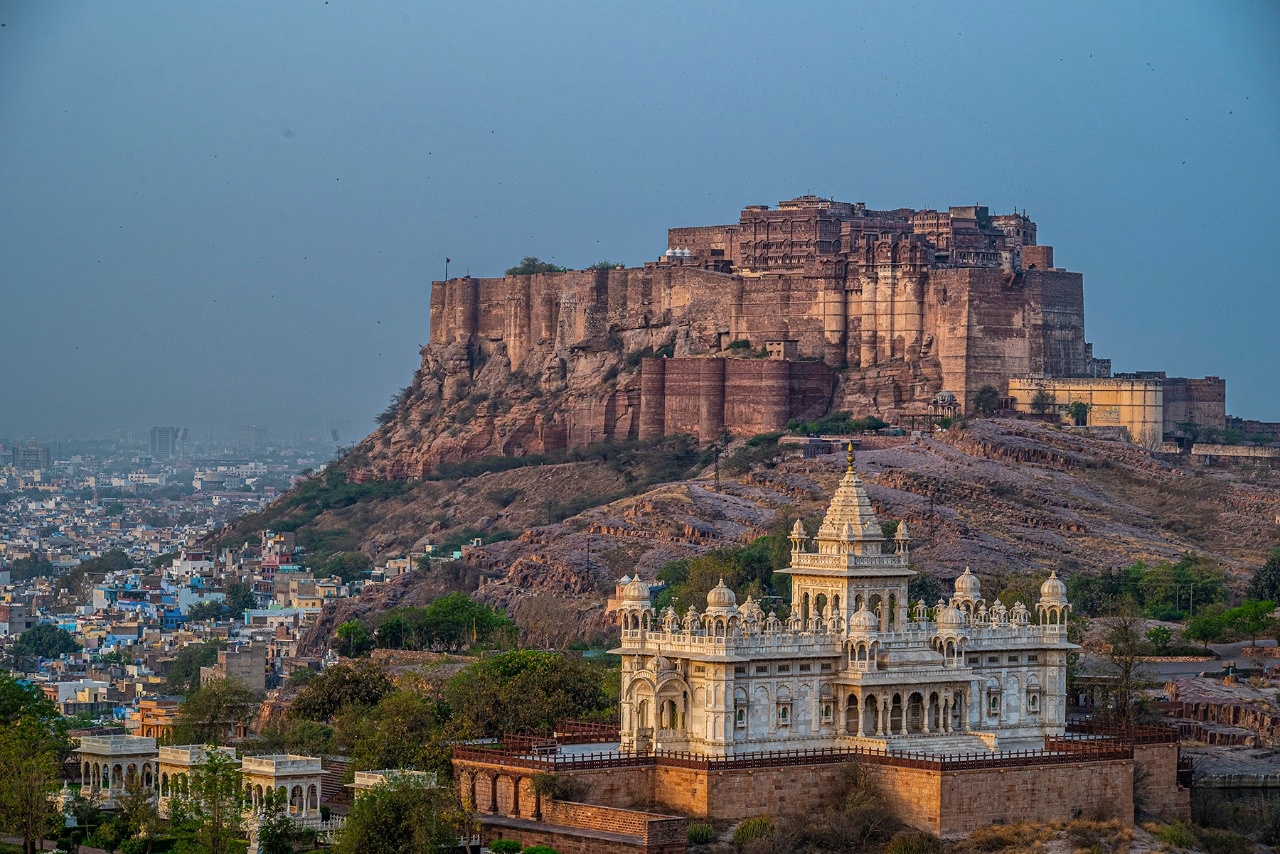 #1 in Jodhpur
Mehrangarh Fort
Fort · 600 m · about 10 min walk
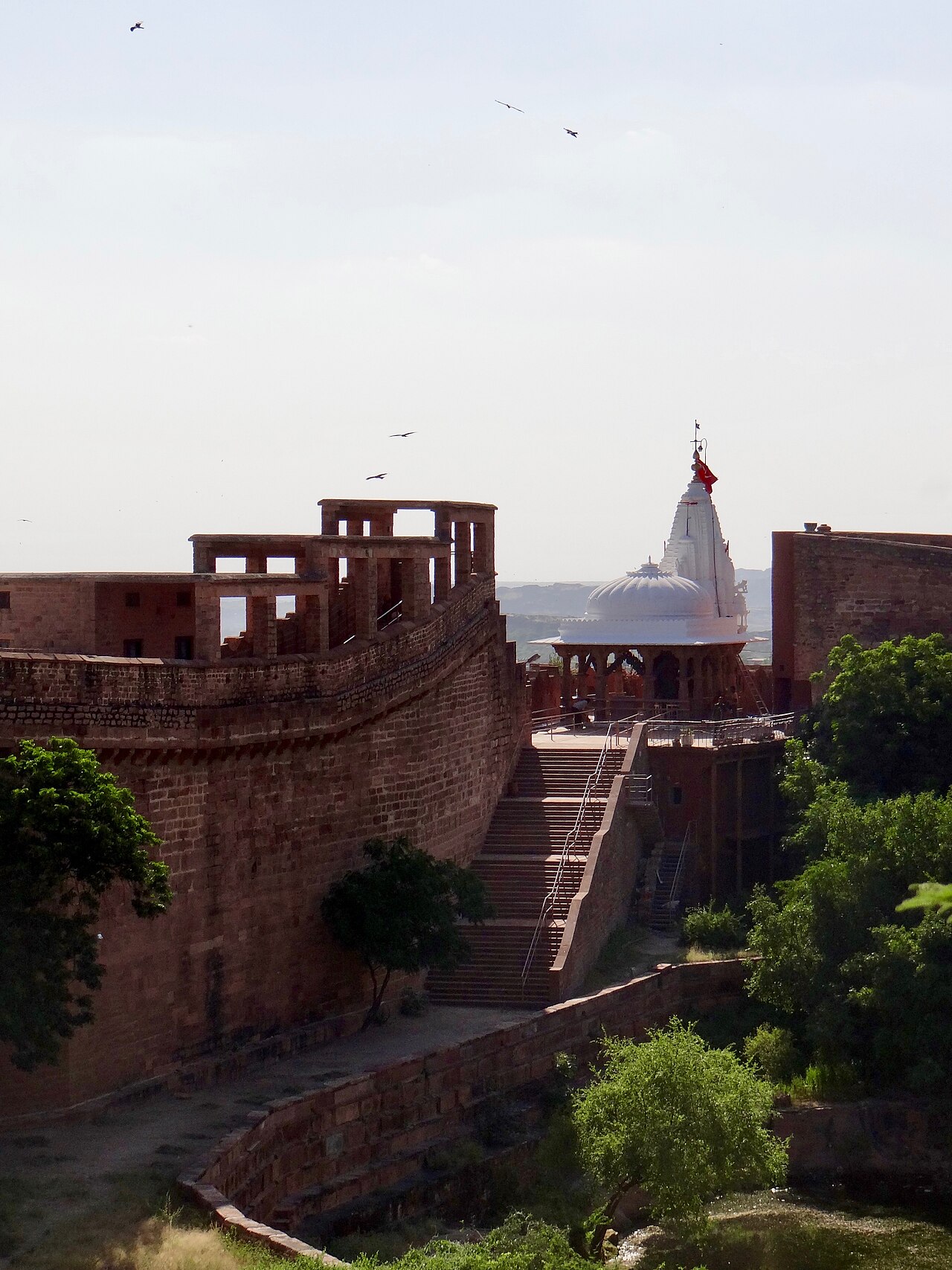 #8 in JodhpurFree entry
Chamunda Mata Temple
Temple · 600 m · about 10 min walk
 #2 in Jodhpur
Jaswant Thada
Memorial · 1.0 km · about 17 min walk