
Toorji Ka Jhalra
#5of 9 places to visit in JodhpurJodhpur, Rajasthan
Also known as Stepwell · Toorji Jhalra Bawari
Quick answer
Opening hours: 08:00–23:00. Entry is free. Allow 45 min. Best time: 08:00 – 10:00 or 18:00 – 20:00.
Updated · Compiled by Traveliac, AI-assisted · 5 min read
- Opening hours
- 08:00–23:00
- Open 24 hours as public space; surrounding cafés generally operate 08:00 – 23:00.
- Entry fee
- Free
- Time needed
- 45 min
- Best time of day
- 08:00 – 10:00 or 18:00 – 20:00
- Best months
- Oct – Mar
- Address
- Makrana Mohalla, near Clock Tower, Old City, Jodhpur, Rajasthan 342001
About Toorji Ka Jhalra
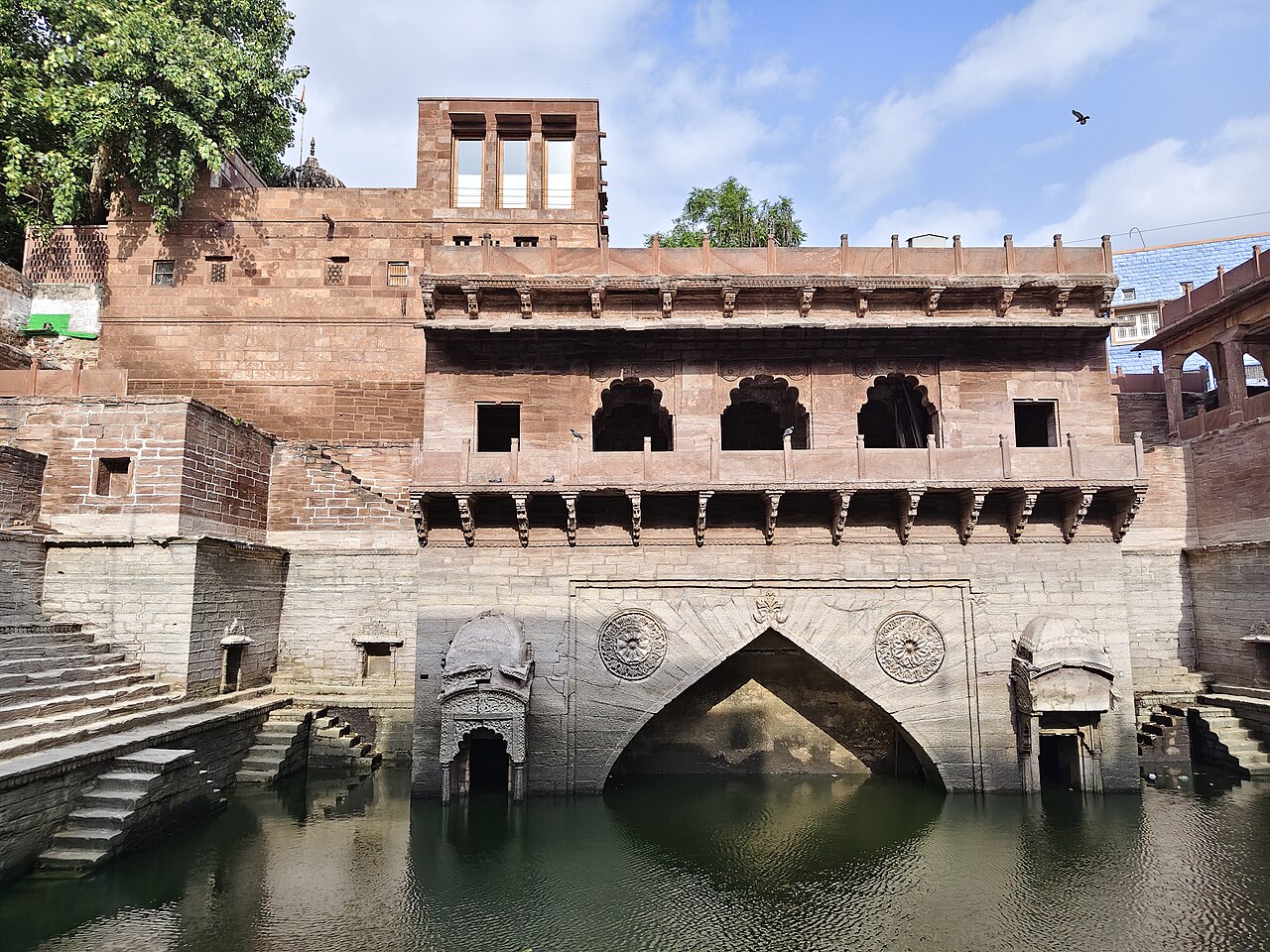
Toorji Ka Jhalra drops roughly 20 metres below street level in a symmetrical stack of stone steps cut from red Jodhpur sandstone, the same stone that faces most of the old city's grander buildings but here carved into an inverted, staircase-lined void rather than a rising wall. It was commissioned in the 1740s by Maharani Devi Kunwar, a queen of Maharaja Abhai Singh known locally by the honorific Toorji, and built as one of several stepwells across the old city intended to guarantee a reliable water supply through Marwar's long dry season, well before piped municipal water reached Jodhpur in the 20th century. What sets Toorji Ka Jhalra apart from Rajasthan's grander ceremonial stepwells, such as Abhaneri's, is its comparatively intimate, working scale — this was a neighbourhood water source rather than a royal showpiece, and the carved brackets, small arched niches, and geometric step patterns reflect a functional building tradition rather than an overtly monumental one. After decades of disuse and accumulated debris following the arrival of piped water, the well was cleaned and restored in the 2010s as part of a heritage-led revival of the surrounding Makrana Mohalla neighbourhood, which is now one of Jodhpur's most concentrated clusters of rooftop cafés and boutique guesthouses.
Best time of day: 08:00 – 10:00 or 18:00 – 20:00. For soft light directly down into the well shaft and minimal café crowd noise; 18:00 – 20:00 for the terrace-café atmosphere once the surrounding cafés light up and the stone retains the day's warmth.
Toorji Ka Jhalra timings
Toorji Ka Jhalra opens at 08:00 and closes at 23:00. Those hours hold on Saturday and Sunday too.
- Opening hours
- 08:00–23:00
Mon–Sun 08:00–23:00 - Open 24 hours as public space; surrounding cafés generally operate 08:00 – 23:00.
- Closed on
- Open every day
Opening hours compiled from rajasthantourism.gov.in and public records, last updated . They change without notice — confirm before you travel. How we write these guides
Toorji Ka Jhalra ticket price
| Ticket | Price |
|---|---|
| Indian visitors | Free |
| Foreign visitors | Free |
| Children | Free |
| Camera | Free |
Free public access at all hours, though the well is unlit and better appreciated by day. There is no ticket counter; the surrounding cafés and restaurants operate as private businesses with their own separate menu pricing, not connected to visiting the stepwell itself.
Prices compiled from rajasthantourism.gov.in and public records, last updated . They change without notice — confirm before you travel. How we write these guides
Best time to visit Toorji Ka Jhalra
- Quiet
- Moderate
- Busy
08:00 – 10:00
Early MorningBest time to go
Quietest window; some cafés still setting up for breakfast service. Best light directly into the well shaft and fewest onlookers for photography.
Quiet10:00 – 15:00
Daytime Lull
Steady but manageable footfall from day-tripping visitors combining this with the Clock Tower and Sardar Market circuit.
Moderate15:00 – 18:00
Afternoon
Café terraces begin filling for afternoon coffee; well area itself remains relatively uncrowded.
Moderate18:00 – 22:00
Evening Peak
Rooftop cafés at their busiest for dinner and drinks; well area lit ambiently by surrounding businesses, popular for evening photography and socialising.
Busy
History of Toorji Ka Jhalra
Stepwells, or baoris and jhalras in regional terminology, were a standard piece of arid-zone civic infrastructure across Rajasthan and Gujarat from roughly the 8th century onward, engineered to reach the water table well below ground and to keep water shaded and cooler than an open surface tank would allow. Jodhpur's old city held several such wells at the neighbourhood level, distinct from the larger royal step-tanks associated directly with the fort, and Toorji Ka Jhalra was one of the more architecturally accomplished of these local wells, reflecting the wealth of the royal patron who commissioned it rather than pure utilitarian need.
Maharani Devi Kunwar, referred to as Toorji, was a consort of Maharaja Abhai Singh, who ruled Marwar from 1724 to 1749 during a period of intermittent conflict with the Mughal empire's declining authority and with neighbouring Rajput states. Commissioning a public stepwell was a recognised form of patronage available to royal women of the period — a visible, lasting civic contribution independent of the ruler himself — and several of Jodhpur's named wells and gardens trace back to queens rather than kings for exactly this reason.
The well's decline tracks a broader pattern across Rajasthan: as piped municipal water reached Jodhpur through the 20th century, neighbourhood stepwells lost their practical function and were gradually filled with debris, informally used as rubbish tips, or simply sealed off. Toorji Ka Jhalra's restoration in the 2010s, led with support from a private heritage hospitality operator working alongside the municipal corporation, cleared decades of accumulated waste and stabilised the stonework, converting what had become a hazard into the centrepiece of a now-thriving café district.
Rules & etiquette at Toorji Ka Jhalra
The stepwell has no barrier fencing around most of its perimeter and the stone steps descending into the shaft can be slippery, particularly after rain or when wet from splashed water — footing should be tested carefully, especially with children nearby, since the drop to the base is a genuine fall risk rather than a cosmetic warning. Swimming or wading in the water at the base, while occasionally attempted by local youths in hot weather, is discouraged by the municipal corporation on both safety and preservation grounds and is not something visitors should join.
There is no dress code for the stepwell itself, but several of the surrounding cafés operate on rooftop terraces with a more considered atmosphere, and arriving in beachwear or overly casual dress, while not turned away, tends to stand out. Photography is unrestricted and, notably, is one of the main draws of the location — the symmetrical descending steps make for a striking overhead shot from the terrace level of the cafés ringing the well.
Because there is no ticketed entry, the well itself draws no formal management presence, and the main practical consideration is simply crowd management at peak café hours, when the narrow lanes surrounding the well can back up with parked motorbikes and pedestrian traffic converging on the same handful of terrace entrances.
Tips for visiting Toorji Ka Jhalra
- 1
Pairing a visit here with the Clock Tower and Sardar Market makes obvious geographic sense, since Toorji Ka Jhalra sits only a few minutes' walk from Girdikot square through the Makrana Mohalla lanes — a natural extension of an old-city walking circuit rather than a separate outing. The neighbourhood itself has become one of Jodhpur's most reliable spots for a sit-down coffee or evening drink with a view, a genuine rarity in a city where most heritage sites close by early evening.
- 2
The overhead view from any of the surrounding café terraces is the more striking angle compared to standing at ground level beside the well; several cafés allow non-paying visitors a brief look from their terrace stairs, though ordering something is the polite norm rather than the strict rule. Evening visits benefit from the ambient lighting the cafés provide, since the well itself has no dedicated floodlighting of its own.
- 3
Early morning is worth the effort for anyone serious about photography without other visitors in frame — by 09:00 the terraces begin filling with breakfast trade and by midday the well is rarely photographed without at least a few onlookers leaning over the upper steps.
How to reach Toorji Ka Jhalra
The red star is Toorji Ka Jhalra; the numbered pins are the 8 nearest places in our guides, each showing its rank in its city. Tap a pin for details.
Makrana Mohalla, near Clock Tower, Old City, Jodhpur, Rajasthan 342001Directions in Google Maps
From Jodhpur Airport (JDH)
₹200–₹2806 km · 18–22 min
Prepaid cab or app-based).
From Jodhpur Junction (JU)
₹90–₹1302.5 km · 10 min
Auto, negotiated).
From Clock Tower / Sardar Market
0.6 km · 8–10 min walk
Free on foot; a short walk through the Makrana Mohalla lanes.
Nearest airport
From Jodhpur Airport (JDH)
6 km, approximately 18–22 minutes.
Nearest railway station
From Jodhpur Junction (JU)
2.5 km, approximately 10 minutes.
Toorji Ka Jhalra FAQs
Is there an entry fee to visit Toorji Ka Jhalra?
No, the stepwell is free public space accessible at any hour. The surrounding cafés and restaurants are separate private businesses with their own menu pricing, unrelated to visiting the well itself.
Is it safe to walk down into the stepwell?
The stone steps have no barrier fencing around most of the perimeter and can be slippery, especially when wet. Visitors should test footing carefully, particularly with children, and swimming or wading at the base is discouraged by the municipal corporation on both safety and preservation grounds.
Who built Toorji Ka Jhalra and when?
Maharani Devi Kunwar, known as Toorji, a consort of Maharaja Abhai Singh, commissioned the stepwell in the 1740s as a neighbourhood water source for the old city, built from red Jodhpur sandstone in a functional rather than overtly ceremonial style.
What is the best vantage point for photographing the stepwell?
The overhead view from the terrace level of the cafés ringing the well is generally more striking than a ground-level view beside it. Early morning, before 10:00, offers the fewest other visitors in frame; evening offers ambient café lighting for atmosphere.
Compiled with AI assistance from official sources and public records, and published only after the checks in How we write these guides. Nobody from Traveliac has visited this place. Last updated . How we rank and check places
Places to visit near Toorji Ka Jhalra
Straight-line distances from our map; times are estimates.
 #4 in JodhpurFree entry
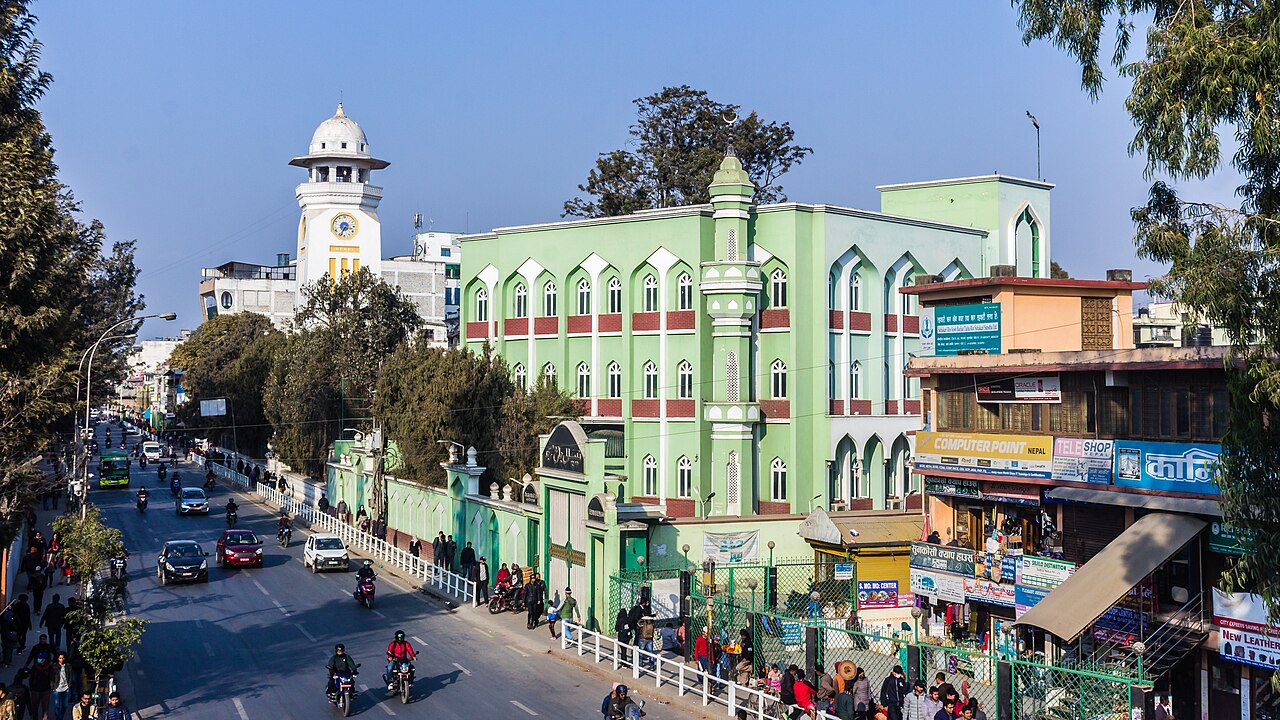
Ghanta Ghar Clock Tower & Sardar Market
Market · 250 m · about 4 min walk
 #1 in Jodhpur
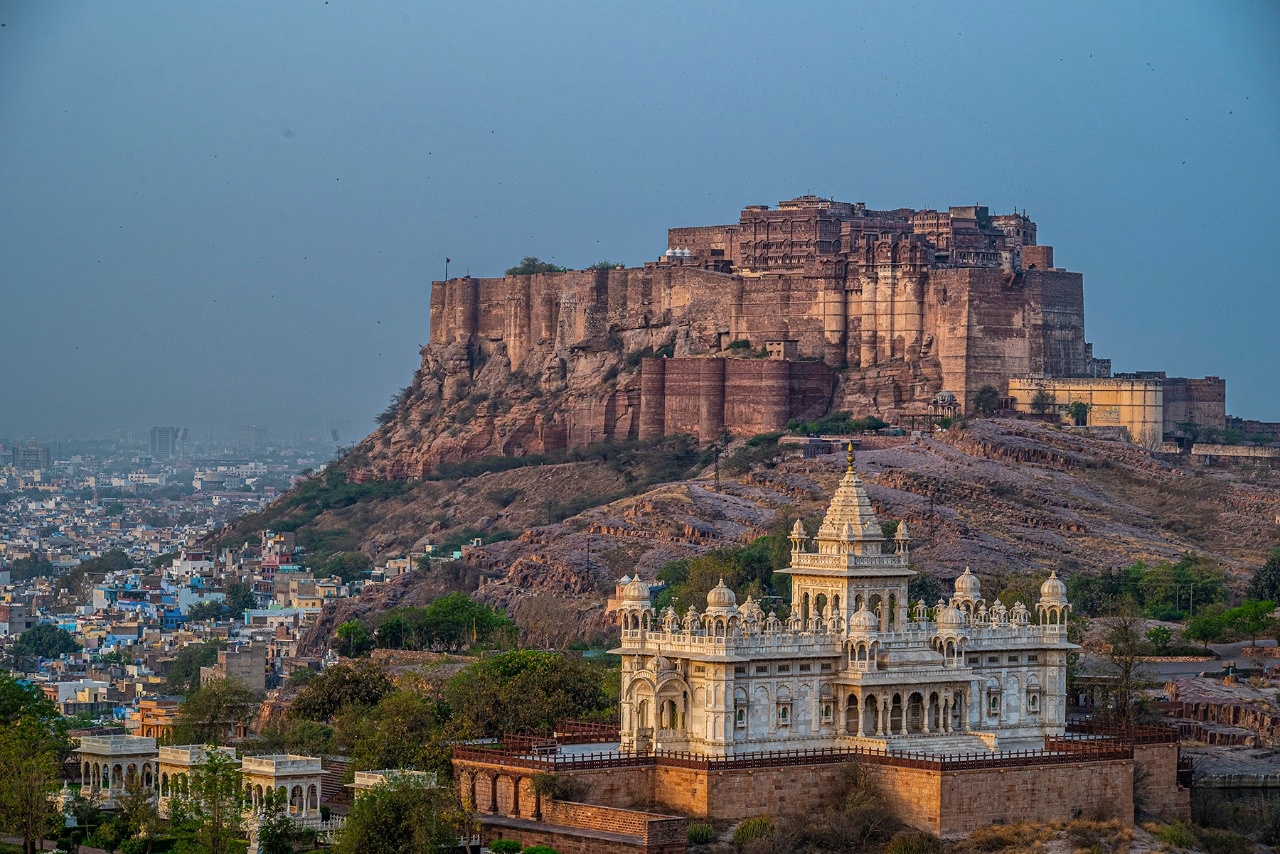
Mehrangarh Fort
Fort · 450 m · about 7 min walk
 #8 in JodhpurFree entry
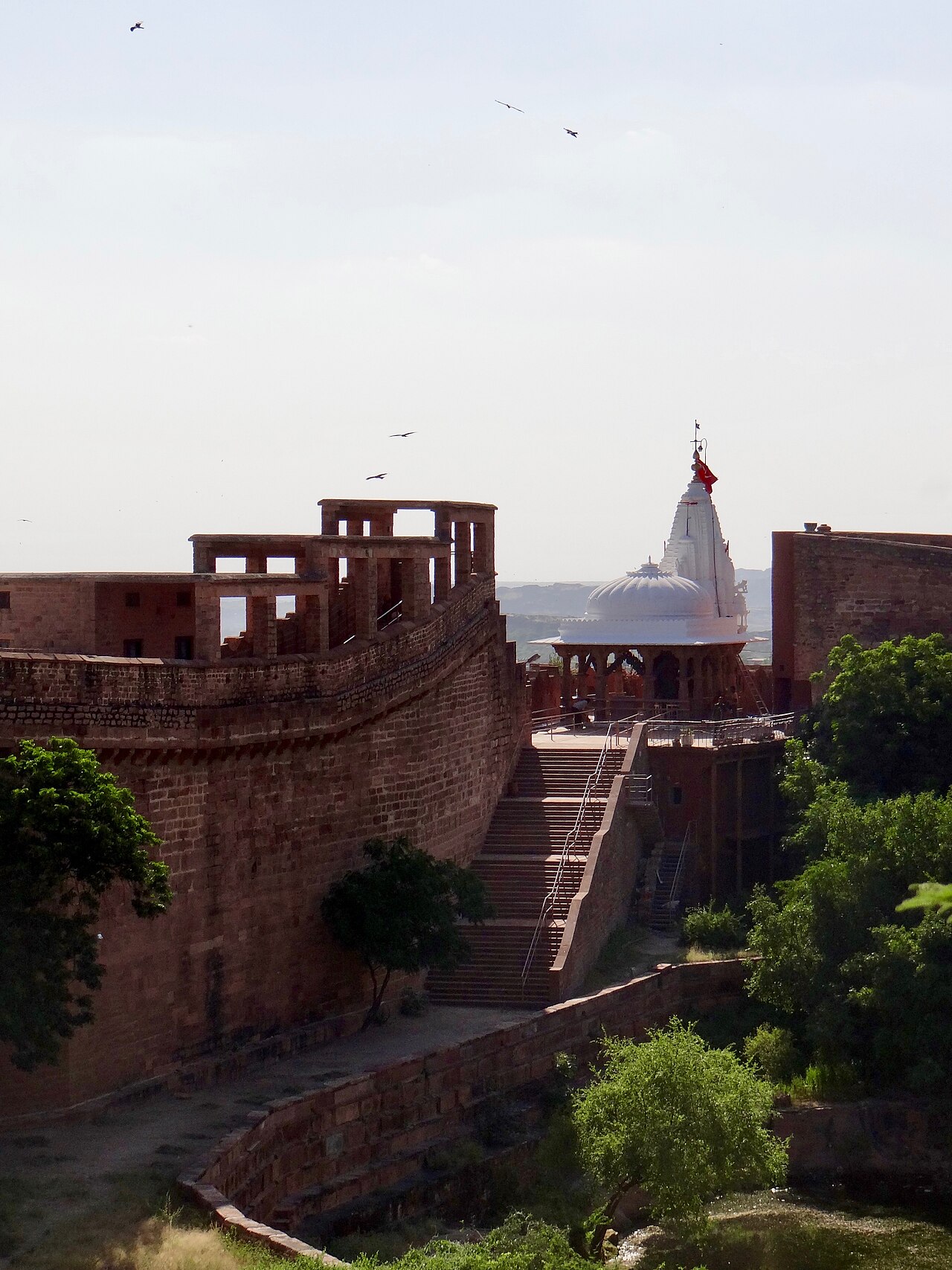
Chamunda Mata Temple
Temple · 450 m · about 7 min walk
 #2 in Jodhpur
Jaswant Thada
Memorial · 800 m · about 13 min walk