
Hemakuta Hill
#6of 10 places to visit in HampiHampi, Karnataka
Also known as Hemakuta Parvata
Quick answer
Opening hours: No fixed opening hours. Entry is free. Allow 1 hr. Best time: 17:00 – 18:30.
Updated · Compiled by Traveliac, AI-assisted · 5 min read
- Opening hours
- No fixed hours
- Open at all hours; no gate. In practice most visitors come between 06:00 and 19:00.
- Entry fee
- Free
- Time needed
- 1 hr
- Best time of day
- 17:00 – 18:30
- Best months
- Oct – Feb
- Address
- Immediately south of Virupaksha Temple, Hampi Bazaar, Hampi, Vijayanagara District, Karnataka 583239
About Hemakuta Hill
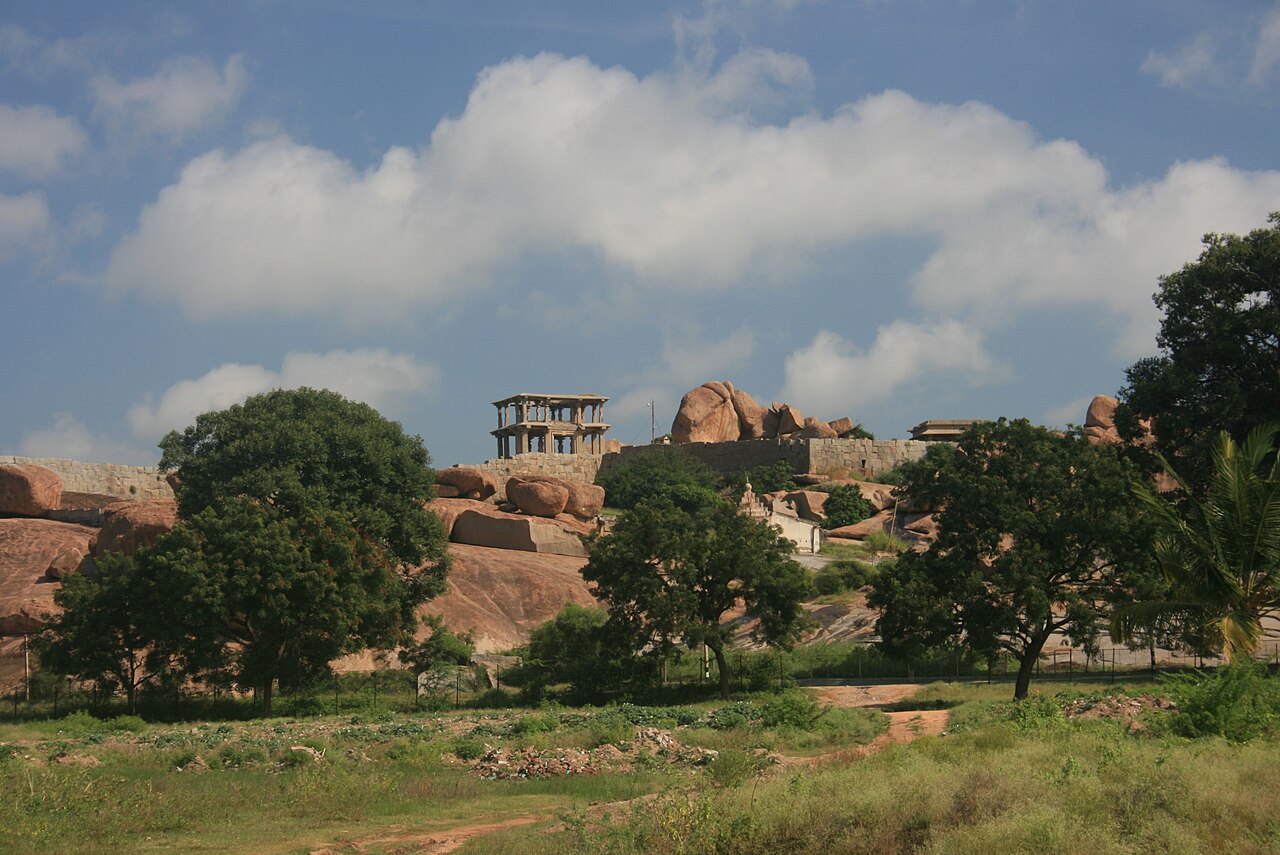
Hemakuta Hill is the closest thing Hampi has to a warm-up act, sitting directly beside Virupaksha Temple and requiring no auto-rickshaw, bicycle, or coracle to reach — you can walk up from the bazaar in ten minutes. What is waiting at the top is disproportionate to that effort: a scattered cluster of somewhere between thirty and fifty small stone shrines, many of them predating the Vijayanagara Empire entirely, some carrying inscriptions dated to the early 14th century, before Harihara and Bukka founded their capital in the valley below in 1336. The shrines follow a distinctive stepped, pyramidal-roof style associated with early Karnataka temple building rather than the tiered gopurams the empire later made famous, giving the hill a visibly older, plainer architectural character than almost anywhere else on the Hampi circuit. A twin-storeyed stone archway partway up the hill frames the approach toward the monolithic Sasivekalu Ganesha statue below, and the hill's open granite summit has become, deservedly, one of the two or three most reliable sunset viewpoints in Hampi.
Best time of day: 17:00 – 18:30. For sunset, when the low sun silhouettes the hill's pyramidal-roofed shrines and lights the granite boulder field toward Hampi Bazaar and the Virupaksha gopuram below.
Hemakuta Hill timings
- Opening hours
- No fixed hours
Mon–Sun No fixed hours - Open at all hours; no gate. In practice most visitors come between 06:00 and 19:00.
- Closed on
- Open every day
Opening hours compiled from karnatakatourism.org and public records, last updated . They change without notice — confirm before you travel. How we write these guides
Hemakuta Hill ticket price
| Ticket | Price |
|---|---|
| Indian visitors | Free |
| Foreign visitors | Free |
| Children | Free |
| Camera | Free |
No entry fee or ticket gate. The hill and its scattered shrines are freely accessible at any hour; there is no ASI checkpoint on the approach paths.
Prices compiled from karnatakatourism.org and public records, last updated . They change without notice — confirm before you travel. How we write these guides
Best time to visit Hemakuta Hill
- Quiet
- Moderate
- Busy
06:00 – 08:00
Early MorningBest time to go
A handful of early risers pass through on the way to or from Matanga Hill; the shrine cluster is quiet and the light is soft.
Quiet08:00 – 16:00
Daytime Lull
Hemakuta sees far less daytime traffic than Virupaksha immediately below it; a reliably quiet stretch of shrines and boulders most of the day.
Quiet16:00 – 17:00
Pre-Sunset Gathering
Visitors begin arriving to claim viewpoints ahead of sunset; still comfortable numbers at this stage.
Moderate17:00 – 18:30
Sunset Peak
The hill's main viewpoints fill with visitors and photographers for sunset; the most crowded window of the day by a wide margin.
Busy
History of Hemakuta Hill
Hemakuta Hill's temple cluster predates the Vijayanagara Empire's founding in 1336, with inscriptional evidence on some structures dated to the first decade of the 14th century — meaning the hill was already an established sacred site when Harihara I and Bukka Raya I established their capital in the valley immediately below it. This makes Hemakuta one of the clearest physical links in Hampi between the pre-empire religious landscape of the Tungabhadra valley (the same older sacred geography that also underlies Virupaksha Temple's origins) and the Vijayanagara period that followed and absorbed it.
The shrines are predominantly dedicated to Shiva and follow an architectural style — stepped pyramidal roofs (kadamba-nagara or trikutachala plan in some cases) rather than the tall gopuram towers associated with later Vijayanagara temple-building — that marks them as products of an earlier regional building tradition, generally associated with the pre-Vijayanagara Karnataka dynasties of the area. Their survival in relatively unaltered form, clustered densely across a single hilltop rather than dispersed or absorbed into later, larger temple complexes, gives Hemakuta an unusually high concentration of early-period religious architecture for a site this size.
The hill's proximity to Virupaksha Temple and its role as an elevated viewpoint over the sacred centre meant it remained integrated into Vijayanagara-era ritual geography even as the empire's major building investment moved elsewhere, to Vittala, the Royal Enclosure, and Achyutaraya. The twin-storeyed archway partway up the hill, along with the monolithic Sasivekalu Ganesha and, a short distance away, the larger Kadalekalu Ganesha, form a connected group of Vijayanagara-period additions layered onto the older hilltop shrine cluster — a visible stratification of building periods within a very small area.
Rules & etiquette at Hemakuta Hill
There is no ticket gate and no ASI staff routinely present, so behave with the same care around the unprotected shrines that you would at a staffed monument — many of these structures are centuries older than the Vijayanagara-period sites elsewhere in Hampi and receive comparatively little formal conservation attention. Do not climb onto shrine roofs or carved elements for photographs.
The climb involves scrambling over bare granite boulders in sections, with no railings; footwear with grip is worth having, and the rock can be slippery immediately after rain. As with Matanga Hill, long-tailed macaques are present and habituated to visitors; keep food secured.
Tips for visiting Hemakuta Hill
- 1
Come specifically for sunset rather than treating the hill as a passing detour on the way to Virupaksha Temple — the view west over Hampi Bazaar's colonnaded street toward the temple's gopuram, with the boulder field beyond catching late light, is one of the more efficient rewards-to-effort ratios anywhere in Hampi, requiring only a short, unhurried scramble rather than the more strenuous full climb up Matanga Hill.
- 2
Because the hill sits directly beside Hampi Bazaar, it is easy to combine with an early evening walk through the bazaar itself and Virupaksha Temple's evening aarti — arrive at the hill's viewpoints by 17:00, watch the sunset, then descend directly into the bazaar for the temple's reopening at 17:00 and aarti around 19:00, making a coherent single evening out of three separate experiences without needing any transport between them.
- 3
The shrine cluster rewards slow, aimless wandering more than a directed route — there is no signposted path connecting all the structures, and part of the hill's appeal is stumbling across a weathered, unlabelled 14th-century shrine that no guidebook specifically mentions. Bring a wide-angle lens or phone panorama mode for the summit views; the vista here is genuinely broader than a standard photograph captures.
How to reach Hemakuta Hill
The red star is Hemakuta Hill; the numbered pins are the 9 nearest places in our guides, each showing its rank in its city. Tap a pin for details.
Immediately south of Virupaksha Temple, Hampi Bazaar, Hampi, Vijayanagara District, Karnataka 583239Directions in Google Maps
From Virupaksha Temple / Hampi Bazaar
0.3 km · 8–10 min
Free
From Hospet Junction (Vijayanagara Station)
₹150–20013 km · 25–30 min plus 8–10 min walk
Private auto to Hampi Bazaar, negotiated
From Virupapura Gadde (river's north bank)
₹50–1000.6 km · 15 min
Coracle crossing per person, then free walking
Nearest airport
From Vidyanagar Airport (Toranagallu/Bellary)
approximately 65 km, limited scheduled services. Hubli Airport – approximately 165 km, with better connectivity to Bengaluru and Mumbai.
Nearest railway station
From Hospet Junction (Vijayanagara Station)
approximately 13 km to Hampi Bazaar, then a 5–10 minute walk to the base of the hill.
Hemakuta Hill FAQs
How old are the temples on Hemakuta Hill?
Many predate the Vijayanagara Empire's founding in 1336, with some inscriptions dated to the early 14th century. Their stepped, pyramidal-roof style is associated with earlier regional Karnataka temple building rather than the tall gopuram towers the Vijayanagara Empire later became known for.
Is Hemakuta Hill a good sunset spot?
Yes, it is one of the most reliable and accessible sunset viewpoints in Hampi, requiring only a short scramble directly beside Hampi Bazaar rather than the longer, more strenuous climb up Matanga Hill. The view takes in the bazaar street, the Virupaksha Temple gopuram, and the boulder field beyond.
Is there an entry fee for Hemakuta Hill?
No. There is no ticket gate or ASI checkpoint; it is freely accessible at any hour.
How difficult is the climb up Hemakuta Hill compared to Matanga Hill?
Hemakuta is considerably shorter and easier — a 10–15 minute scramble over granite boulders rather than Matanga Hill's 30–40 minute climb — making it a good option for visitors who want a sunset viewpoint without the more strenuous ascent.
Compiled with AI assistance from official sources and public records, and published only after the checks in How we write these guides. Nobody from Traveliac has visited this place. Last updated . How we rank and check places
Places to visit near Hemakuta Hill
Straight-line distances from our map; times are estimates.
 #2 in HampiFree entry
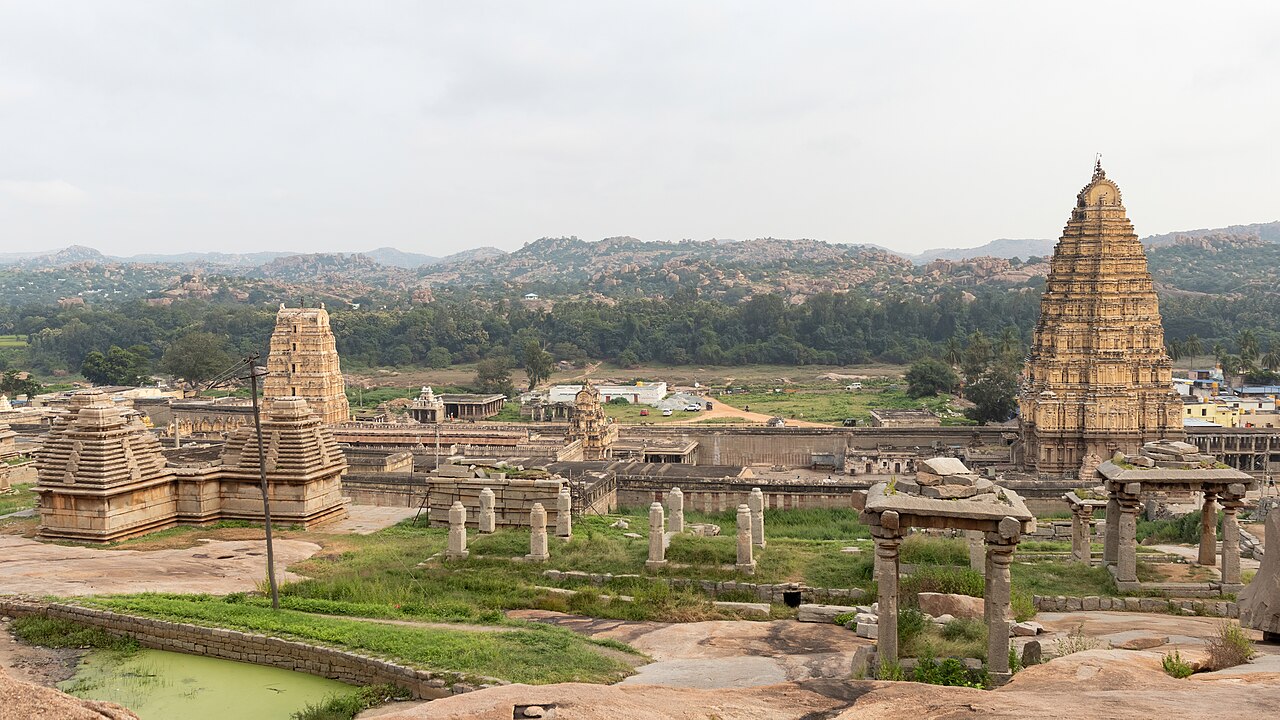
Virupaksha Temple
Temple · 150 m · about 3 min walk
 #10 in HampiFree entry
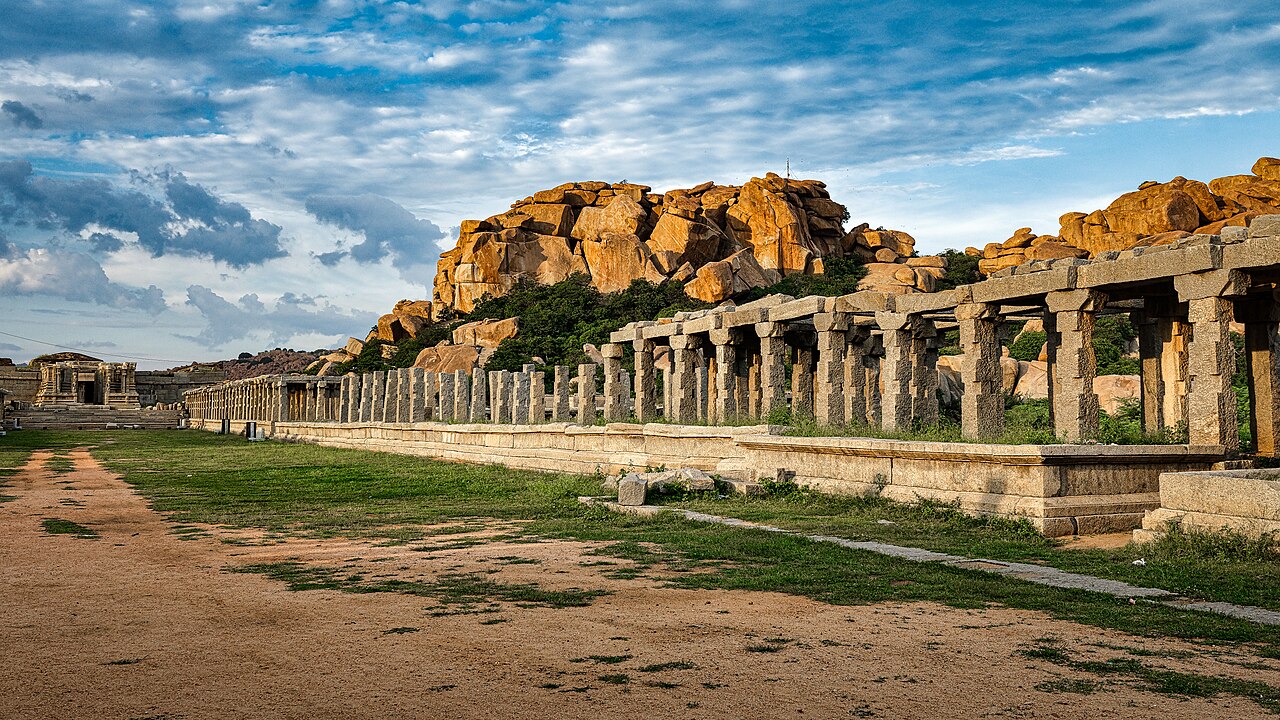
Hampi Bazaar
Market · 250 m · about 4 min walk
 #8 in HampiFree entry
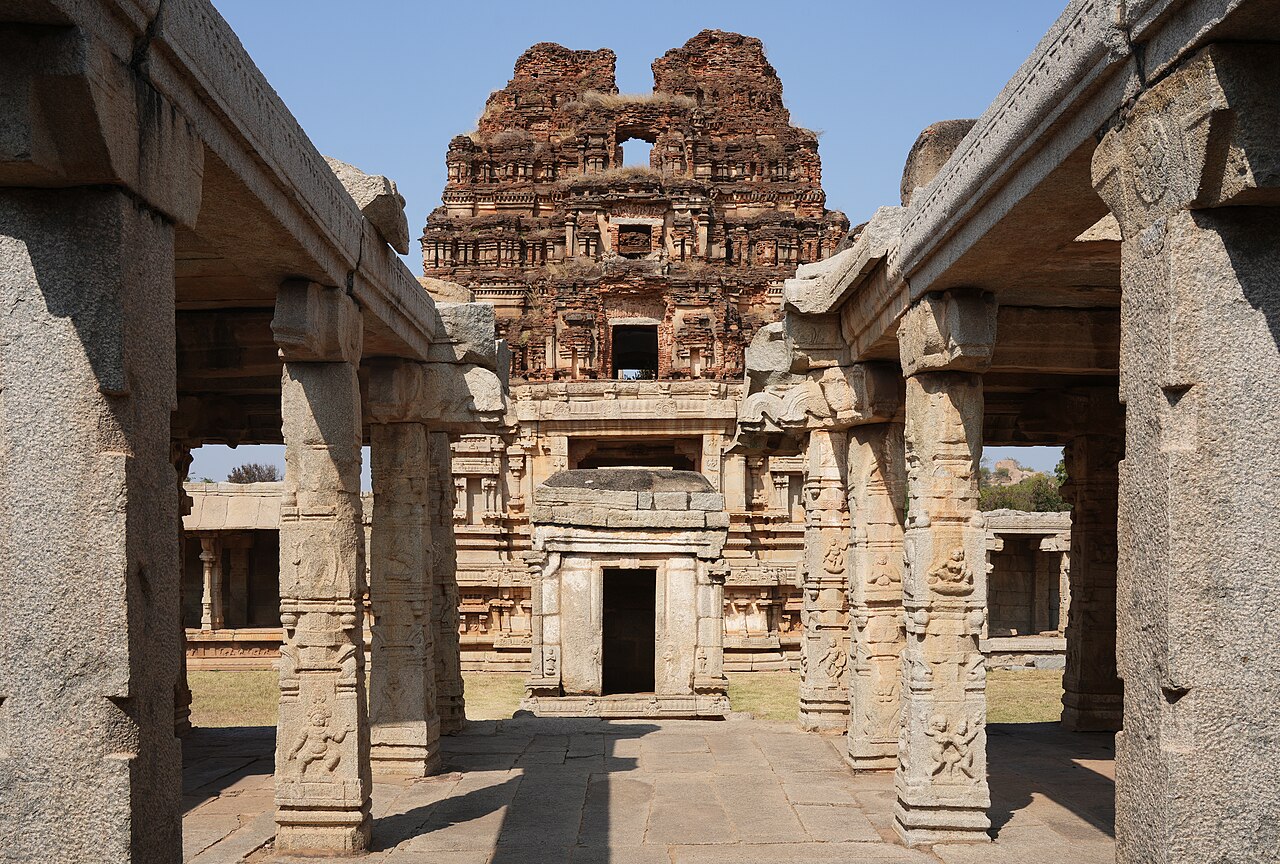
Achyutaraya Temple
Temple · 1.1 km · about 18 min walk
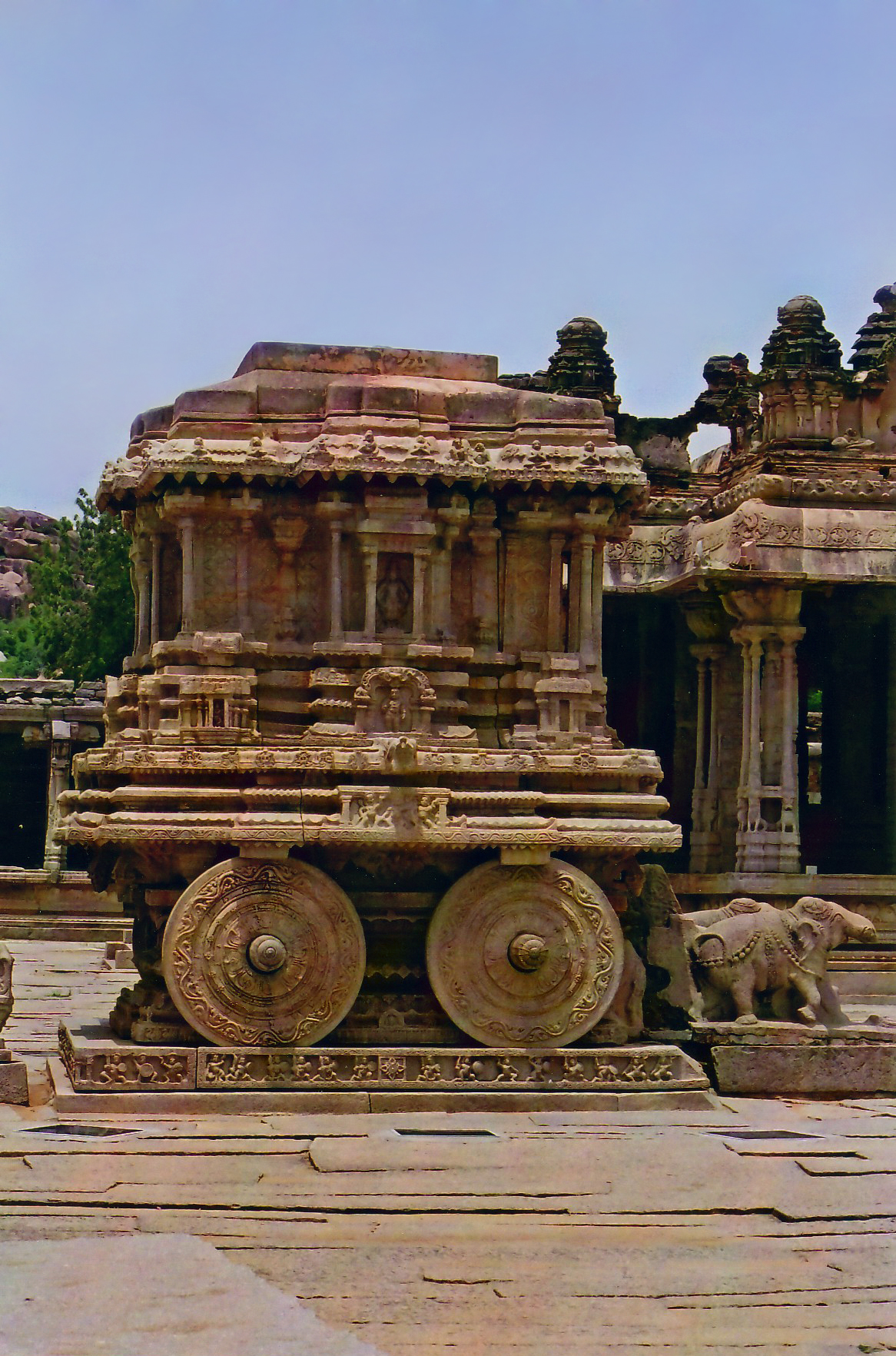 #1 in Hampi
Vittala Temple
Temple · 1.9 km · about 31 min walk