
Chhatrapati Shivaji Maharaj Terminus
#2of 10 places to visit in MumbaiMumbai, Maharashtra
Also known as CSMT · Victoria Terminus · VT · Bori Bunder Station
Quick answer
Opening hours: Open at all hours. Entry is free. Allow 45 min. Best time: 06:30–08:00 or 19:00–20:30.
Updated · Compiled by Traveliac, AI-assisted · 6 min read
- Opening hours
- Open 24h
- The concourse is a working railway station and never closes. The Heritage Gallery inside keeps roughly 10:00–17:00 and closes on Sundays and public holidays; hours are not consistently enforced, so check on arrival.
- Entry fee
- Free
- Time needed
- 45 min
- Best time of day
- 06:30–08:00 or 19:00–20:30
- Best months
- Oct – Mar
- Address
- Chhatrapati Shivaji Maharaj Terminus Area, Fort, Mumbai, Maharashtra 400001
About Chhatrapati Shivaji Maharaj Terminus
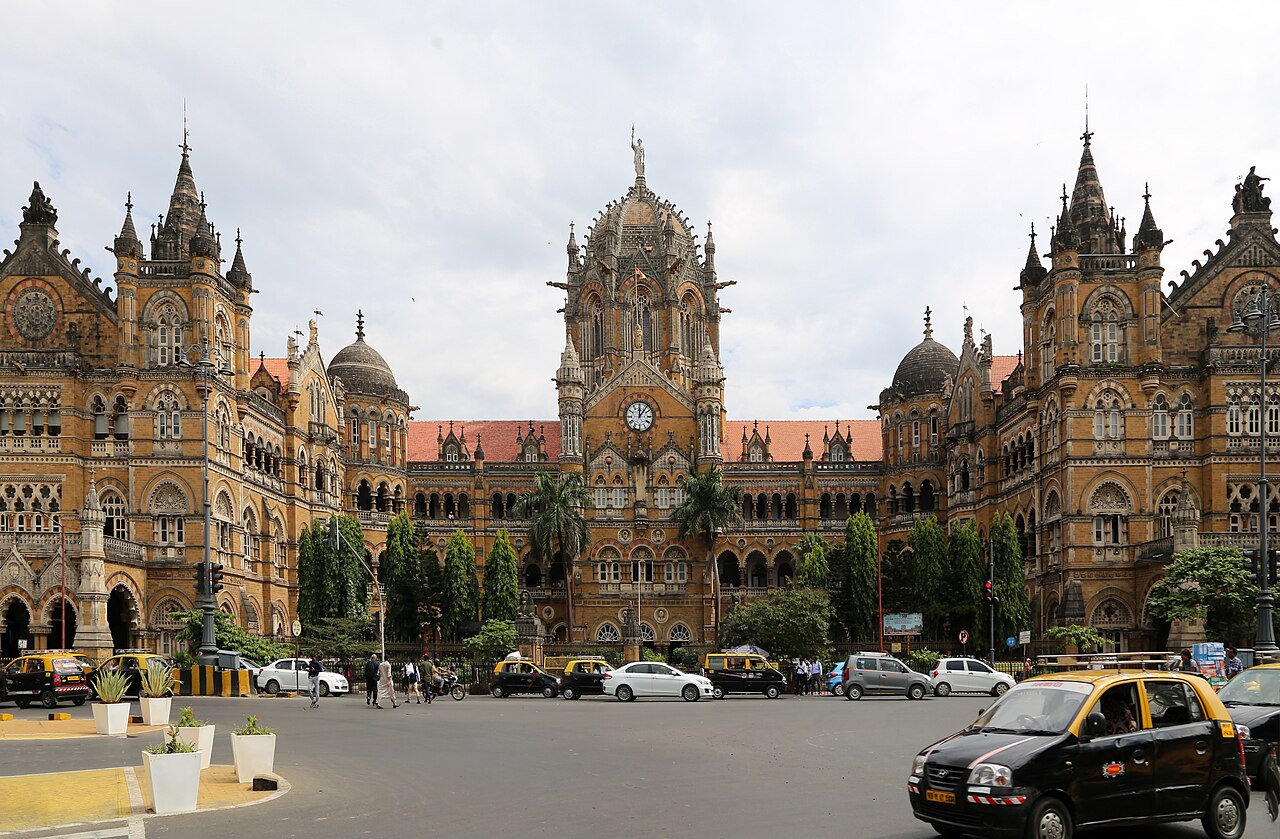
Victoria Terminus — the name CSMT replaced in 1996 and that many Mumbaikars still use without any particular nostalgia — is the most elaborately decorated building in Mumbai and one of the most complex Gothic Revival structures built anywhere in the world in the second half of the nineteenth century. It is also an active commuter railway terminal processing upwards of three million passengers on peak days, which means you experience the architecture while standing in a moving current of people who have no particular interest in the architecture. This is not a bug. The building was designed to move crowds and to impress them simultaneously — the architect Frederick William Stevens achieved both with a structure that manages to feel both vast and vertical, its stone-carved animals and human figures presiding over a perpetual human flood that would have confirmed every Victorian conviction about the civilising power of the railway.
Best time of day: 06:30–08:00 or 19:00–20:30. For the exterior in early morning light when the building's Kurla basalt is warm-toned and the forecourt is not yet overwhelmed with commuter flow; 19:00–20:30 for the lit Gothic facade against the dusk sky.
Chhatrapati Shivaji Maharaj Terminus timings
Chhatrapati Shivaji Maharaj Terminus is open 24 hours a day, every day of the week, including Saturday and Sunday.
- Opening hours
- Open 24h
Mon–Sun 00:00–23:59 - The concourse is a working railway station and never closes. The Heritage Gallery inside keeps roughly 10:00–17:00 and closes on Sundays and public holidays; hours are not consistently enforced, so check on arrival.
- Closed on
- Open every day
Good to know: No seasonal closure. The station operates on all 365 days. Heritage Gallery hours may be suspended without notice during railway administrative events.
Opening hours compiled from public records; this place lists no official website, last updated . They change without notice — confirm before you travel. How we write these guides
Chhatrapati Shivaji Maharaj Terminus ticket price
| Ticket | Price |
|---|---|
| Indian visitors | Free |
| Foreign visitors | Free |
| Children | Free |
| Camera | Free |
Exterior photography is free and unrestricted from the public forecourt and surrounding streets. Interior photography (within the operating station concourse) is permitted for personal use but tripods are prohibited inside the ticketed areas of the working station — Central Railway security personnel will ask you to remove a tripod. The first-floor Heritage Gallery (accessed via the original staircase inside the station building) charges a nominal entry of ₹50 for access to the restored administrative rooms; this is subject to opening hours and occasional closure for maintenance. Drone photography requires prior permission from Central Railway's Public Relations Officer, Mumbai Division, and is rarely granted over an active station.
Prices compiled from public records; this place lists no official website, last updated . They change without notice — confirm before you travel. How we write these guides
Best time to visit Chhatrapati Shivaji Maharaj Terminus
- Quiet
- Moderate
- Very busy
05:30–08:00
Pre-commuter dawnBest time to go
Early morning light on the blue-grey Kurla basalt gives the facade its warmest appearance. The forecourt holds early commuters and railway staff but is not yet overwhelmed. Best window for exterior architectural photography.
Quiet08:00–10:30
Morning peak
The main suburban rush hour. Three million passengers move through on a busy day. The forecourt and all internal concourses are at maximum density — not recommended for leisurely architectural appreciation.
Very busy10:30–16:30
Midday working hours
The station reverts to a more navigable state. Tour groups arrive from mid-morning. Heritage Gallery is open if operational. Interior concourse photography is feasible without constant obstruction.
Moderate17:00–20:30
Evening peak
The return commuter wave equals or exceeds the morning. The lit facade visible from D N Road after 19:00 is photogenic but the street itself is congested with buses and taxis.
Very busy21:00–05:00
Night hours
The station is quieter but not closed — overnight trains depart through the small hours. The illuminated dome and central tower visible from D N Road at this hour have a different quality of silence.
Quiet
History of Chhatrapati Shivaji Maharaj Terminus
Construction of Victoria Terminus began in 1878 on the site of the existing Bori Bunder station, the original 1853 terminus of the Great Indian Peninsular Railway — the line that ran India's first passenger train between Bori Bunder and Thane on 16 April 1853. The commission went to Frederick William Stevens, a British architect working in the Public Works Department of Bombay. Stevens spent the following decade producing a building that synthesised Gothic Revival with what he termed 'Indian Saracenic' detailing: the central dome — derived from St Pancras Station in London but crowned with a female figure representing Progress — is surrounded by pointed arches, gargoyles, turrets, and carved panels of local animals that include peacocks, monkeys, and a lion and tiger that serve as the station's heraldic supporters.
The primary material is blue-grey Kurla basalt from quarries in the eastern suburbs of Bombay, with the decorative carving executed in Porbander sandstone — a creamy buff limestone from Gujarat — and some imported Italian marble on the interior of the main booking hall. The construction employed a large workforce of Indian craftsmen trained at the Bombay School of Art, which explains why the carved figures and animal panels carry a distinctively Indian quality despite the Gothic structural vocabulary: the leaves and flowers in the corbels are identifiably Indian species, not the English oak and ivy of English Gothic Revival.
The building was completed and inaugurated in 1888, having taken exactly a decade to complete at a cost of approximately ₹1.6 million in 1888 currency. It was renamed in stages: first to Chhatrapati Shivaji Terminus (CST) in 1996 and then, following a state government directive to fully honour the Maratha king, to Chhatrapati Shivaji Maharaj Terminus (CSMT) in 2017.
UNESCO inscribed the building as a World Heritage Site in 2004, citing it as an outstanding example of Victorian Gothic Revival architecture in Asia, and noting the synthesis of Western structural techniques with Indian decorative traditions. The inscription came in the same year as the inscription of the Mumbai Victorian Gothic and Art Deco Ensembles — though that broader inscription was only formalised in 2018. The station remains in full active operation under Central Railway, the administrative railway zone that manages it; this operational continuity is part of what UNESCO cited in its inscription.
Rules & etiquette at Chhatrapati Shivaji Maharaj Terminus
CSMT is an operating railway station under the jurisdiction of Central Railway and subject to railway security protocols. Valid platform tickets (₹10 per person, purchased at the ticketing windows) are required to access the platforms and much of the concourse beyond the public forecourt — this is enforced, particularly during peak commuter hours. Do not attempt to access platforms or the mainline departure areas without a platform ticket or a valid train ticket.
Tripods are prohibited inside the station's ticketed areas; a small travel tripod may draw less attention in the outer concourse but should not be assumed to be permissible. Security personnel have the authority to confiscate unauthorised photography equipment.
The station's exterior — the forecourt facade, the dome viewed from the median of Dr D N Road, and the rear elevation visible from the Municipal Corporation area — is entirely public space and may be photographed without restriction from any public street vantage point. The best unobstructed view of the full facade is from the D N Road median, roughly 80 metres from the entrance, though parked vehicles and bus stops frequently interrupt the sightline.
Be aware that the forecourt becomes extremely congested during the morning peak (08:00–10:00) and evening peak (17:30–20:00) when suburban train commuters flow through in volumes that make it difficult to stand still for photography. The architectural tour of the Heritage Gallery requires separate arrangements and is best pre-booked by calling Central Railway's PRO office.
Tips for visiting Chhatrapati Shivaji Maharaj Terminus
- 1
The single most overlooked viewing angle for CSMT is from the southeast — walk along the flanking lane on the station's eastern side (toward the Post Office and the Cama Hospital direction) and look back at the rear elevation and the subsidiary Gothic gables. Most photographs of CSMT are taken from D N Road to the west; the building is just as elaborate on its non-public faces.
- 2
For the Heritage Gallery on the first floor: the original staircase inside the main booking hall, with its wrought-iron balustrade and carved stone newel posts, is worth navigating even if the gallery itself is closed. Arrive at a mid-morning hour on a weekday when the commuter rush has cleared.
- 3
The Municipal Corporation building directly across from CSMT, designed by F W Stevens in the same period (completed 1893) and in a closely related Gothic vocabulary, creates a paired ensemble that frames D N Road. Walking this stretch on a Sunday morning, when traffic is minimal and the facades are clear, is one of the better free architectural experiences in India.
- 4
For rail travel from CSMT: the suburban ticket window for Central Line services (Thane, Kalyan, Kasara, Karjat directions) is to the station's left; mainline reservation is in the separate Reservation Centre accessed from a side entrance. The station has reliable left-luggage facilities (₹30–50 per bag per day) on the ground floor — useful if you are arriving by overnight train and want to explore South Mumbai before checking into accommodation.
How to reach Chhatrapati Shivaji Maharaj Terminus
The red star is Chhatrapati Shivaji Maharaj Terminus; the numbered pins are the 8 nearest places in our guides, each showing its rank in its city. Tap a pin for details.
Chhatrapati Shivaji Maharaj Terminus Area, Fort, Mumbai, Maharashtra 400001Directions in Google Maps
From Gateway of India, Colaba
₹80–1303.2 km · 15–25 min
From Churchgate Station (Western Railway)
1.8 km · 18–25 min on foot; 10–15 min by taxi
Free on foot; ₹60–80 by taxi
From Mumbai Airport (T2)
₹400–65022 km · 40–65 min
Depending on surge
From Dadar Station (Central or Western Railway)
₹10–159 km · 18–22 min
Second class suburban
Nearest airport
From Chhatrapati Shivaji Maharaj International Airport, Mumbai
22 km, approximately 40–60 minutes by taxi.
Nearest railway station
From CSMT is itself the terminus. The nearest Metro station is CST Metro on Line 2B (Yellow Line), at the forecourt.
Chhatrapati Shivaji Maharaj Terminus FAQs
Do I need a ticket to enter CSMT?
The public forecourt is free to access. To enter the platforms and main concourse beyond the gate barriers, you need a platform ticket (₹10, from ticketing windows) or a valid train ticket. This is enforced.
Can I use a tripod for photography inside?
No. Tripods are prohibited inside the ticketed areas of the working station by Central Railway security rules. Tripod photography on the public exterior from D N Road and surrounding streets is unrestricted.
When was it renamed from Victoria Terminus?
The station was renamed Chhatrapati Shivaji Terminus (CST) in 1996 and then further amended to Chhatrapati Shivaji Maharaj Terminus (CSMT) in 2017. 'VT' remains in colloquial use among older Mumbaikars.
What is the Heritage Gallery and how do I visit it?
The Heritage Gallery is a small museum on the station's first floor showcasing historical photographs, architectural drawings, and artefacts from the terminus's construction and operational history. Access is via the interior staircase in the main booking hall. Hours are approximately 10:00–17:00 on weekdays; entry is ₹50. Hours are frequently subject to change — confirm at the station's information desk on arrival.
What architectural style is CSMT?
UNESCO describes it as Victorian Gothic Revival with Indian Saracenic ornamentation — a hybrid the architect Frederick William Stevens developed deliberately. Structurally it follows Gothic Revival principles (pointed arches, ribbed vaulting, flying buttresses at the rear). The carved decorative programme draws on both Gothic bestiaries and Indian iconographic traditions, executed by Indian craftsmen trained at the Bombay School of Art.
Compiled with AI assistance from official sources and public records, and published only after the checks in How we write these guides. Nobody from Traveliac has visited this place. Last updated . How we rank and check places
Places to visit near Chhatrapati Shivaji Maharaj Terminus
Straight-line distances from our map; times are estimates.
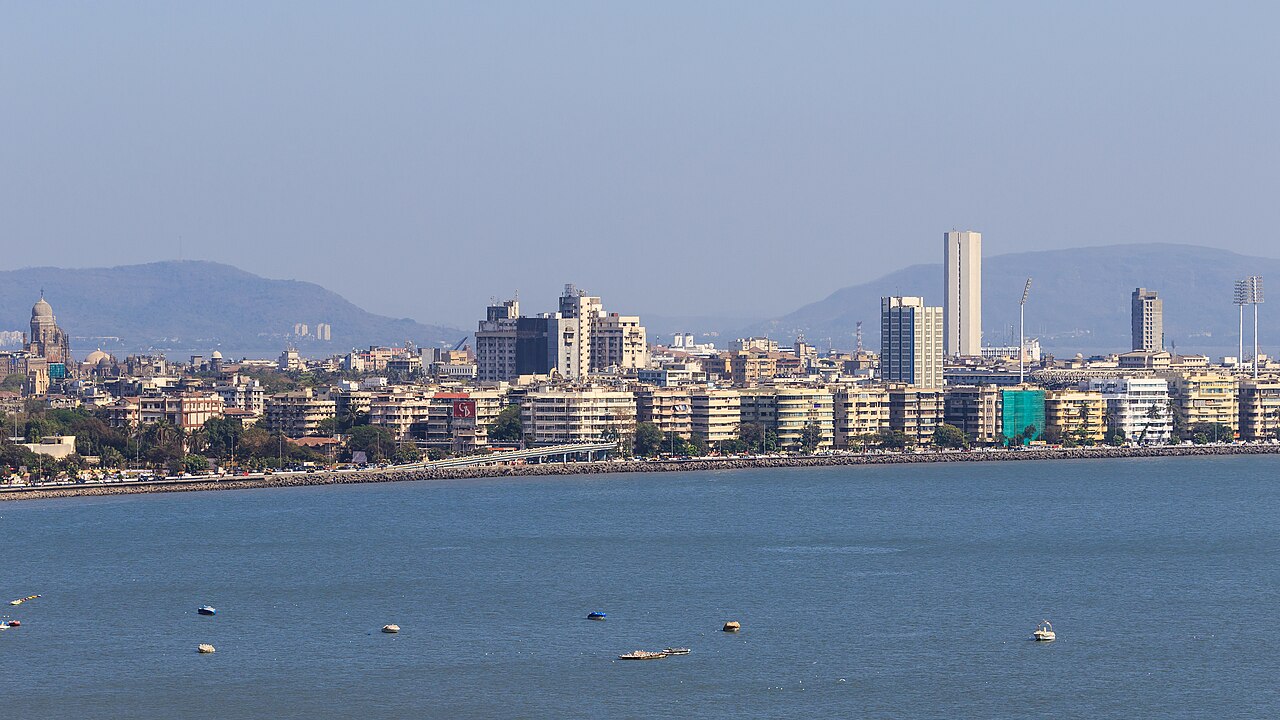 #4 in MumbaiFree entry
Marine Drive
Heritage · 1.4 km · about 23 min walk
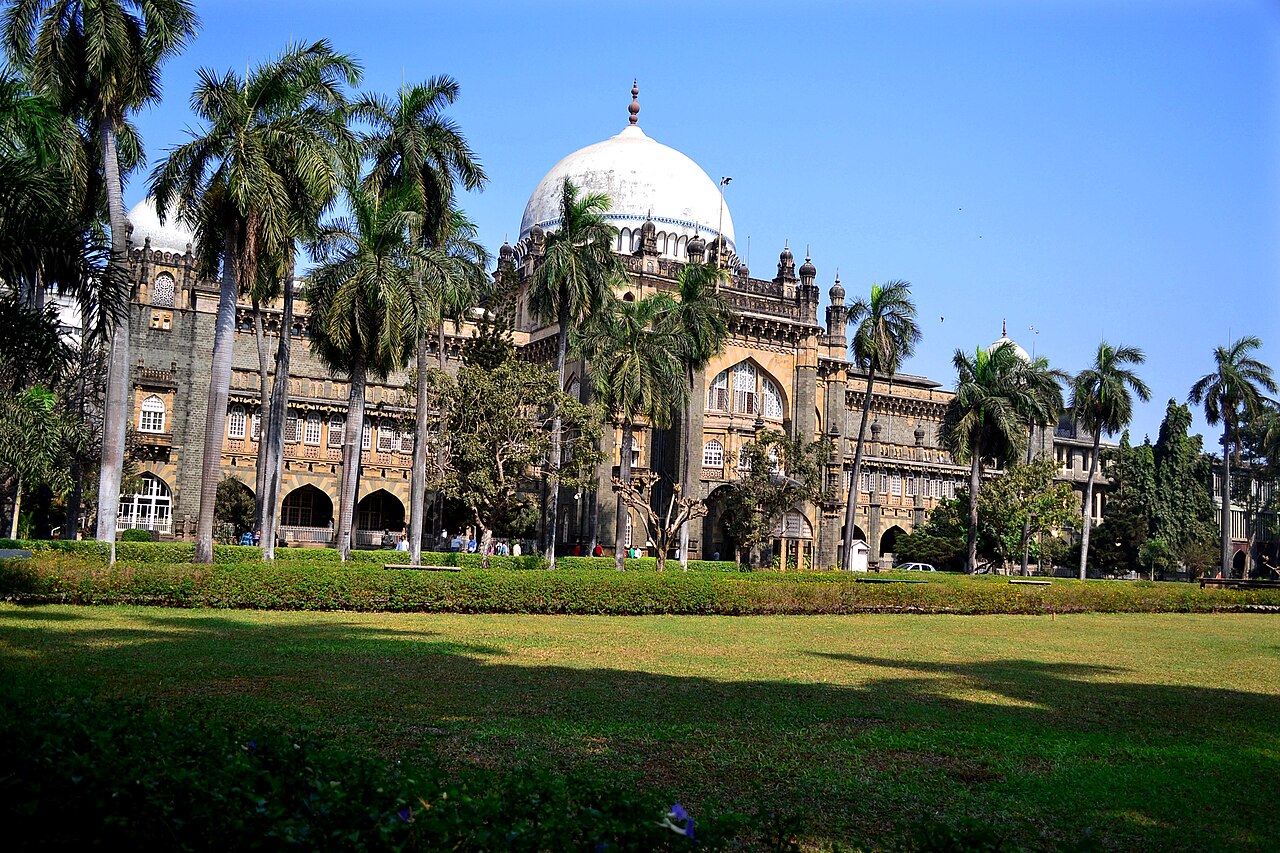 #5 in Mumbai
Chhatrapati Shivaji Maharaj Vastu Sangrahalaya
Museum · 1.5 km · about 24 min walk
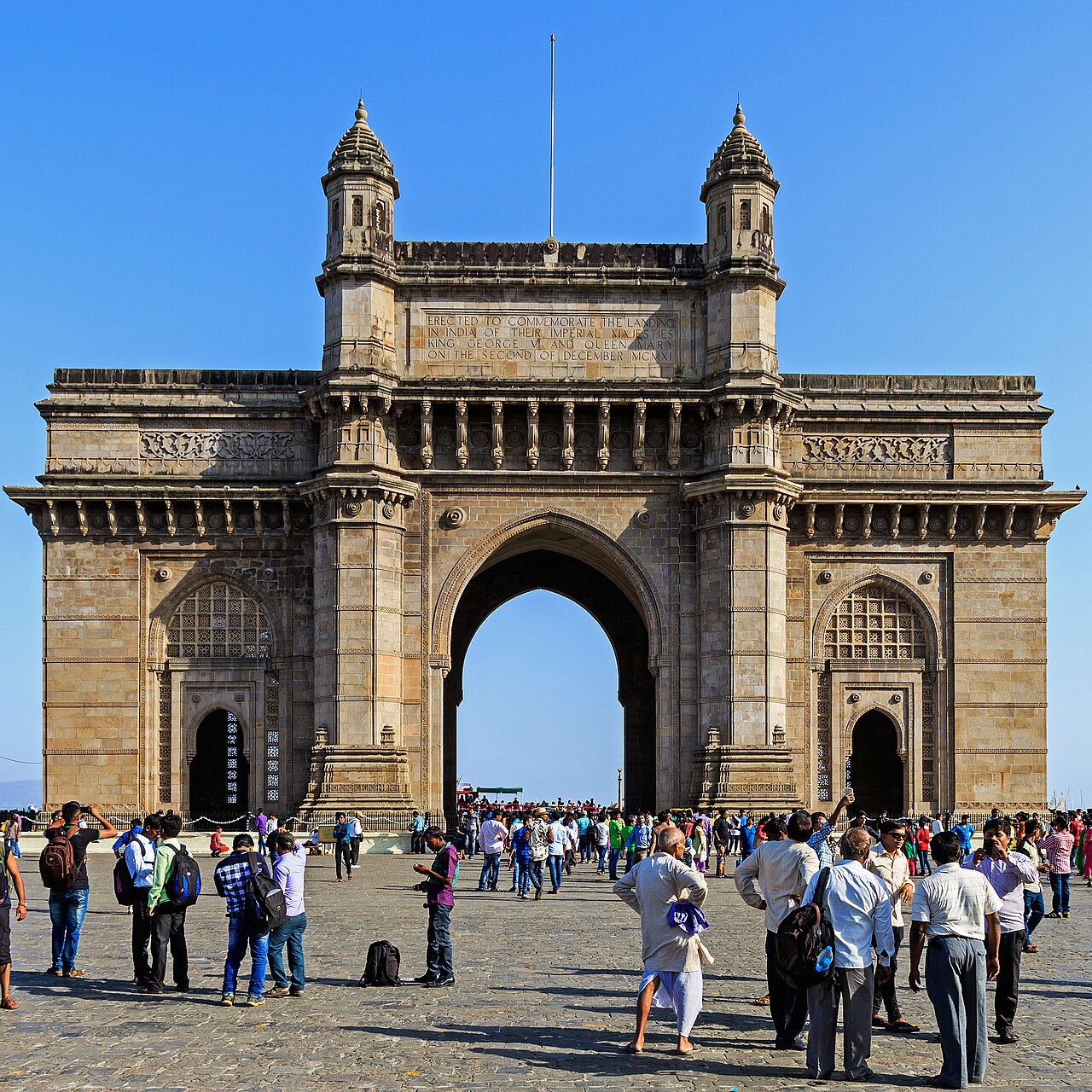 #1 in MumbaiFree entry
Gateway of India
Monument · 2.0 km · about 32 min walk
 #9 in MumbaiFree entry
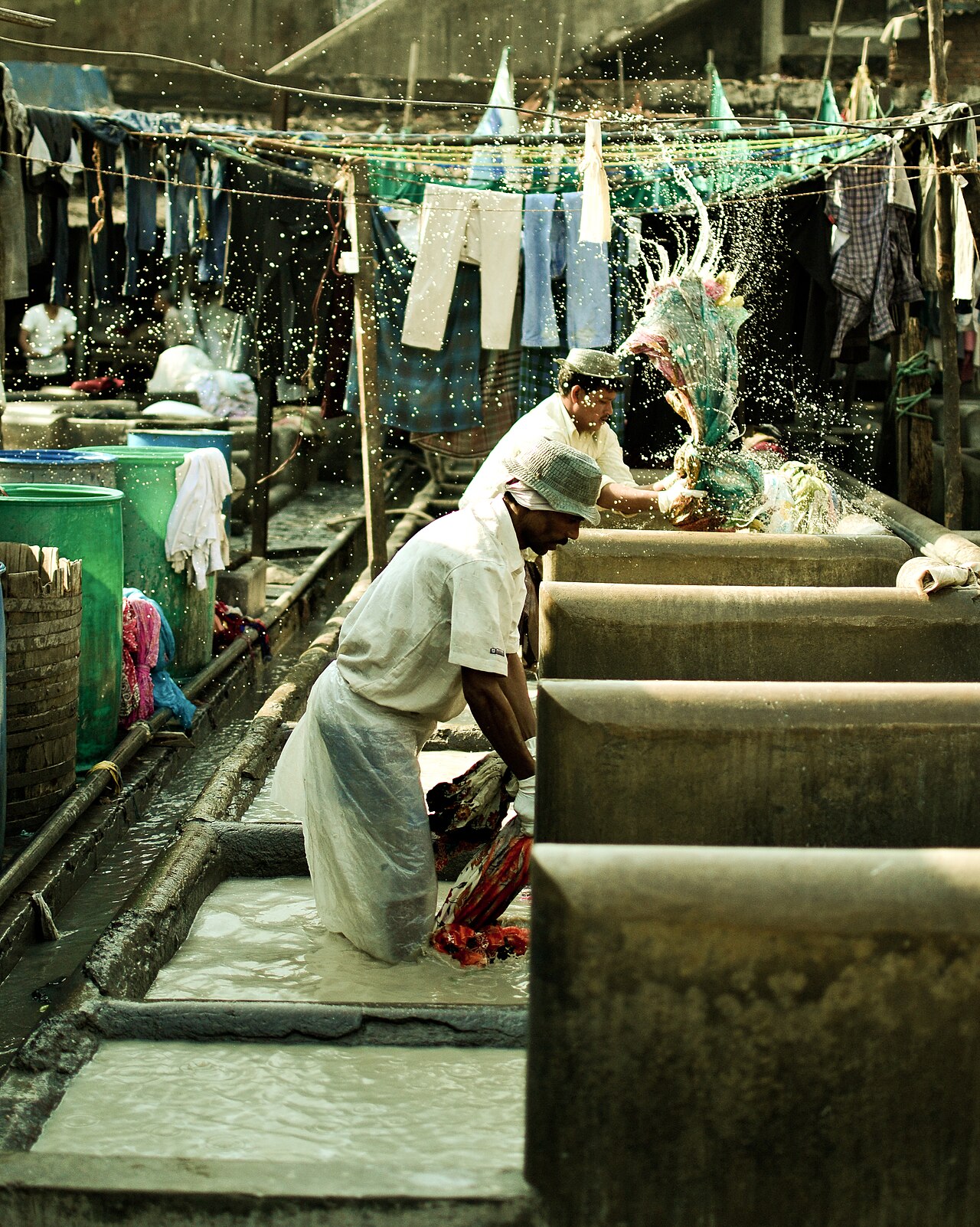
Mahalaxmi Dhobi Ghat
Heritage · 5 km · about 15 min by road