
Shree Siddhivinayak Ganapati Mandir
#7of 10 places to visit in MumbaiMumbai, Maharashtra
Also known as Siddhivinayak Temple · Siddhivinayak Ganapati Temple
Quick answer
Opening hours: 05:30–22:10. Entry is free. Allow 45 min. Best time: Weekday early morning.
Updated · Compiled by Traveliac, AI-assisted · 5 min read
- Opening hours
- 05:30–22:10
- 05:30 – 22:10 daily; Tuesdays (the day considered most auspicious for Ganesha worship) see extended opening from approximately 03:15 to accommodate the week's heaviest footfall.
- Entry fee
- Free
- Time needed
- 45 min
- Best time of day
- Weekday early morning
- Best months
- Oct – Mar
- Address
- SK Bole Marg, Prabhadevi, Mumbai, Maharashtra 400025
About Shree Siddhivinayak Ganapati Mandir
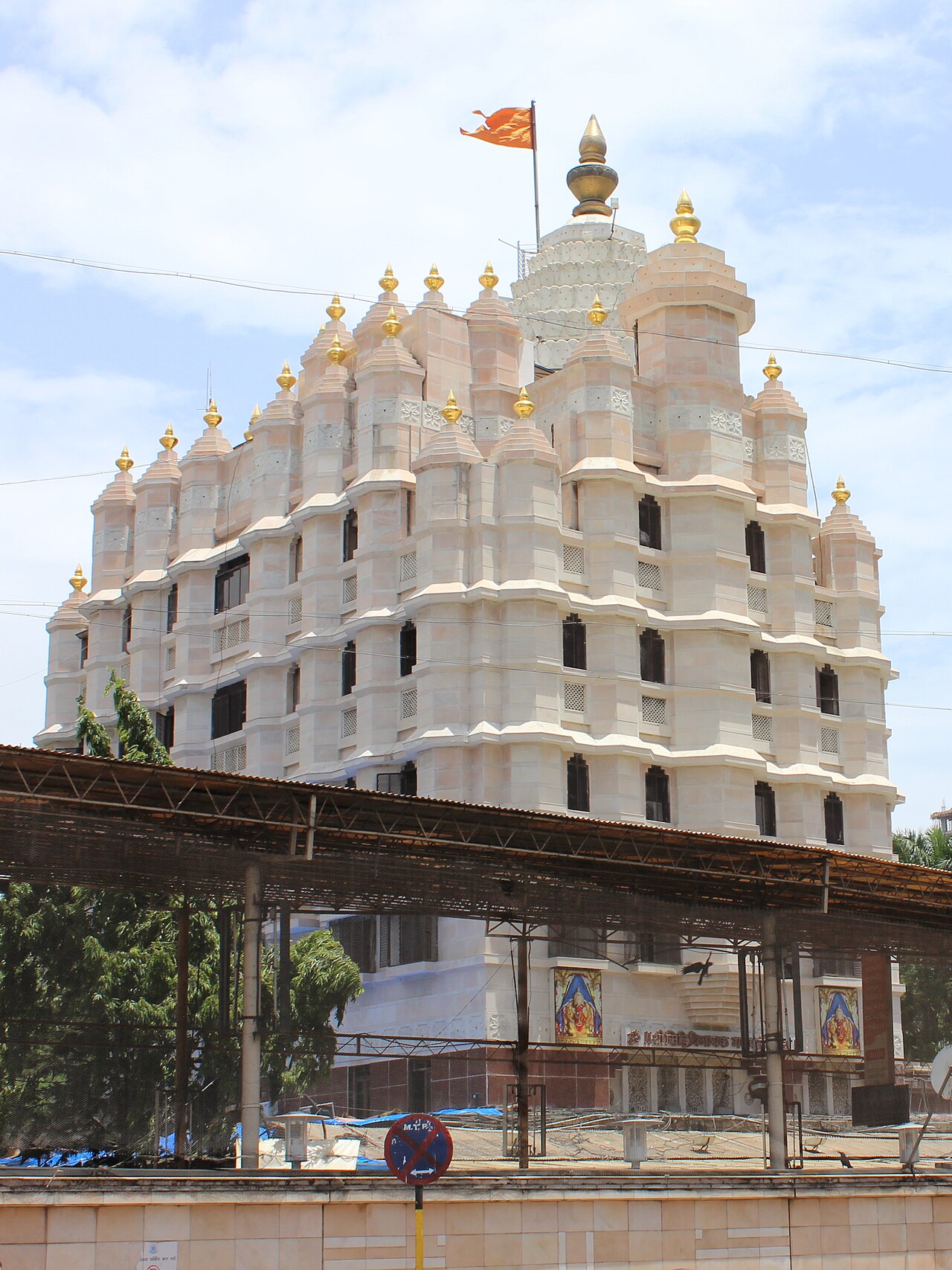
Siddhivinayak began as a modest village shrine and is now one of the wealthiest and most politically visible Hindu temples in India, drawing a daily cross-section of Mumbai that runs from dabbawalas on their morning round to Bollywood stars arriving under police escort. The presiding deity is a black stone image of Ganesha with an unusual iconographic detail: the trunk curves to the right rather than the more common left, a form devotees consider especially potent and difficult to worship correctly, which is reflected in the temple's name — 'Siddhivinayak' combines siddhi (spiritual power or accomplishment) with Vinayak, an epithet of Ganesha. The image is flanked by depictions of Riddhi and Siddhi, the goddesses of prosperity and spiritual attainment, seated on Ganesha's either side. Structurally the current temple is a mostly late-twentieth-century building in white marble with a gold-plated dome, the product of a major reconstruction that replaced the far smaller original shrine.
Best time of day: Weekday early morning. 05:30–07:00, avoiding Tuesdays entirely if queue length is a concern.
Shree Siddhivinayak Ganapati Mandir timings
Shree Siddhivinayak Ganapati Mandir opens at 05:30 and closes at 22:10. The weekend is no different: Saturday and Sunday follow the same times.
- Opening hours
- 05:30–22:10
Mon–Sun 05:30–22:10 - 05:30 – 22:10 daily; Tuesdays (the day considered most auspicious for Ganesha worship) see extended opening from approximately 03:15 to accommodate the week's heaviest footfall.
- Closed on
- Open every day
Good to know: The ten-day Ganesh Chaturthi festival, falling in August or September on the Hindu lunar calendar, brings the temple's single largest annual surge, with queues reported to run several hours long; this is by far the most crowded period of the year and not recommended for visitors seeking a contemplative experience.
Opening hours compiled from siddhivinayak.org and public records, last updated . They change without notice — confirm before you travel. How we write these guides
Shree Siddhivinayak Ganapati Mandir ticket price
| Ticket | Price |
|---|---|
| Indian visitors | Free |
| Foreign visitors | Free |
| Children | Free |
| Camera | Free |
General darshan (viewing of the deity) is free and unticketed. The trust has, at various points, sold a paid 'Sheeghra Darshan' (express darshan) pass priced in the ₹200–501 range to bypass the general queue; this facility has been repeatedly suspended and reinstated amid public criticism over unequal access to a public place of worship, so its current availability should be confirmed at the temple's inquiry counter on arrival rather than assumed. Mobile phones and cameras must be deposited at a free cloakroom outside; photography inside the sanctum is not permitted under any circumstance.
Prices compiled from siddhivinayak.org and public records, last updated . They change without notice — confirm before you travel. How we write these guides
Best time to visit Shree Siddhivinayak Ganapati Mandir
- Moderate
- Busy
- Very busy
05:30 – 07:00
Early MorningBest time to go
The day's first wave of regular devotees. Queue typically resolves within 20–30 minutes outside of Tuesdays.
Moderate10:00 – 13:00
Midday
Office-goers on lunch breaks and tour groups converge. Queue times extend but remain generally manageable on non-Tuesday weekdays.
BusyTuesday (all day)
Weekly Peak
Tuesday is considered the most auspicious day for Ganesha worship; queues of two to four hours are common from mid-morning through evening.
Very busy18:00 – 20:00
Evening Aarti Window
Evening aarti (ritual prayer with lamps) draws a dense but generally orderly crowd; the atmosphere is more devotional and less transactional than the midday tourist window.
Busy
History of Shree Siddhivinayak Ganapati Mandir
The temple was built in 1801, commissioned by a local Agri-caste couple, Deubai Patil and Laxman Vithu Patil, who reportedly funded its construction to fulfil a wish for children, working with a local contractor named Ramji Sakpal — a name of particular note because Sakpal was the father of B.R. Ambedkar, the principal architect of the Indian Constitution, a genealogical footnote the temple trust has publicised in recent decades. The original structure was a small, single-room shrine, unremarkable in scale and largely a neighbourhood temple serving Prabhadevi's fishing and agricultural communities through the nineteenth and early twentieth centuries.
The temple's transformation into a mass pilgrimage site is a late-twentieth-century phenomenon, driven by a widening belief in the deity's efficacy that spread well beyond the immediate neighbourhood, aided by Bollywood's proximity — Prabhadevi and adjoining Dadar sit close to several major film studios and the residences of numerous film industry figures, many of whom became visible, publicised devotees. Rising footfall through the 1980s and 1990s forced repeated expansions, culminating in a large-scale reconstruction completed in the mid-1990s that produced the current marble sanctum and gold dome, funded substantially by devotee donations that have made the trust one of the wealthier religious institutions in the state.
That wealth and visibility produced the temple's most persistent modern controversy: differentiated access for VIP and paying devotees against the general public queue. Sheeghra Darshan passes, offering an expedited route past the general line for a fee, and separate protocols for celebrities and politicians arriving through side entrances, have drawn recurring criticism in the Mumbai press as a departure from the principle of equal access to a public deity, and the trust has periodically suspended the paid-pass system in response to that criticism, only to reinstate versions of it later.
Rules & etiquette at Shree Siddhivinayak Ganapati Mandir
Mobile phones, cameras, and all bags must be surrendered at the free cloakroom counter before entering the queue lines; this is enforced by security at the metal-detector checkpoint and is not negotiable, including for phones intended only for personal photographs outside the sanctum. Photography of the deity is prohibited without exception.
Footwear is removed at a separate rack well before the main entrance, and the approach to the sanctum from that point is barefoot on stone and marble flooring that can become uncomfortably hot on a sunny afternoon. Modest dress is expected; there is no strict enforced dress code comparable to some South Indian temples, but shorts and sleeveless tops draw disapproving attention from other devotees more than from temple staff.
The general queue on a Tuesday can extend for two to four hours depending on the time of day and any concurrent festival; weekday visits on Wednesday through Sunday mornings before 08:00 are markedly faster, typically under 30 minutes. If the Sheeghra Darshan paid-queue option is active at the time of your visit, it is sold at a separate counter near the main entrance — ask directly, since availability changes without much public notice.
Tips for visiting Shree Siddhivinayak Ganapati Mandir
- 1
Visit on a weekday, ideally a Wednesday or Thursday morning, if queue time matters more to you than the specifically auspicious quality of a Tuesday visit — the deity and darshan experience are otherwise identical, and the practical difference in waiting time is substantial.
- 2
The surrounding Prabhadevi neighbourhood has a cluster of prasad shops selling the temple's associated sweet offerings, along with modest eateries serving Maharashtrian thali; the area functions as a genuine working-class neighbourhood rather than a purpose-built tourist precinct, which is part of its character.
- 3
During Ganesh Chaturthi, avoid a first-time visit altogether unless the festival crowd itself is the point of interest — queue times reported in the local press during the festival's peak days have run into many hours, and crowd density in the temple's forecourt reaches levels that are genuinely difficult for anyone uncomfortable in packed crowds. If visiting specifically to observe the festival, arrive well before dawn and expect the visit to consume the better part of a day.
How to reach Shree Siddhivinayak Ganapati Mandir
The red star is Shree Siddhivinayak Ganapati Mandir; the numbered pins are the 8 nearest places in our guides, each showing its rank in its city. Tap a pin for details.
SK Bole Marg, Prabhadevi, Mumbai, Maharashtra 400025Directions in Google Maps
From Prabhadevi Station
0.6 km · 8–10 min
Free
From Dadar Station
₹40–701.8 km · 10–15 min
From Mumbai Airport (T2)
₹350–55022 km · 35–60 min
Depending on traffic and surge
Nearest airport
From Chhatrapati Shivaji Maharaj International Airport, Mumbai (BOM)
22 km, approximately 35–60 minutes by taxi depending on traffic.
Nearest railway station
From Prabhadevi, Western line
600 metres, an 8–10 minute walk. Dadar, both Western and Central lines, is 1.8 km and offers more frequent train service if arriving from either line's outer sections.
Shree Siddhivinayak Ganapati Mandir FAQs
Why is Tuesday considered special at Siddhivinayak Temple?
Tuesday is traditionally regarded as the most auspicious day of the week for worshipping Ganesha in Maharashtra, and Siddhivinayak sees its heaviest weekly footfall on that day as a result, with extended opening hours from around 03:15 and queue times that can run two to four hours.
Is there a paid fast-track darshan option at Siddhivinayak?
The trust has, at different times, offered a paid 'Sheeghra Darshan' pass priced roughly between ₹200 and ₹501 to bypass the general queue. This facility has been suspended and reinstated repeatedly following public criticism about unequal access, so confirm current availability at the temple's inquiry counter rather than assuming it is active.
Can I bring a phone or camera inside the temple?
No. Phones, cameras, and bags must be deposited at a free cloakroom before entering the queue and security checkpoint. Photography of the deity inside the sanctum is prohibited without exception.
How do I avoid long queues at Siddhivinayak Temple?
Visit on a weekday other than Tuesday, ideally between 05:30 and 07:00 or after 20:00, when queues are typically under 30 minutes. Avoid the Ganesh Chaturthi festival period entirely unless the festival atmosphere itself is the reason for the visit.
Compiled with AI assistance from official sources and public records, and published only after the checks in How we write these guides. Nobody from Traveliac has visited this place. Last updated . How we rank and check places
Places to visit near Shree Siddhivinayak Ganapati Mandir
Straight-line distances from our map; times are estimates.
 #10 in MumbaiFree entry
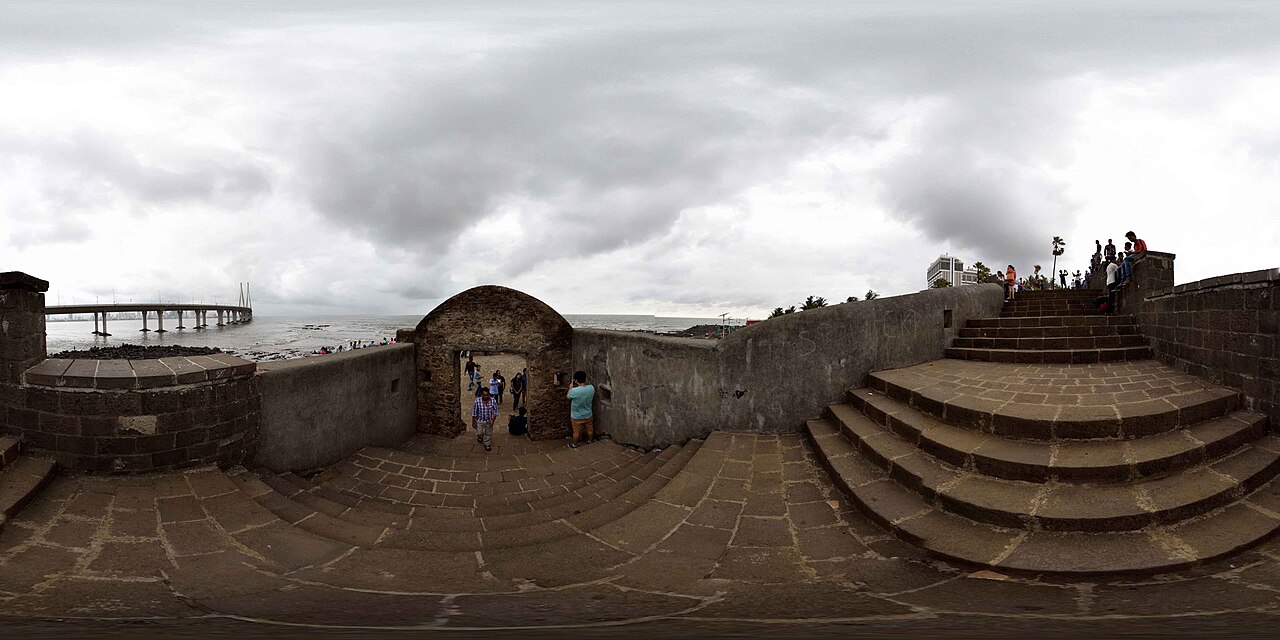
Bandra Fort
Fort · 3 km · about 10 min by road
 #9 in MumbaiFree entry
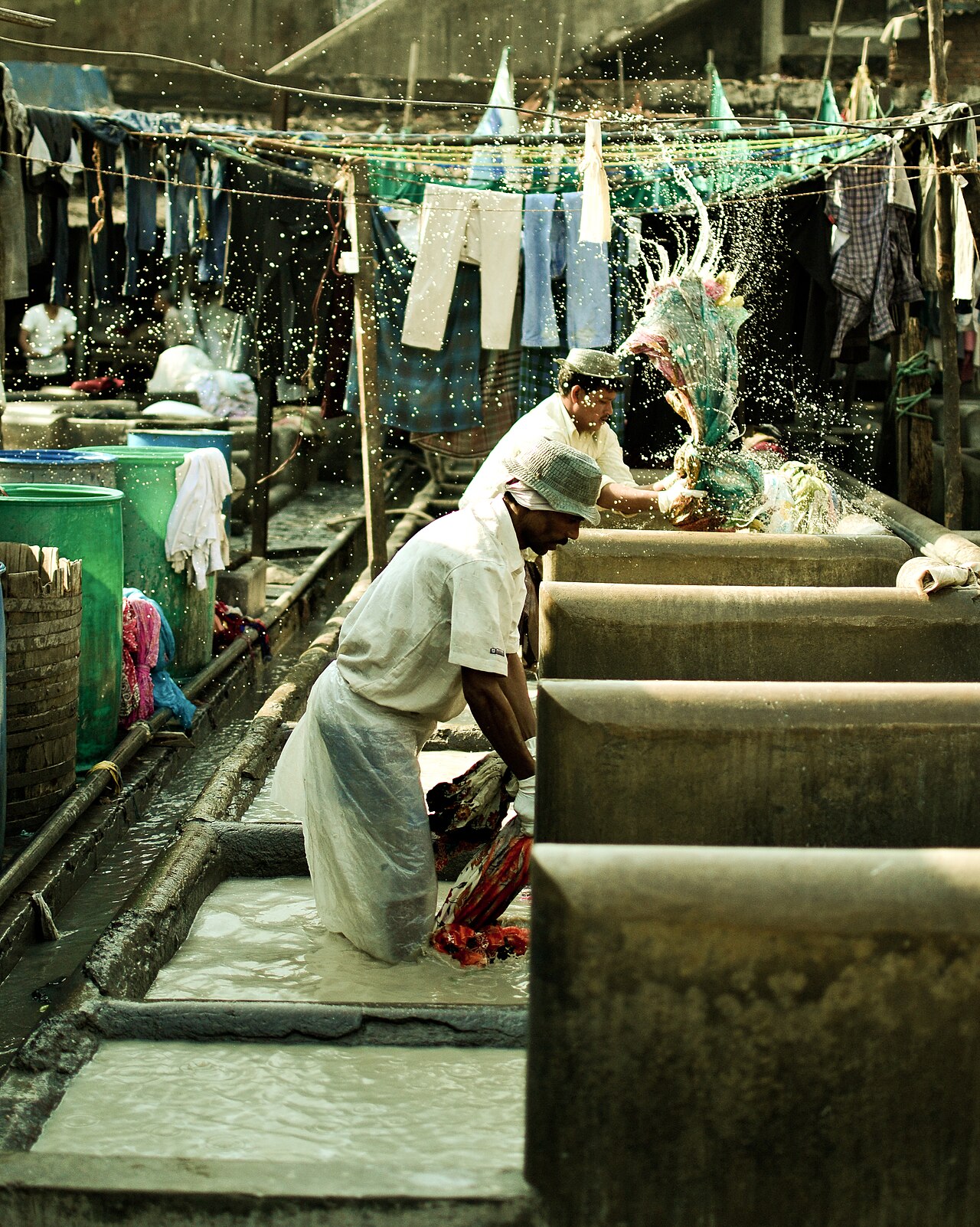
Mahalaxmi Dhobi Ghat
Heritage · 4 km · about 10 min by road
 #6 in MumbaiFree entry
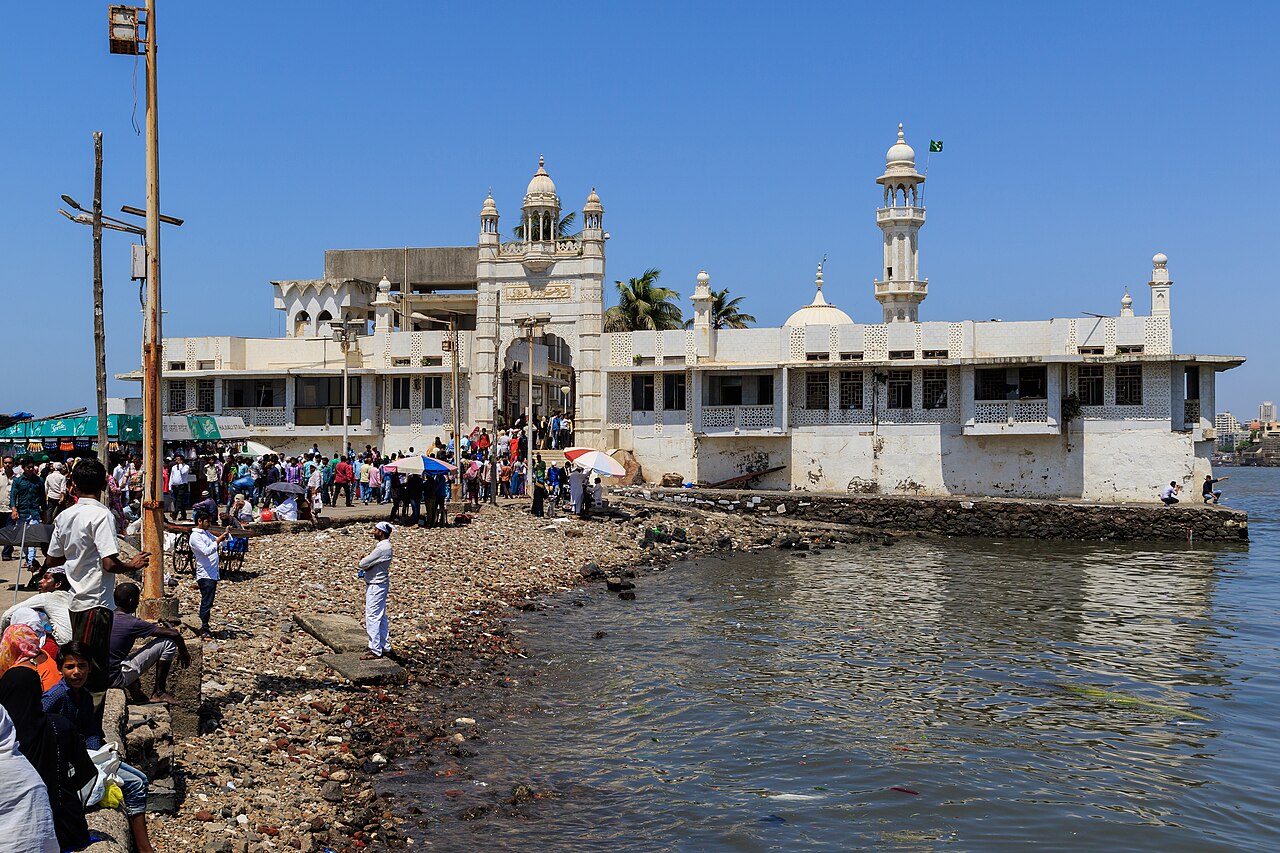
Haji Ali Dargah
Dargah · 4 km · about 15 min by road
 #4 in MumbaiFree entry
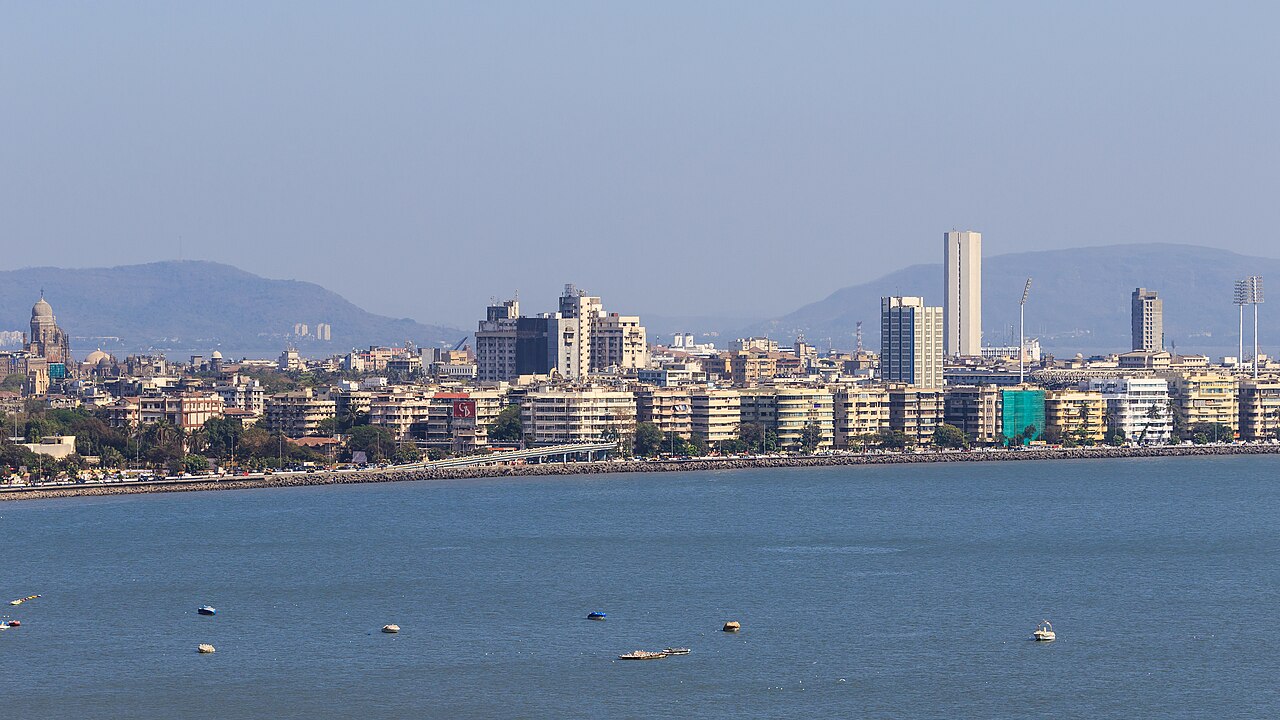
Marine Drive
Heritage · 8 km · about 25 min by road