
Marine Drive
#4of 10 places to visit in MumbaiMumbai, Maharashtra
Also known as Netaji Subhash Chandra Bose Road · Queen's Necklace
Quick answer
Opening hours: No fixed opening hours. Entry is free. Allow 1 hr. Best time: 17:30 – 19:00.
Updated · Compiled by Traveliac, AI-assisted · 5 min read
- Opening hours
- No fixed hours
- Open 24 hours. The tetrapod seawall itself has no gate.
- Entry fee
- Free
- Time needed
- 1 hr
- Best time of day
- 17:30 – 19:00
- Best months
- Oct – Mar
- Address
- Netaji Subhash Chandra Bose Road, running from Nariman Point to Babulnath, Mumbai, Maharashtra 400020
About Marine Drive
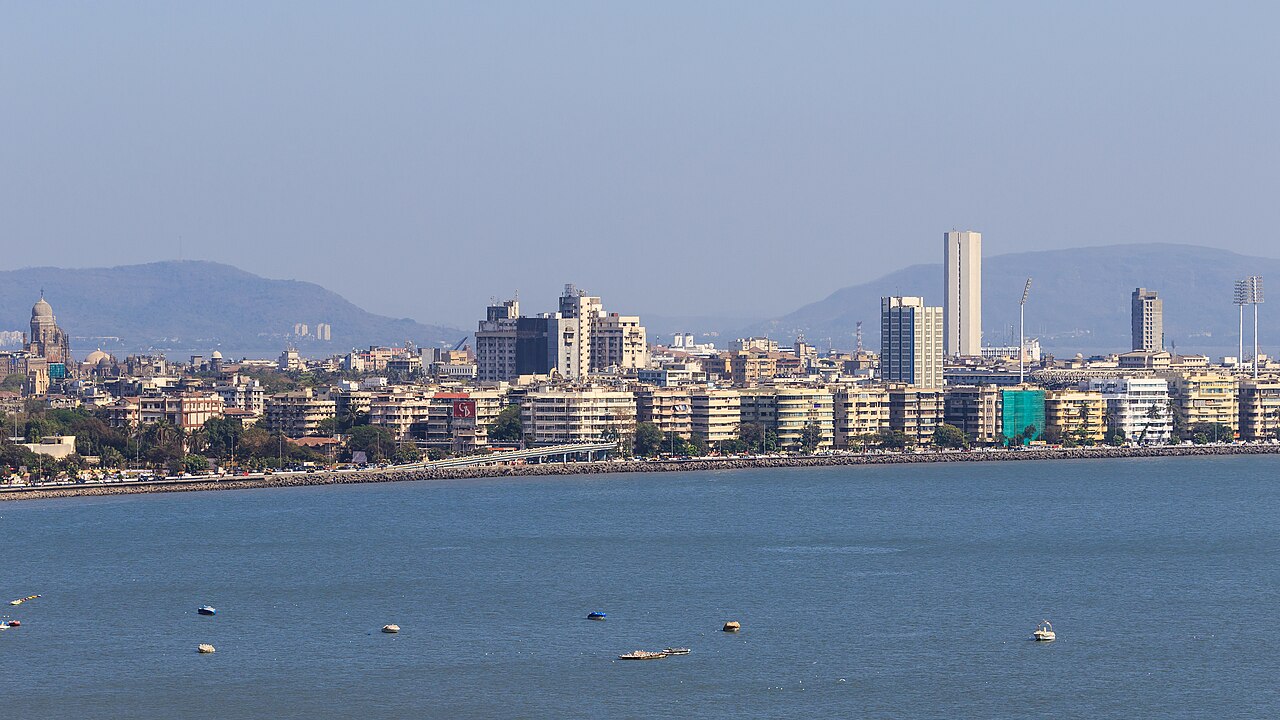
Marine Drive is a 3.6-kilometre reclaimed-land curve tracing the western edge of the peninsula from Nariman Point to the foot of Malabar Hill, and it is the closest thing Mumbai has to a civic living room. The road is officially Netaji Subhash Chandra Bose Road, a name almost nobody uses. What draws the crowds is a double asset: the seafront tetrapod wall where people sit facing the Arabian Sea at all hours, and the unbroken run of Art Deco apartment blocks on the landward side, built through the 1930s and 1940s in cream, mint, and rose-tinted stucco with rounded corner balconies, porthole windows, and stepped cornice lines. UNESCO recognised the ensemble — Marine Drive together with the Oval Maidan precinct — as a World Heritage Site in 2018, citing it as the world's second-largest collection of Art Deco buildings after Miami's. After dark, the streetlights along the curve give the promenade its nickname: seen from a height, such as the Kamala Nehru Park viewpoint on Malabar Hill, the string of lights resembles a necklace laid against the dark water — the 'Queen's Necklace.'
Best time of day: 17:30 – 19:00. For sunset over the Arabian Sea from the Chowpatty end, and after 19:30 when the curve's streetlights switch on and the 'Queen's Necklace' effect is visible from the Malabar Hill viewpoints above.
Marine Drive timings
- Opening hours
- No fixed hours
Mon–Sun No fixed hours - Open 24 hours. The tetrapod seawall itself has no gate.
- Closed on
- Open every day
Good to know: During the June–September monsoon, high tide combined with a strong swell sends waves directly over the parapet wall onto the traffic lanes and footpath — a recurring and photographed phenomenon known locally as the promenade 'flooding.' Municipal barricades are sometimes erected on the sea-facing footpath during named cyclonic depressions in the Arabian Sea.
Opening hours compiled from maharashtratourism.gov.in and public records, last updated . They change without notice — confirm before you travel. How we write these guides
Marine Drive ticket price
| Ticket | Price |
|---|---|
| Indian visitors | Free |
| Foreign visitors | Free |
| Children | Free |
| Camera | Free |
The promenade and seawall are entirely open, unticketed public space. No fee applies at any point along the 3.6-kilometre curve. Girgaum Chowpatty beach at the southern end is likewise free; vendors there charge separately for bhelpuri, pav bhaji, and coconut water.
Prices compiled from maharashtratourism.gov.in and public records, last updated . They change without notice — confirm before you travel. How we write these guides
Best time to visit Marine Drive
- Quiet
- Moderate
- Busy
- Very busy
06:00 – 08:00
Morning Exercise Hour
Joggers, walkers, and yoga groups use the promenade before the day's heat and traffic build. Sea breeze is at its coolest.
Moderate12:00 – 16:00
Midday LullBest time to go
Direct sun and heat on the unshaded seawall discourage lingering. The thinnest crowds of the day, useful for unobstructed architecture photography of the Art Deco facades.
Quiet17:30 – 20:00
Sunset Peak
The single busiest window. Families, couples, and street vendors converge along the entire seawall for sunset; Chowpatty's food stalls do their heaviest trade of the day.
Very busy20:00 – 23:00
Evening Wind-Down
Crowds thin gradually but remain substantial. The illuminated curve is at its most photogenic from Malabar Hill viewpoints during this window.
Busy
History of Marine Drive
The land beneath Marine Drive did not exist as usable ground until the 1920s. The Bombay Government's Backbay Reclamation Scheme, first proposed in the 1860s and repeatedly stalled by financing scandals and engineering setbacks, finally reclaimed the seafront strip between Nariman Point and Chowpatty in stages through the 1920s and early 1930s. The road itself was completed and named after the Governor of Bombay who oversaw its construction, though the current Netaji Subhash Chandra Bose designation replaced the colonial name after independence.
The Art Deco building boom followed almost immediately. Mumbai's newly reclaimed, valuable coastal land attracted developers and architects who had trained in Bombay's J.J. School of Art and absorbed the Art Deco vocabulary then fashionable in Europe and America — streamlined horizontal banding, nautical motifs like ship railings and porthole windows, and ziggurat-stepped rooflines. Buildings such as Soona Mahal, Chateau Marine, and Oceana went up in rapid succession through the 1930s, financed largely by Gujarati and Parsi trading families capitalising on Bombay's cotton and textile wealth. The Art Deco Mumbai Trust, a citizen conservation group, led the research that eventually secured UNESCO World Heritage inscription for the Victorian Gothic and Art Deco ensembles of Mumbai in July 2018 — a rare instance of a still-inhabited, functioning residential and commercial district receiving the designation, rather than a museum-piece monument.
Girgaum Chowpatty, the beach at the promenade's southern terminus, has its own separate history as Bombay's principal public gathering beach since the nineteenth century, used for Ganesh Chaturthi visarjan (idol immersion) processions that still draw hundreds of thousands of people each September.
Rules & etiquette at Marine Drive
The seawall's tetrapod blocks are popular informal seating but are wet, uneven, and slick with sea spray, particularly at high tide — falls and minor injuries are common enough that a degree of caution is warranted, especially after dark when the concrete is unlit in patches. Swimming is neither sanctioned nor genuinely feasible; the water off Marine Drive carries significant urban runoff and the seabed near the wall is not maintained as a bathing area.
Traffic along Netaji Subhash Chandra Bose Road is dense and largely uninterrupted at all hours; pedestrian crossings exist only at signalled junctions, spaced several hundred metres apart, and jaywalking across the four-lane carriageway to reach the sea-facing side is a genuine hazard many visitors underestimate.
During the monsoon, exercise particular care at high tide: waves regularly clear the parapet wall and strike the footpath and even the inner traffic lane with enough force to be dangerous, especially during a spring tide coinciding with a low-pressure system in the Arabian Sea. Local news channels and the BMC's disaster management cell issue advisories on these days; treat a 'high wave alert' notification seriously rather than as a photo opportunity.
Tips for visiting Marine Drive
- 1
Walk the full curve rather than driving it — the Art Deco facades reward a slow pace, and details like the sunburst motifs above doorways and the cursive building-name lettering are invisible from a moving vehicle. The stretch between Wilson College and the Trident/Oberoi hotels holds the highest concentration of well-preserved facades.
- 2
For the 'Queen's Necklace' view itself, you must leave the promenade: climb to Kamala Nehru Park or the adjacent Hanging Gardens on Malabar Hill, roughly a 15-minute walk or short taxi ride uphill from the Chowpatty end, and arrive just after sunset when the streetlights activate but some ambient dusk colour remains in the sky.
- 3
Girgaum Chowpatty at the southern end is worth combining with a Marine Drive walk for its evening street-food stalls — bhelpuri and sev puri vendors have operated there for generations, though visitors with sensitive digestion should choose stalls with visible ice and high turnover rather than the cheapest option. Avoid visiting the promenade during the Ganesh Chaturthi immersion days (a ten-day window in late August or September) unless specifically seeking that spectacle — vehicular access to Chowpatty is heavily restricted and pedestrian density becomes extreme.
How to reach Marine Drive
The red star is Marine Drive; the numbered pins are the 8 nearest places in our guides, each showing its rank in its city. Tap a pin for details.
Netaji Subhash Chandra Bose Road, running from Nariman Point to Babulnath, Mumbai, Maharashtra 400020Directions in Google Maps
From Churchgate Station
0.4 km · 5 min
Free
From Chhatrapati Shivaji Maharaj Terminus (CSMT)
₹90–1403.5 km · 15–25 min
From Mumbai Airport (T2)
₹550–80030 km · 50–85 min
Depending on traffic and surge
Nearest airport
From Chhatrapati Shivaji Maharaj International Airport, Mumbai (BOM)
30 km, approximately 50–85 minutes by taxi depending on traffic.
Nearest railway station
From Churchgate, Western line terminus
400 metres from the Nariman Point end of the promenade, an easy 5-minute walk.
Marine Drive FAQs
Why is Marine Drive called the 'Queen's Necklace'?
Seen at night from an elevated vantage point such as Kamala Nehru Park on Malabar Hill, the curved line of streetlights along the 3.6-kilometre promenade resembles a string of lights laid against the dark sea — a visual likened to a necklace. The nickname predates independence and has stuck despite the road's official name, Netaji Subhash Chandra Bose Road.
Is Marine Drive free to visit and is it open at night?
Yes to both. It is an unticketed public promenade open 24 hours with no entry gate. Many visitors specifically time their visit for after dark to see the lit curve and the Art Deco facades floodlit along the landward side.
Can you swim at Marine Drive?
No. There is no maintained bathing area, the seabed adjacent to the tetrapod wall is not suited to swimming, and the water carries significant urban runoff. It functions as a promenade and viewpoint, not a beach — Girgaum Chowpatty at the southern end is a beach but is also not considered safe for swimming.
What is the Art Deco connection and is it UNESCO listed?
The apartment buildings lining Marine Drive were built predominantly in the 1930s and 1940s in the Art Deco style, with streamlined facades, porthole windows, and stepped rooflines. In July 2018, UNESCO inscribed the Victorian Gothic and Art Deco Ensembles of Mumbai — including Marine Drive and the adjoining Oval Maidan precinct — as a World Heritage Site.
Compiled with AI assistance from official sources and public records, and published only after the checks in How we write these guides. Nobody from Traveliac has visited this place. Last updated . How we rank and check places
Places to visit near Marine Drive
Straight-line distances from our map; times are estimates.
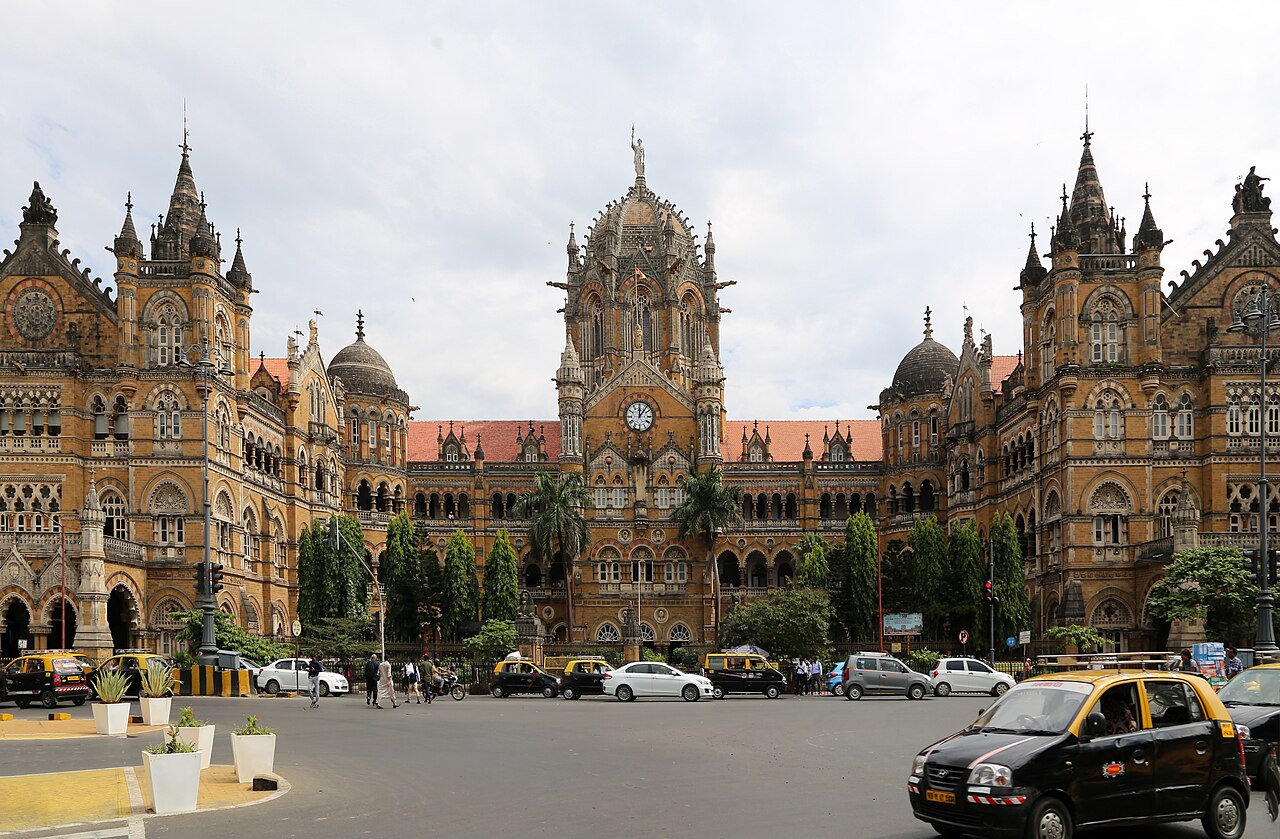 #2 in MumbaiFree entry
Chhatrapati Shivaji Maharaj Terminus
Monument · 1.4 km · about 23 min walk
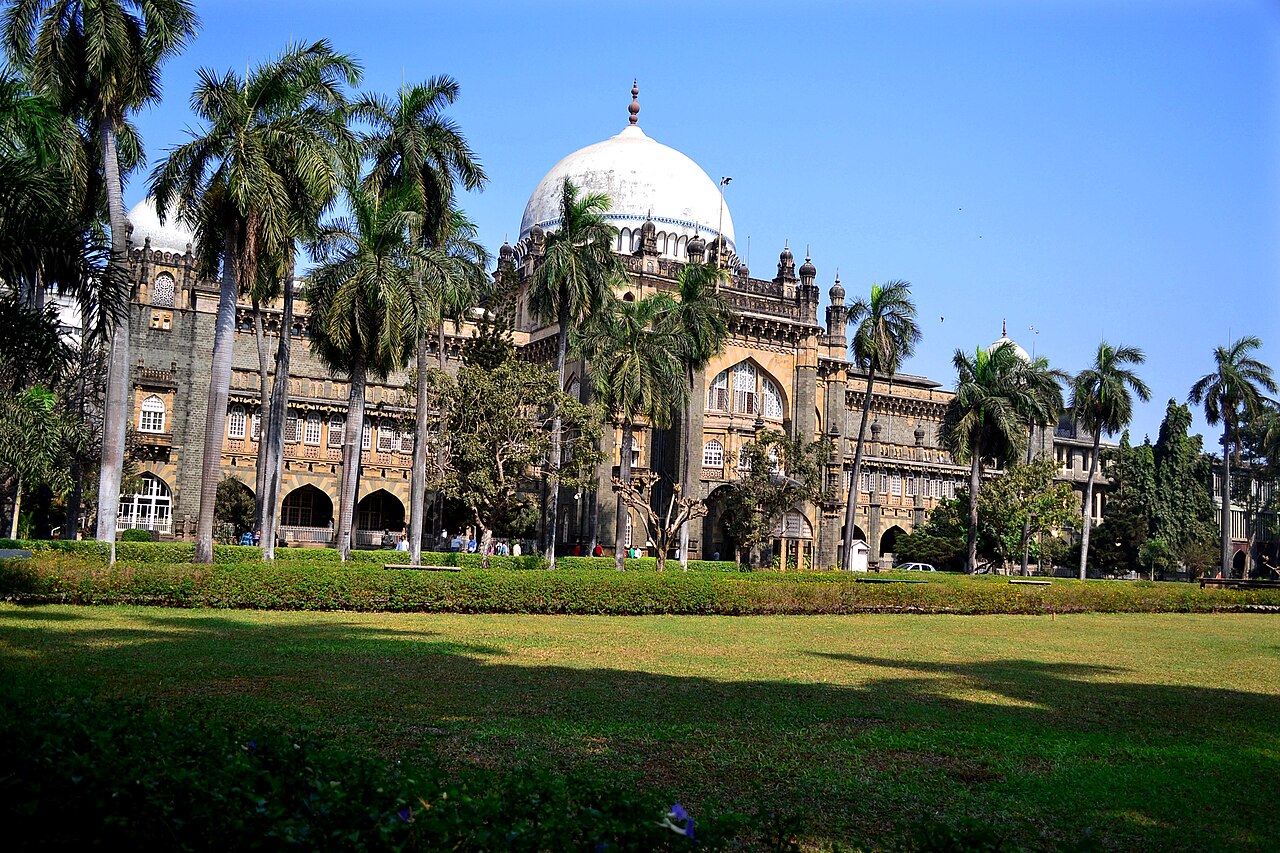 #5 in Mumbai
Chhatrapati Shivaji Maharaj Vastu Sangrahalaya
Museum · 2.2 km · about 35 min walk
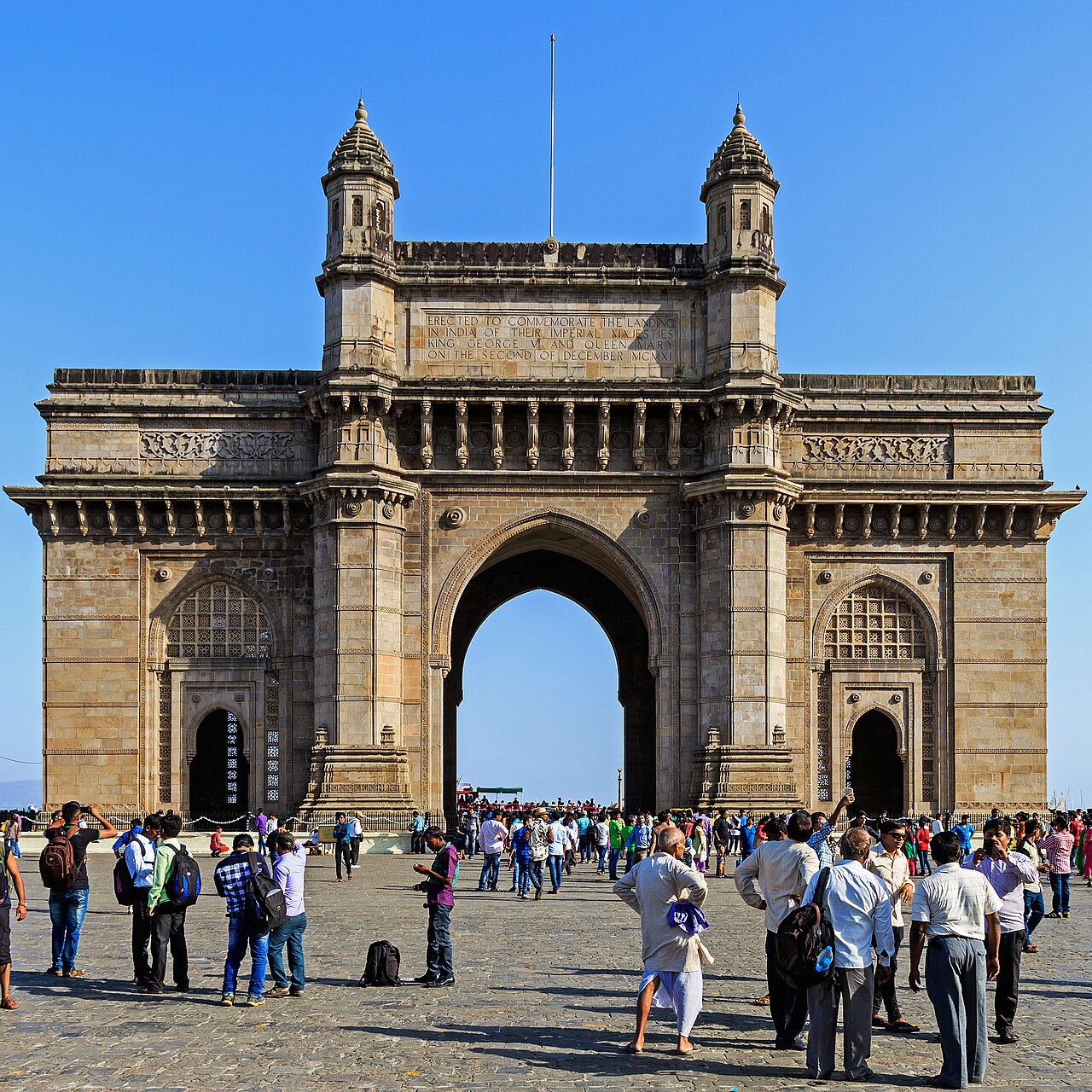 #1 in MumbaiFree entry
Gateway of India
Monument · 3 km · about 10 min by road
 #9 in MumbaiFree entry
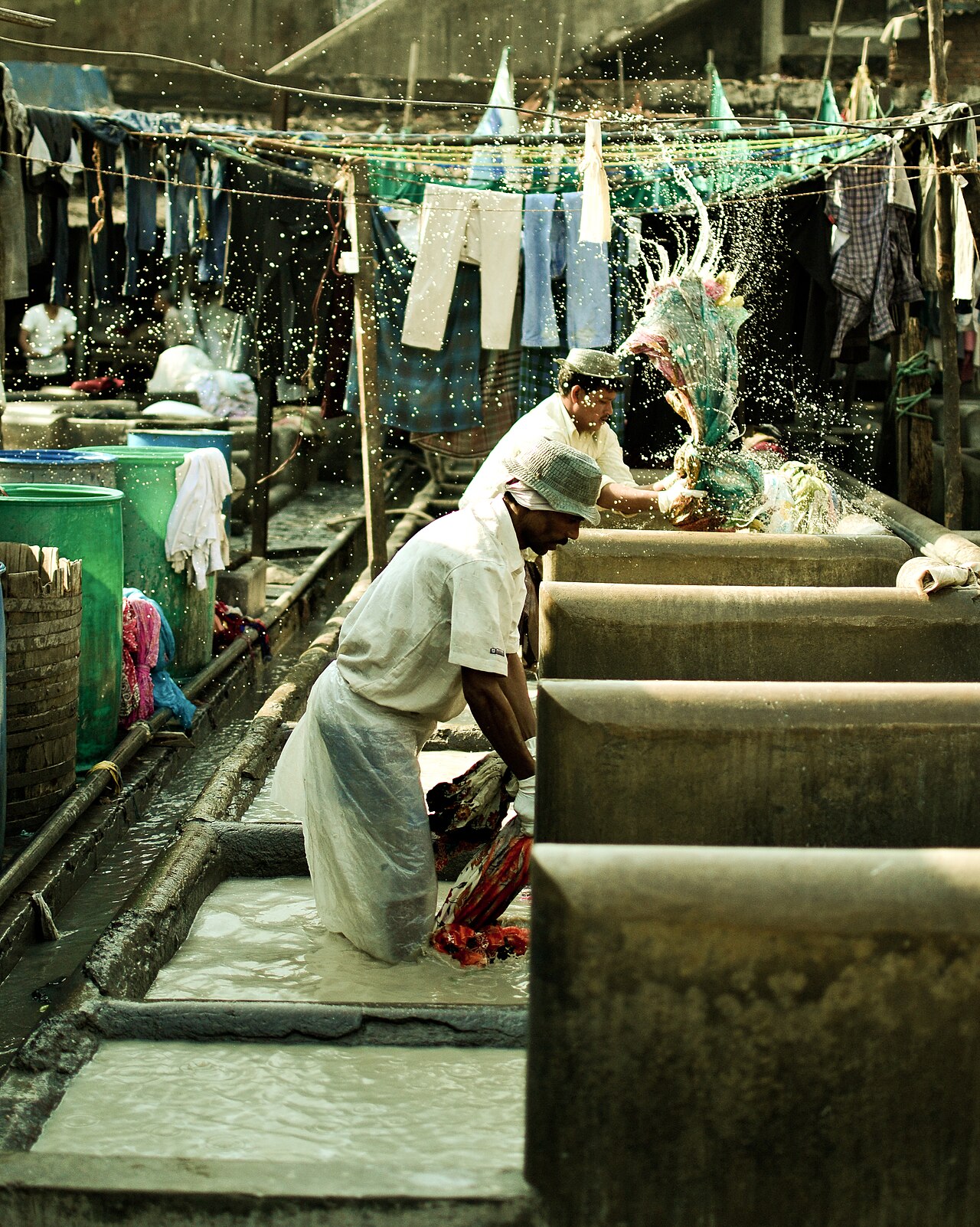
Mahalaxmi Dhobi Ghat
Heritage · 4 km · about 15 min by road