
Kanheri Caves, Sanjay Gandhi National Park
#8of 10 places to visit in MumbaiMumbai, Maharashtra
Also known as Krishnagiri Caves
Quick answer
Opening hours: 09:00–17:00, closed Mondays, last entry 16:30. Entry: ₹68 Indian · ₹350 foreign. Allow 2.5 hrs. Best time: 09:00 – 11:00.
Updated · Compiled by Traveliac, AI-assisted · 5 min read
- Opening hours
- 09:00–17:00
- Closed Mondays
- Entry fee
- ₹68 Indian
- Ticket from
- Time needed
- 2.5 hrs
- Best time of day
- 09:00 – 11:00
- Best months
- Oct – Mar
- Address
- Sanjay Gandhi National Park, Borivali (East), Mumbai, Maharashtra 400066
About Kanheri Caves, Sanjay Gandhi National Park
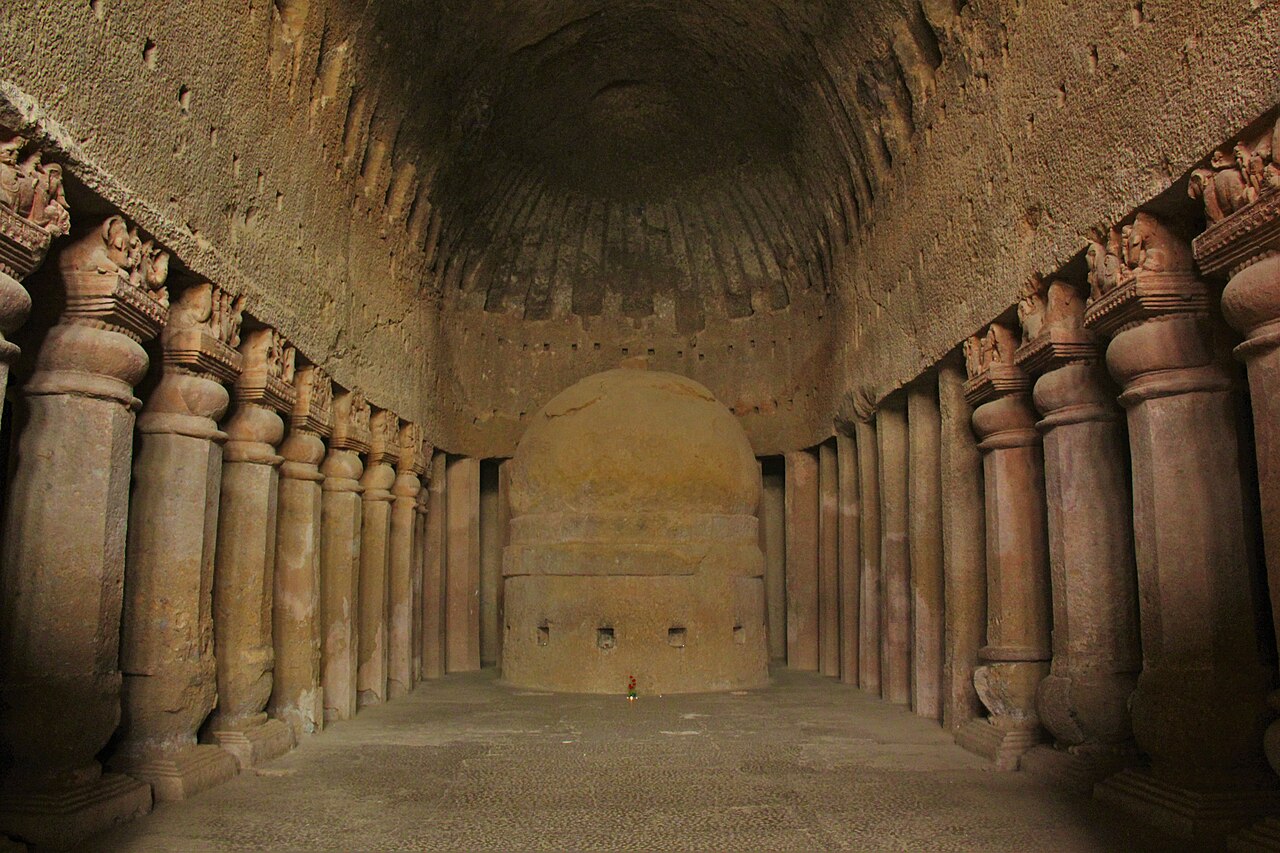
Kanheri is a complex of 109 rock-cut Buddhist caves carved into a basalt hillside inside Sanjay Gandhi National Park, in use continuously from roughly the first century BCE to the tenth century CE — a working monastic site for longer than most European cathedrals have existed. The caves range from tiny individual monk's cells with stone sleeping platforms to Cave 3, a large chaitya (prayer hall) with a rock-cut stupa and a colonnade of pillars carved directly from the hillside rather than assembled, in the same basic architectural family as the more famous halls at Ajanta and Karla. What distinguishes a Kanheri visit from Ajanta or Ellora is context: this is not an isolated archaeological site but one embedded inside an active, forested national park on the northern edge of Mumbai's built-up area, meaning the approach involves genuine wildlife habitat, including a resident leopard population, layered onto the historical experience.
Best time of day: 09:00 – 11:00. Immediately after opening, for cooler temperatures on the shadeless approach paths between caves and the best chance of spotting park wildlife before midday heat sends it deeper into cover.
Photography
₹50 camera fee
Kanheri Caves, Sanjay Gandhi National Park timings
Kanheri Caves, Sanjay Gandhi National Park opens at 09:00 and closes at 17:00. The weekend is no different: Saturday and Sunday follow the same times.
- Opening hours
- 09:00–17:00
Monday Closed Tue–Sun 09:00–17:00 - These are the cave hours; the caves close on Mondays. Sanjay Gandhi National Park, which you pass through to reach them, is open 07:30–18:00 every day.
- Closed on
- Monday
Good to know: No general seasonal closure, though the shuttle bus schedule to the caves is reduced during the monsoon (June–September) and the caves' upper levels, cut directly into the basalt hillside, become slippery and are approached with more caution on wet days.
Opening hours compiled from mahaforest.gov.in and public records, last updated . They change without notice — confirm before you travel. How we write these guides
Kanheri Caves, Sanjay Gandhi National Park ticket price
| Ticket | Price |
|---|---|
| Indian visitors | ₹68 |
| Foreign visitors | ₹350 |
| Children | ₹30 |
| Camera | ₹50 |
The figure quoted is the Sanjay Gandhi National Park entry fee, payable at the main Borivali gate; a further internal shuttle bus or private vehicle fee applies for the roughly 6-kilometre stretch from the park gate to the Kanheri Caves parking area, since walking that distance through forest that includes leopard habitat is not advised unaccompanied. Camera fee is a flat charge for still photography within the park and cave complex; video cameras and tripods attract a higher separate tariff payable at the same counter.
Prices compiled from mahaforest.gov.in and public records, last updated . They change without notice — confirm before you travel. How we write these guides
Best time to visit Kanheri Caves, Sanjay Gandhi National Park
- Quiet
- Moderate
09:00 – 11:00
Morning OpeningBest time to go
The quietest window, favoured by early visitors and photographers; forest temperature is at its most comfortable for the walk between caves.
Quiet11:00 – 14:00
Midday Peak
The bulk of the day's visitors, including school and college groups, concentrate in this window, particularly around Cave 3.
Moderate14:00 – 16:00
Afternoon Heat
Visitor numbers drop as afternoon heat builds and the shadeless upper-cave approaches become less appealing; a good window for the less-visited smaller cells.
Quiet16:00 – 17:00
Last Entry Window
Final visitors before 16:30 last entry and the 17:00–17:30 shuttle departures back to the main gate; light on the hillside is at its most flattering for photography.
Quiet
History of Kanheri Caves, Sanjay Gandhi National Park
Kanheri's caves were excavated in phases over roughly a millennium, beginning around the first century BCE under patronage connected to the trade routes running between the Arabian Sea ports and the Deccan plateau's interior. The site's name derives from the Sanskrit Krishnagiri, or 'black mountain,' a reference to the dark basalt rock into which the caves are cut. Unlike Ajanta, which was abandoned and largely forgotten for over a thousand years after its main excavation phase, Kanheri appears to have remained in continuous or repeated monastic use across a very long span, evidenced by inscriptions and additions dating from the early centuries CE through as late as the ninth or tenth century, making it one of the longest continuously used Buddhist monastic sites in western India.
The caves functioned as a large Buddhist university and monastic settlement at their peak, housing viharas (monk's residential cells), chaityas (assembly and prayer halls), water cisterns cut into the rock to collect monsoon runoff, and inscriptions in Brahmi and later scripts recording donations from merchants and guilds engaged in the Indian Ocean trade — a direct link between Kanheri's prosperity and the maritime commerce passing through the ports that would eventually become Bombay. Cave 3, the site's largest chaitya hall, contains a rock-cut stupa flanked by two colossal standing Buddha figures added in a later phase, alongside pillars whose capitals show the same bell-and-animal motifs found at other major Deccan rock-cut sites.
The surrounding forest that is now Sanjay Gandhi National Park was itself notified as a protected area in stages through the twentieth century, eventually taking its current name in 1981 after the son of Prime Minister Indira Gandhi. The park's dual identity — active wildlife reserve and archaeological protectorate — means its two managing authorities, the Forest Department and the Archaeological Survey of India, operate side by side at Kanheri.
Rules & etiquette at Kanheri Caves, Sanjay Gandhi National Park
The 6-kilometre approach from the park's main Borivali gate to the Kanheri Caves parking area passes through genuine forest that supports a documented resident leopard population, among the few instances of a wild leopard population living within a metropolitan city's limits anywhere in the world. Walking this stretch alone, particularly toward dusk, is discouraged by park authorities; use the internal shuttle bus or a private vehicle, and do not leave the marked path once inside the cave complex itself.
Within the caves, the rock-cut surfaces — stairs, pillars, and cell thresholds — are original stone worn smooth by roughly two thousand years of foot traffic and can be slippery, especially on the upper-level caves reached by narrower rock-cut stairways, more so during or after monsoon rain. Sturdy, closed footwear is a more practical choice here than the sandals adequate for most other Mumbai heritage sites.
The park closes its cave complex on Mondays in line with the general Archaeological Survey of India convention for protected monuments across the country, so confirm this before making Kanheri the centrepiece of a single day's itinerary. The final shuttle back toward the main gate typically departs by 17:00 to 17:30; missing it means a considerably longer walk out through the forest as light fades.
Tips for visiting Kanheri Caves, Sanjay Gandhi National Park
- 1
Budget the greater part of a half-day for this trip once the park gate, internal shuttle, and cave circuit are all accounted for — it is not a quick stop comparable to a South Mumbai landmark, and the combination of forest transit and a large, dispersed cave complex means rushing defeats the purpose.
- 2
Cave 3, the great chaitya hall, is the unambiguous highlight and should not be skipped even if time is short elsewhere in the complex; its scale and the surviving stupa and Buddha figures reward the climb up its approach stairs more than the smaller residential cell caves scattered across the hillside.
- 3
Sanjay Gandhi National Park beyond the caves offers a separate, ticketed lion and tiger safari zone and boating on Vihar and Tulsi lakes within its boundaries — worth combining into a full-day visit if Kanheri alone does not fill the time, though the caves and the safari zone are in different parts of the park and require separate transit within it. Given the distance from South Mumbai, this destination pairs more naturally with a Western-suburbs itinerary — Bandra, Juhu, or an airport-adjacent stay — than with the Colaba and Fort cluster of landmarks.
How to reach Kanheri Caves, Sanjay Gandhi National Park
The red star is Kanheri Caves, Sanjay Gandhi National Park. Tap a pin for details.
Sanjay Gandhi National Park, Borivali (East), Mumbai, Maharashtra 400066Directions in Google Maps
From Borivali Station
₹30–507 km · 30–40 min total
Auto to gate) plus shuttle fare of approximately ₹30–40 return
From Borivali Station
₹200–300,7 km · 20–30 min
Subject to the park's vehicle entry permit and fee
From Mumbai Airport (T2)
₹350–50017 km · 30–50 min
Depending on traffic and surge
Nearest airport
From Chhatrapati Shivaji Maharaj International Airport, Mumbai (BOM)
17 km, approximately 30–50 minutes by taxi via the Western Express Highway.
Nearest railway station
From Borivali, Western line
7 km to the Kanheri Caves site itself; the park's main gate is a 10–15 minute walk or short auto-rickshaw ride from the station, with a further internal shuttle or private vehicle required to reach the caves.
Kanheri Caves, Sanjay Gandhi National Park FAQs
Is Sanjay Gandhi National Park safe given the leopard population?
The park does support a documented resident leopard population, one of the few examples of wild big cats living within a major city's boundaries. Attacks on visitors staying within managed, well-trafficked zones like the Kanheri Caves route are rare, but walking the 6-kilometre stretch from the main gate alone, especially near dusk, is discouraged; use the internal shuttle or a permitted vehicle instead.
How do you get from the park entrance to Kanheri Caves?
The caves are roughly 6 kilometres inside the park from the main Borivali gate. An internal shuttle bus service and permitted private vehicles cover this stretch; walking it is possible but not recommended given the forest terrain and wildlife.
Are Kanheri Caves open every day?
No. The caves are closed on Mondays, following the standard Archaeological Survey of India closure convention applied to most protected monuments nationally. The wider national park itself remains open, but the cave complex does not.
How does Kanheri compare to Ajanta or Ellora?
Kanheri is far smaller in scale and less artistically renowned than Ajanta's painted caves or Ellora's rock-cut temples, but it spans a longer period of continuous use — roughly the first century BCE to the tenth century CE — and its combination with an active forested national park, including resident wildlife, gives it a different character from those isolated archaeological sites in inland Maharashtra.
Compiled with AI assistance from official sources and public records, and published only after the checks in How we write these guides. Nobody from Traveliac has visited this place. Last updated . How we rank and check places
Places to visit near Kanheri Caves, Sanjay Gandhi National Park
Straight-line distances from our map; times are estimates.
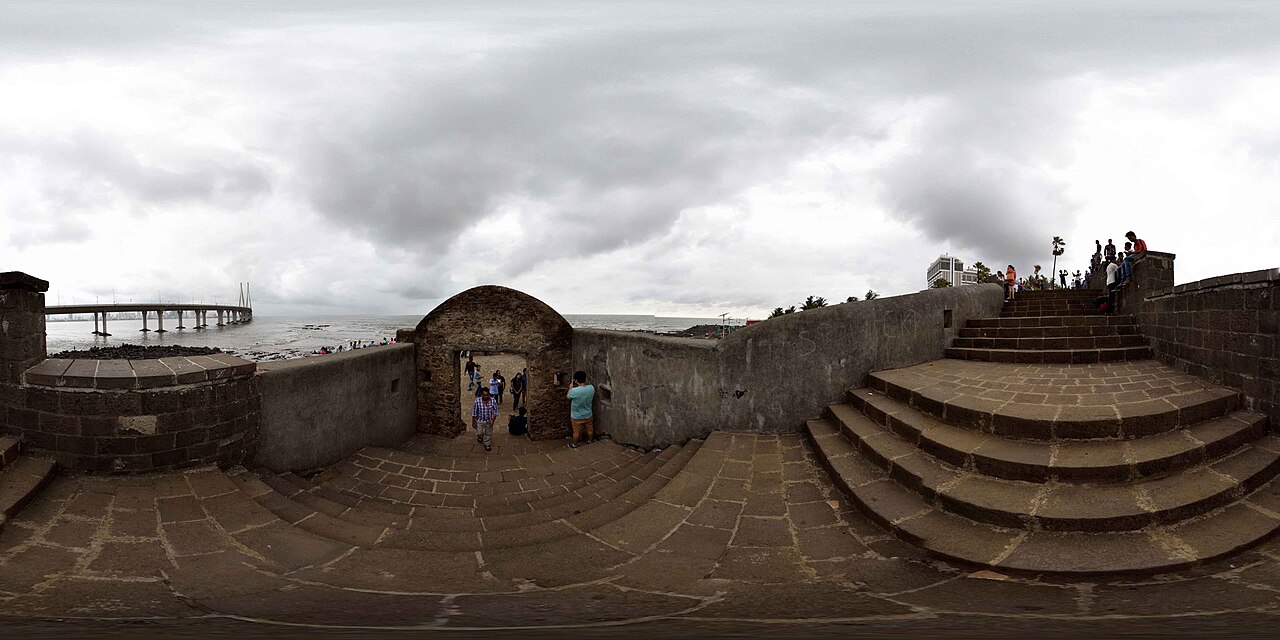 #10 in MumbaiFree entry
Bandra Fort
Fort · 21 km · about 65 min by road
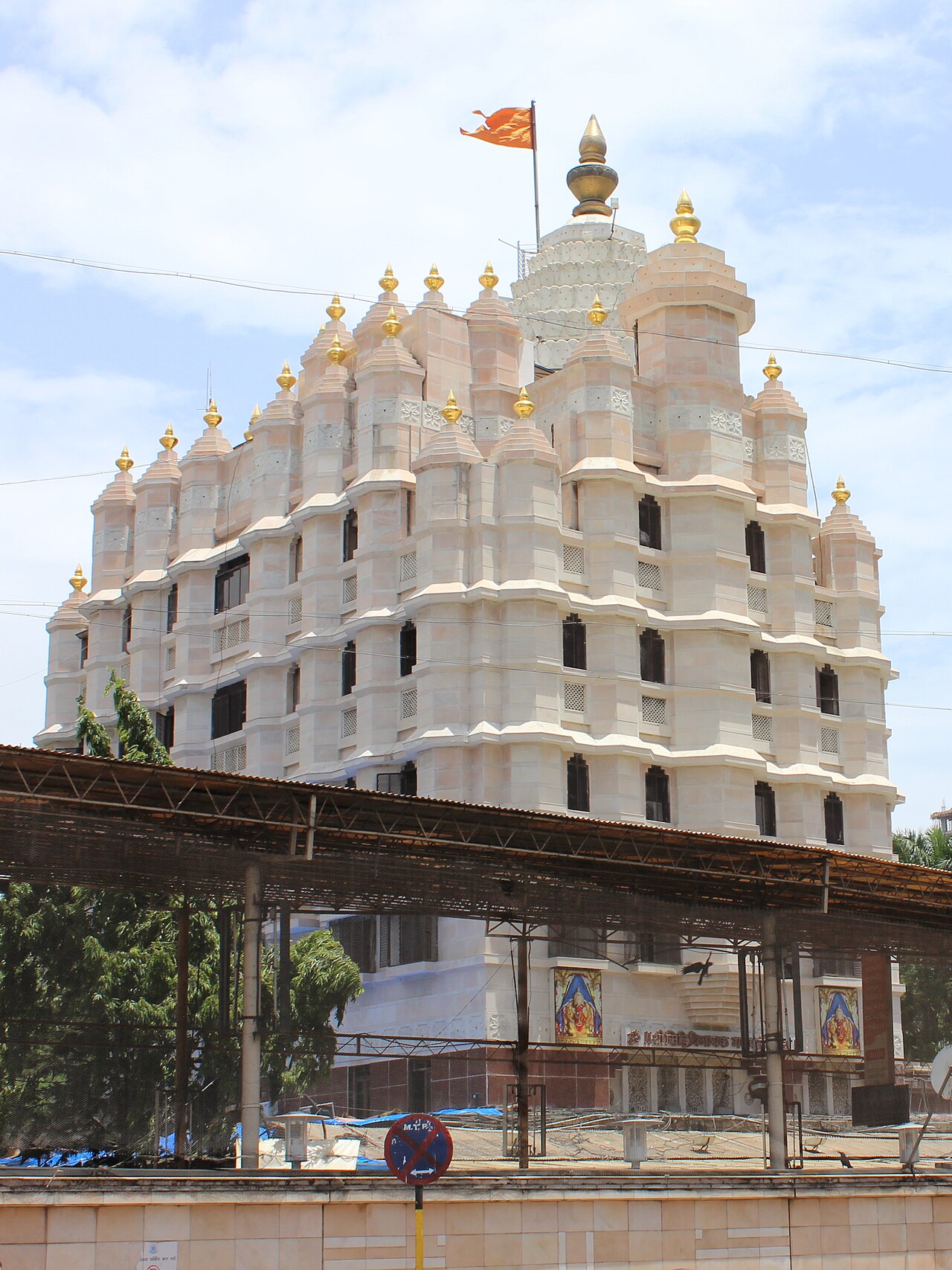 #7 in MumbaiFree entry
Shree Siddhivinayak Ganapati Mandir
Temple · 23 km · about 70 min by road
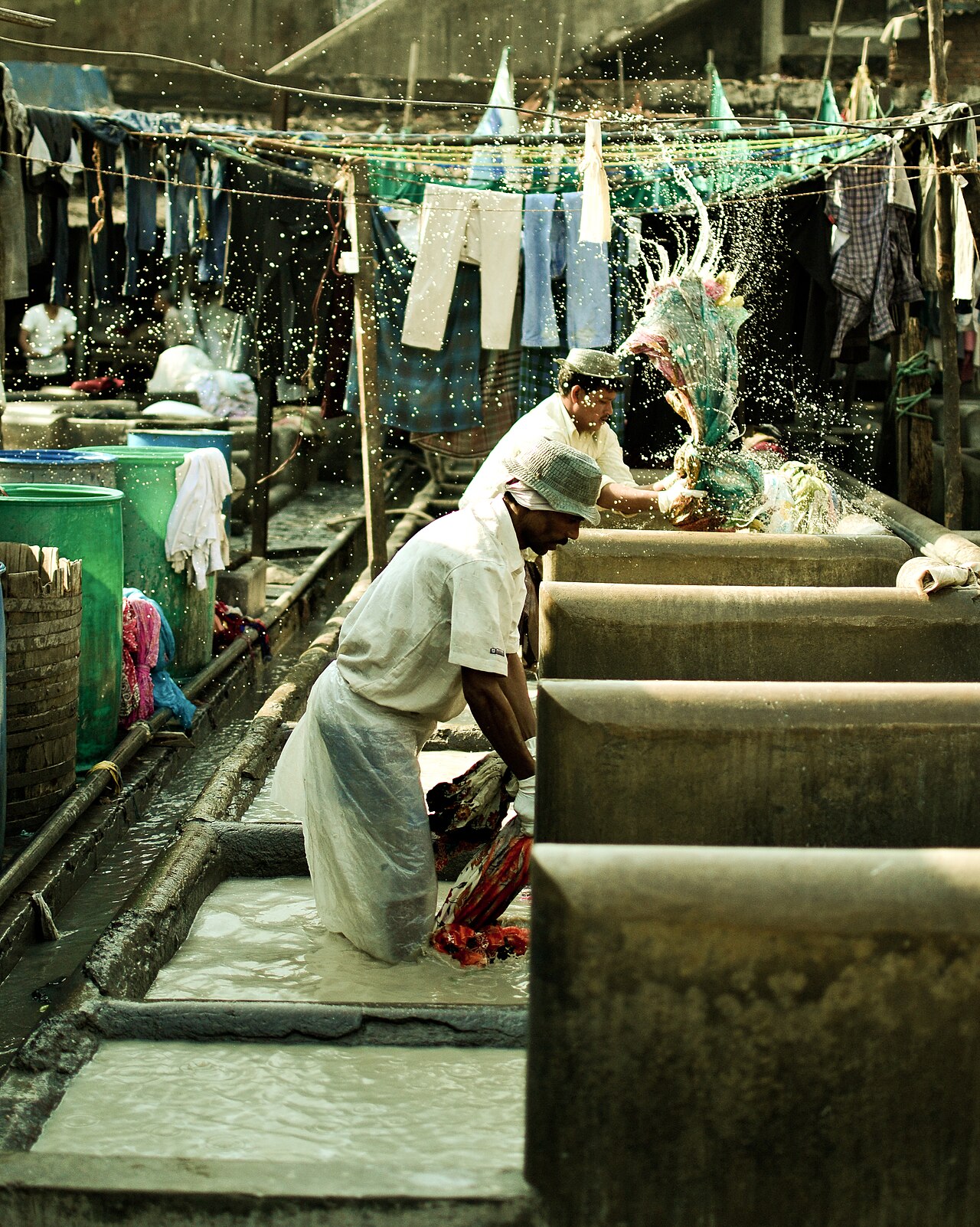 #9 in MumbaiFree entry
Mahalaxmi Dhobi Ghat
Heritage · 26 km · about 85 min by road
 #6 in MumbaiFree entry
Haji Ali Dargah
Dargah · 27 km · about 85 min by road