
Haji Ali Dargah
#6of 10 places to visit in MumbaiMumbai, Maharashtra
Also known as Haji Ali Mosque · Dargah of Pir Haji Ali Shah Bukhari
Quick answer
Opening hours: 05:30–22:00. Entry is free. Allow 1 hr. Best time: Early morning.
Updated · Compiled by Traveliac, AI-assisted · 6 min read
- Opening hours
- 05:30–22:00
- 05:30 – 22:00 daily, with a midday closure for Zuhr prayers typically between 12:30 and 13:30 and further short closures for Asr, Maghrib, and Isha prayers.
- Entry fee
- Free
- Time needed
- 1 hr
- Best time of day
- Early morning
- Best months
- Oct – Mar
- Address
- Dargah Road, off Lala Lajpatrai Marg, Worli, Mumbai, Maharashtra 400026
About Haji Ali Dargah
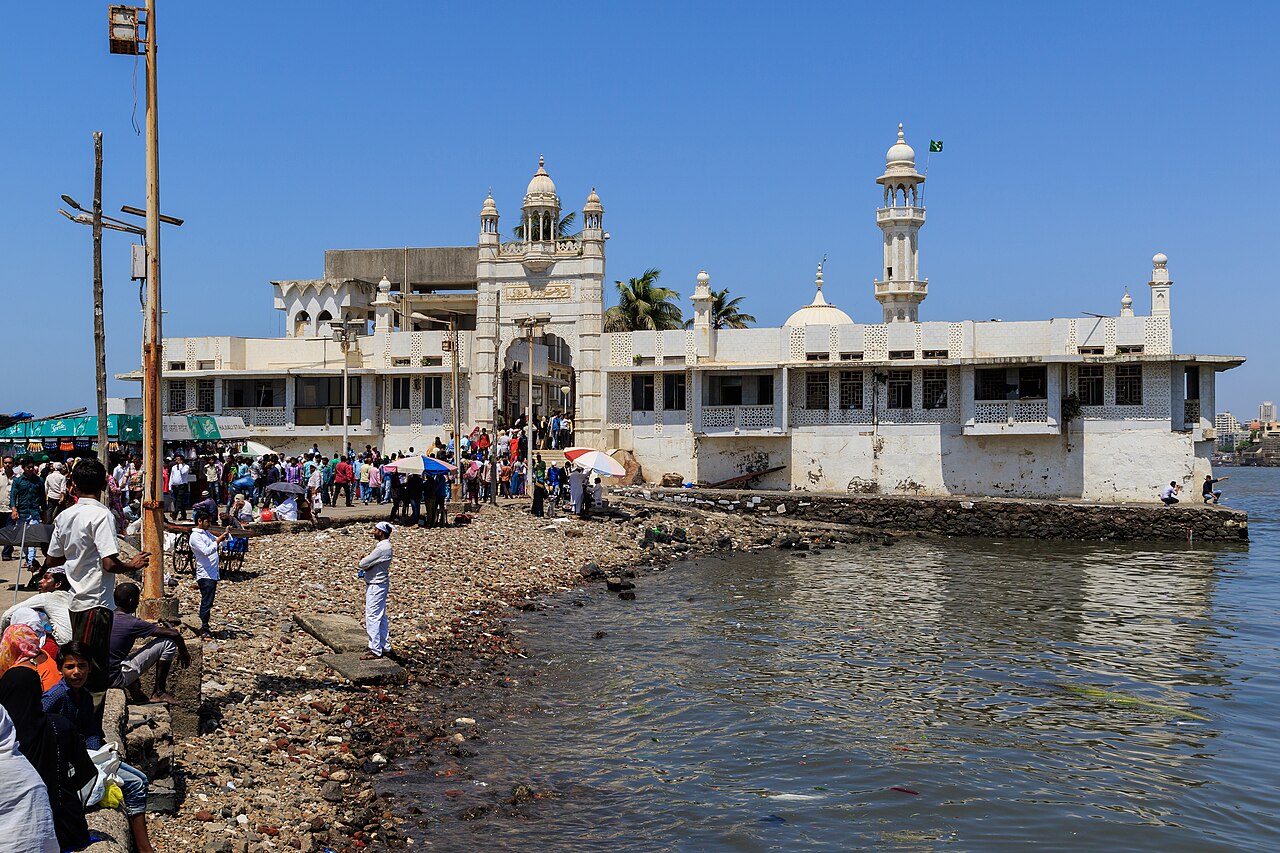
Haji Ali Dargah sits on a small rocky islet roughly 500 metres off the Worli coast, and the single fact every visitor needs to know before anything else is tidal: a narrow causeway is the only way to reach it on foot, and that causeway disappears completely under seawater at high tide. The shrine itself is a white marble complex — domes, a central courtyard, and an inner sanctum housing the tomb of the fifteenth-century Sufi saint and merchant Pir Haji Ali Shah Bukhari — built in an Indo-Islamic style with minarets and green trim that reads, from a distance across the water, almost like a mirage sitting on the sea. The dargah is one of the few Sufi shrines in India to have become a genuinely contested public space in the twenty-first century: a legal battle over whether women could enter the inner sanctum ran from 2011 to 2016 and ended at the Bombay High Court in a ruling that reshaped the site's own internal rules.
Best time of day: Early morning. 06:00–08:00 at low tide, when the causeway is dry, the courtyard is uncrowded, and the white marble is not yet radiating midday heat.
Haji Ali Dargah timings
Haji Ali Dargah opens at 05:30 and closes at 22:00. It keeps the same hours on Saturday and Sunday.
- Opening hours
- 05:30–22:00
Mon–Sun 05:30–22:00 - 05:30 – 22:00 daily, with a midday closure for Zuhr prayers typically between 12:30 and 13:30 and further short closures for Asr, Maghrib, and Isha prayers.
- Closed on
- Open every day
Good to know: Access depends on tide, not season in the calendar sense, but the monsoon (June–September) brings the highest and most frequent high tides of the year, meaning the causeway is submerged more often and for longer stretches during these months than in the October–May dry season.
Opening hours compiled from No dedicated official website; the Haji Ali Dargah Trust manages the site directly and publishes prayer and darshan timings on a noticeboard at the causeway entrance. and public records, last updated . They change without notice — confirm before you travel. How we write these guides
Haji Ali Dargah ticket price
| Ticket | Price |
|---|---|
| Indian visitors | Free |
| Foreign visitors | Free |
| Children | Free |
| Camera | Free |
Entry is free; donations to the trust are voluntary and collected in marked boxes only, not by individuals claiming to represent the dargah. Photography is generally tolerated in the outer courtyard and along the causeway but is discouraged and sometimes stopped by volunteers inside the inner sanctum housing the tomb, particularly during prayer times.
Prices compiled from No dedicated official website; the Haji Ali Dargah Trust manages the site directly and publishes prayer and darshan timings on a noticeboard at the causeway entrance. and public records, last updated . They change without notice — confirm before you travel. How we write these guides
Best time to visit Haji Ali Dargah
- Quiet
- Moderate
- Busy
- Very busy
05:30 – 08:00
Dawn Prayer WindowBest time to go
Devout regulars and early risers cross the causeway before the day's heat. Courtyard queues for the inner sanctum are minimal.
Quiet10:00 – 13:00
Midday Peak
The busiest tourist window, coinciding with tour-group visits and the pre-Zuhr prayer rush. Causeway foot traffic in both directions becomes congested.
Busy16:00 – 18:00
Late Afternoon
A second wave of visitors, generally calmer than midday. Good light for the causeway approach photograph, though the shrine itself falls into shadow.
ModerateThursday evening (post-Maghrib)
Weekly Devotional Peak
The week's most significant devotional gathering at most Sufi shrines in the region; expect substantially higher footfall and a longer causeway crossing time than any other point in the week.
Very busy
History of Haji Ali Dargah
Accounts place the dargah's founding around 1431, built by devotees of Pir Haji Ali Shah Bukhari, a wealthy Uzbek-origin merchant from the Bukhara region who renounced his business and possessions after undertaking the Hajj pilgrimage to Mecca and settled in Bombay's coastal fishing settlements. Popular tradition holds that he drowned at sea near this spot and that his coffin miraculously floated back to the rocky outcrop where the shrine now stands, refusing to sink — a story repeated by guides at the site though it is devotional legend rather than documented history. His tomb was enclosed within the current marble structure, expanded and repaired multiple times over the subsequent five centuries, most substantially during Mughal-era and later colonial-period renovations that gave the current complex its Indo-Islamic architectural character, including the minarets and scalloped arches visible from the causeway.
The causeway itself long predates modern infrastructure and was originally an unpaved rocky path exposed only at low tide, a genuine physical barrier that limited the shrine's accessibility for centuries. A paved walkway was constructed in the twentieth century, and further widening and elevation work has been carried out in recent years to reduce (though not eliminate) the frequency of submersion.
The most consequential recent chapter in the dargah's history is legal rather than architectural. In 2011, the Haji Ali Dargah Trust barred women from entering the inner sanctum housing the actual tomb, citing an internal ruling that proximity of women to a male saint's grave was a sin in Islam — a position contested by many Islamic scholars and by the activist group Bharatiya Muslim Mahila Andolan, which filed suit. In August 2016, the Bombay High Court ruled the ban unconstitutional, restoring women's access to the inner sanctum on equal terms with men, a decision the Supreme Court declined to stay. The ruling remains one of the more widely cited Indian judicial decisions on gender and religious space.
Rules & etiquette at Haji Ali Dargah
Modest dress is required for all visitors regardless of religion: shoulders and knees covered, and a head covering is expected for women entering the inner sanctum — scarves are sold cheaply by vendors at the causeway entrance if you arrive without one. Footwear is removed at a designated rack before stepping onto the causeway itself, not merely at the shrine entrance, so plan for a barefoot or sock-clad walk across roughly 500 metres of stone.
Check a tide table before setting out — the Mumbai Port Trust and several tide-prediction apps and websites publish daily high and low tide times for the harbour, and these are the only reliable way to know whether the causeway will be passable during your intended visit window. Arriving at high tide means either waiting an hour or more at the mainland entrance or abandoning the visit; there is no boat shuttle alternative offered at the site. During the monsoon months, factor in an additional margin, since swell and rainfall can extend the submerged window beyond the tide table's baseline prediction.
Beggars and informal donation solicitors are a persistent presence along the causeway; the trust's only sanctioned collection points are the marked donation boxes within the courtyard itself. Loud conversation, running, and non-devotional photography inside the inner sanctum housing the tomb are all discouraged by the volunteers who manage crowd flow there, particularly on Thursday evenings, the week's busiest devotional period for Sufi shrines generally.
Tips for visiting Haji Ali Dargah
- 1
Thursday evening qawwali sessions, a long-standing tradition at many South Asian Sufi shrines, do occur informally at Haji Ali on occasion, though not as a guaranteed weekly fixture — ask the trust volunteers on arrival rather than planning a visit around an assumed schedule. The dargah is at its most atmospheric at this time regardless, with the courtyard lit and substantially more crowded than a weekday morning.
- 2
Combine a visit with the Haji Ali Juice Centre, a Mumbai institution located at the mainland end of the causeway, open since the 1970s and known citywide for its fruit juices and the local specialty 'Royal Falooda' — a useful, air-conditioned rest stop before or after the causeway crossing, particularly valuable if you have been caught waiting out a high tide.
- 3
Given the site's position on Worli's coastline, the walk back toward Mahalaxmi station or onward toward Worli Sea Face offers a reasonable view of the Bandra-Worli Sea Link in the distance, though the dargah itself is better understood as a devotional and architectural destination than a scenic viewpoint. Visit early rather than at sunset if photography of the white marble against blue sky is the goal — by late afternoon the site is in its own shadow from the mainland's tall buildings for much of the year.
How to reach Haji Ali Dargah
The red star is Haji Ali Dargah; the numbered pins are the 8 nearest places in our guides, each showing its rank in its city. Tap a pin for details.
Dargah Road, off Lala Lajpatrai Marg, Worli, Mumbai, Maharashtra 400026Directions in Google Maps
From Mahalaxmi Station
1.2 km · 15–20 min
Free
From Mahalaxmi Station
₹40–701.2 km · 8–10 min
From Mumbai Airport (T2)
₹400–60024 km · 40–65 min
Depending on traffic and surge
Nearest airport
From Chhatrapati Shivaji Maharaj International Airport, Mumbai (BOM)
24 km, approximately 40–65 minutes by taxi depending on traffic.
Nearest railway station
From Mahalaxmi, Western line
1.2 km to the causeway entrance, approximately 15–20 minutes on foot or 8–10 minutes by taxi or auto-rickshaw.
Haji Ali Dargah FAQs
Can the causeway to Haji Ali Dargah flood, and how do I check before visiting?
Yes — the causeway is fully submerged at high tide and only passable at low to mid tide. Check a Mumbai Port Trust or app-based tide table for the day of your visit and plan around the low-tide windows; there is no alternative boat access if you arrive when it is underwater.
Are women allowed inside the inner sanctum at Haji Ali Dargah?
Yes. Women were barred from the inner sanctum by the trust's own ruling between 2011 and 2016, a policy the Bombay High Court struck down as unconstitutional in August 2016. Women now have equal access to the tomb chamber alongside men, subject to the same modest-dress and head-covering expectations.
Is there an entry fee for Haji Ali Dargah?
No. Entry is free. Donations to the Haji Ali Dargah Trust are voluntary and should be placed only in the marked collection boxes inside the courtyard, not handed to individuals soliciting along the causeway.
What should I wear to visit Haji Ali Dargah?
Modest dress covering shoulders and knees is expected of all visitors. A head covering is required for women entering the inner sanctum; inexpensive scarves are sold by vendors near the causeway entrance for those who arrive without one.
Compiled with AI assistance from official sources and public records, and published only after the checks in How we write these guides. Nobody from Traveliac has visited this place. Last updated . How we rank and check places
Places to visit near Haji Ali Dargah
Straight-line distances from our map; times are estimates.
 #9 in MumbaiFree entry
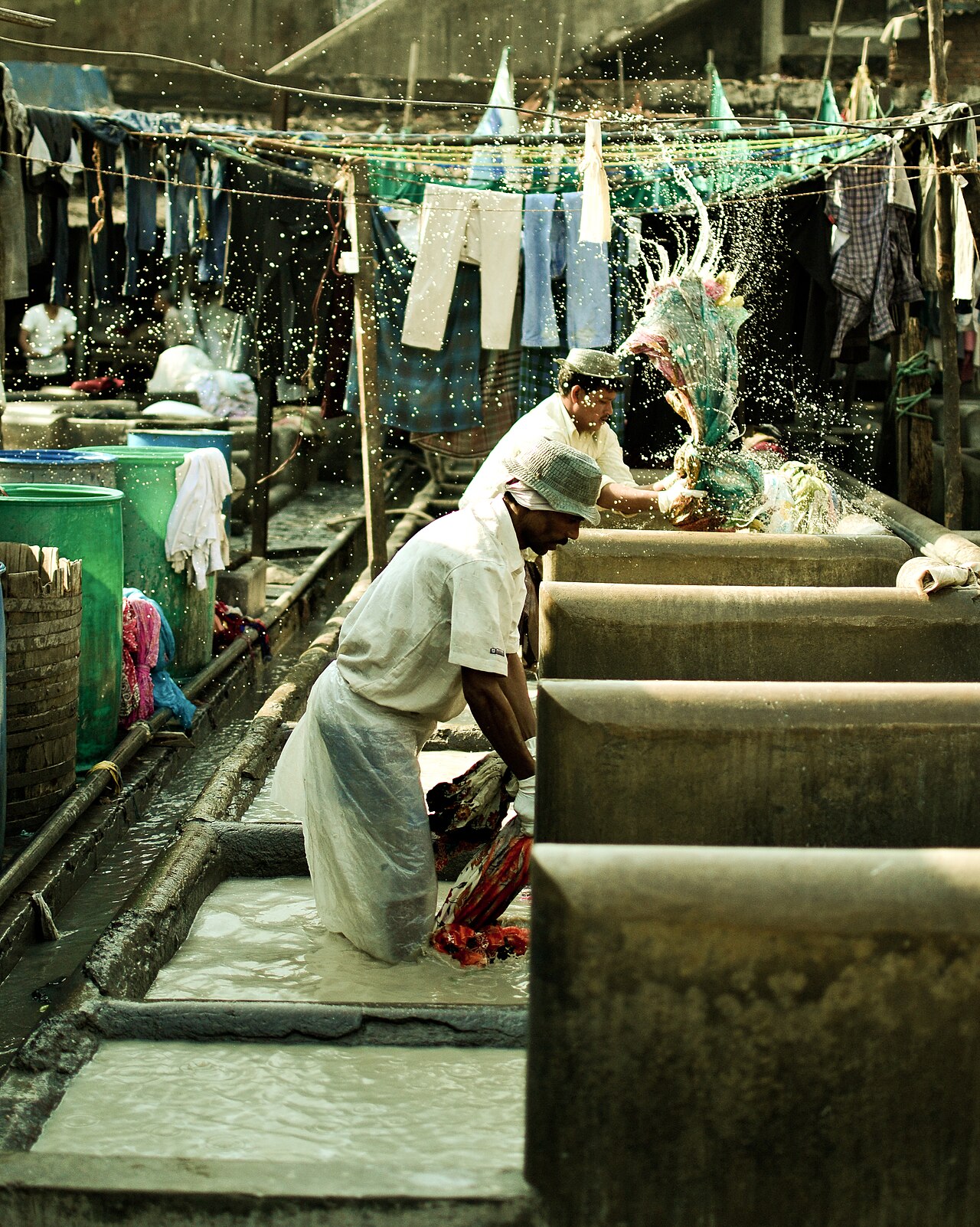
Mahalaxmi Dhobi Ghat
Heritage · 1.6 km · about 26 min walk
 #7 in MumbaiFree entry
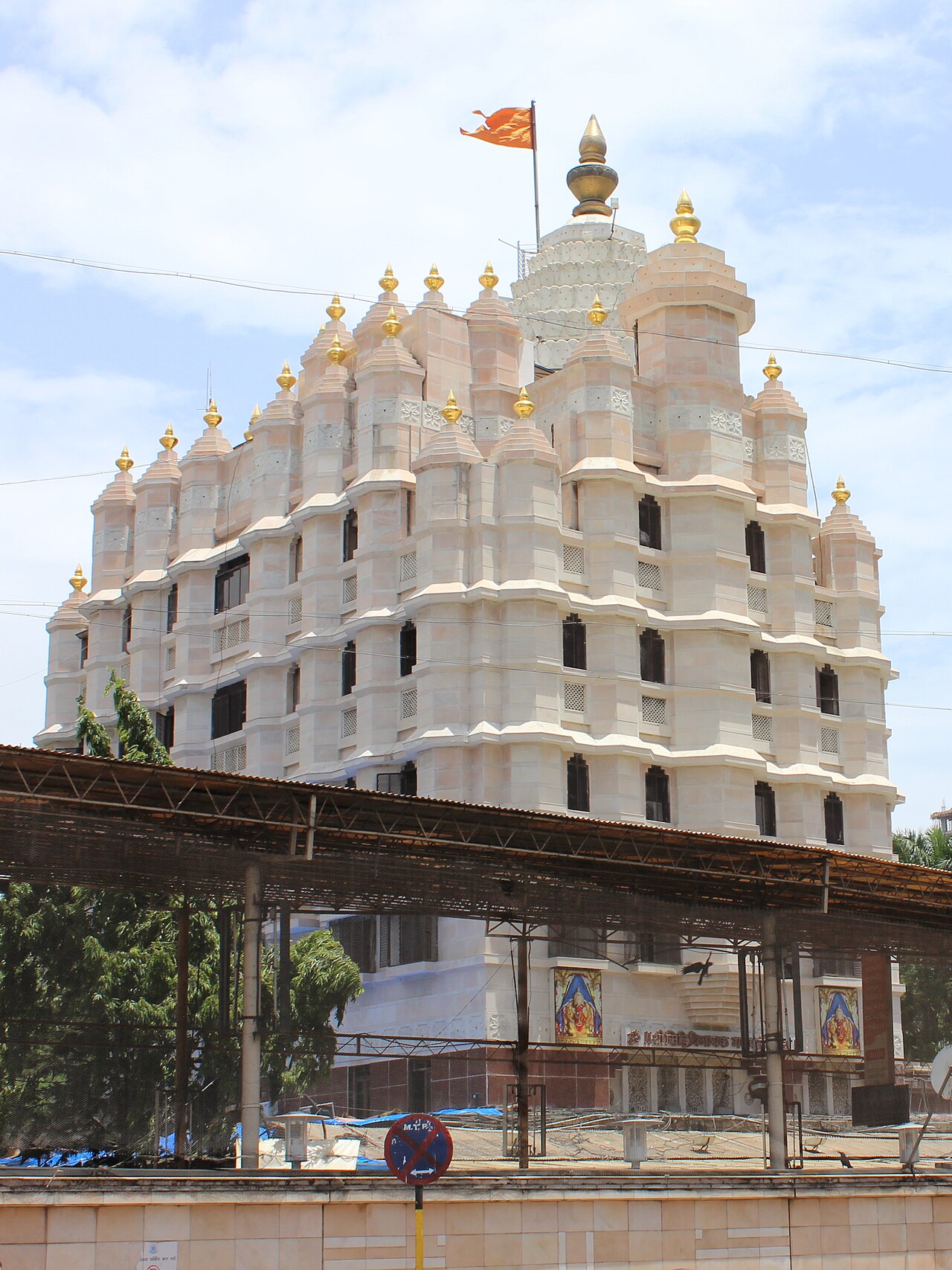
Shree Siddhivinayak Ganapati Mandir
Temple · 4 km · about 15 min by road
 #4 in MumbaiFree entry
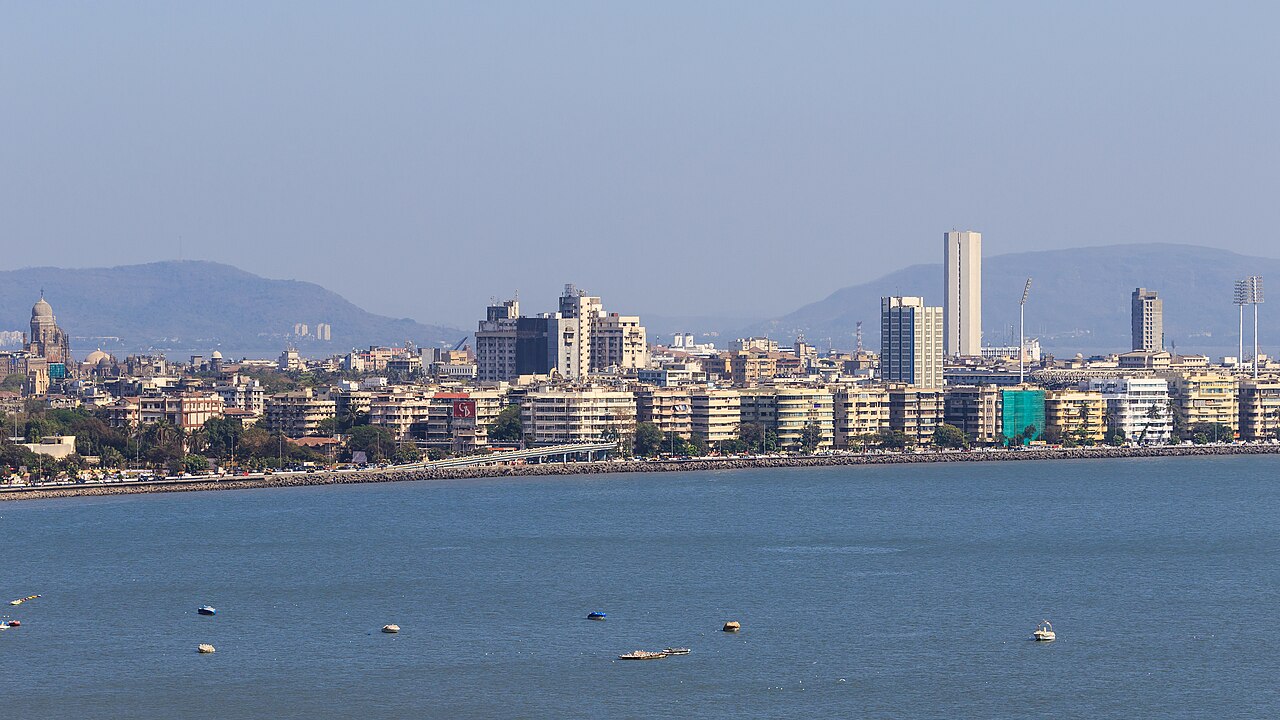
Marine Drive
Heritage · 5 km · about 15 min by road
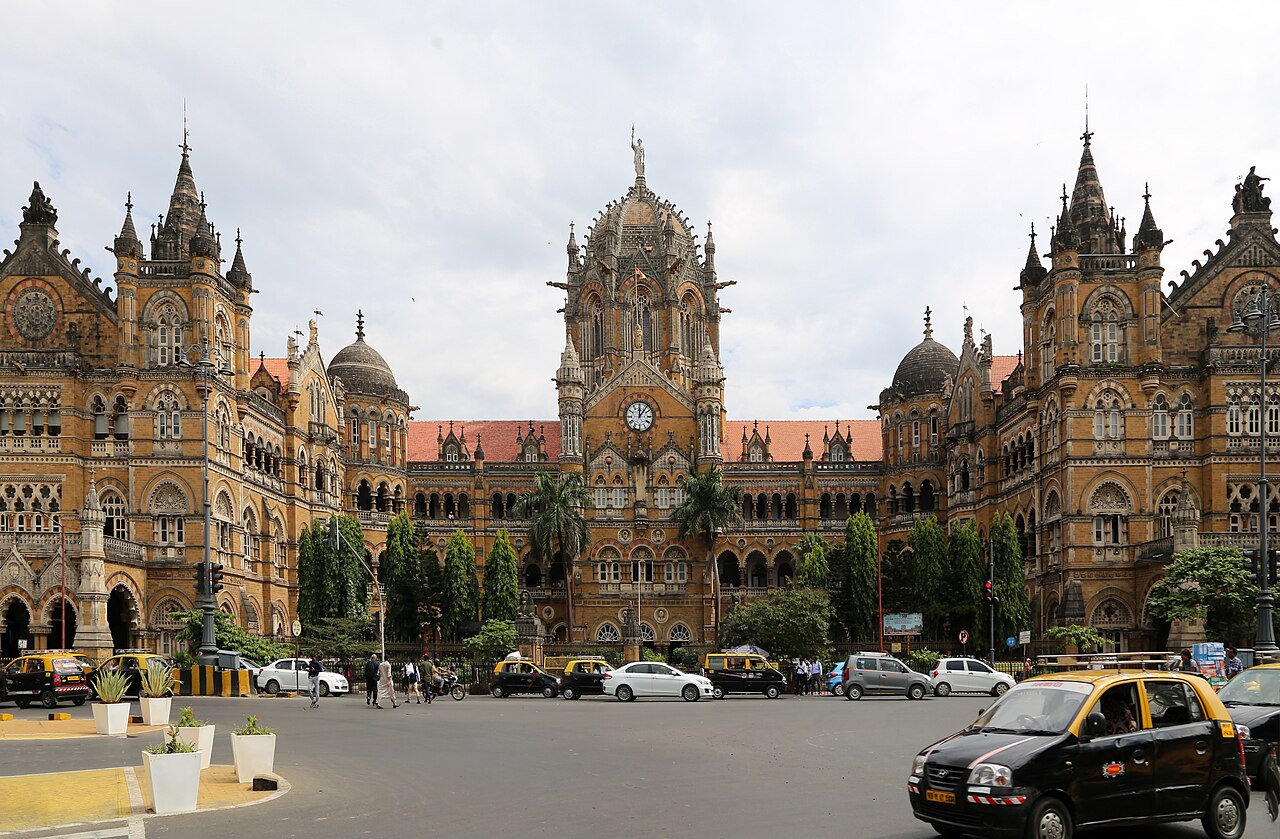 #2 in MumbaiFree entry
Chhatrapati Shivaji Maharaj Terminus
Monument · 6 km · about 20 min by road