
Chhatrapati Shivaji Maharaj Vastu Sangrahalaya
#5of 10 places to visit in MumbaiMumbai, Maharashtra
Also known as Prince of Wales Museum · CSMVS · Jehangir Nicholson Art Foundation Gallery (annexe)
Quick answer
Opening hours: 10:15–18:00, last entry 17:30. Entry: ₹85 Indian · ₹700 foreign. Allow 2 hrs. Best time: 10:15 – 11:30.
Updated · Compiled by Traveliac, AI-assisted · 5 min read
- Opening hours
- 10:15–18:00
- 10:15 – 18:00 daily, all seven days (last entry 17:30)
- Entry fee
- ₹85 Indian
- Ticket from
- Time needed
- 2 hrs
- Best time of day
- 10:15 – 11:30
- Best months
- Oct – Mar
- Address
- 159–161 Mahatma Gandhi Road, Kala Ghoda, Fort, Mumbai, Maharashtra 400023
About Chhatrapati Shivaji Maharaj Vastu Sangrahalaya
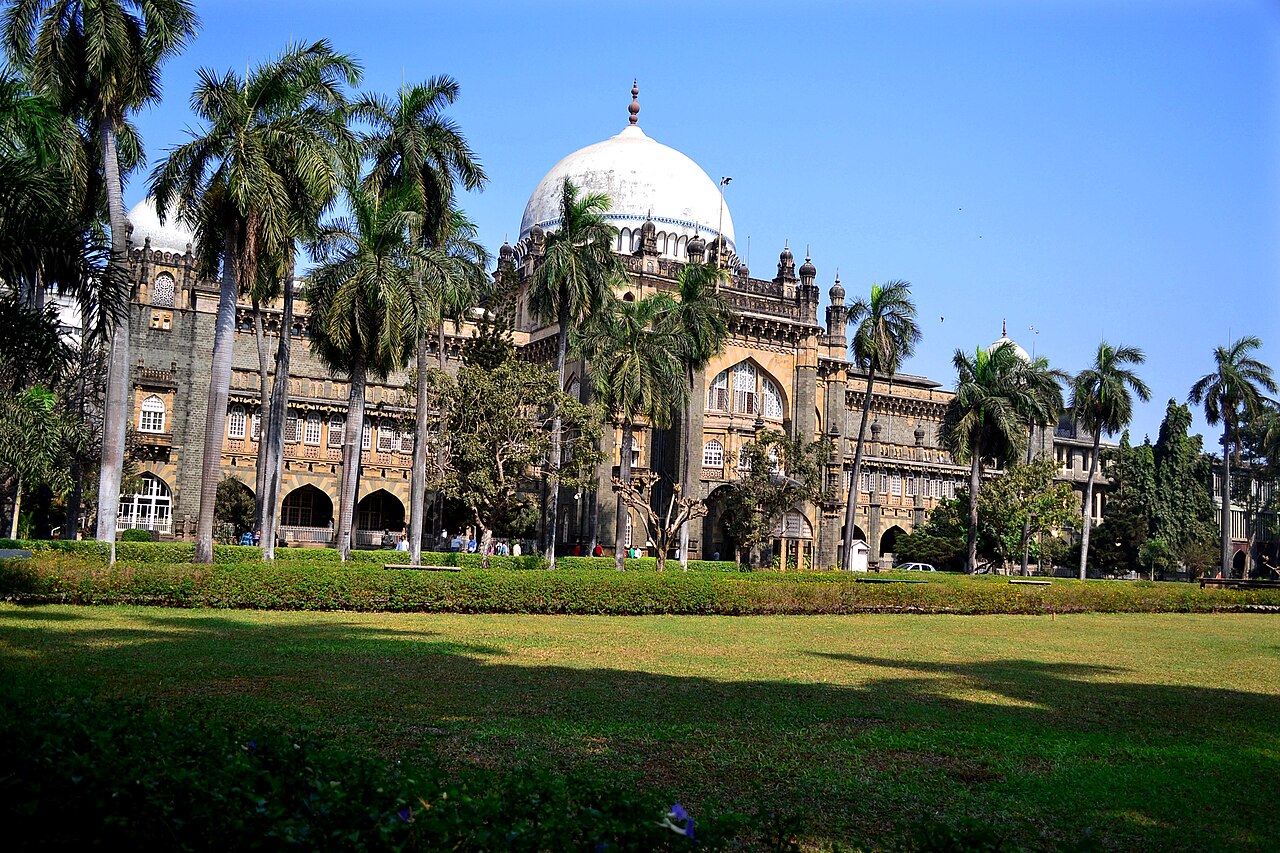
The building that houses Mumbai's principal museum was conceived to commemorate a royal visit that had already happened by the time the foundation stone was laid — a common colonial-era habit of retrospective monument-building. George Wittet, the same Scottish architect who later designed the Gateway of India, drew the museum in a fully realised Indo-Saracenic idiom: a central Mughal-derived dome modelled loosely on the Gol Gumbaz of Bijapur, Rajput-style corner turrets, and a symmetrical stone facade in buff-coloured Kurla basalt trimmed with white Malad stone bands. Inside, three floors organised around a central rotunda hold roughly 50,000 objects — Company School paintings commissioned by British patrons from Indian artists, Gandharan and Mathura Buddhist sculpture, Mughal miniatures, and a natural history wing with taxidermied Indian fauna that has barely changed its display cases since the 1920s. It renamed itself in 1998, shedding the Prince of Wales title for one honouring the Maratha king who founded the empire the British eventually displaced — an irony the museum's own wall text does not shy from noting.
Best time of day: 10:15 – 11:30. Immediately after opening, when the key galleries — Buddhist sculpture, Company School miniatures, and the natural history taxidermy hall — are walkable without school-group congestion.
Photography
₹100 camera fee
Chhatrapati Shivaji Maharaj Vastu Sangrahalaya timings
Chhatrapati Shivaji Maharaj Vastu Sangrahalaya opens at 10:15 and closes at 18:00. The weekend is no different: Saturday and Sunday follow the same times.
- Opening hours
- 10:15–18:00
Mon–Sun 10:15–18:00 - 10:15 – 18:00 daily, all seven days (last entry 17:30)
- Closed on
- Open every day
Good to know: No seasonal closures. The museum remains open through the monsoon, though the surrounding Kala Ghoda lanes waterlog during heavy downpours in July and August, complicating the last stretch on foot from the taxi drop-off point.
Opening hours compiled from csmvs.in and public records, last updated . They change without notice — confirm before you travel. How we write these guides
Chhatrapati Shivaji Maharaj Vastu Sangrahalaya ticket price
| Ticket | Price |
|---|---|
| Indian visitors | ₹85 |
| Foreign visitors | ₹700 |
| Children | Free |
| Camera | ₹100 |
Children under five feet in height (roughly under 12 years) enter free with an adult. Camera fee (₹100, still photography only, no flash or tripod) is collected at a separate counter beside the ticket window. Video recording is a further ₹150 and is rarely approved for the miniature painting and jade galleries, where light-sensitive exhibits are under UV-filtered glass. Audio guides in English, Hindi, and Marathi are available for ₹100 refundable against a photo ID deposit.
Prices compiled from csmvs.in and public records, last updated . They change without notice — confirm before you travel. How we write these guides
Best time to visit Chhatrapati Shivaji Maharaj Vastu Sangrahalaya
- Quiet
- Moderate
- Busy
10:15 – 11:30
Opening QuietBest time to go
Ticket queue under 5 minutes. Individual travellers and serious researchers dominate; galleries are walkable at a slow, uninterrupted pace.
Quiet11:30 – 13:30
School Group Peak
College and school excursion groups arrive in blocks of 30–50 students, concentrated in the natural history and sculpture galleries. Noise levels rise noticeably; photography becomes harder without figures in frame.
Busy13:30 – 16:00
Midday Lull
Groups depart for lunch; independent visitors and small tour parties remain. A comfortable window for the miniature painting galleries.
Moderate16:00 – 17:30
Late Afternoon
A second, smaller wave of visitors before last entry at 17:30. Forecourt garden light is best for photography from around 17:00.
Moderate
History of Chhatrapati Shivaji Maharaj Vastu Sangrahalaya
The museum's origin lies in the 1905 visit of the Prince of Wales, later King George V, to Bombay. A committee of the city's mercantile elite — Parsi, Hindu, and British trustees together — resolved to build a permanent memorial, and construction began in earnest only from 1909, well after the visit itself. George Wittet, appointed consulting architect to the Government of Bombay, produced a design that fused the Bijapuri dome with Jain and Hindu ornamental detail on the exterior stonework, wrapped around a core of British museum planning: a central rotunda modelled on contemporary European gallery practice, with radial wings for distinct collection categories.
Construction was slowed by material shortages during the First World War, and the building did not open to the public until January 1922 — seventeen years after the visit it ostensibly commemorated. Its first director, the archaeologist and art historian George Yazdani, shaped the founding collection around three pillars: archaeology, natural history, and the decorative arts of India, a structure the museum still broadly follows. Major acquisitions over the following decades included the collection of the industrialist and connoisseur Sir Ratan Tata, whose bequest of European and Indian decorative art anchors the museum's Tata Gallery, and later the modern art collection assembled by the Bombay stockbroker Jehangir Nicholson, added as a dedicated gallery in 2010.
The renaming in 1998, part of a broader wave of decolonising place names in Maharashtra that also produced Chhatrapati Shivaji Maharaj Terminus from Victoria Terminus, drew some public argument at the time over whether history was being erased or corrected. The museum's own position, stated in its permanent gallery text, treats the renaming as continuous with its founding mission — a memorial to power, simply attached to a different figure of it.
Rules & etiquette at Chhatrapati Shivaji Maharaj Vastu Sangrahalaya
Large bags, backpacks over cabin-bag size, and any liquid containers must be deposited at the cloakroom counter beside the main entrance turnstile; this is enforced strictly and is not optional storage. Security screening is airport-style, with a walk-through metal detector, standard at a site that has previously been the subject of specific terrorism threat assessments given its central Kala Ghoda location near the Taj hotel precinct.
Within the miniature painting and manuscript galleries on the first floor, camera flash is prohibited regardless of the ₹100 photography fee — the pigments used in seventeenth-century Mughal and Deccani miniatures fade measurably under repeated flash exposure, and gallery attendants intervene immediately if a flash fires. Touching any object, including sculpture plinths, is not permitted; several Gandharan stone pieces sit on open plinths without barrier ropes, which makes this an easy rule to break unintentionally.
The museum operates a standard queue at the ticket counter that can extend to 20–30 minutes on weekend afternoons when school and college groups from South Mumbai visit in bulk, typically between 11:00 and 13:00 on Saturdays. Purchasing online in advance through the CSMVS website's ticketing portal avoids this queue entirely and is the more reliable option during the November–January peak tourist season.
Tips for visiting Chhatrapati Shivaji Maharaj Vastu Sangrahalaya
- 1
Prioritise the Buddhist sculpture gallery on the ground floor — it holds a genuinely important collection of Gandharan Buddha images from the second to fourth centuries CE, displayed with better natural light than the more heavily visited miniature painting rooms upstairs, and is consistently the least crowded gallery even at peak hours.
- 2
The museum's forecourt garden, planted with palms and a small ornamental pool, is one of the few genuinely quiet green spaces in the Kala Ghoda precinct and is included in the admission ticket — worth 10 minutes before or after the galleries rather than rushing straight in or out. The adjoining Jehangir Nicholson Art Foundation gallery, reached via a separate ground-floor entrance within the same compound, focuses on twentieth-century Indian modernists including F.N. Souza and M.F. Husain and is frequently skipped by visitors who assume it requires a second ticket — it is included in the standard entry.
- 3
Combine the visit with the rest of Kala Ghoda on foot: the Jehangir Art Gallery, David Sassoon Library, and the Kala Ghoda Association's public art installations sit within a five-minute walk, and the annual Kala Ghoda Arts Festival in early February transforms the surrounding streets for nine days with free public exhibitions, though museum crowds increase correspondingly during the festival window.
How to reach Chhatrapati Shivaji Maharaj Vastu Sangrahalaya
The red star is Chhatrapati Shivaji Maharaj Vastu Sangrahalaya; the numbered pins are the 8 nearest places in our guides, each showing its rank in its city. Tap a pin for details.
159–161 Mahatma Gandhi Road, Kala Ghoda, Fort, Mumbai, Maharashtra 400023Directions in Google Maps
From Chhatrapati Shivaji Maharaj Terminus (CSMT)
1.2 km · 12–15 min walk / 5–8 min taxi
Free (walk) or ₹40–60 by taxi
From Churchgate Station
1.4 km · 15–18 min walk
Free
From Mumbai Airport (T2)
₹500–75028 km · 50–80 min
Depending on traffic and surge
Nearest airport
From Chhatrapati Shivaji Maharaj International Airport, Mumbai (BOM)
28 km, approximately 50–80 minutes by taxi depending on traffic on the Western Express Highway.
Nearest railway station
From Chhatrapati Shivaji Maharaj Terminus (CSMT), Central line
1.2 km, a 15-minute walk or 5-minute taxi ride. Churchgate, Western line terminus, is a comparable 1.4 km on the opposite side of the Oval Maidan.
Chhatrapati Shivaji Maharaj Vastu Sangrahalaya FAQs
What was CSMVS previously called and why was it renamed?
It opened in 1922 as the Prince of Wales Museum of Western India, commemorating the 1905 Bombay visit of the future King George V. It was renamed Chhatrapati Shivaji Maharaj Vastu Sangrahalaya in 1998 as part of a broader Maharashtra government initiative to replace colonial-era names with references to the Maratha king Chhatrapati Shivaji Maharaj.
Is photography allowed inside the museum?
Still photography is permitted for a ₹100 fee paid at a separate counter, but flash and tripods are prohibited throughout, and enforced strictly in the miniature painting and manuscript galleries where pigments are light-sensitive. Video recording costs an additional ₹150 and is rarely approved in those same galleries.
How long does a full visit take?
Budget a minimum of two hours for the three main floors — Buddhist and Hindu sculpture, Company School and Mughal miniature painting, and natural history — plus the separate Jehangir Nicholson modern art gallery included in the same ticket. Serious visitors interested in the miniature painting collection often spend three hours or more.
Is the museum open on Mondays and public holidays?
Yes. Unlike many Archaeological Survey of India sites in Mumbai that close on Mondays, CSMVS is open all seven days of the week, including national holidays, from 10:15 to 18:00.
Compiled with AI assistance from official sources and public records, and published only after the checks in How we write these guides. Nobody from Traveliac has visited this place. Last updated . How we rank and check places
Places to visit near Chhatrapati Shivaji Maharaj Vastu Sangrahalaya
Straight-line distances from our map; times are estimates.
 #1 in MumbaiFree entry
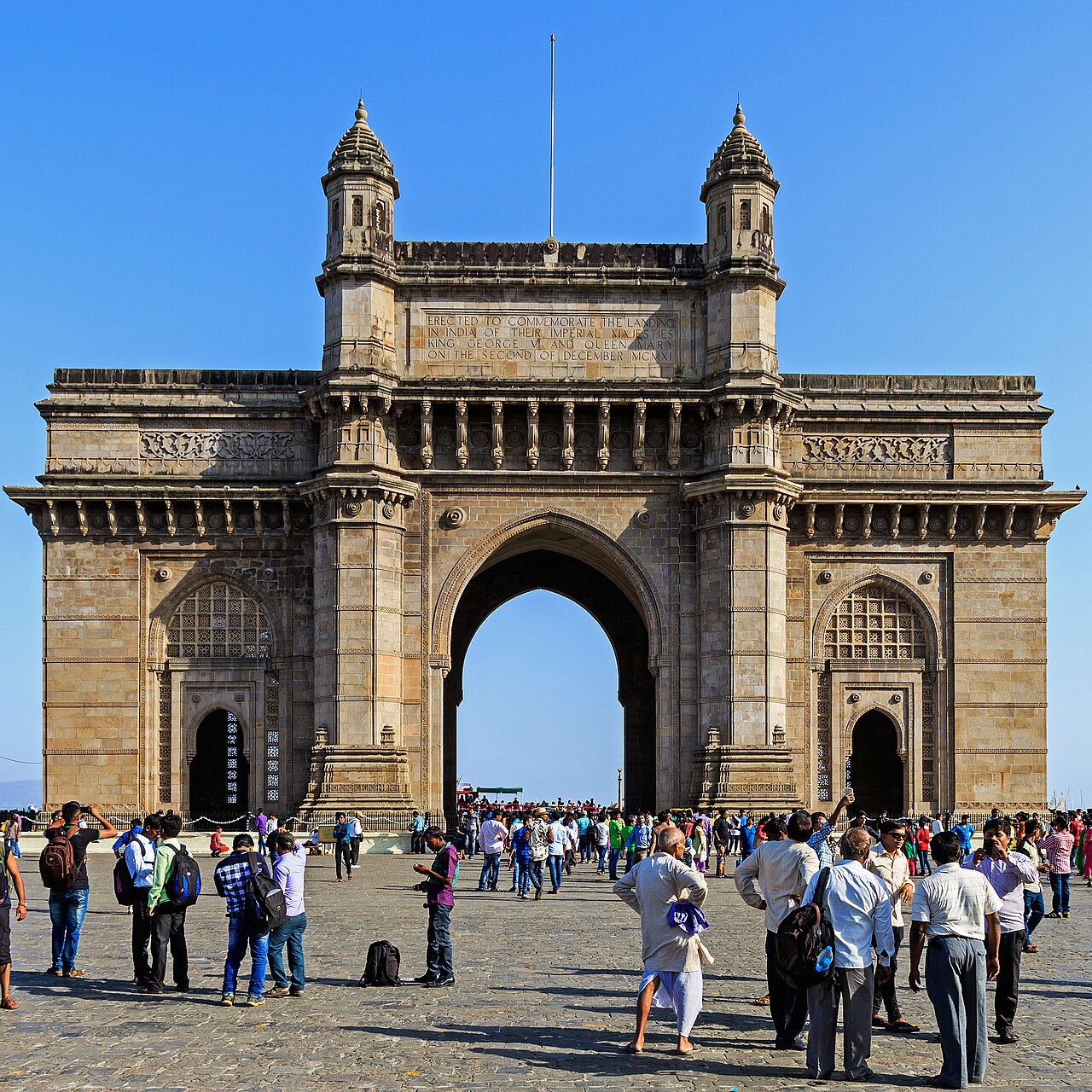
Gateway of India
Monument · 600 m · about 9 min walk
 #2 in MumbaiFree entry
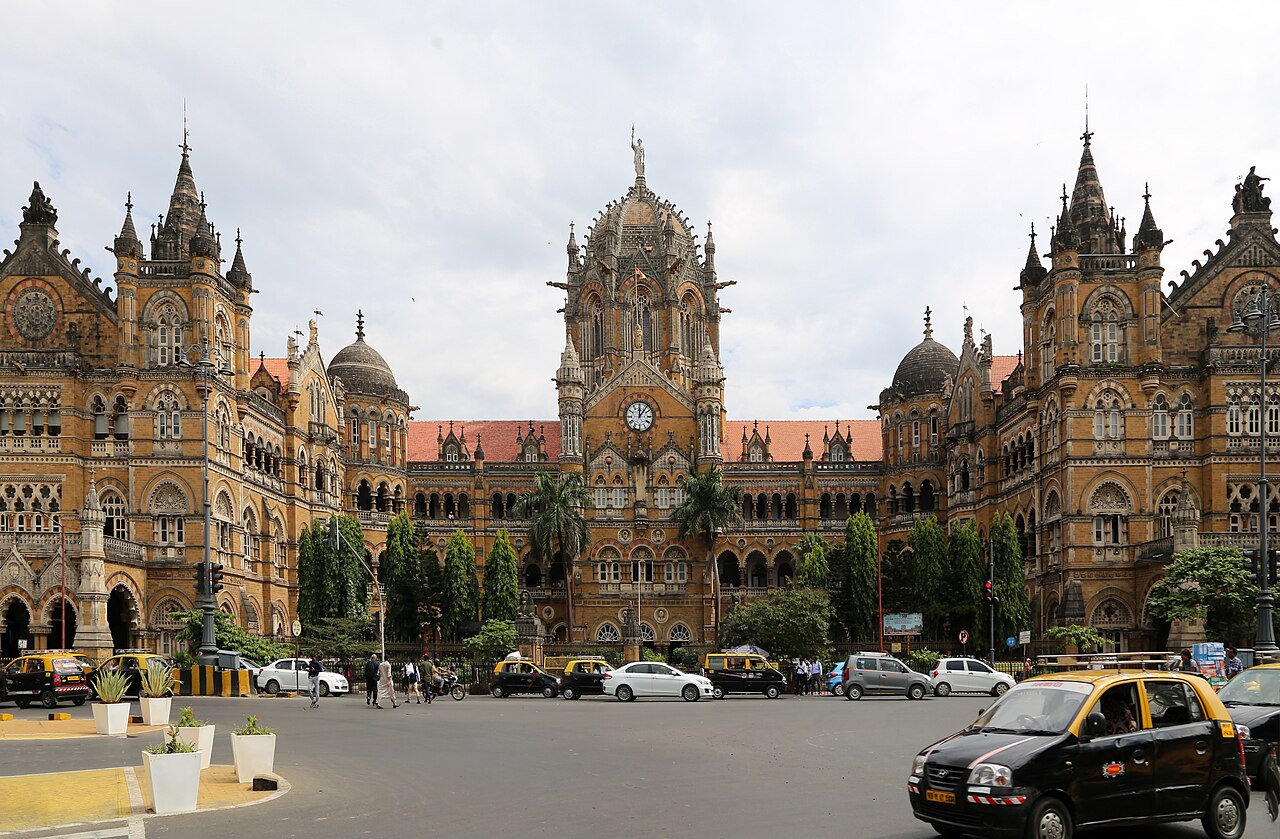
Chhatrapati Shivaji Maharaj Terminus
Monument · 1.5 km · about 24 min walk
 #4 in MumbaiFree entry
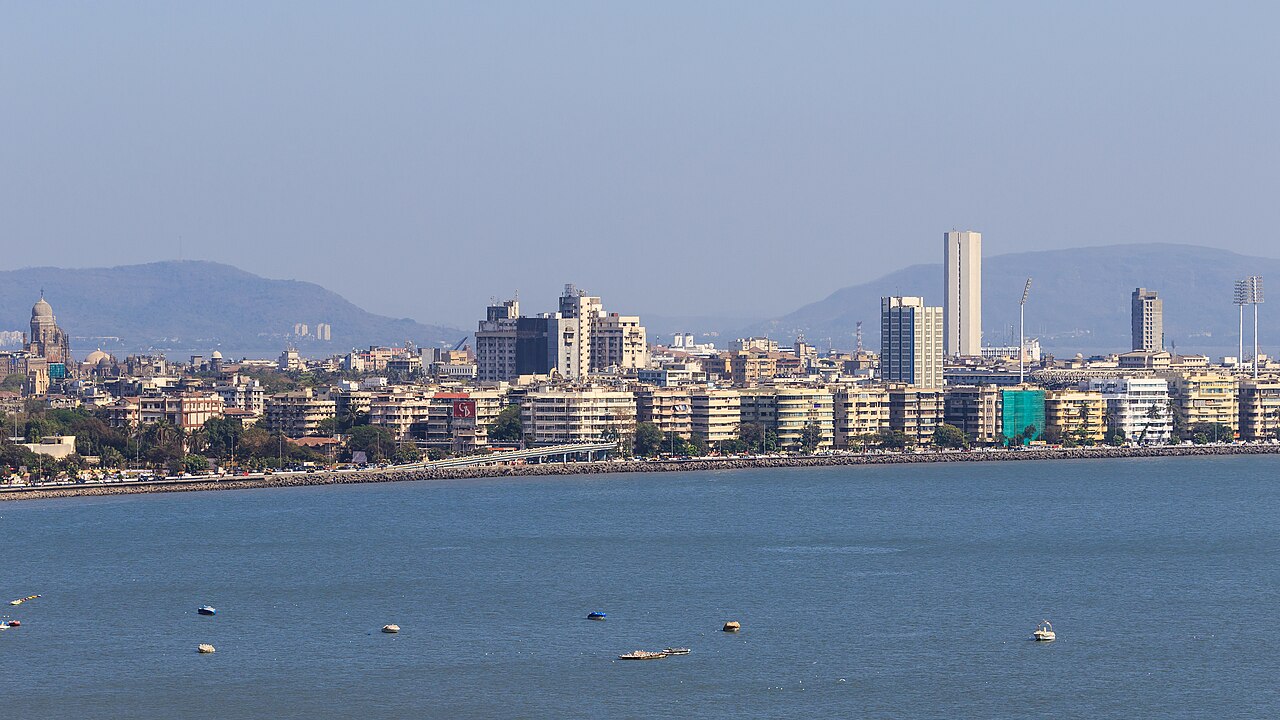
Marine Drive
Heritage · 2.2 km · about 35 min walk
 #9 in MumbaiFree entry
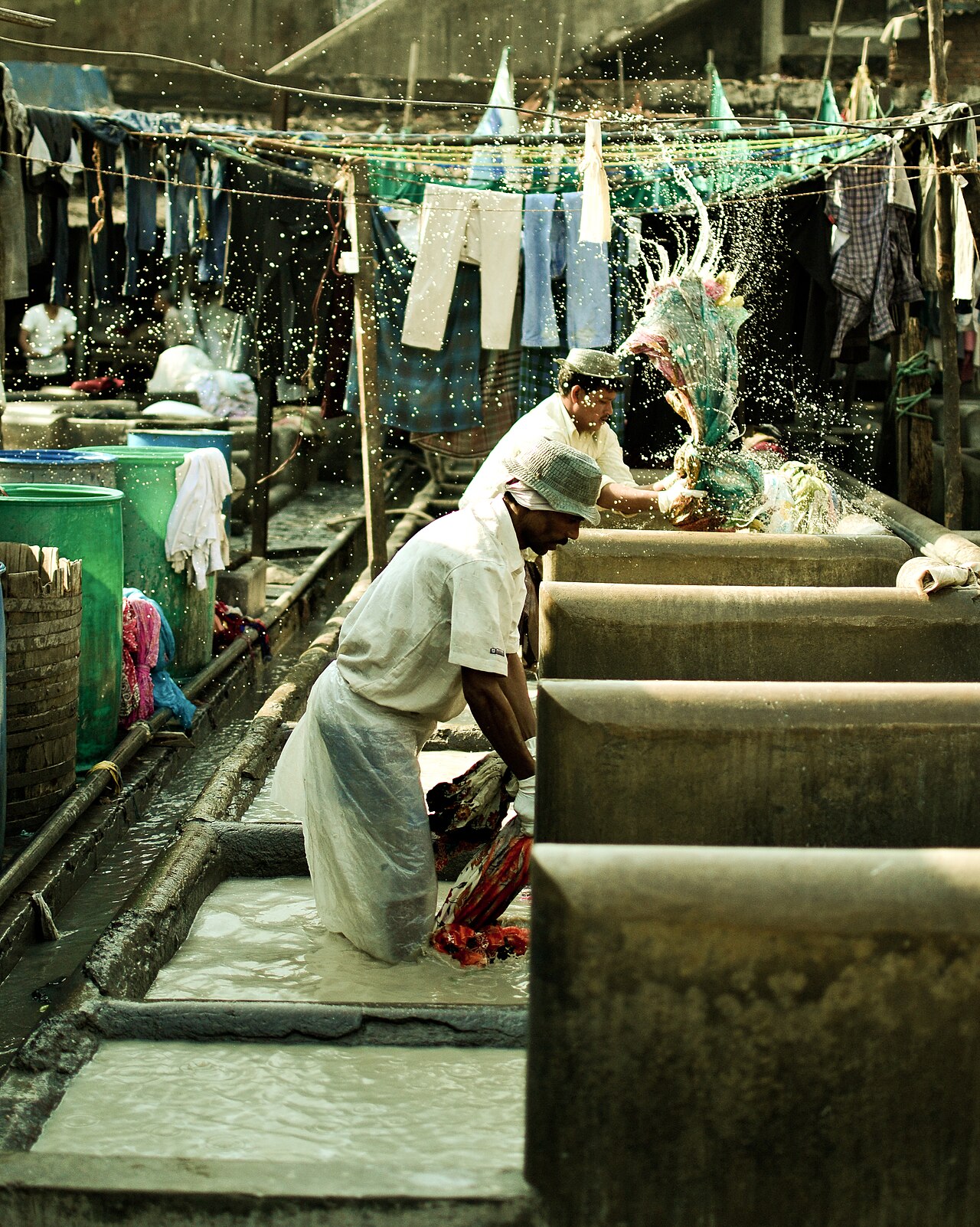
Mahalaxmi Dhobi Ghat
Heritage · 6 km · about 20 min by road