
Gateway of India
#1of 10 places to visit in MumbaiMumbai, Maharashtra
Quick answer
Opening hours: 09:00–14:30. Entry is free. Allow 30 min. Best time: 06:30–08:00 or 18:30–19:30.
Updated · Compiled by Traveliac, AI-assisted · 6 min read
- Opening hours
- 09:00–14:30
- Open 24 hours (esplanade). Ferry services: 09:00–14:30 departures (last return from Elephanta approximately 17:30).
- Entry fee
- Free
- Time needed
- 30 min
- Best time of day
- 06:30–08:00 or 18:30–19:30
- Best months
- Oct – Mar
- Address
- Apollo Bunder, Colaba, Mumbai, Maharashtra 400001
About Gateway of India
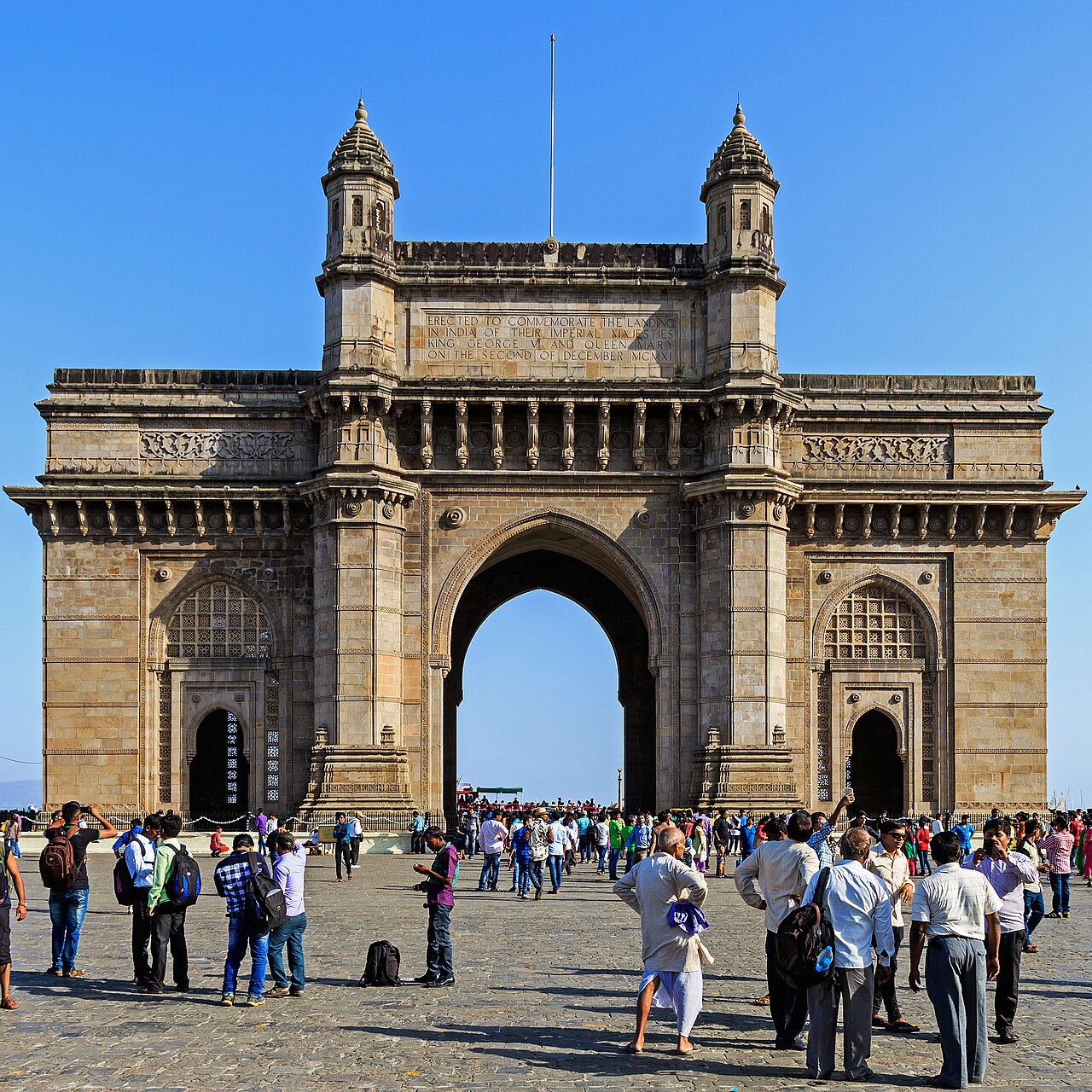
The Gateway of India is a basalt arch that rises eighteen and a half metres from the Apollo Bunder foreshore, and it is simultaneously the city's most recognisable silhouette and its most layered irony. Built to receive King George V and Queen Mary on their 1911 visit to India, it was not actually completed until 1924 — thirteen years after the visit it was meant to commemorate, at which point the royals had long returned to England. Its final use as a ceremonial gateway came in February 1948, when the last British troops to leave independent India passed beneath it and boarded their troopships. The arch now functions as Mumbai's de facto town square — the place where the city comes to exhale, where vendors sell bhutta roasted over coal braziers, where pigeons colonise the yellow Kharodi basalt buttresses, and where the Arabian Sea, never quite visible from the city's interior, finally makes itself known.
Best time of day: 06:30–08:00 or 18:30–19:30. For photography before crowds and boat exhaust; 18:30–19:30 for the lit arch against a darkening harbour sky.
Gateway of India timings
Gateway of India opens at 09:00 and closes at 14:30. Those hours hold on Saturday and Sunday too.
- Opening hours
- 09:00–14:30
Mon–Sun 09:00–14:30 - Open 24 hours (esplanade). Ferry services: 09:00–14:30 departures (last return from Elephanta approximately 17:30).
- Closed on
- Open every day
Good to know: Ferry services are suspended on days when the Arabian Sea swell exceeds 1.5 metres — most commonly during the active monsoon months of June, July, and August. Check MTDC counter status on arrival.
Opening hours compiled from public records; this place lists no official website, last updated . They change without notice — confirm before you travel. How we write these guides
Gateway of India ticket price
| Ticket | Price |
|---|---|
| Indian visitors | Free |
| Foreign visitors | Free |
| Children | Free |
| Camera | Free |
Entry to the open-air esplanade is free at all times. Ferry tickets to Elephanta Caves are purchased separately at the MTDC/private ticket counters directly behind the arch, facing the harbour. Government MTDC ferry: ₹250 return per adult (2026 rates). Private launches charge ₹150–200 per person but depart without schedule. No tripods or drone operation permitted without prior BARC/Port Trust clearance.
Prices compiled from public records; this place lists no official website, last updated . They change without notice — confirm before you travel. How we write these guides
Best time to visit Gateway of India
- Quiet
- Moderate
- Busy
06:00–08:30
Dawn windowBest time to go
The esplanade holds locals exercising, fishermen near the western seawall, and a handful of photographers. Ferry counters are closed. Ideal for architectural photographs without human obstruction.
Quiet09:00–11:00
Ferry morning rush
MTDC ferry counters open at 09:00; the first sailing draws the day's earliest Elephanta-bound visitors. Manageable on weekdays, noticeably busier on weekends.
Moderate11:00–15:00
Midday peak
Tour coaches and school groups converge on the esplanade. Hawker activity at maximum intensity. The arch itself is almost always in frame with hundreds of other visitors during this window.
Busy15:00–17:30
Afternoon shoulder
Crowds thin slightly as temperature peaks and returning Elephanta ferries bring a second wave. The light on the sea improves from 16:30.
Moderate18:00–22:00
Evening local hour
Lit arch, cooling harbour breeze, and a demographic shift toward Mumbai families and young couples. Dense but festive. Saturday evenings are consistently the busiest time of the week.
Busy
History of Gateway of India
The impetus for the Gateway came from the royal visit of 1911, when King George V and Queen Mary attended the Delhi Durbar and subsequently visited Bombay. A temporary structure of cardboard and plaster greeted them at Apollo Bunder; the permanent replacement was commissioned immediately. The architect George Wittet, a Scotsman who had already designed the Prince of Wales Museum (now the Chhatrapati Shivaji Maharaj Vastu Sangrahalaya) and the Institute of Science, drew on the Indo-Saracenic vocabulary that the colonial administration preferred for its major public buildings — a hybrid that combined Islamic pointed arches, Hindu temple brackets, and Western engineering into structures that satisfied no single tradition but became a recognisable style of colonial Bombay.
Wittet's design drew specifically from the Gujarati Dargah tradition of the sixteenth century: the central arch is flanked by four turrets with latticed stone jharokha screens, and the whole is executed in yellow Kharodi basalt quarried from sites near the city. Construction began in 1915 and was slowed by the First World War; the foundation stone had already been laid in 1913 by the Governor of Bombay, Sir George Sydenham Clarke. The finished structure was inaugurated on 4 December 1924 by the Viceroy, Lord Reading.
The symbolic function of the arch reversed within twenty-four years of its completion. On 28 February 1948, the First Battalion of the Somerset Light Infantry marched through the Gateway and onto HMS Glasgow, the last British troops to depart the newly independent nation. The moment was photographed and filmed — the Union Flag coming down, the arch framing the troopship's departure — and the Gateway has carried that double meaning ever since: the point of colonial arrival and, more decisively, the point of colonial exit.
The adjacent Taj Mahal Palace Hotel, completed in 1903 by the industrialist Jamsetji Nusserwanji Tata, predates the Gateway and provides the ensemble's other anchor. Local lore holds that Tata built it after being refused entry to the Europeans-only Watson's Hotel. The story is disputed by historians but persists because it aligns too neatly with Mumbai's mythology of ambition overcoming exclusion.
Rules & etiquette at Gateway of India
The esplanade around the Gateway is open and ungated, but the volume of visitors — the site absorbs several thousand people on weekday evenings and substantially more on weekends — creates practical pressures. Hawkers selling balloons, toys, photography services, and ferry tickets operate throughout the foreshore; many offer 'free' boat rides that transition quickly into aggressive upcharging. The government MTDC ferry counter, marked with a green board, is the only legitimate source for Elephanta tickets. It is located in the colonnade to the immediate east of the arch, facing the harbour.
Ferry passengers must pass through a security check before boarding any vessel; carry photo identification. On the return journey from Elephanta, boarding at the Elephanta jetty can become disorganised when multiple ferries load simultaneously — position yourself early if you have a fixed return deadline.
Drone operation above the Gateway and surrounding harbour is prohibited under DGCA regulations without advance coordination with Mumbai Port Trust and the Civil Aviation Authority. Violations are enforced. Tripod use on the esplanade is technically subject to permit, though enforcement is inconsistent for small travel tripods at uncrowded times. After 21:00, when the tourist population thins, the esplanade becomes a gathering place for young Mumbaikars — the atmosphere shifts from tourist landmark to neighbourhood fixture and the arch is worth revisiting purely for that transition.
Tips for visiting Gateway of India
- 1
The most common mistake at the Gateway is treating it as a ten-minute photograph stop on the way to an Elephanta ferry. Give it a proper visit at dawn, when the sky over the harbour goes through a rapid sequence of colours and the BEST buses from CSMT are disgorging the first wave of city workers. The pigeons that coat the arch at midday largely abandon it in the early morning, revealing the quality of the basalt carving on the turrets.
- 2
For the ferry: arrive at the MTDC counter by 09:15 at the latest if you want a seat on the 09:30 sailing rather than the 10:00 or later. The crossing takes roughly 70 minutes and provides a genuinely instructive view of Mumbai Harbour — the Mazagon Dock shipyard, the navy installations at INS Angre, the industrial shore of Elephanta Island before the tourist approach. Carry water; the ferry does not sell it at reliable prices.
- 3
At the monument itself, the best light for photography falls on the harbour-facing (south) side in the early morning and on the city-facing (north) side in the late afternoon. If you are visiting with a vehicle, the Colaba causeway offers paid parking at ₹40–60 per hour at the MTDC lot. Auto-rickshaws do not operate in the island city south of Mahim — take a metered taxi (flag-fall ₹25, then ₹18 per km on older Kaali-Peeli cabs) or a ride-share app.
How to reach Gateway of India
The red star is Gateway of India; the numbered pins are the 8 nearest places in our guides, each showing its rank in its city. Tap a pin for details.
Apollo Bunder, Colaba, Mumbai, Maharashtra 400001Directions in Google Maps
From Chhatrapati Shivaji Maharaj Terminus (CSMT)
₹80–1303.2 km · 15–25 min
By meter (₹25 flag-fall + ₹18/km
From Chhatrapati Shivaji Maharaj Terminus (CSMT)
₹10–153.2 km · 25–40 min
From Mumbai Airport (T2)
₹450–70026 km · 45–80 min
Depending on traffic and surge
From Churchgate Station
₹70–1102.5 km · 12–20 min
Nearest airport
From Chhatrapati Shivaji Maharaj International Airport, Mumbai
26 km, approximately 45–70 minutes by taxi depending on traffic.
Nearest railway station
From Chhatrapati Shivaji Maharaj Terminus (CSMT)
3 km, approximately 15–20 minutes by taxi or 25–35 minutes by BEST bus routes 3, 11, or 124.
Gateway of India FAQs
Is there an entry fee for the Gateway of India?
No. The open-air esplanade is free to enter at all times. Ferry tickets to Elephanta Caves (₹250 return, MTDC government service) are separate and purchased at the counter behind the arch.
Can I visit after dark?
Yes. The esplanade is open 24 hours and the arch is illuminated after sunset. The atmosphere after 21:00 is noticeably calmer than during daytime peak hours.
How do I get Elephanta ferry tickets without being overcharged?
Use only the MTDC (Maharashtra Tourism Development Corporation) counter in the colonnade east of the arch, identifiable by the green government signboard. Private boats may approach you on the esplanade offering cheaper fares — these are unlicensed and not covered by safety regulations.
Is photography permitted?
Photography of the exterior and esplanade is unrestricted. Drone flights require advance clearance from Mumbai Port Trust and DGCA — assume they are not permitted on an ad-hoc basis.
What is the best time of year to visit?
November through February. The monsoon (June–September) does not close the Gateway itself but regularly suspends ferry services to Elephanta on rough-sea days. October can still see intermittent rain.
Compiled with AI assistance from official sources and public records, and published only after the checks in How we write these guides. Nobody from Traveliac has visited this place. Last updated . How we rank and check places
Places to visit near Gateway of India
Straight-line distances from our map; times are estimates.
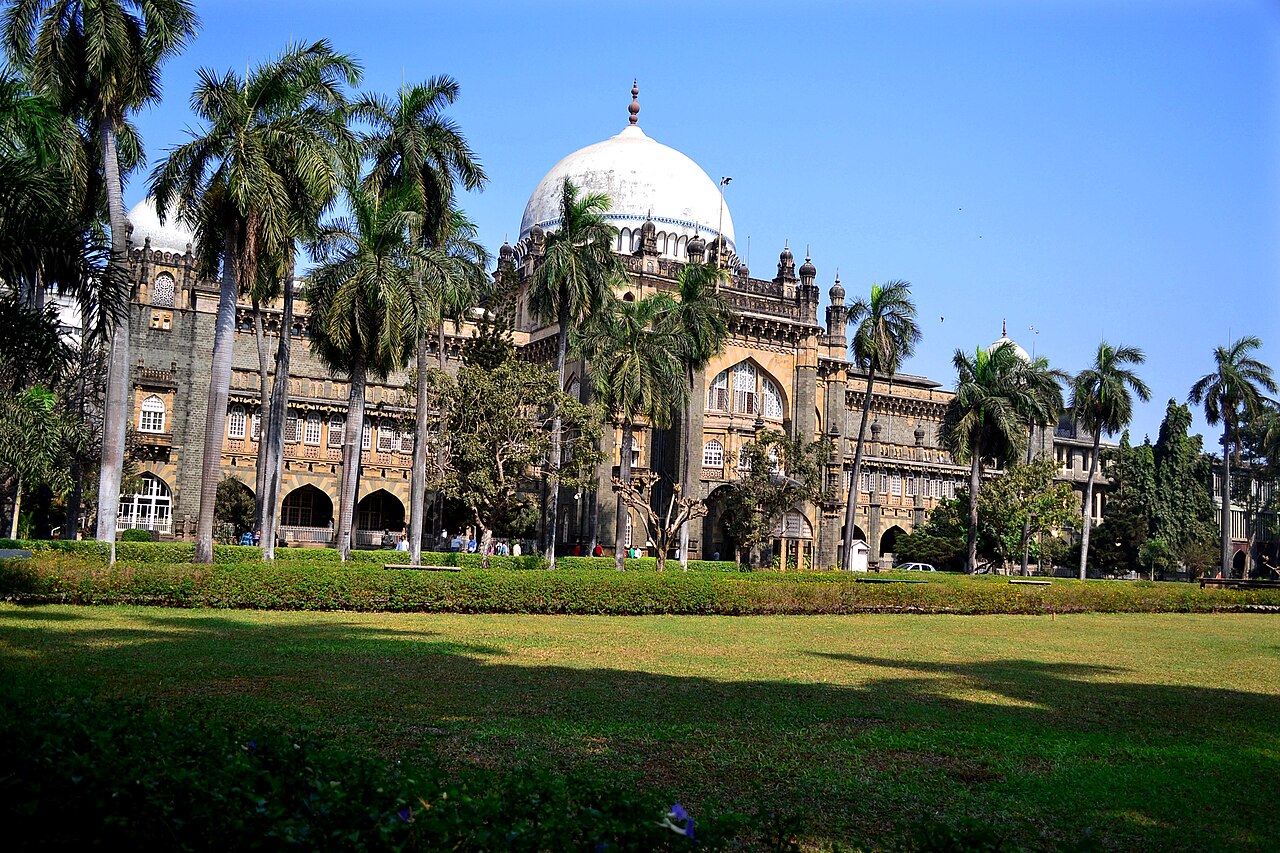 #5 in Mumbai
Chhatrapati Shivaji Maharaj Vastu Sangrahalaya
Museum · 600 m · about 9 min walk
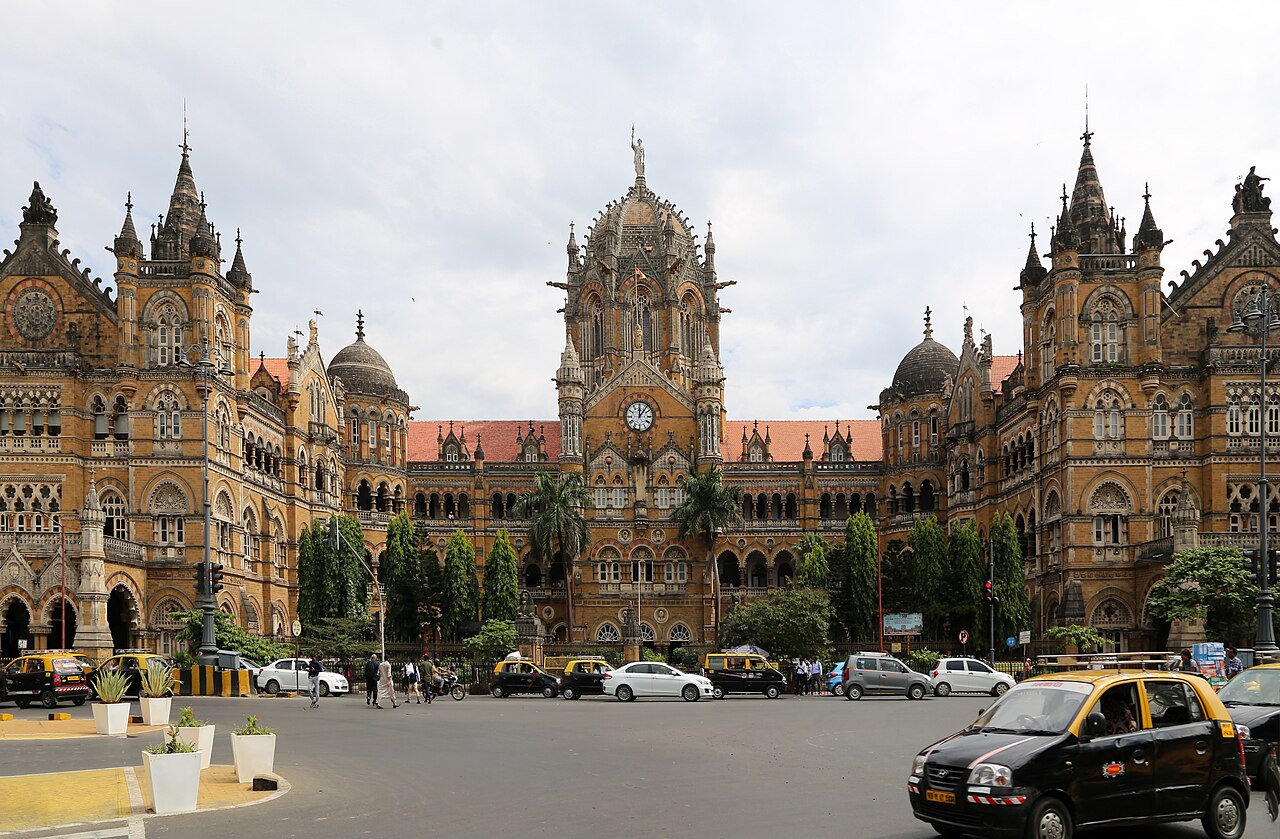 #2 in MumbaiFree entry
Chhatrapati Shivaji Maharaj Terminus
Monument · 2.0 km · about 32 min walk
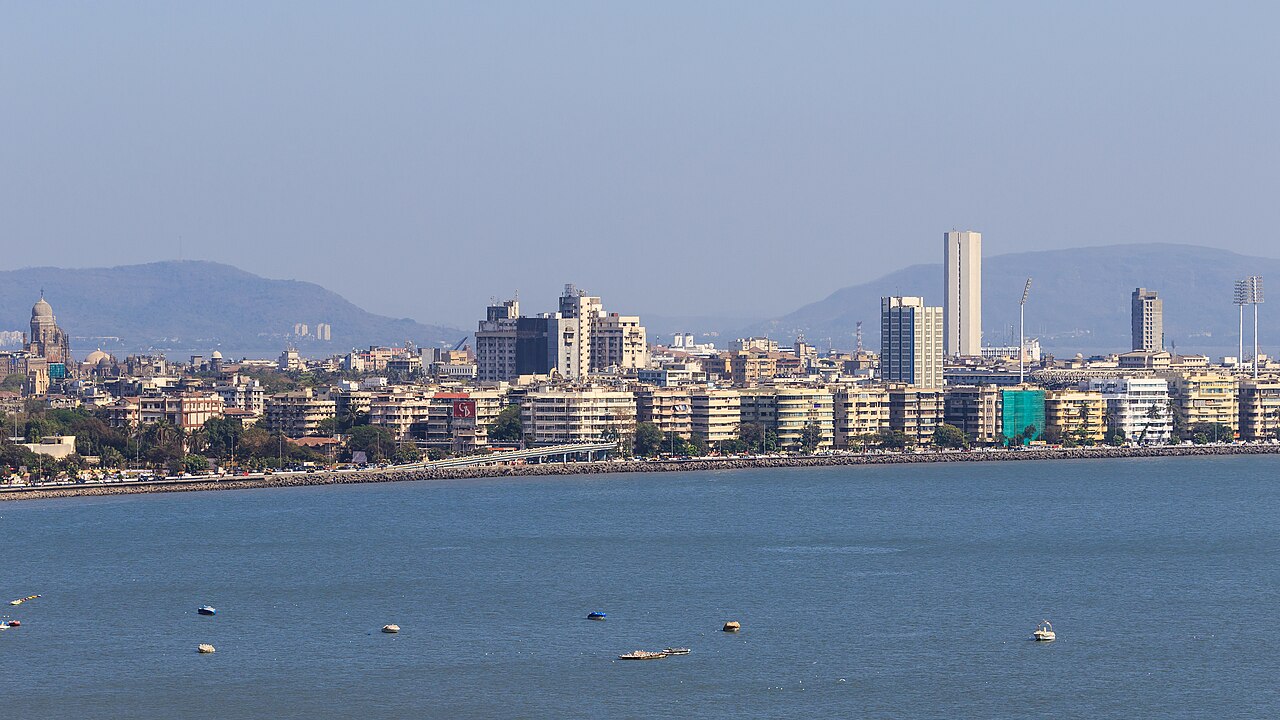 #4 in MumbaiFree entry
Marine Drive
Heritage · 3 km · about 10 min by road
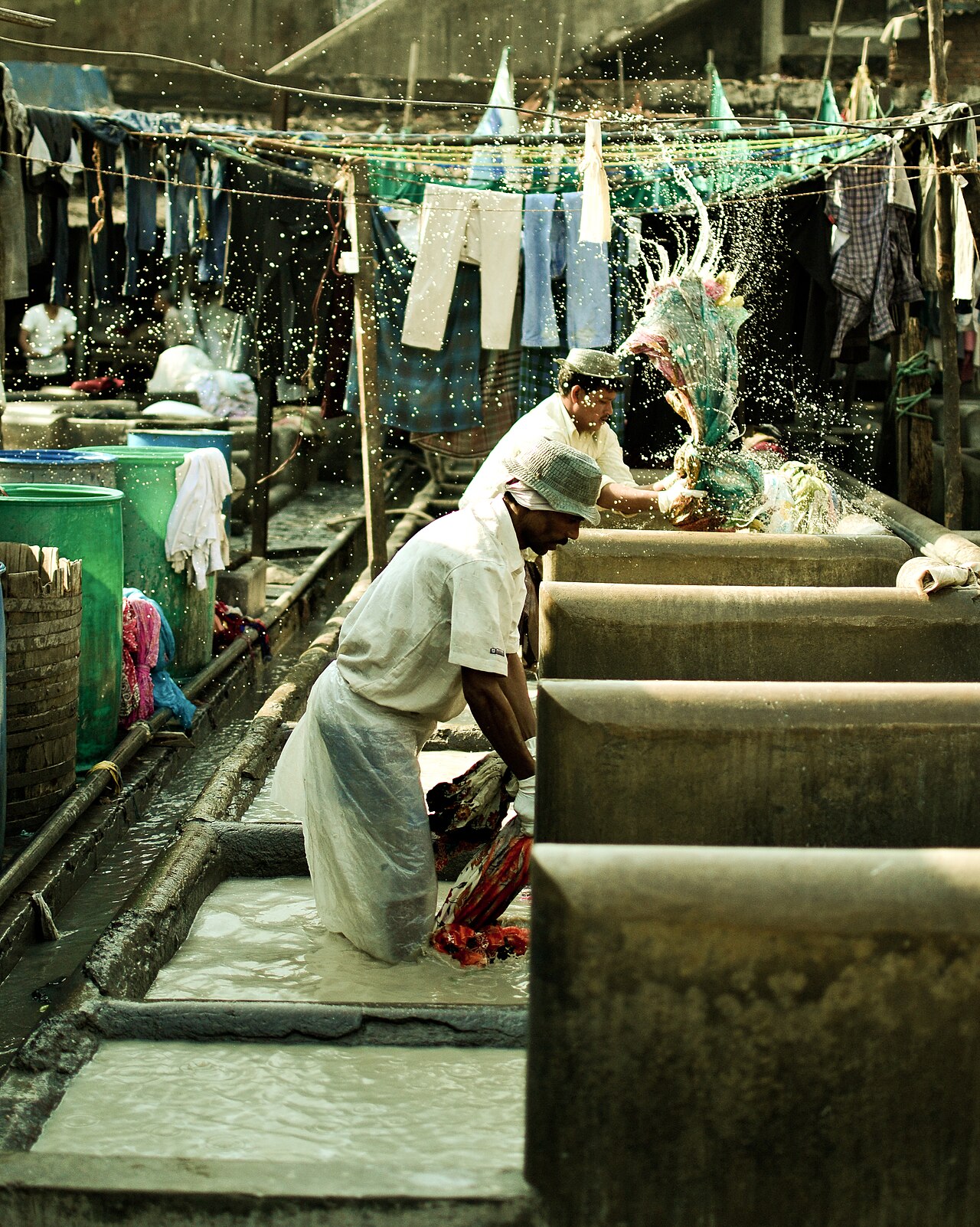 #9 in MumbaiFree entry
Mahalaxmi Dhobi Ghat
Heritage · 7 km · about 20 min by road