
Mahalaxmi Dhobi Ghat
#9of 10 places to visit in MumbaiMumbai, Maharashtra
Also known as Saat Rasta Dhobi Ghat
Quick answer
Opening hours: 06:00–19:00. Entry is free. Allow 30 min. Best time: 09:00 – 12:00.
Updated · Compiled by Traveliac, AI-assisted · 5 min read
- Opening hours
- 06:00–19:00
- The wash-pens are in active use roughly 06:00–19:00 daily, though there is no formal 'opening' or 'closing' of what is a residential and working colony rather than a monument. The bridge viewpoint itself is accessible at all hours as part of the public road.
- Entry fee
- Free
- Time needed
- 30 min
- Best time of day
- 09:00 – 12:00
- Best months
- Oct – Mar
- Address
- Near Mahalaxmi Station, off Dr E Moses Road, Mahalaxmi, Mumbai, Maharashtra 400011
About Mahalaxmi Dhobi Ghat
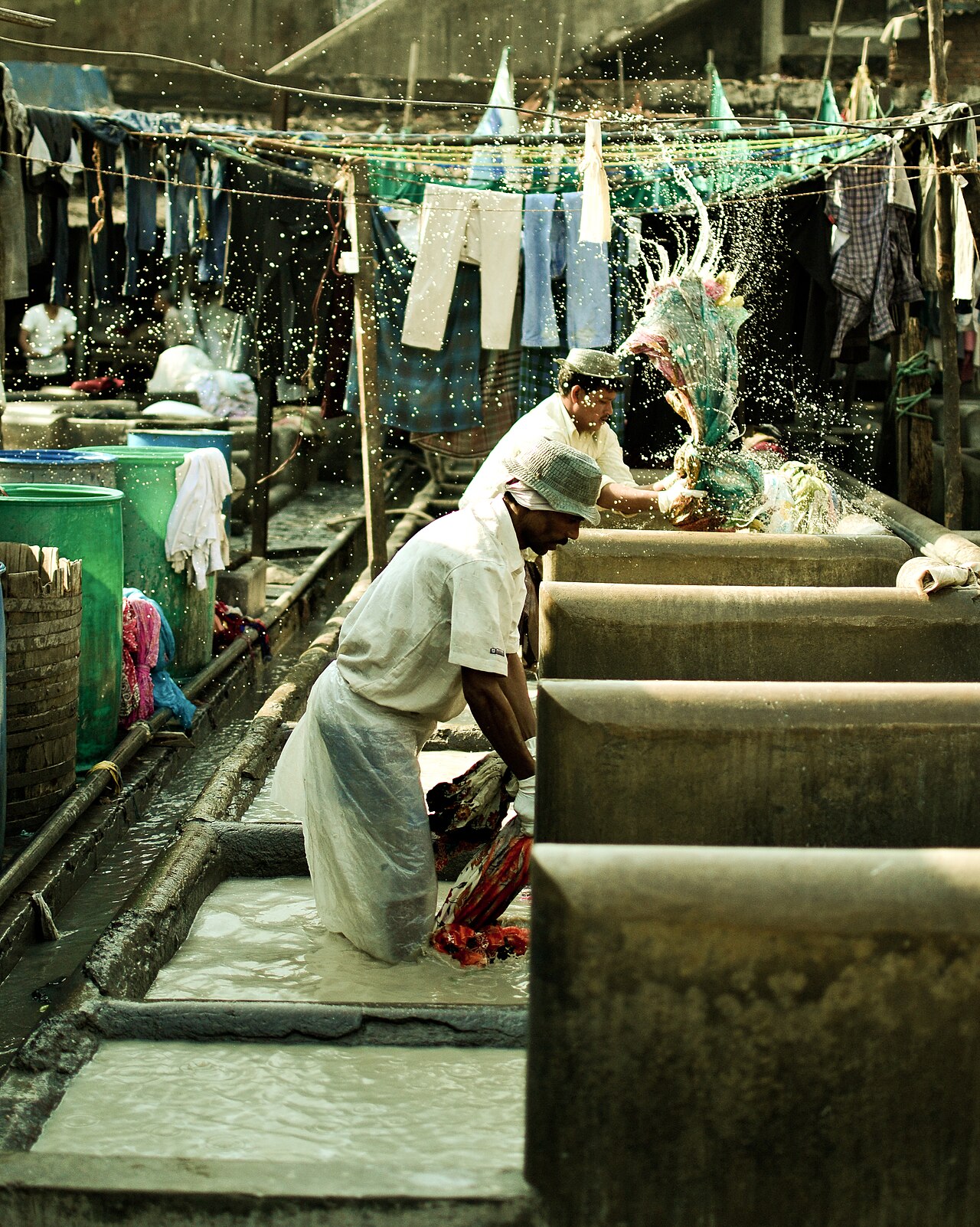
From the pedestrian bridge beside Mahalaxmi station, Mumbai's largest open-air laundry unfolds as a grid of several hundred concrete wash-pens, each roughly waist-deep, where generations of dhobi families hand-wash clothes, linens, and hotel and hospital textiles sent from across the city. The scale is the point: this is not a curated demonstration of a traditional trade but an actual functioning industrial laundry, employing an estimated several thousand workers, that still operates on largely the same manual system — soaking, beating fabric against stone slabs, boiling in coal-fired vats, and hanging to dry on a forest of overhead lines — that was established under British administration in the 1890s. The designated public viewpoint is the bridge itself; walking down into the working pens is a different matter entirely, and one that carries a real question of consent that the site's popularity as a photo subject tends to obscure.
Best time of day: 09:00 – 12:00. When washing activity is at its most visible and the light from above the bridge is strongest for photographs of the grid of concrete troughs.
Mahalaxmi Dhobi Ghat timings
Mahalaxmi Dhobi Ghat opens at 06:00 and closes at 19:00. Those hours hold on Saturday and Sunday too.
- Opening hours
- 06:00–19:00
Mon–Sun 06:00–19:00 - The wash-pens are in active use roughly 06:00–19:00 daily, though there is no formal 'opening' or 'closing' of what is a residential and working colony rather than a monument. The bridge viewpoint itself is accessible at all hours as part of the public road.
- Closed on
- Open every day
Good to know: Washing activity slows or stops entirely on days of heavy monsoon rain (June–September), since the open troughs and drying lines depend on sun and are unusable in a downpour; a monsoon-day visit may show a largely empty ghat.
Opening hours compiled from No official website; the site is a working residential and labour colony rather than an institution with a formal visitor-facing presence. and public records, last updated . They change without notice — confirm before you travel. How we write these guides
Mahalaxmi Dhobi Ghat ticket price
| Ticket | Price |
|---|---|
| Indian visitors | Free |
| Foreign visitors | Free |
| Children | Free |
| Camera | Free |
Viewing from the designated bridge platform is free and unticketed. Entering the working wash-pen area itself is not a ticketed activity but is not generally open to unaccompanied visitors either — some dhobi families or informal local guides allow a paid walk-through (commonly ₹100–300 per person, unofficial and not fixed), but this is a working household's private labour space, and consent should be treated as a courtesy extended by the family rather than a service purchased by right.
Prices compiled from No official website; the site is a working residential and labour colony rather than an institution with a formal visitor-facing presence. and public records, last updated . They change without notice — confirm before you travel. How we write these guides
Best time to visit Mahalaxmi Dhobi Ghat
- Quiet
- Moderate
06:00 – 09:00
Early Wash CycleBest time to go
Workers begin the day's washing; few tourists are present this early, and the light is soft for photography from the bridge.
Quiet09:00 – 12:00
Peak Working Hours
The ghat is at its busiest working pace, with the highest number of workers visibly active in the troughs simultaneously. This is also when the small number of visitor tour groups typically arrive.
Moderate12:00 – 15:00
Midday Slowdown
Heat and the shift toward drying rather than washing reduce visible activity in the pens themselves; overhead drying lines are at their fullest.
Quiet15:00 – 18:00
Late Afternoon
Activity winds down toward evening; a quieter, lower-intensity view of the site than the late-morning peak.
Quiet
History of Mahalaxmi Dhobi Ghat
The ghat was established in 1890 by the British colonial administration as a purpose-built public washing facility, consolidating a trade that had previously been conducted informally along the city's tanks, wells, and shoreline. The site was engineered specifically for its function: rows of concrete open troughs, each with a stone flogging-slab for beating fabric, fed by a dedicated water supply, and laid out on a grid to allow hundreds of washermen to work simultaneously without disputes over space or water access. The dhobi trade in Bombay had organised itself along caste lines — dhobi is both an occupational and, historically, a caste designation — and the colonial administration's ghat effectively formalised and concentrated a trade that had operated on an ad hoc basis across the city's water bodies.
Through the twentieth century, the ghat's client base expanded from individual households to the city's hotels, hospitals, and railway systems, which contracted out linen washing at scale; this institutional laundry business remains a core part of the ghat's economics today, alongside individual household laundry collected and returned by an informal network of pickup agents across the city.
The site gained wider international visibility through Kiran Rao's 2010 film Dhobi Ghat (released internationally as Mumbai Diaries), which used the location and its social world as a narrative backdrop, and through the site's regular appearance in photography and photojournalism about Mumbai's informal and working-class economies — exposure that increased footfall of visitors arriving specifically to photograph the ghat rather than to use its services.
Rules & etiquette at Mahalaxmi Dhobi Ghat
The bridge above the ghat is the sanctioned public viewpoint, and the overwhelming majority of visitors should treat it as the extent of their visit. The wash-pens below are a working household laundry and, in many cases, a family's living space as well — walking down into the pens uninvited, or photographing individual workers at close range without asking, is a real intrusion into a residential and working community, not a neutral act of tourism, and has been the subject of local complaints about visitor behaviour over the years.
If a resident or informal guide offers a paid walk-through, treat the fee as a courtesy payment for access to someone's workplace and home rather than a standard tourist transaction — negotiate a fair amount, ask before photographing any individual directly, and expect to be politely refused in some sections regardless of payment, particularly around residential quarters rather than working troughs.
Footwear and clothing that can tolerate soap spray and puddled water are sensible if you do descend into the working area; the surfaces are consistently wet and the walkways between troughs are narrow, uneven, and shared with active barrows of wet laundry being moved at speed.
Tips for visiting Mahalaxmi Dhobi Ghat
- 1
The bridge view alone is sufficient for most visitors and delivers the site's essential visual impact — the sheer grid-like scale of the pens, drying lines strung between buildings in every direction, and the steady, continuous motion of workers — without raising the consent questions that a walk-through does.
- 2
Early-to-mid morning shows the most washing activity; by mid-afternoon, much of the day's washing has moved to the drying stage and the pens themselves are quieter, though the overhead lines are then at their fullest with drying fabric, which is its own photographic subject.
- 3
Combine the visit with Mahalaxmi Racecourse, immediately adjacent, or the Haji Ali Dargah causeway, roughly 1.2 kilometres further along the coast — both are easily walkable from the same Mahalaxmi station stop, making this an efficient half-day cluster on the Western line rather than a single-purpose detour.
How to reach Mahalaxmi Dhobi Ghat
The red star is Mahalaxmi Dhobi Ghat; the numbered pins are the 8 nearest places in our guides, each showing its rank in its city. Tap a pin for details.
Near Mahalaxmi Station, off Dr E Moses Road, Mahalaxmi, Mumbai, Maharashtra 400011Directions in Google Maps
From Mahalaxmi Station
0.15 km · 2–3 min
Free
From Haji Ali Dargah
1.2 km · 15 min walk / 6–8 min auto
Free (walk) or ₹30–50 (auto)
From Mumbai Airport (T2)
₹400–60023 km · 40–65 min
Depending on traffic and surge
Nearest airport
From Chhatrapati Shivaji Maharaj International Airport, Mumbai (BOM)
23 km, approximately 40–65 minutes by taxi depending on traffic.
Nearest railway station
From Mahalaxmi, Western line
approximately 150 metres; the designated viewing bridge is visible directly from the station's eastern side.
Mahalaxmi Dhobi Ghat FAQs
Can you walk into the working area of Dhobi Ghat, or only view it from the bridge?
The bridge beside Mahalaxmi station is the designated public viewpoint and the appropriate default. The wash-pens below are a working, and partly residential, community; entering that area requires a resident's or informal guide's invitation, sometimes offered for an unofficial fee, and should be treated as access to someone's home and workplace rather than a ticketed attraction.
How old is Mahalaxmi Dhobi Ghat and is it still operating?
It was established in 1890 by the British colonial administration and remains a fully operational commercial laundry today, serving individual households as well as hotels and hospitals across Mumbai. It is not a preserved historical exhibit but an active workplace.
Is photography allowed at Dhobi Ghat?
Photography from the public bridge viewpoint is unrestricted. Photographing individual workers up close within the working pens without asking permission is a separate matter and considered intrusive by many residents; ask first, particularly for photographs of people rather than the general scene.
What is the best time of day to see the ghat in full operation?
Between roughly 09:00 and 12:00, when the largest number of workers are actively washing in the troughs simultaneously. By early-to-mid afternoon the emphasis shifts to drying rather than washing, and the pens themselves are quieter.
Compiled with AI assistance from official sources and public records, and published only after the checks in How we write these guides. Nobody from Traveliac has visited this place. Last updated . How we rank and check places
Places to visit near Mahalaxmi Dhobi Ghat
Straight-line distances from our map; times are estimates.
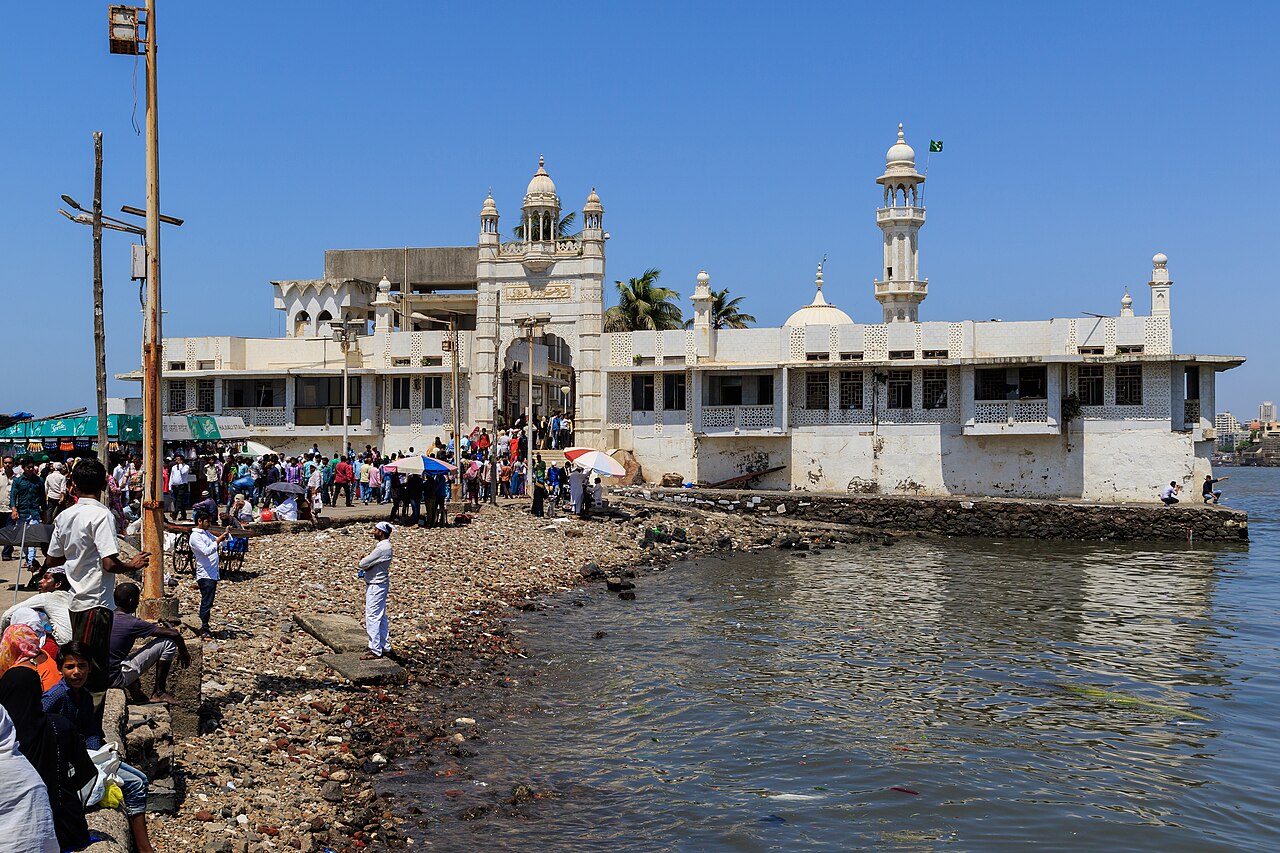 #6 in MumbaiFree entry
Haji Ali Dargah
Dargah · 1.6 km · about 26 min walk
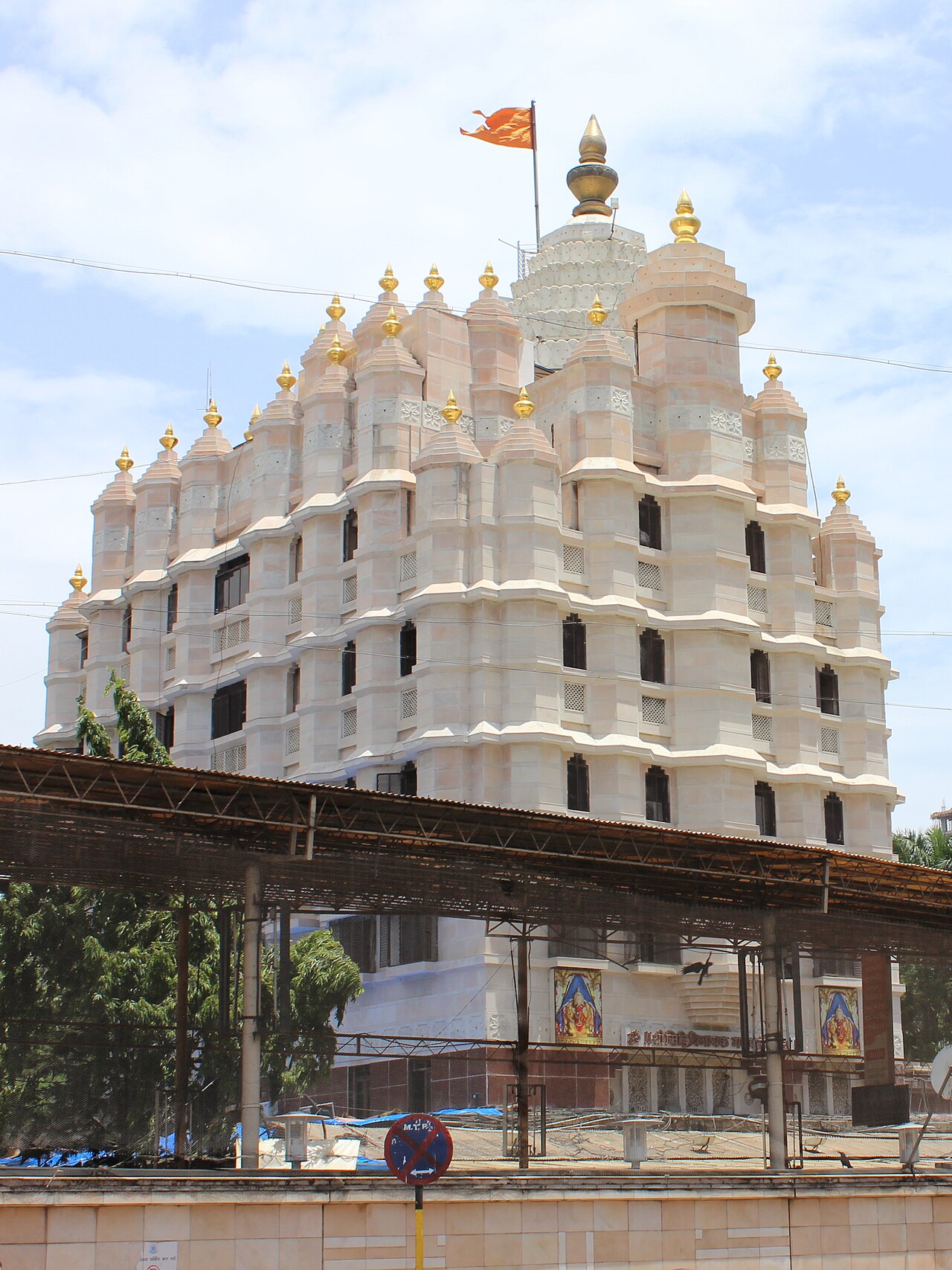 #7 in MumbaiFree entry
Shree Siddhivinayak Ganapati Mandir
Temple · 4 km · about 10 min by road
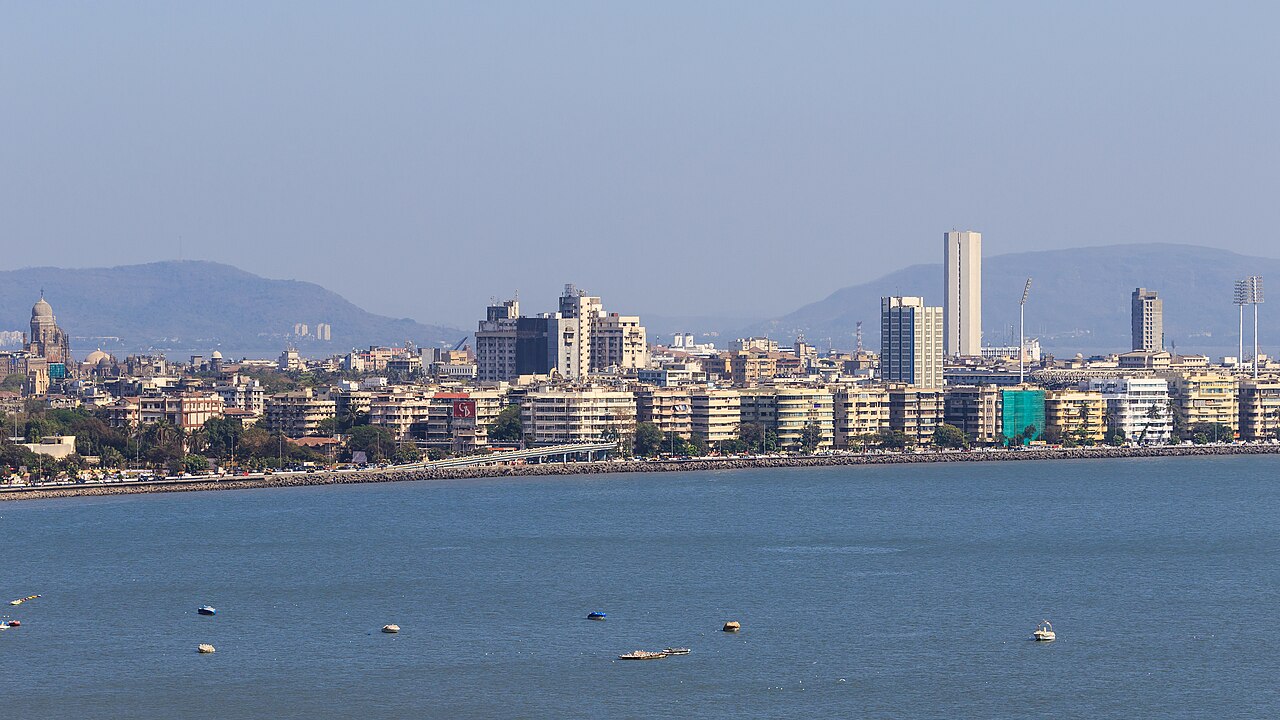 #4 in MumbaiFree entry
Marine Drive
Heritage · 4 km · about 15 min by road
 #2 in MumbaiFree entry
Chhatrapati Shivaji Maharaj Terminus
Monument · 5 km · about 15 min by road