
Elephanta Caves
#3of 10 places to visit in MumbaiMumbai, Maharashtra
Also known as Gharapuri Caves · Gharapuri Island
Quick answer
Opening hours: 09:00–17:30, closed Mondays. Entry: ₹40 Indian · ₹600 foreign. Allow 2.5 hrs. Best time: 09:30–11:30.
Updated · Compiled by Traveliac, AI-assisted · 6 min read
- Opening hours
- 09:00–17:30
- Closed Mondays
- Entry fee
- ₹40 Indian
- Ticket from
- Time needed
- 2.5 hrs
- Best time of day
- 09:30–11:30
- Best months
- Oct – Mar
- Address
- Elephanta Island (Gharapuri), Mumbai Harbour, Maharashtra 400094
About Elephanta Caves
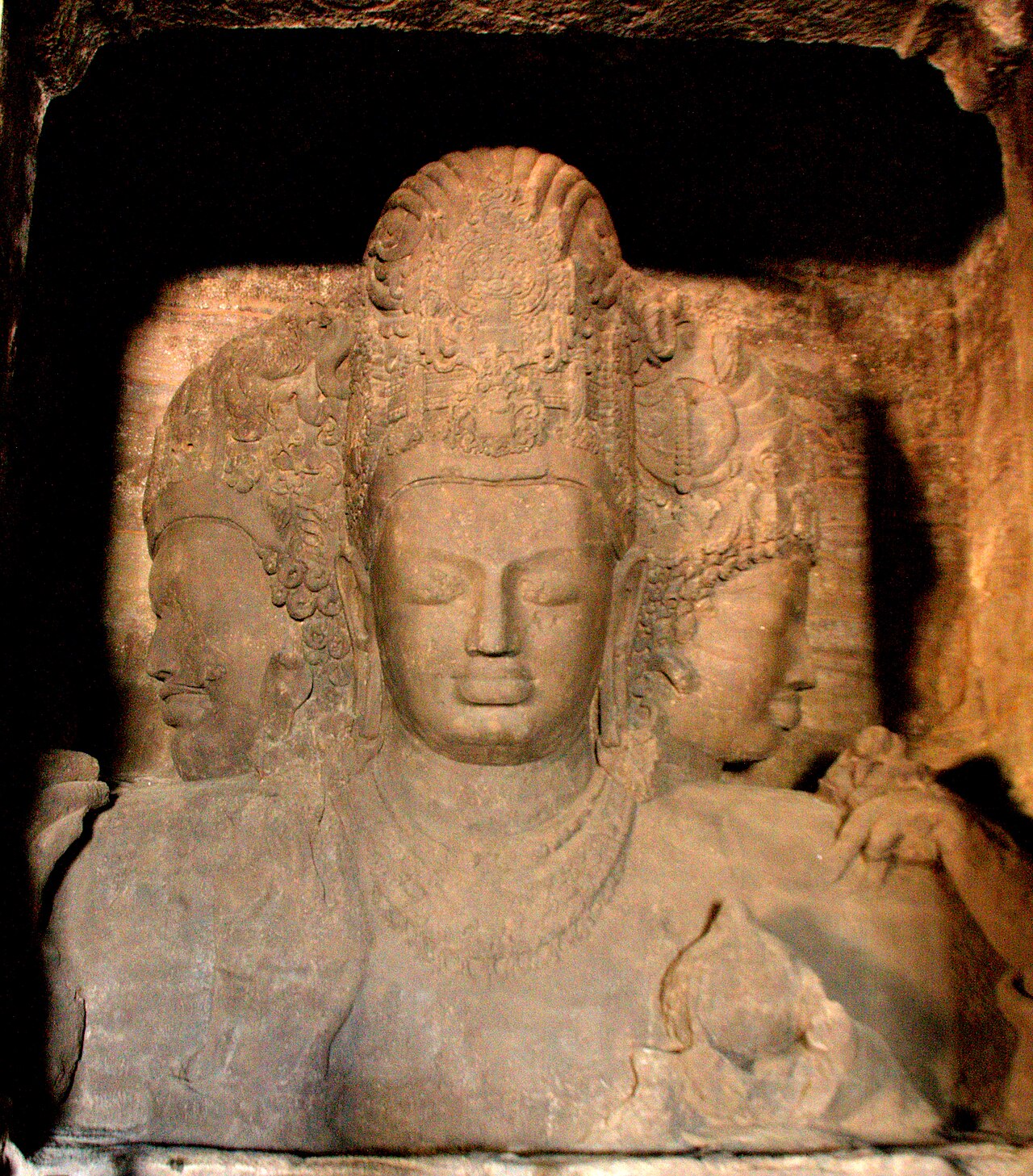
Gharapuri Island sits eleven kilometres into Mumbai Harbour, close enough to the city that you can watch the Bandra-Worli Sea Link from the ferry deck, remote enough that the sound of traffic is replaced entirely by the slap of water on basalt. The Portuguese renamed it Elephanta after a large stone elephant they found near the landing point — the original carving collapsed in the late nineteenth century and the fragments were reassembled at the Bhau Daji Lad Museum in Byculla. What the Portuguese, and later the Dutch and British officers who used the caves for target practice and stabling horses, apparently did not grasp was that they were standing inside one of the most sophisticated programmes of Hindu theological sculpture ever executed in stone. The trimurti — Shiva's three-faced manifestation as creator, sustainer, and destroyer — that commands the north wall of the main cave's southern chamber is six metres tall, carved from the basalt of the hill itself, and has been stared at by everyone from Aldous Huxley to tourists holding selfie sticks. It withstands all of them.
Best time of day: 09:30–11:30. Arriving on the first or second ferry, before the midday tour groups arrive and the light inside the caves becomes flatter.
Elephanta Caves timings
Elephanta Caves opens at 09:00 and closes at 17:30. Those hours hold on Saturday and Sunday too.
- Opening hours
- 09:00–17:30
Monday Closed Tue–Sun 09:00–17:30 - Closed on
- Monday
Good to know: Cave access is not seasonally restricted, but ferry services from Gateway of India are suspended during periods of high Arabian Sea swell — typically June through mid-September during the active monsoon. The ASI complex may also close on national holidays announced at short notice. Always verify ferry operations at the MTDC counter before purchasing tickets.
Opening hours compiled from public records; this place lists no official website, last updated . They change without notice — confirm before you travel. How we write these guides
Elephanta Caves ticket price
| Ticket | Price |
|---|---|
| Indian visitors | ₹40 |
| Foreign visitors | ₹600 |
| Children | Free |
| Camera | Free |
Entry fees are payable at the ASI ticket counter at the top of the toy-train ramp, before the main cave complex. The ferry ticket (₹250 return, MTDC government service from Gateway of India) is separate. Children under 15 enter free. Photography of the caves and sculptures is permitted for personal use; close-range flash photography directed at the sculptures is prohibited by ASI signage and should be avoided on conservation grounds. Video filming for commercial or documentary purposes requires separate ASI permission obtained in advance from the Superintending Archaeologist, Mumbai Circle.
Prices compiled from public records; this place lists no official website, last updated . They change without notice — confirm before you travel. How we write these guides
Best time to visit Elephanta Caves
- Quiet
- Moderate
- Busy
09:00–10:30
First-ferry arrivalBest time to go
Passengers from the first MTDC ferry, predominantly domestic travellers who planned ahead. The cave interior is quiet and the lighting staff have only recently switched on the supplementary fixtures.
Quiet10:30–13:00
Main wave
Tour groups from Mumbai hotels, school parties, and the bulk of independent visitors arrive via the 10:00 and 11:00 ferries. The trimurti chamber becomes congested. Selfie activity in front of the sculptures peaks.
Busy13:00–15:00
Midday lull
Some visitors are in the island restaurant or the stall area. Cave 1 is still busy but the smaller caves (2 through 5) are navigable. Heat on the open sections of the approach path is significant.
Moderate15:00–17:00
Afternoon quietening
Visitors who arrived early are departing on the 15:00 ferry. The cave interior holds its ambient cool. Good conditions for extended viewing of the lateral panels — Ardhanarishvara and Nataraja — without people blocking sightlines.
Quiet
History of Elephanta Caves
The Elephanta Caves are conventionally dated to between the fifth and eighth centuries CE, with the most authoritative scholarship placing the main Shiva cave (Cave 1) in the mid-sixth century under the patronage of the Kalachuri dynasty, who controlled the Konkan coast during that period. Some scholars assign the commission to the early Chalukyas or the Mauryas — the question of patronage remains genuinely contested — but the stylistic evidence in the carving technique places the primary work firmly in the late Gupta or early post-Gupta period.
The island's original name, Gharapuri — derived from the Konkani for 'city of caves' or possibly from a reference to the Agrahara settlement of Brahmins — gives some indication of its pre-colonial significance as a centre of religious life. The main cave complex comprises five Hindu caves and two smaller Buddhist caves, all excavated from the basalt hillside rather than built above ground. The main cave, roughly 39 metres by 39 metres in its interior dimensions, is supported by columns arranged in a grid of six rows. The columns are distinctive: a fluted shaft rises from a cushioned base to a capital of compressed form, a type identifiable as characteristically Elephanta and unlike the column types at Ajanta, Ellora, or Badami.
The programme of sculptural carving that fills the cave's lateral chapels and main wall panels is a systematic theological statement. The eighteen panels include Nataraja (Shiva as cosmic dancer), Ardhanarishvara (Shiva as the androgyne of male and female principles), Gangadhara (Shiva receiving the river Ganga on his matted hair), and the Andhakasura panel showing Shiva impaling the demon Andhaka. The trimurti on the north wall of the main shrine is the compositional and theological centre of the entire programme: the creator face on the right is serene and feminine; the destroyer face on the left wears a garland of skulls; the frontal face is the preserver, in perfect equipoise.
Portuguese soldiers, occupying the island after 1534, used the caves for storage, possibly for stabling horses in the outer court, and — according to sources of variable reliability — for artillery target practice. The sculptural damage visible on several panels (the broken noses and limbs on multiple figures) is attributed to this period, though the extent of deliberate Portuguese iconoclasm versus natural deterioration and earlier damage is disputed by art historians. UNESCO designated Elephanta a World Heritage Site in 1987.
Rules & etiquette at Elephanta Caves
Remove footwear before entering any of the cave shrines — a shoe-rack is maintained near the entrance to Cave 1, though it fills quickly on busy days and you may need to carry your shoes in a bag inside. Socks are permitted and advisable given the rough basalt floor.
Close-range flash photography directed at the sculptural panels is explicitly prohibited by ASI signage and should be treated as a firm rule, not a suggestion. The basalt surface is porous and has absorbed centuries of lamp smoke, incense residue, and environmental carbon; flash illumination at close range contributes to photochemical degradation of the surface. Natural light from the cave entrance, supplemented by the artificial lighting ASI has installed (generally functional but patchy in the inner shrines), provides sufficient illumination for photography with a camera capable of ISO 1600 or above.
Guides can be engaged at the island jetty or from the ASI-licensed guide association; establish that the guide is ASI-registered before hiring. The standard rate for a two-hour guided tour of the main cave complex is approximately ₹500–800 per group. Unlicensed guides proliferate on the ramp and along the toy-train route — their information ranges from colourful to actively misleading on iconographic matters.
The island also has a small market of souvenir stalls between the jetty and the cave entrance, selling miniature Nataraja bronzes, shell jewellery, and refreshments. Negotiate prices — the first figure quoted to a foreign visitor is typically two to three times the actual sale price.
Tips for visiting Elephanta Caves
- 1
The toy train (a narrow-gauge passenger vehicle) that runs from the jetty to the cave entrance costs ₹15 per person and saves roughly fifteen minutes of walking up the commercial-stall ramp. It is worth taking once for the ride, but the walk back down is more interesting — the stall operators are more willing to negotiate as the day's last ferries approach.
- 2
Schedule Elephanta for a weekday and take the 09:00 or 09:30 MTDC ferry from Gateway of India. The caves receive most of their visitors between 11:00 and 14:00, when the light in the main chamber is harsh and the tour groups from South Mumbai hotels arrive. By the time the 09:30 ferry's passengers reach the cave entrance (approximately 11:00 after the crossing and the climb), the morning crowds are just beginning, and an hour before them gives you the trimurti essentially alone.
- 3
Carry cash: the ASI ticket counter accepts only cash. There are no ATMs on the island. The food available on the island — at a small government restaurant near the cave entrance — is adequate but not interesting; eating before departure or after return is preferable.
- 4
The return ferry from Elephanta does not guarantee seats for any specific sailing — you board whichever ferry is loading when you arrive at the jetty. The last ferry back to Gateway typically departs around 17:30; missing it means either chartering a private boat (₹2,000–3,000, negotiable) or spending an unplanned night in the island's limited accommodation. Build in a thirty-minute buffer to the last ferry.
How to reach Elephanta Caves
The red star is Elephanta Caves; the numbered pins are the 8 nearest places in our guides, each showing its rank in its city. Tap a pin for details.
Elephanta Island (Gharapuri), Mumbai Harbour, Maharashtra 400094Directions in Google Maps
From Gateway of India, Apollo Bunder
₹25011 km · 60–70 min
Return (adult); children under 15 free
From Gateway of India, Apollo Bunder
₹150–20011 km · 45–55 min
Per person (depart without fixed schedule; not government-regulated
Nearest airport
From Chhatrapati Shivaji Maharaj International Airport, Mumbai
accessible via Gateway of India ferry, total transit approximately 2.5 hours.
Nearest railway station
From Chhatrapati Shivaji Maharaj Terminus (CSMT)
3 km to ferry point at Gateway of India.
Elephanta Caves FAQs
Are the caves open during the monsoon?
The cave complex itself does not close for the monsoon, but MTDC ferry services from Gateway of India are suspended when Arabian Sea swell conditions are unsafe — typically June through August. Check at the MTDC counter on the day. Some visitors reach the island via private chartered boat during calmer monsoon days.
How long does the full visit take?
Allow 2.5 to 3 hours for the island, including the ferry landing, the toy-train or walk to the entrance, ticket queue, and a thorough visit to Cave 1 (the main Shiva cave) plus Caves 2 through 5. Factor in the 70-minute ferry crossing each way — a full Elephanta day from Gateway of India is a six-hour commitment minimum.
Can I photograph the trimurti?
Yes, personal photography is permitted. Close-range flash aimed directly at the carved surfaces is prohibited by ASI rules. Use high-ISO settings in natural or available light — the trimurti is partially lit by the north-facing entrance light during the morning hours.
Is the island accessible for travellers with mobility limitations?
The approach from the jetty involves either the toy train (manageable) and then a series of shallow stone steps to the cave entrance, or a ramp walk of roughly 350 metres with a moderate incline. Inside Cave 1, the floor is uneven basalt with some low lighting in the inner shrines. The site is partially accessible but challenging for wheelchair users without assistance.
Compiled with AI assistance from official sources and public records, and published only after the checks in How we write these guides. Nobody from Traveliac has visited this place. Last updated . How we rank and check places
Places to visit near Elephanta Caves
Straight-line distances from our map; times are estimates.
 #2 in MumbaiFree entry
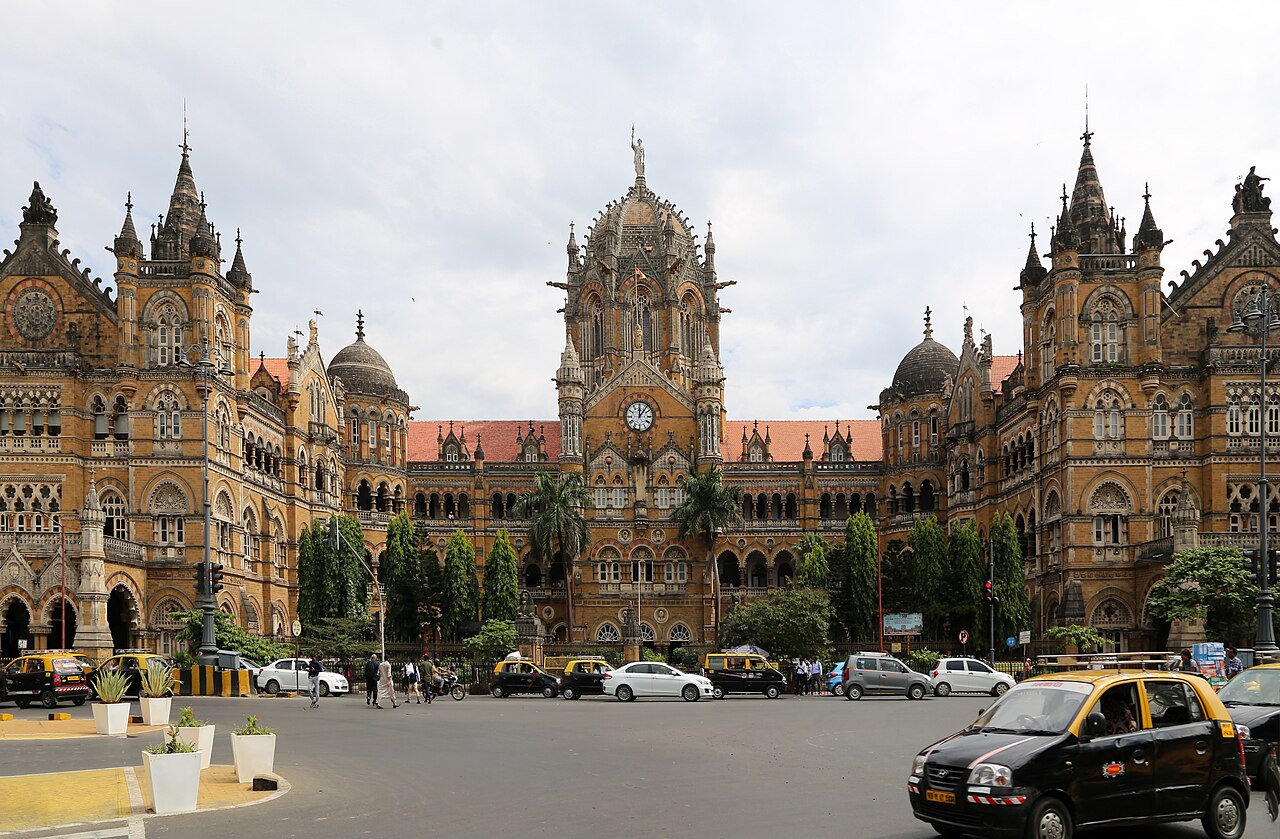
Chhatrapati Shivaji Maharaj Terminus
Monument · 10 km · about 35 min by road
 #1 in MumbaiFree entry
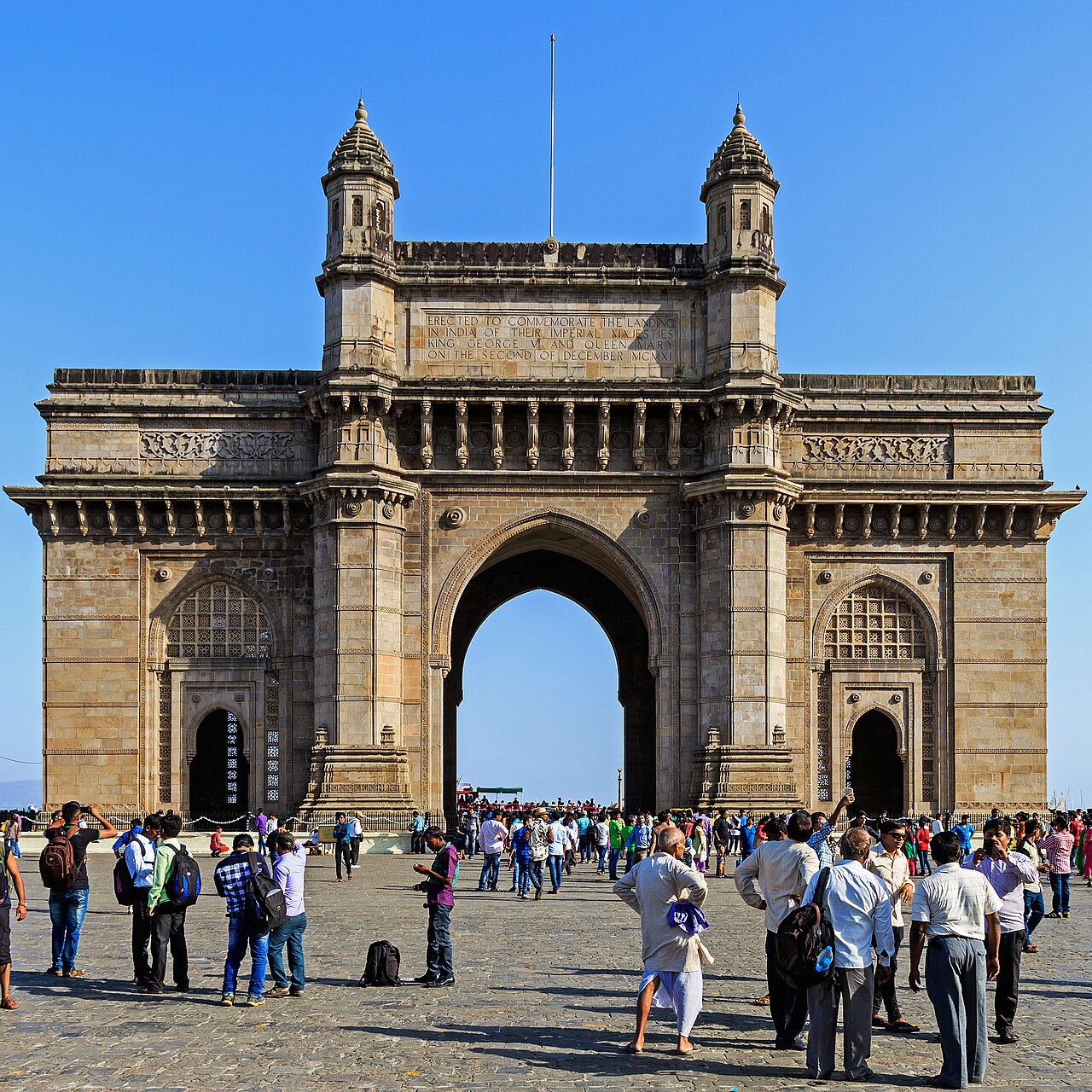
Gateway of India
Monument · 11 km · about 35 min by road
 #5 in Mumbai
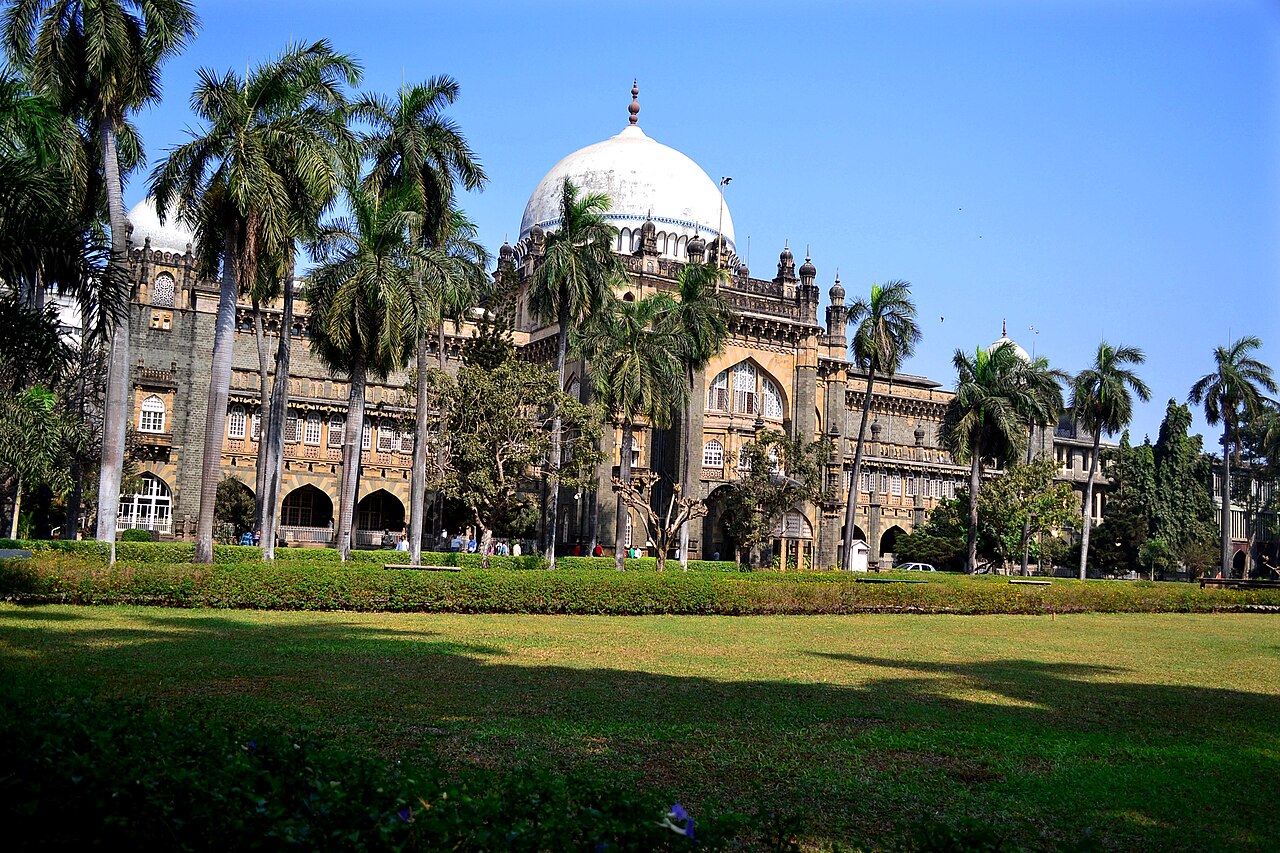
Chhatrapati Shivaji Maharaj Vastu Sangrahalaya
Museum · 11 km · about 35 min by road
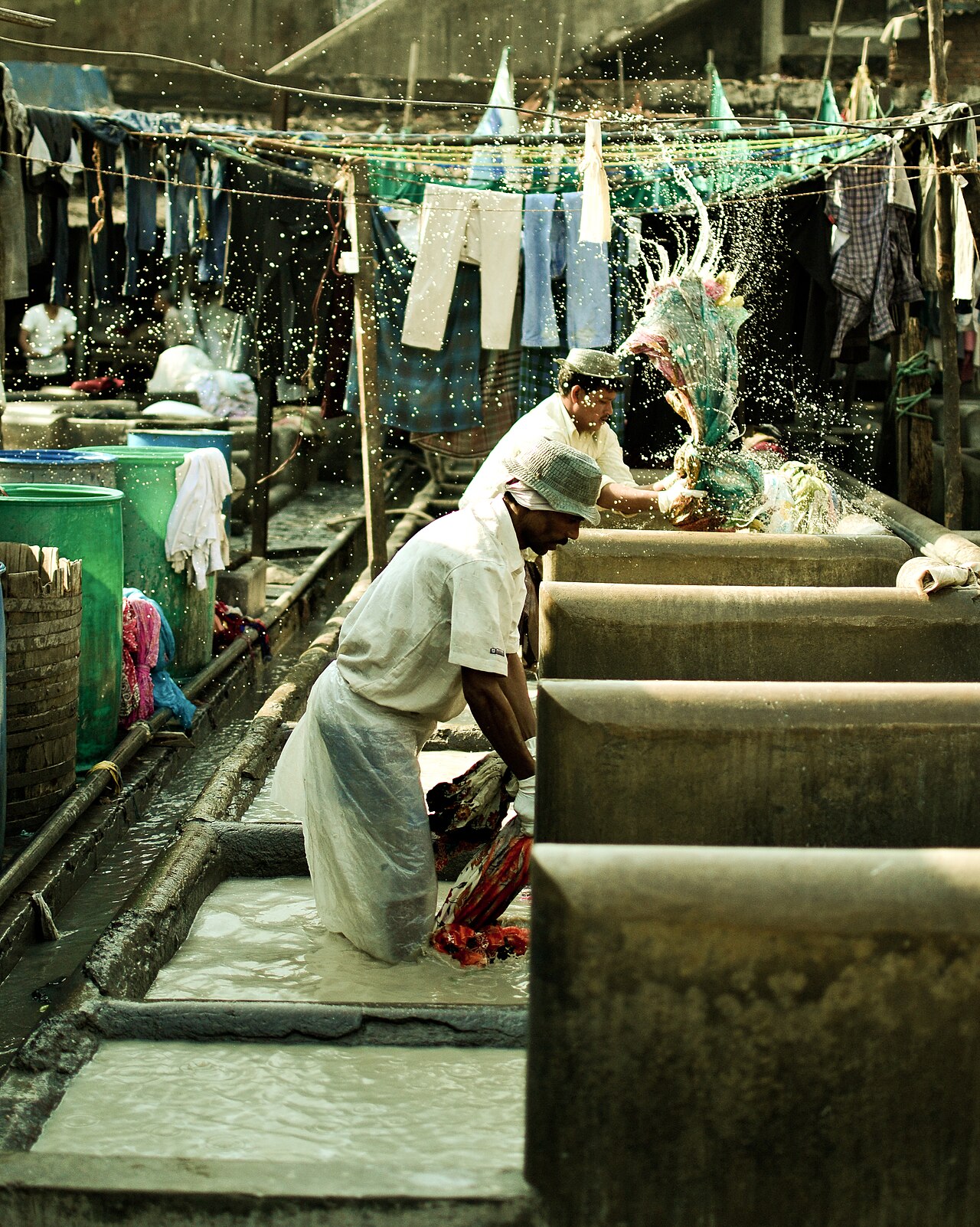 #9 in MumbaiFree entry
Mahalaxmi Dhobi Ghat
Heritage · 11 km · about 35 min by road