
Birla Mandir (Laxmi Narayan Temple)
#11of 12 places to visit in JaipurJaipur, Rajasthan
Also known as Laxmi Narayan Mandir · Moti Dungri Temple
Quick answer
Opening hours: 06:00–12:00 and 15:00–21:00. Entry is free. Allow 45 min. Best time: 18:30 – 20:00.
Updated · Compiled by Traveliac, AI-assisted · 4 min read
- Opening hours
- 06:00–21:00
- 06:00 – 12:00 and 15:00 – 21:00 daily (closed midday for temple rituals)
- Entry fee
- Free
- Time needed
- 45 min
- Best time of day
- 18:30 – 20:00
- Best months
- Oct – Mar
- Address
- Tilak Marg, Moti Dungri, Jaipur, Rajasthan 302005
About Birla Mandir (Laxmi Narayan Temple)
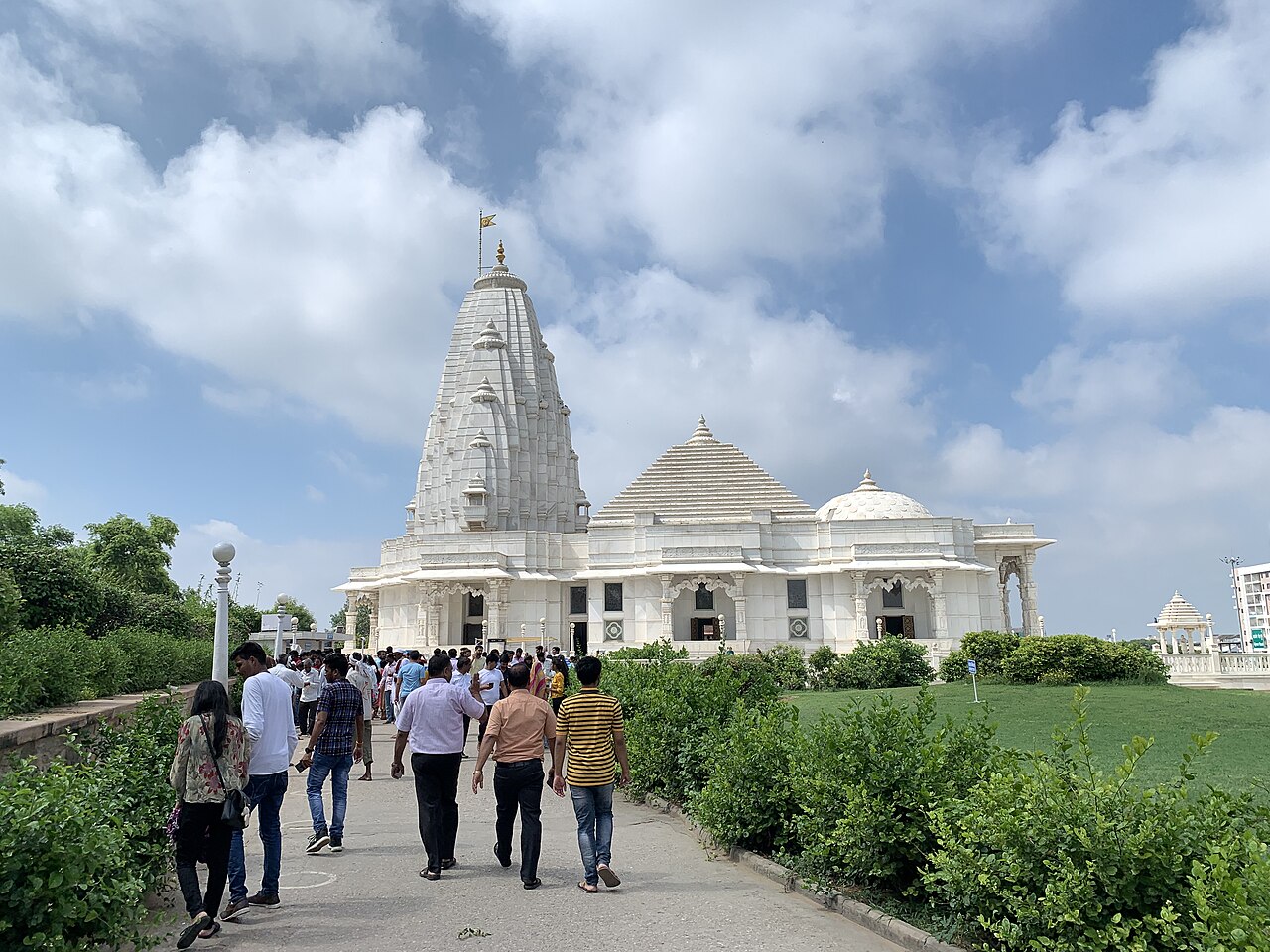
Birla Mandir sits at the base of Moti Dungri hill, its three domes and clean geometric facade built entirely in white Makrana marble — the same quarry source used for the Taj Mahal — giving the temple a bright, almost sculptural presence against Jaipur's more common ochre and pink sandstone streetscape. The design departs deliberately from historic Rajasthani temple form: clean modern lines, minimal surface carving relative to older Jaipur shrines, and large stained-glass windows set into the upper walls depicting a mix of Hindu deities and, unusually for a temple, historical and philosophical figures including Socrates, Confucius, and Zoroaster — a syncretic statement about universal wisdom traditions that the Birla family's temple-building programme repeated at their other temples across India. The main sanctum houses idols of Vishnu (as Narayan) and Lakshmi carved from single blocks of white marble, installed with the temple's 1988 consecration and maintained under continuous ritual worship since.
Best time of day: 18:30 – 20:00. When the white marble exterior is floodlit against the night sky, the temple's most visually distinctive presentation.
Birla Mandir (Laxmi Narayan Temple) timings
Birla Mandir (Laxmi Narayan Temple) is open 06:00–12:00 and 15:00–21:00. It keeps the same hours on Saturday and Sunday.
- Opening hours
- 06:00–21:00
Mon–Sun 06:00–12:00 and 15:00–21:00 - 06:00 – 12:00 and 15:00 – 21:00 daily (closed midday for temple rituals)
- Closed on
- Open every day
Opening hours compiled from rajasthantourism.gov.in and public records, last updated . They change without notice — confirm before you travel. How we write these guides
Birla Mandir (Laxmi Narayan Temple) ticket price
| Ticket | Price |
|---|---|
| Indian visitors | Free |
| Foreign visitors | Free |
| Children | Free |
| Camera | Free |
No entry ticket. Photography is prohibited inside the main sanctum housing the Laxmi Narayan idols; exterior and courtyard photography is unrestricted. No fee applies to any part of the visit.
Prices compiled from rajasthantourism.gov.in and public records, last updated . They change without notice — confirm before you travel. How we write these guides
Best time to visit Birla Mandir (Laxmi Narayan Temple)
- Quiet
- Moderate
- Busy
06:00 – 09:00
Morning Worship
Local devotees perform morning darshan; steady but manageable footfall.
Moderate09:00 – 12:00
Late MorningBest time to go
Quietest window before midday closure; comfortable for unhurried viewing of the stained-glass windows.
Quiet15:00 – 18:00
Afternoon Reopening
Temple reopens after midday closure; gradual build in visitor numbers through the afternoon.
Quiet18:00 – 21:00
Evening Illumination
Peak visiting window for the floodlit marble exterior; local families and tourists both concentrate here.
Busy
History of Birla Mandir (Laxmi Narayan Temple)
The temple was constructed and funded by the Birla family, one of India's most prominent industrial dynasties, as part of a series of Laxmi Narayan temples the family commissioned in multiple Indian cities through the 20th century, each built in a similarly modern marble style under the Birla Trust's direction rather than by royal or state patronage, distinguishing it from virtually every other major religious site in Jaipur.
Construction on the Jaipur site began in the 1980s on land at the base of Moti Dungri hill, itself topped by a private Scottish-style castle (Moti Dungri Palace) that remains a private royal residence closed to the public and visible only from a distance. The temple was completed and consecrated in 1988, making it, by a wide margin, the newest major religious monument on Jaipur's standard visitor circuit, built roughly two and a half centuries after the city's founding-era temples.
The stained-glass iconography combining religious and secular philosophical figures reflects a specific Birla family design philosophy — visible at their other Laxmi Narayan temples in Delhi and elsewhere — intended to position the temple as a space honouring universal wisdom rather than a narrowly sectarian shrine, a design choice that has drawn both appreciation and occasional theological debate among visiting scholars.
Rules & etiquette at Birla Mandir (Laxmi Narayan Temple)
Modest dress is required and enforced at the entrance; shorts and sleeveless tops are turned away or asked to cover with provided wraps where available. Footwear must be removed at the designated free shoe rack before entering the temple courtyard, not just the inner sanctum.
Photography inside the sanctum housing the Laxmi Narayan idols is strictly prohibited and monitored by temple volunteers; phones must be put away, not merely left uncaptured, since even the act of holding a phone visibly near the sanctum draws intervention. Exterior marble facade and stained-glass window photography from the courtyard is unrestricted.
The temple closes for a midday period (roughly 12:00–15:00) for ritual purposes — arriving during this window means waiting outside or returning later, since there is no partial access during closure.
Tips for visiting Birla Mandir (Laxmi Narayan Temple)
- 1
Visit after dark specifically for the floodlit exterior — the white marble under warm floodlighting is a genuinely different and more photogenic presentation than the daytime facade, and this is a free, unticketed, low-effort addition to any evening itinerary that includes nearby City Palace or Hawa Mahal.
- 2
Moti Dungri Palace above the temple, visible as a turreted structure on the hilltop, is not open to the public and remains a private royal residence — do not expect to combine temple access with a palace visit, a common point of visitor confusion given their physical proximity.
- 3
The temple sits a short distance from MI Road, Jaipur's central commercial artery, making it an easy stop to combine with shopping or dining in the same part of the city rather than requiring a dedicated excursion.
How to reach Birla Mandir (Laxmi Narayan Temple)
The red star is Birla Mandir (Laxmi Narayan Temple); the numbered pins are the 10 nearest places in our guides, each showing its rank in its city. Tap a pin for details.
Tilak Marg, Moti Dungri, Jaipur, Rajasthan 302005Directions in Google Maps
From Jaipur International Airport (JAI)
₹220–₹3209 km · 20–30 min
OLA/Uber).
From Jaipur Junction Railway Station (JP)
₹90–₹1405 km · 15–20 min
Auto).
From Sindhi Camp ISBT
₹90–₹1305 km · 15–20 min
Auto).
Nearest airport
From Jaipur International Airport (JAI)
9 km, 20–30 minutes.
Nearest railway station
From Jaipur Junction (JP)
5 km, 15–20 minutes.
Birla Mandir (Laxmi Narayan Temple) FAQs
Is photography allowed inside Birla Mandir?
Photography is strictly prohibited inside the sanctum housing the Laxmi Narayan idols and actively monitored by temple volunteers. Exterior facade and courtyard photography, including of the stained-glass windows, is unrestricted.
Why does Birla Mandir look so different from Jaipur's older temples?
It was built in 1988 by the Birla family in white Makrana marble using a deliberately modern architectural style, roughly two and a half centuries after Jaipur's founding-era temples, and follows a design template the family repeated at other Laxmi Narayan temples across India.
Can you visit Moti Dungri Palace above the temple?
No. It is a private royal residence closed to the public, visible only from a distance as a turreted structure on the hilltop above the temple.
What are the temple's opening hours, and why does it close midday?
06:00–12:00 and 15:00–21:00 daily. The midday closure is for ritual purposes; there is no partial access during that window, so plan a morning or evening visit rather than arriving between 12:00 and 15:00.
Compiled with AI assistance from official sources and public records, and published only after the checks in How we write these guides. Nobody from Traveliac has visited this place. Last updated . How we rank and check places
Places to visit near Birla Mandir (Laxmi Narayan Temple)
Straight-line distances from our map; times are estimates.
 #6 in Jaipur
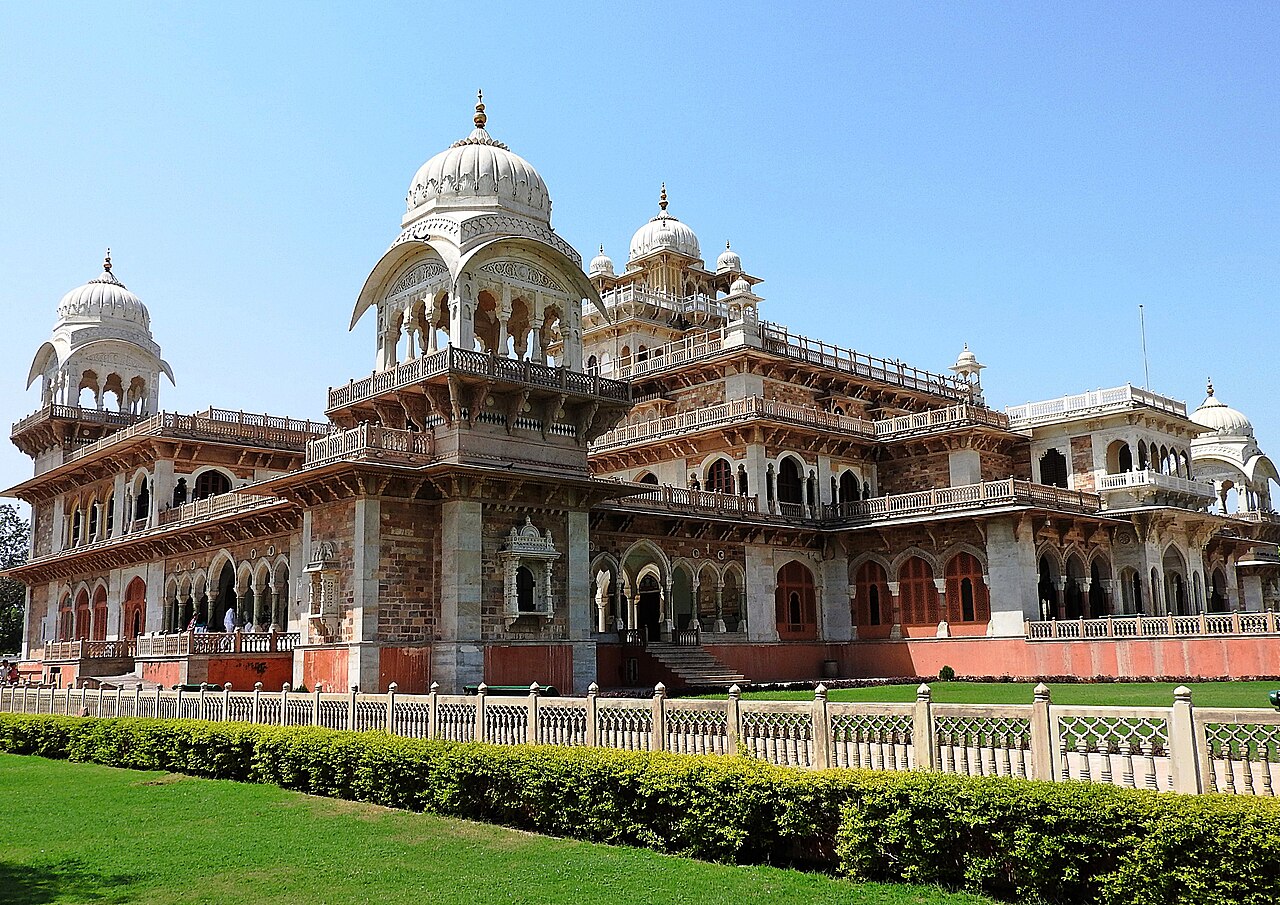
Albert Hall Museum
Museum · 2.2 km · about 35 min walk
 #3 in Jaipur
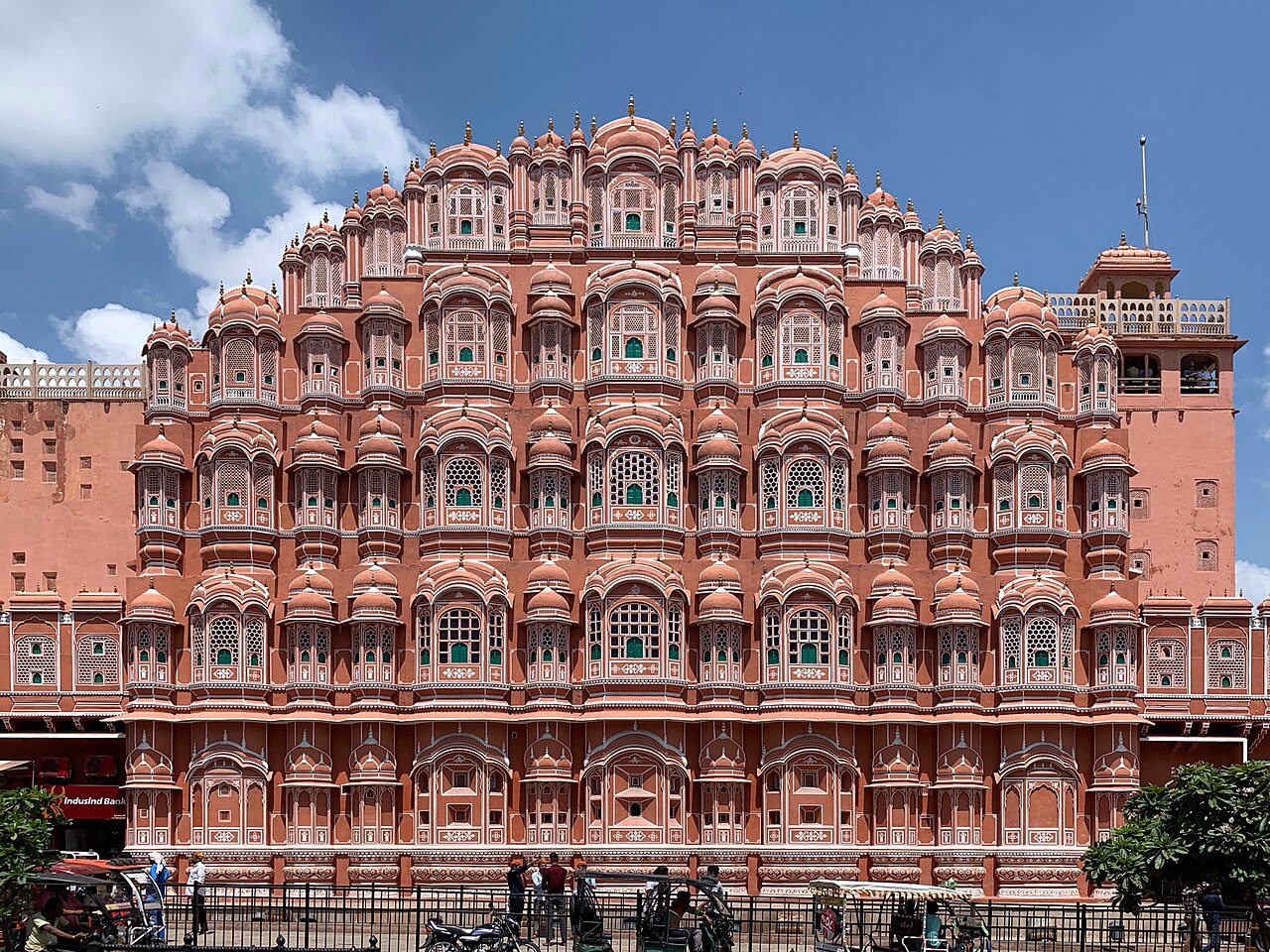
Hawa Mahal
Palace · 4 km · about 10 min by road
 #4 in Jaipur
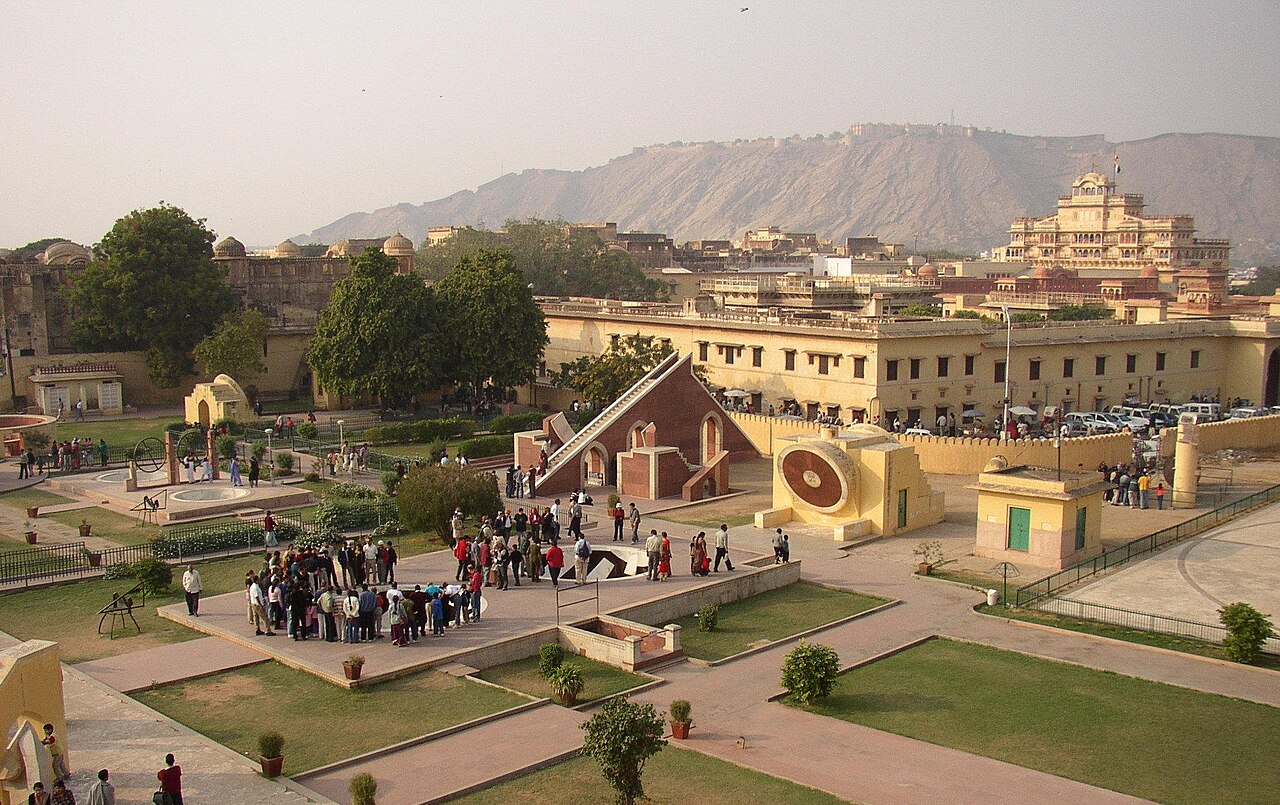
Jantar Mantar
Heritage · 4 km · about 10 min by road
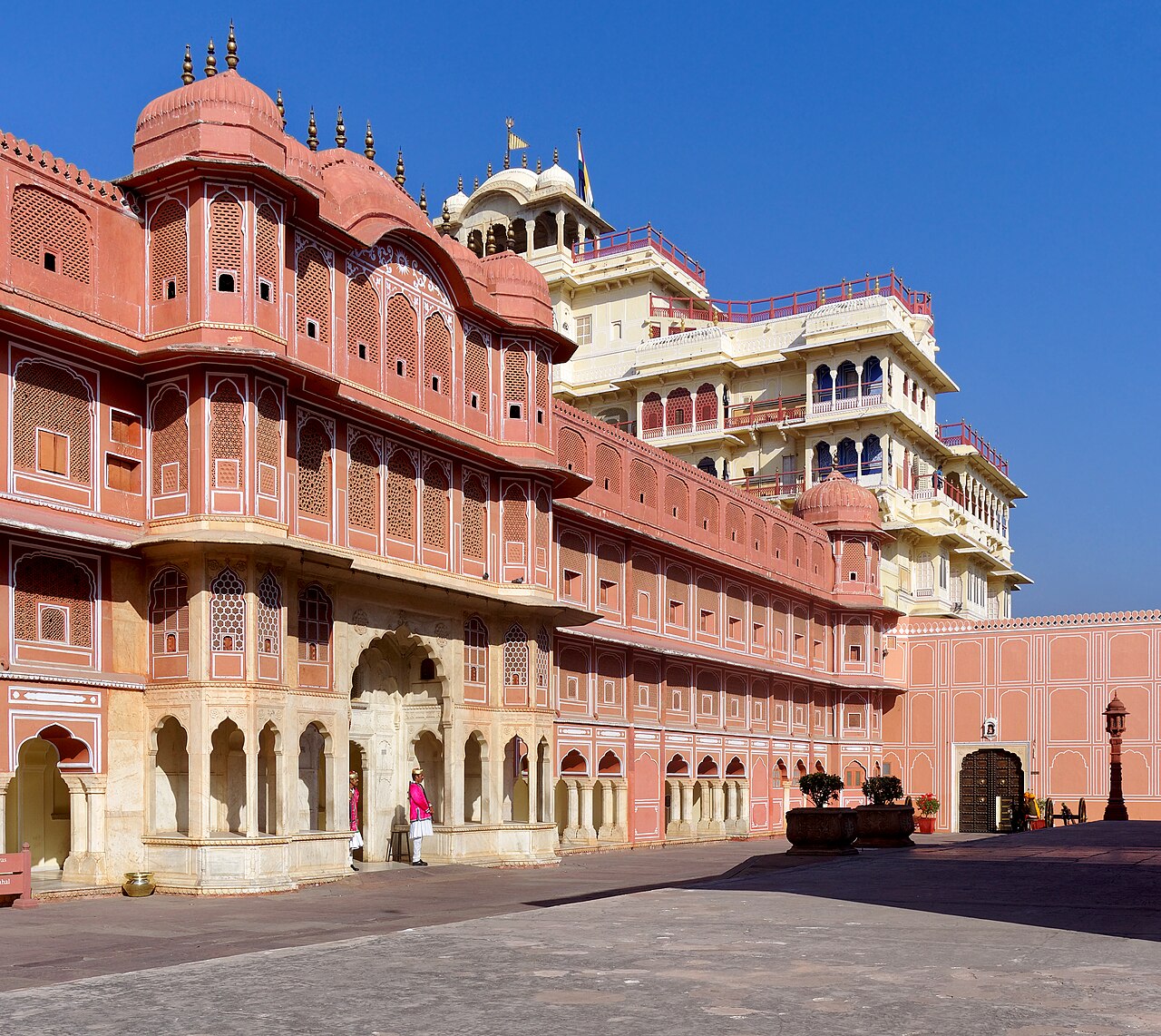 #2 in Jaipur
City Palace Jaipur
Palace · 4 km · about 10 min by road