Uttar Pradesh travel guide
Top 10 Places to Visit in Varanasi
Also known as Kashi · Banaras · Benares
Varanasi holds a strong claim to being the oldest continuously inhabited city on earth, with settlement along its Ganga riverfront documented back roughly 3,000 years.
Updated ·Compiled by Traveliac, AI-assisted ·How we rank
- Best time
- Oct – Mar
- Time needed
- About 2 days
- 12 hours of sightseeing
- Fly into
- Lal Bahadur Shastri International Airport (VNS)
- Nearest station
- Varanasi Junction (BSB)
- Free to enter
- 7 of 10
Top things to do in Varanasi
Ranked on five published criteria- 1Free entry
Temple
Kashi Vishwanath Temple
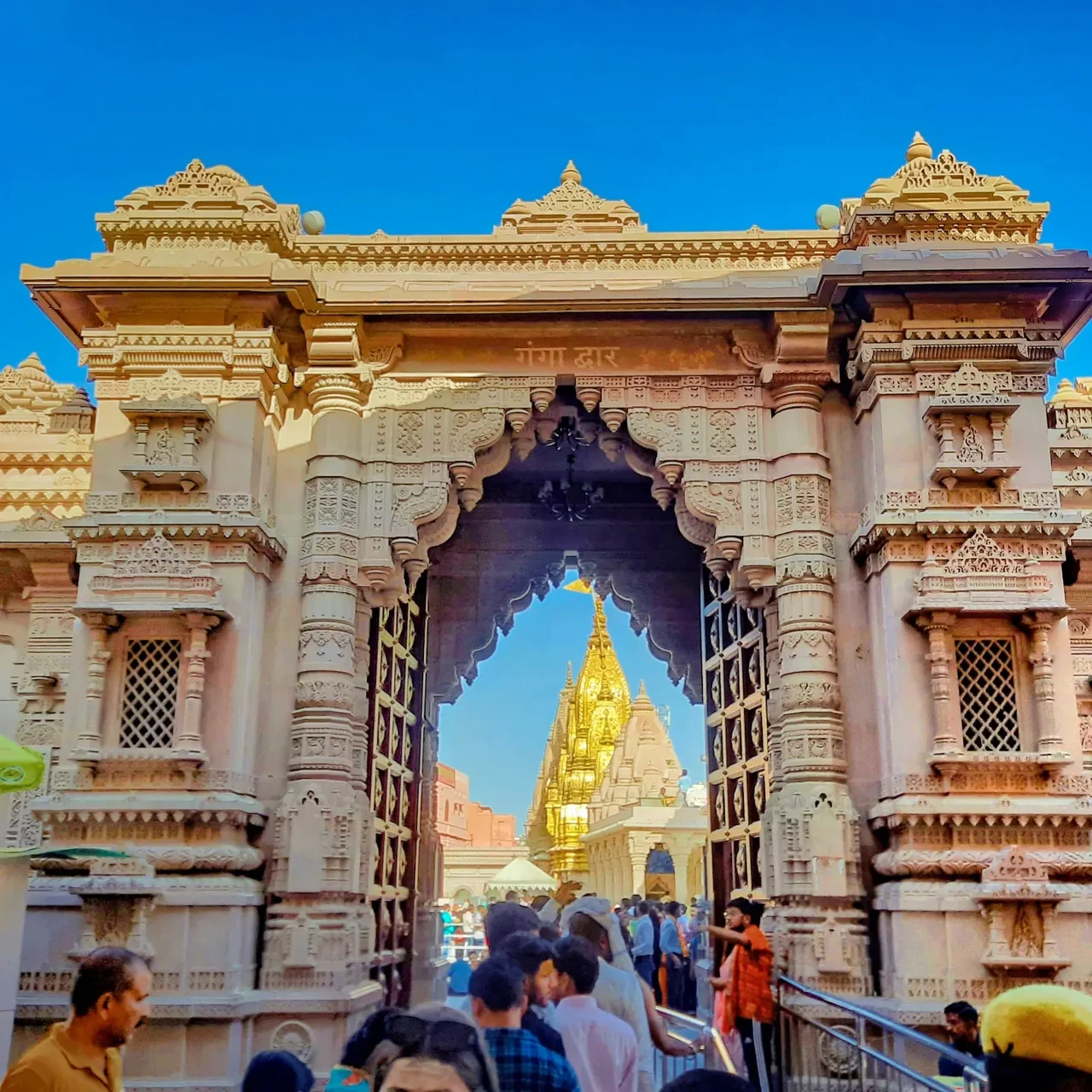
Kashi Vishwanath Temple enshrines one of the twelve Jyotirlingas of Shiva and charges no fee for general darshan as of 2026.
1 hr
 2Free entry
Temple
Dashashwamedh Ghat
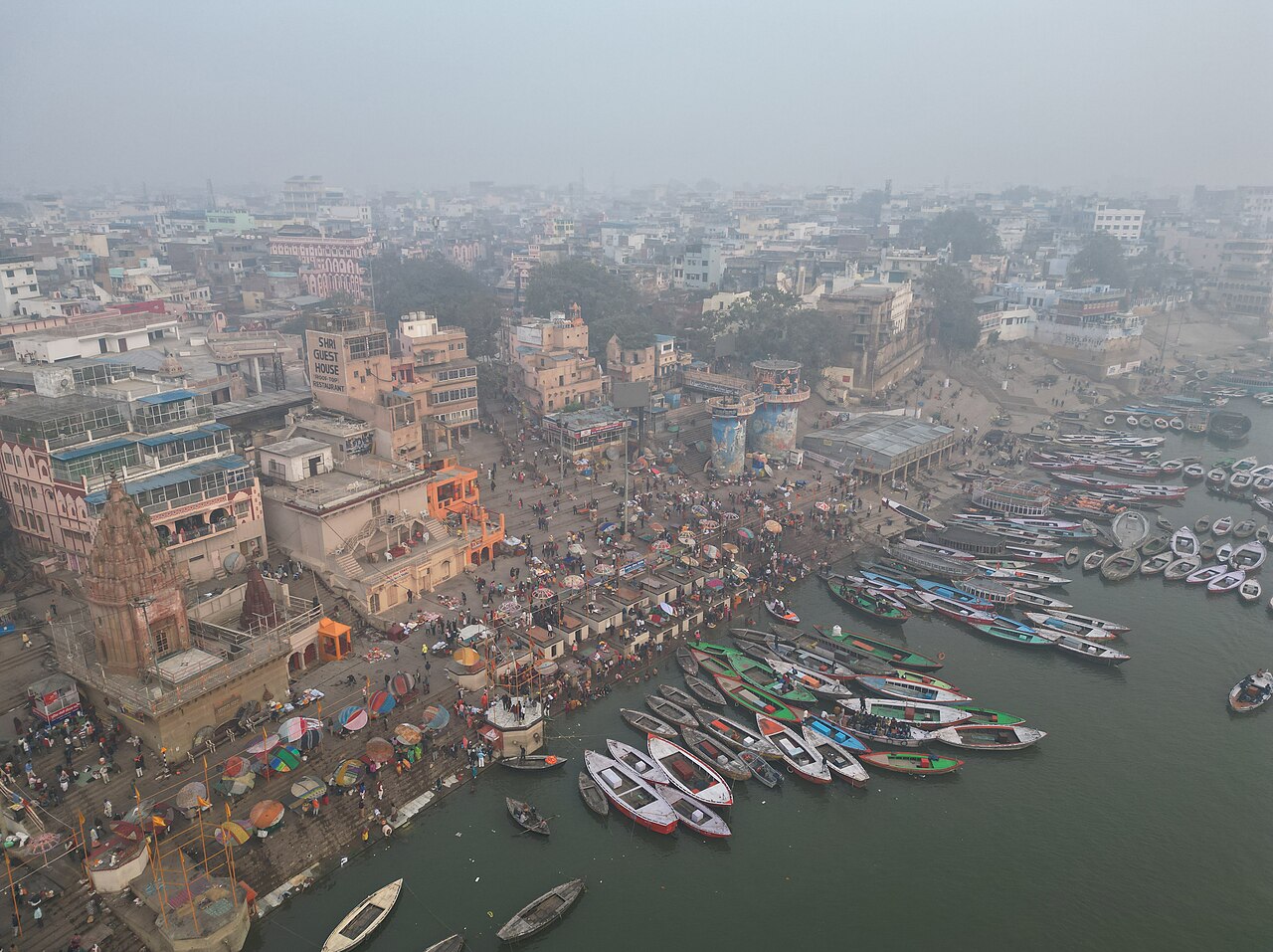
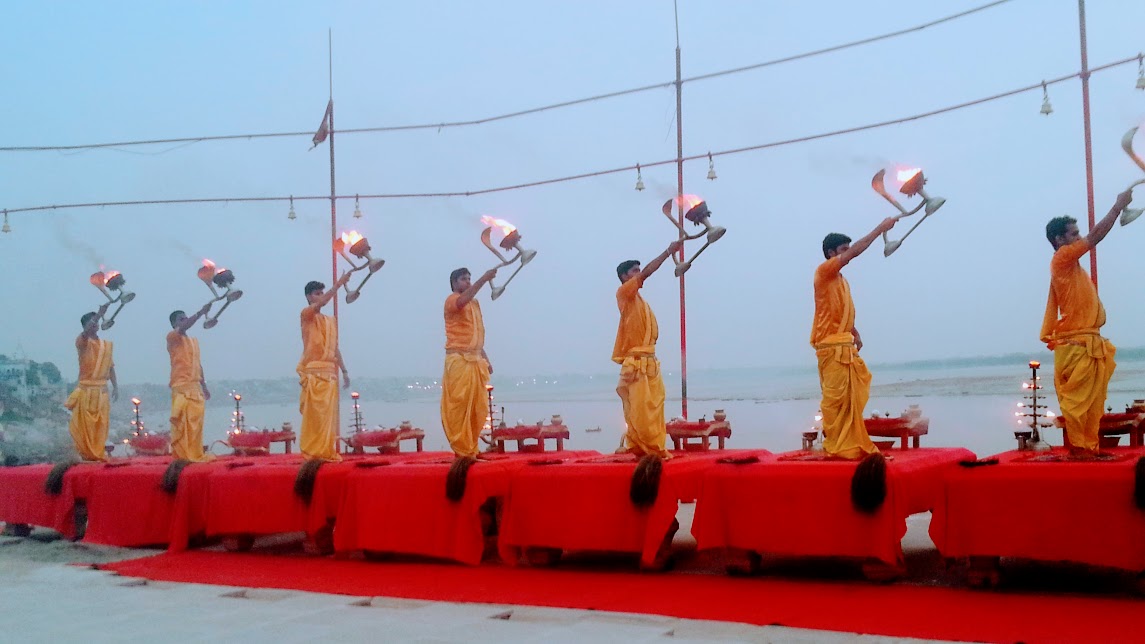
Dashashwamedh Ghat hosts the nightly Ganga Aarti performed by seven priests on raised wooden platforms, drawing crowds of several thousand every…
1.5 hrs
 3Free entry
Temple
Manikarnika Ghat
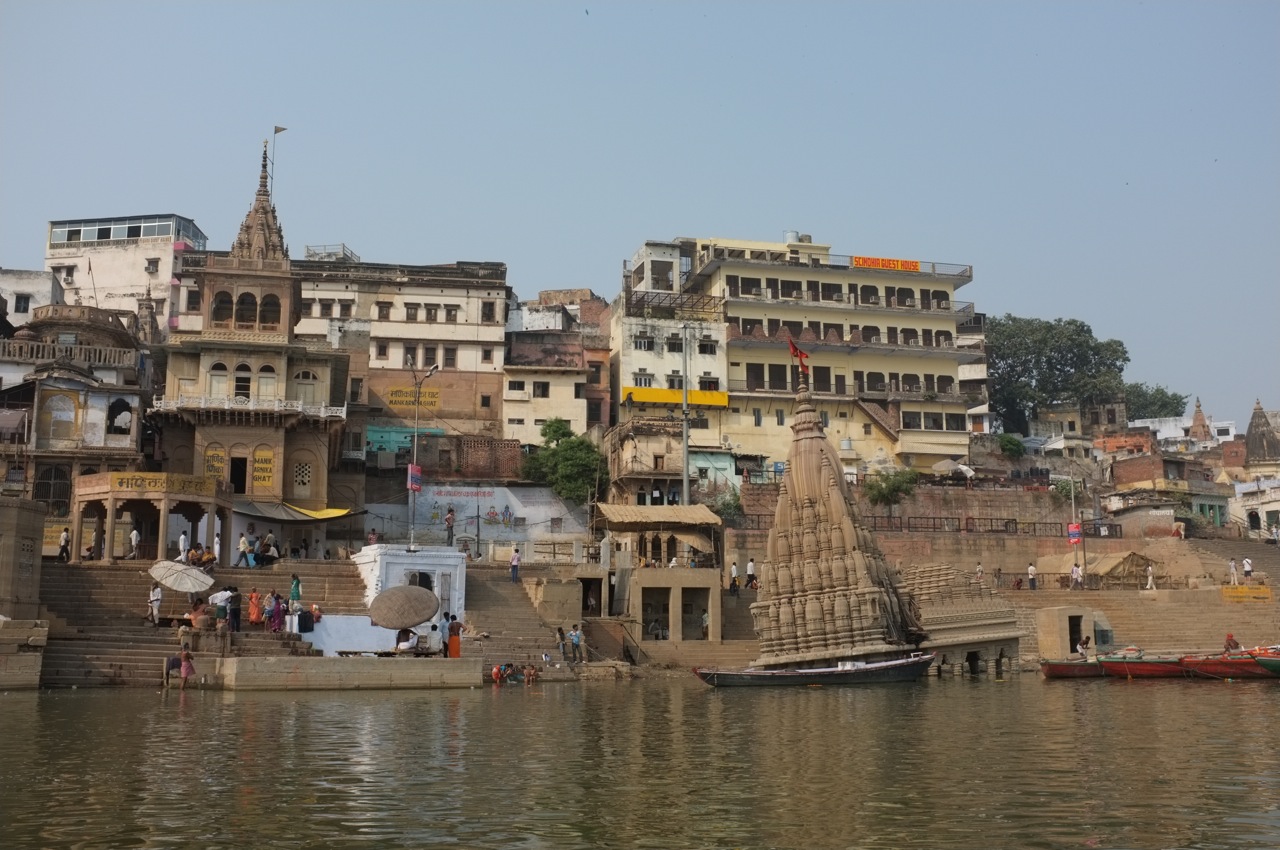
Manikarnika Ghat cremates between 80 and 300 bodies daily as of 2026, making it the busiest of Varanasi's two functioning cremation ghats and, by…
30 min
 4Free entry
Temple
Durga Temple
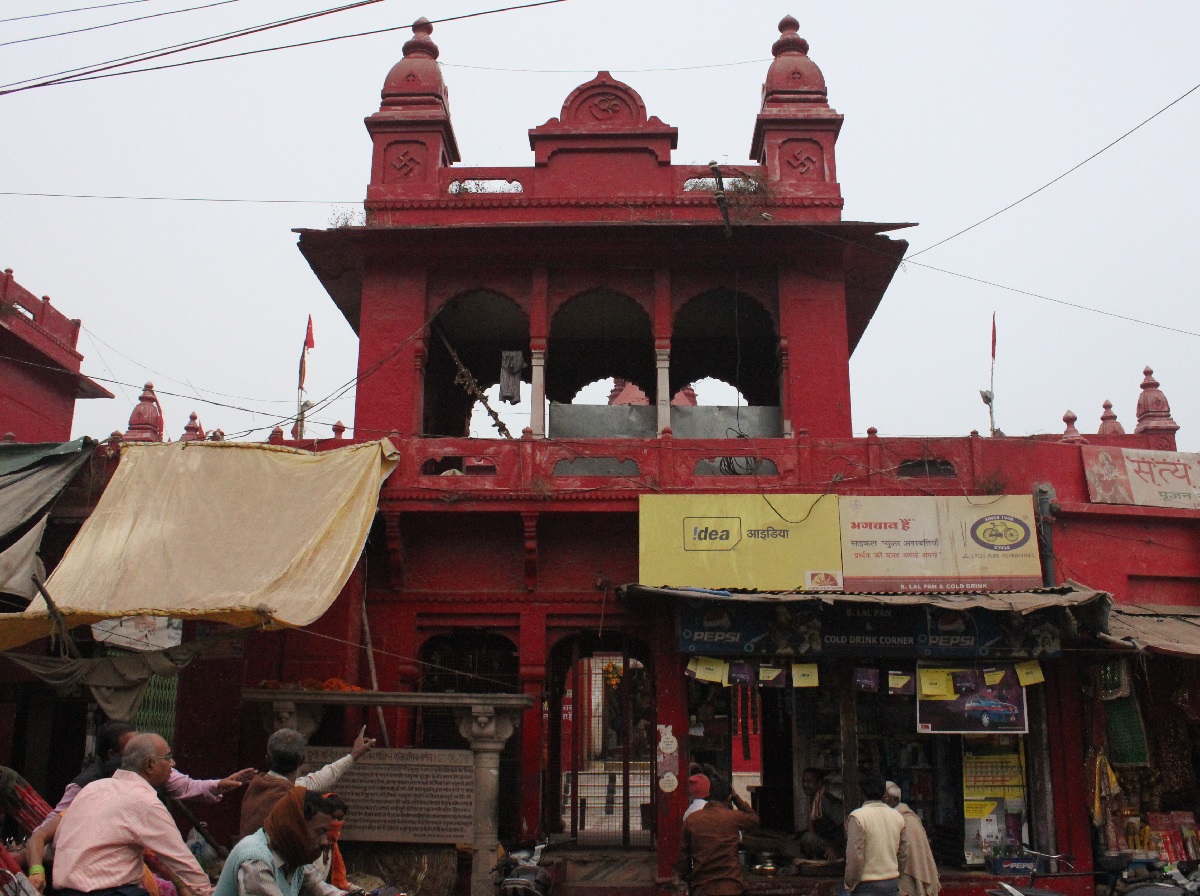
Durga Temple takes its popular nickname, the Monkey Temple, from the large resident population of rhesus macaques that occupies its courtyard and…
30 min
 5Free entry
Temple
Sankat Mochan Hanuman Temple
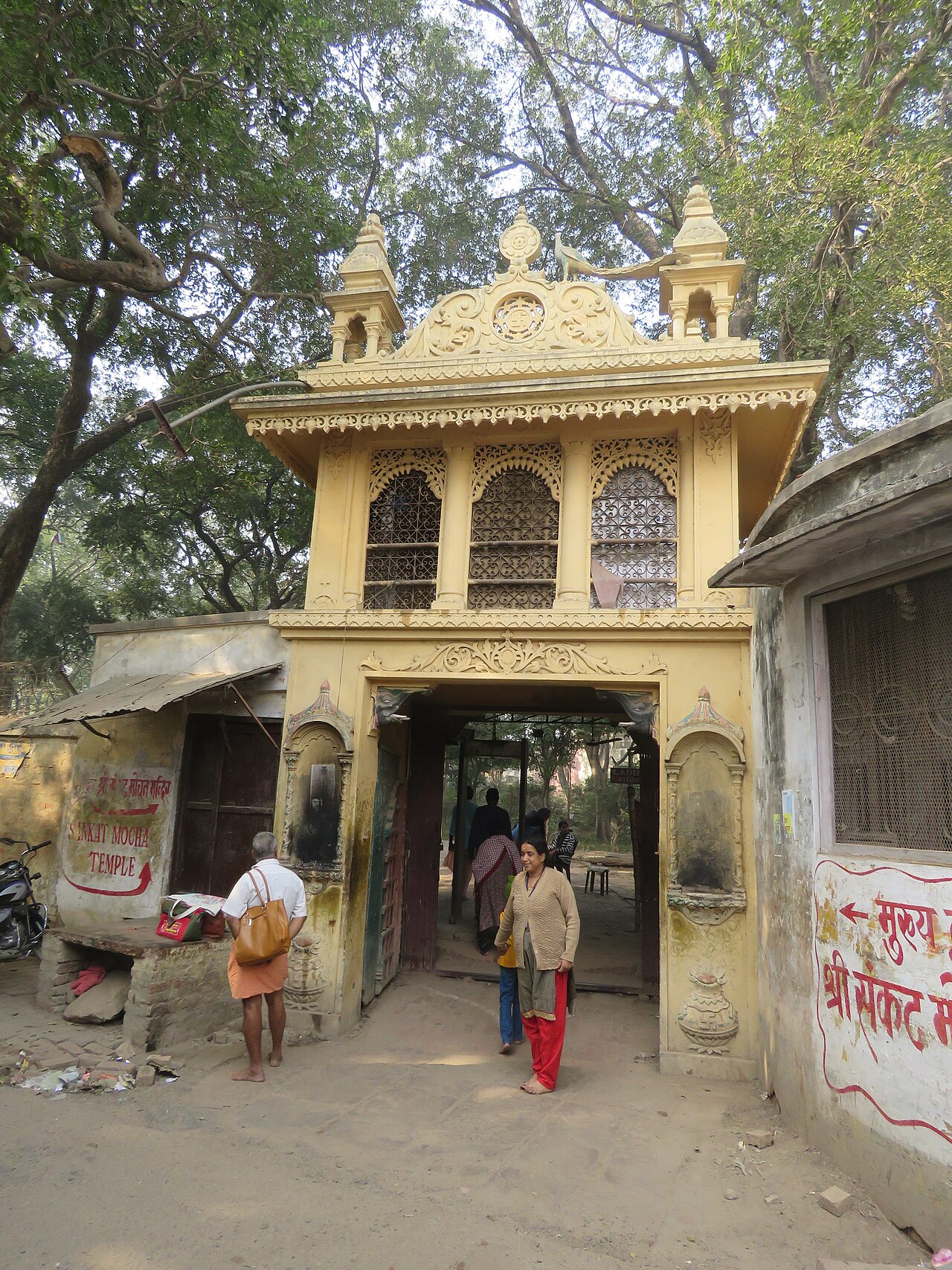
Sankat Mochan Hanuman Temple traces its founding to the 16th-century poet-saint Goswami Tulsidas, who tradition holds experienced a vision of Hanuman…
45 min
 6Free entry
Temple
Tulsi Manas Temple
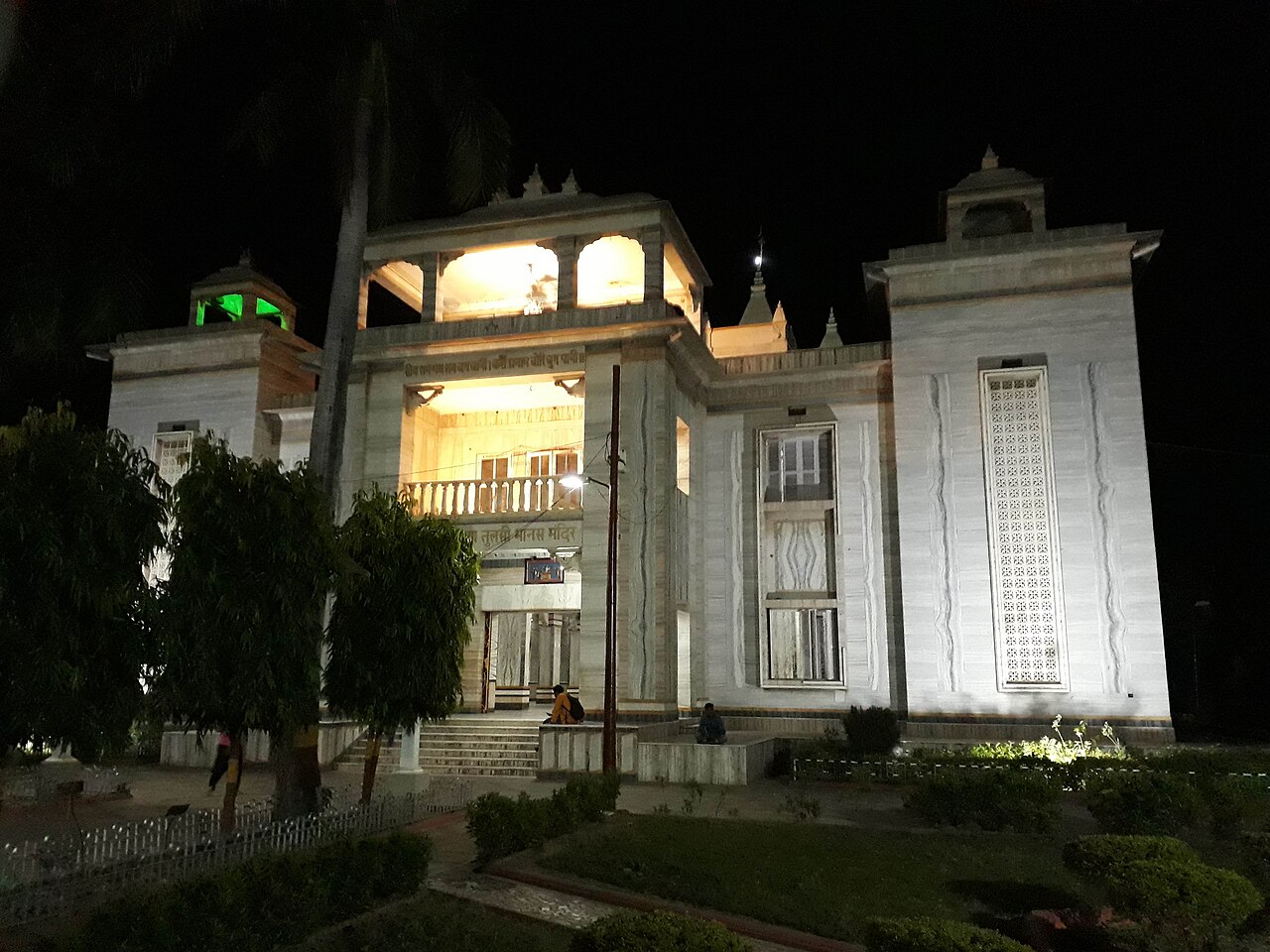
Tulsi Manas Temple was built in 1964 in white marble by Seth Ratan Lal Sureka, a Kolkata-based patron, on the site where the poet-saint Goswami…
45 min
 7Free entry
Temple
Assi Ghat
Assi Ghat marks the southern boundary of Varanasi's roughly 6.8-kilometre riverfront, sitting at the confluence of the seasonal Assi stream and the…
1.5 hrs
 8
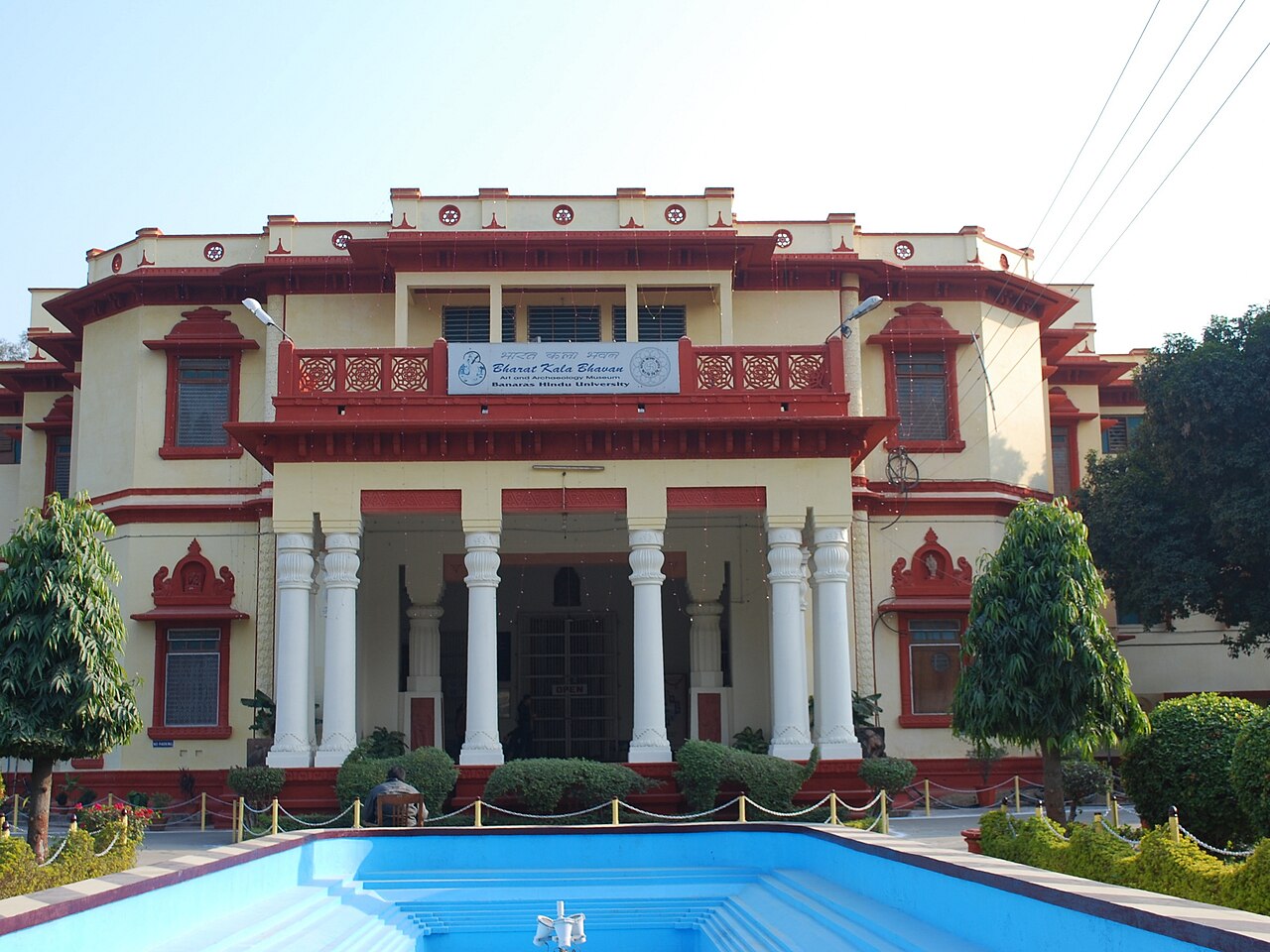
8Museum
Bharat Kala Bhavan
Bharat Kala Bhavan holds roughly 100,000 artefacts spanning Indian art, archaeology, and manuscripts, making it the largest university-affiliated…
1.5 hrs₹20 Indian
 9
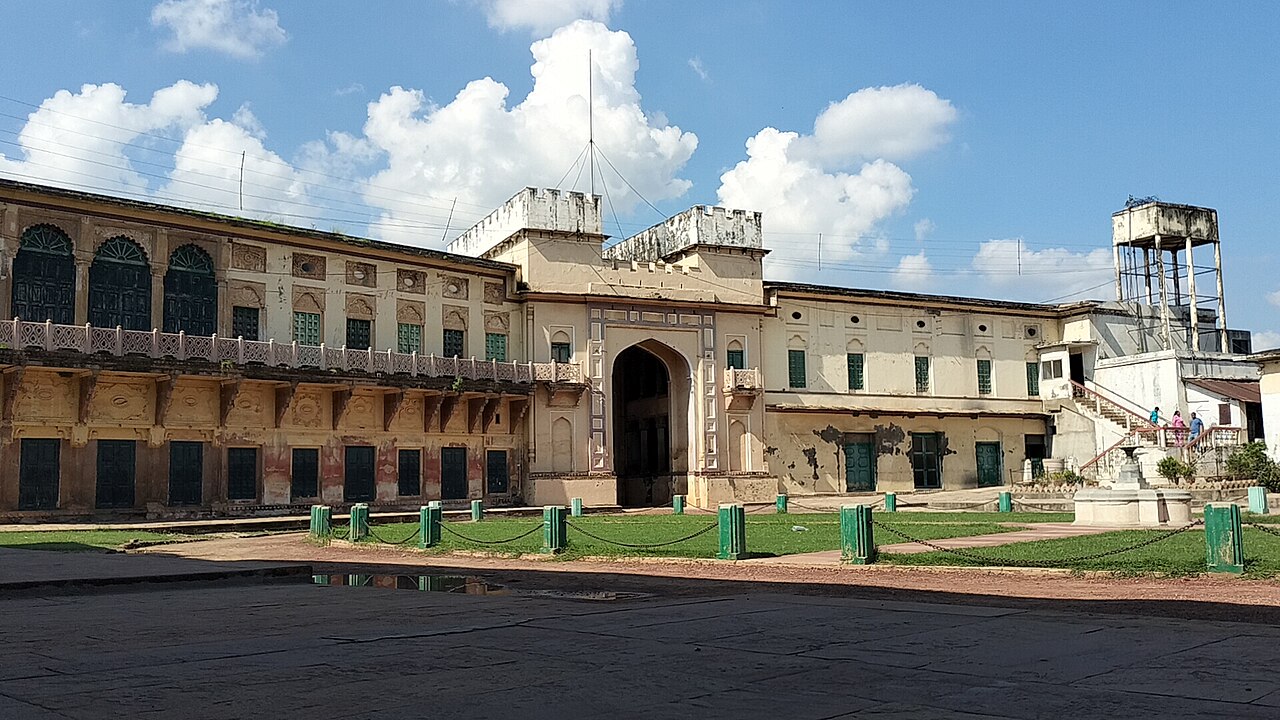
9Fort
Ramnagar Fort
Ramnagar Fort stands on the eastern bank of the Ganga directly across from Varanasi's ghats, built from chunar sandstone by Raja Balwant Singh in the…
1.5 hrs₹20 Indian
 10
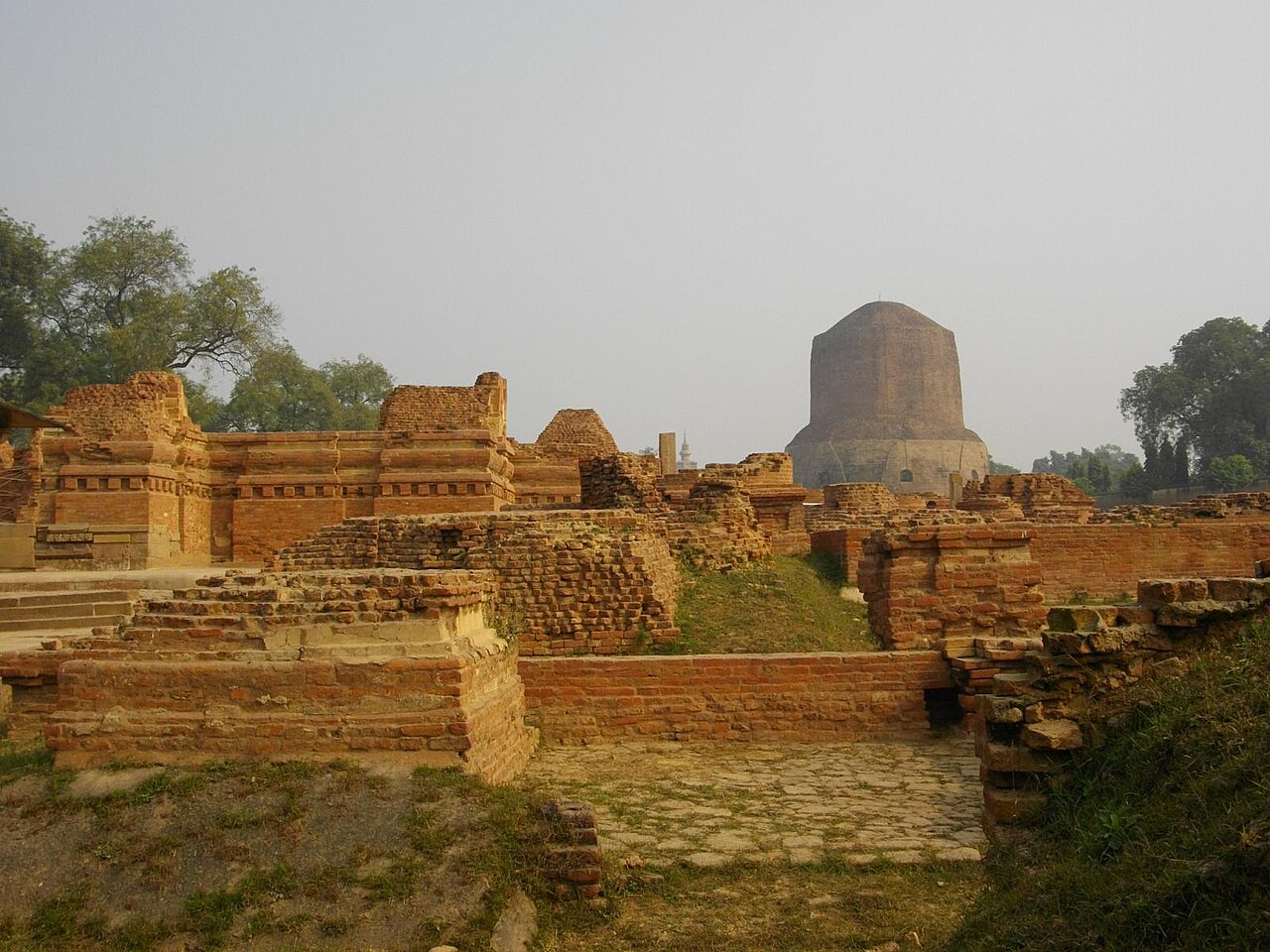
10Museum
Sarnath
Sarnath marks the site where the Buddha delivered his first sermon around 528 BCE, setting in motion what Buddhist tradition calls the Dharmachakra…
2.5 hrs₹25 Indian
Map of places to visit in Varanasi
Numbers match the ranking; the top 3 are orange. Tap a pin for its guide.
Day trips from Varanasi
Worth a day out if you have one to spare, nearest first.
40 km · 1h
Chunar Fort
Riverside sandstone fort on the Ganga with a Mughal-era history stretching from Sher Shah Suri to the British, still holding Mir Bahadur Ali's tomb and a working ASI-protected structure rarely crowded with tourists.
60 km · 1h 30m
Jaunpur
Sharqi-dynasty capital known for the 15th-century Atala and Jama Masjids, distinctive for a bold pylon-fronted architectural style found nowhere else in North India, plus a Mughal-era fortified bridge over the Gomti.
65 km · 1h 30m
Vindhyachal (Vindhyavasini Temple)
One of the Shakti Peeth temples central to Devi worship in the region, forming part of the Vindhyachal Tridev pilgrimage circuit with two neighbouring temples, Ashtabhuja and Kali Khoh.
125 km · 2h 30m
Prayagraj (Sangam)
Confluence of the Ganga, Yamuna, and the mythical Saraswati, site of the Kumbh Mela and home to Allahabad Fort and Anand Bhawan — reachable as a long day trip via NH19 for travellers with an early start.
About Varanasi
The city's layout follows the river rather than a planned grid: a crescent of some 84 stone ghats curves along the western bank for about 6.8 kilometres, from Assi Ghat in the south to Adi Keshav Ghat in the north, while the old city behind them is a dense knot of lanes too narrow for cars, navigable mainly on foot, by cycle-rickshaw, or by the two-wheelers that squeeze through regardless. Kashi Vishwanath Temple, one of Hinduism's twelve Jyotirlingas, sits at the heart of this old quarter, now connected to the river by the redeveloped Kashi Vishwanath Corridor completed in 2021.
Transport hubs sit at the city's edges rather than its centre: Lal Bahadur Shastri International Airport at Babatpur lies roughly 25 kilometres northwest, while Varanasi Junction (also called Varanasi Cantt) and the newer Banaras station handle the bulk of rail arrivals a few kilometres from the ghats. Sarnath, the Buddhist site where the Buddha delivered his first sermon, sits about 10 kilometres north and is close enough to visit within a single morning. Banaras Hindu University anchors the city's southern end, giving the Assi Ghat area a distinctly academic, longer-stay character compared to the pilgrim-dense lanes around Dashashwamedh Ghat and Kashi Vishwanath Temple further north.
October through March brings the most comfortable temperatures for walking the ghats and old-city lanes, avoiding both the pre-monsoon heat that pushes past 40°C in May and June and the monsoon flooding (July–September) that can submerge lower ghat steps entirely. Early winter mornings bring dense river fog that softens sunrise boat rides into something closer to abstraction than clear photography, a trade-off photographers should plan around rather than fight.
Varanasi travel FAQs
How many days do you need in Varanasi?
Plan about 2 days for Varanasi. Its top attractions take roughly 12 hours of sightseeing in total, so 2 days covers the highlights without rushing — you can move faster if you are short on time.
What is the best time to visit Varanasi?
The best time to visit Varanasi is Oct – Mar.
Is Varanasi cheap or expensive to visit?
Entry to Varanasi's top attractions ranges from ₹20 to ₹25 for Indian nationals (foreign visitors pay more — about ₹150 to ₹300), and 7 of the top 10 are free to enter. Prices are the latest checked on each place's page; always confirm current rates on the official website.
What is Varanasi famous for?
Varanasi is best known for its top sights, including Kashi Vishwanath Temple, Dashashwamedh Ghat and Manikarnika Ghat. The full ranked list of things to do is on this page.
How much time should you spend at Kashi Vishwanath Temple?
Allow about 1 hr for Kashi Vishwanath Temple.
Spotted something wrong, or a place we missed?
Tell us and an editor will check it against official sources and fix the page.