
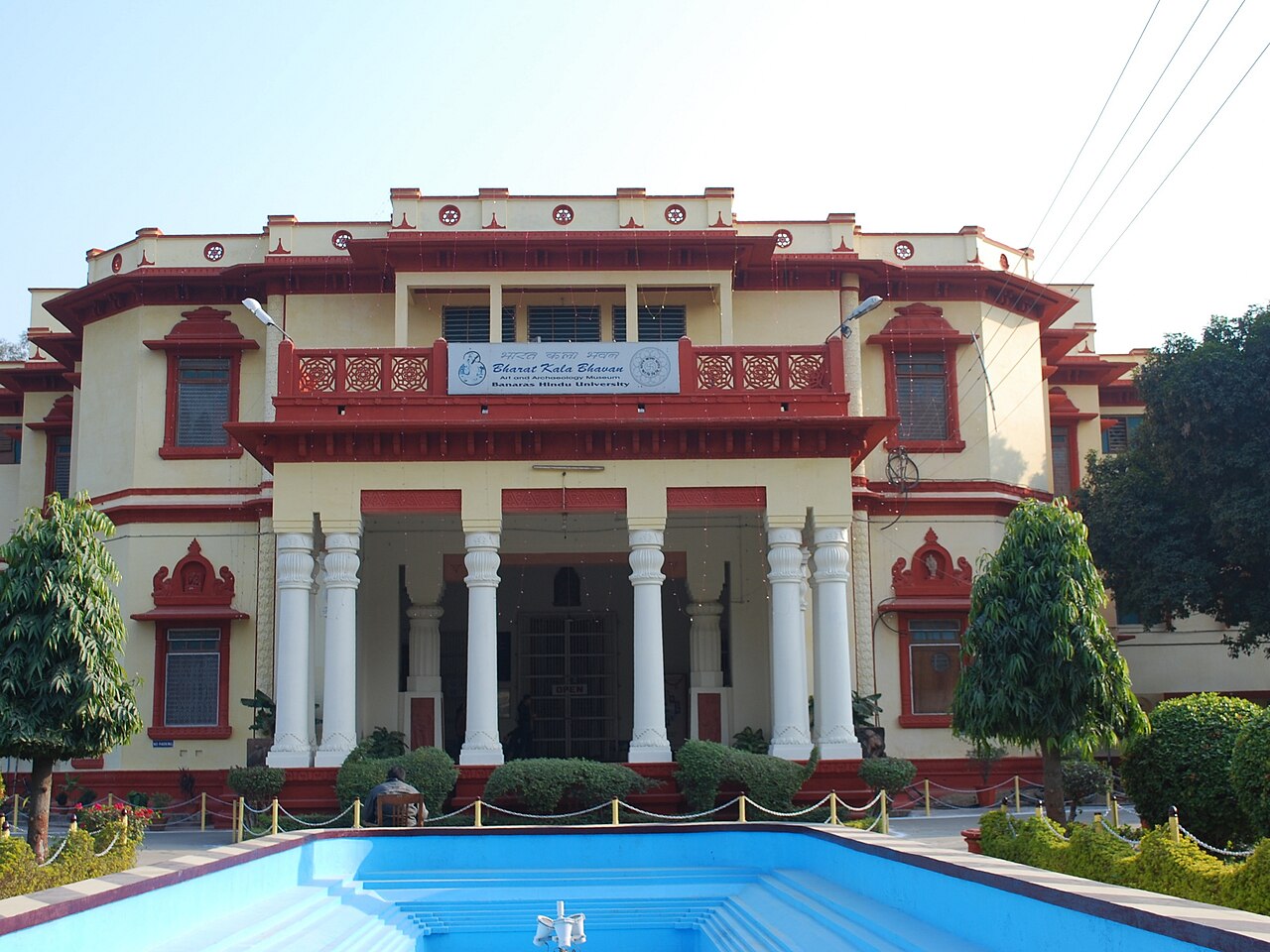
Bharat Kala Bhavan
#8of 10 places to visit in VaranasiVaranasi, Uttar Pradesh
Also known as Bharat Kala Bhawan Museum · BHU Museum
Quick answer
Opening hours: 10:30–16:30, closed Sundays. Entry: ₹20 Indian · ₹250 foreign. Allow 1.5 hrs. Best time: 10:30 – 12:00.
Updated · Compiled by Traveliac, AI-assisted · 5 min read
- Opening hours
- 10:30–16:30
- Closed Sundays
- Entry fee
- ₹20 Indian
- Ticket from
- Time needed
- 1.5 hrs
- Best time of day
- 10:30 – 12:00
- Best months
- Oct – Mar
- Address
- Banaras Hindu University Campus, Varanasi, Uttar Pradesh 221005
About Bharat Kala Bhavan
Bharat Kala Bhavan holds roughly 100,000 artefacts spanning Indian art, archaeology, and manuscripts, making it the largest university-affiliated museum collection in India as of 2026. Rai Krishnadasa, a Varanasi-based collector and scholar, founded the institution on 1 January 1920 as the Bharatiya Kala Parishad, with Pandit Madan Mohan Malaviya, the founder of Banaras Hindu University, backing its establishment and eventual absorption into the university in 1950. Entry costs ₹20 for Indian visitors and ₹250 for foreign visitors as of 2026, with BHU students and staff admitted free. The collection's range is unusually broad for a single institution: Gupta and medieval stone sculpture, Mughal and Pahari miniature paintings, Banarasi brocade textiles, jewellery, coins, and manuscripts sit alongside two dedicated foreign-collection galleries — the Nicholas Roerich Gallery of Himalayan landscape paintings and the Alice Boner Gallery of the Swiss artist's own work and her collection of Indian sculpture. Rai Krishnadasa's personal miniature painting collection, considered one of India's finest, forms the museum's art-historical core.
Best time of day: 10:30 – 12:00. Immediately after opening, before student groups and campus tour parties arrive later in the morning.
Bharat Kala Bhavan timings
Bharat Kala Bhavan opens at 10:30 and closes at 16:30. It is open on Saturday (10:30–16:30) but closed on Sunday.
- Opening hours
- 10:30–16:30
Mon–Sat 10:30–16:30 Sunday Closed - Closed on
- Sunday, National holidays, University-declared closures during examinations
Opening hours compiled from bhu.ac.in and public records, last updated . They change without notice — confirm before you travel. How we write these guides
Bharat Kala Bhavan ticket price
| Ticket | Price |
|---|---|
| Indian visitors | ₹20 |
| Foreign visitors | ₹250 |
| Children | Free |
| Camera | Free |
BHU students and staff enter free on production of a valid ID as of 2026. Photography is not permitted inside the galleries; cameras and large bags must be deposited at the entrance counter — as of 2026, verify at the counter, since fees at university-run museums are revised less predictably than ASI sites.
Prices compiled from bhu.ac.in and public records, last updated . They change without notice — confirm before you travel. How we write these guides
Best time to visit Bharat Kala Bhavan
- Quiet
- Moderate
10:30 – 12:00
Opening HoursBest time to go
Galleries are quietest immediately after opening; ideal for unhurried viewing of the miniature painting and Roerich collections.
Quiet12:00 – 14:00
Student Visits
University students and research groups visit between classes; some galleries see brief clusters of visitors.
Moderate14:00 – 15:30
Afternoon Lull
Visitor numbers drop through the afternoon; a good window for photography of the building's exterior, since interior photography is not permitted.
Quiet15:30 – 16:30
Pre-Closing
Final hour before closing; staff begin winding down some gallery sections, so arriving after 16:00 risks limited access to upper floors.
Quiet
History of Bharat Kala Bhavan
Rai Krishnadasa began collecting Indian miniature paintings, textiles, and sculpture as a young Varanasi-based scholar in the early 20th century, when much of this material was being exported abroad or dispersed through private sale with little institutional interest in India. His decision to found the Bharatiya Kala Parishad on 1 January 1920 as a dedicated home for this material, with active support from Pandit Madan Mohan Malaviya, positioned the collection within the newly established Banaras Hindu University's broader project of building Indian scholarly institutions independent of colonial administration.
The collection grew through the mid-20th century by absorbing further donations, including works connected to Nicholas Roerich, the Russian painter and philosopher who lived much of his later life in the Himalayas, and Alice Boner, a Swiss sculptor and Indologist who settled in Varanasi and donated both her own work and her personal collection of Indian sculpture to the museum. Bharat Kala Bhavan formally became a research and teaching unit of Banaras Hindu University in 1950, and functions today both as a public museum and a resource for the university's art history and archaeology departments.
Rules & etiquette at Bharat Kala Bhavan
Bharat Kala Bhavan sits inside the Banaras Hindu University campus, and visitors arriving by vehicle should expect a security check at the main gates common to Indian university campuses; carrying a photo ID speeds this considerably. The museum is a short walk or auto-rickshaw ride from the gate, and campus signage toward it is inconsistent enough that asking a student for directions is often faster than following posted signs.
Photography is prohibited inside all galleries, and bags above a modest size must be left at the entrance counter along with cameras, tracked by a token system. Visitors should budget extra time during university examination periods, when campus access can be restricted, occasionally affecting museum hours without wide public notice.
The museum's layout spans multiple floors organised by material and period rather than strict chronology, so a self-guided visit benefits from picking two or three galleries to see thoroughly (miniature paintings and the Roerich/Boner galleries are the most distinctive) rather than attempting full coverage of all 100,000 artefacts in one pass.
Tips for visiting Bharat Kala Bhavan
- 1
Bharat Kala Bhavan is frequently skipped by Varanasi itineraries built around the ghats and temples, which makes it one of the least crowded major sights in the city even at midday — a useful contrast for travellers who spent the morning in Kashi Vishwanath's queues. The Nicholas Roerich Gallery rewards unhurried viewing, since Roerich's Himalayan landscape paintings differ sharply in palette and subject from the devotional and courtly art dominating the rest of the collection.
- 2
Combining the museum with a walk through the wider BHU campus is worthwhile: the New Vishwanath Temple, a modern marble shrine built by the Birla family and notable for admitting visitors of all castes and faiths without the queue-management infrastructure of the old-city temple, sits a short walk away and offers a genuinely quiet counterpoint.
- 3
Auto-rickshaws from central Varanasi to BHU's Lanka Gate run steadily throughout the day; from the gate, a cycle-rickshaw or the campus shuttle covers the remaining distance, since the campus is large enough that walking from the gate takes 20–25 minutes.
How to reach Bharat Kala Bhavan
The red star is Bharat Kala Bhavan; the numbered pins are the 9 nearest places in our guides, each showing its rank in its city. Tap a pin for details.
Banaras Hindu University Campus, Varanasi, Uttar Pradesh 221005Directions in Google Maps
From Lal Bahadur Shastri International Airport (VNS)
₹550–₹80022 km · 40–60 min
Prepaid taxi/OLA/Uber).
From Varanasi Junction Railway Station (BSB)
₹150–₹2506 km · 20–30 min to Lanka Gate
Auto-rickshaw, negotiated) plus a short cycle-rickshaw ride within campus.
From Assi Ghat
₹80–₹1503 km · 10–15 min
Auto-rickshaw or e-rickshaw, negotiated).
Nearest airport
From Lal Bahadur Shastri International Airport (VNS), Babatpur
approximately 22 km, 40–60 minutes by road.
Nearest railway station
From Varanasi Junction (BSB)
approximately 6 km, 20–30 minutes by auto-rickshaw to the BHU Lanka Gate, plus a walk or campus shuttle to the museum building.
Bharat Kala Bhavan FAQs
Is Bharat Kala Bhavan open on Sundays?
No, the museum is closed on Sundays as well as national holidays and occasional university-declared closures during examination periods. It operates Monday through Saturday, 10:30 to 16:30.
Who founded Bharat Kala Bhavan?
Rai Krishnadasa founded the institution on 1 January 1920 as the Bharatiya Kala Parishad, with support from Pandit Madan Mohan Malaviya, the founder of Banaras Hindu University. It formally became a university unit in 1950.
Can you take photographs inside Bharat Kala Bhavan?
No, photography is prohibited inside all galleries, and cameras must be deposited at the entrance counter along with large bags. This applies to both Indian and foreign visitors equally.
What are the Nicholas Roerich and Alice Boner Galleries at Bharat Kala Bhavan?
Yes, these are two dedicated galleries within the museum — the Roerich Gallery displays Himalayan landscape paintings by the Russian painter Nicholas Roerich, and the Boner Gallery holds work and sculpture collected by the Swiss artist and Indologist Alice Boner, who settled in Varanasi and donated both to the museum.
Compiled with AI assistance from official sources and public records, and published only after the checks in How we write these guides. Nobody from Traveliac has visited this place. Last updated . How we rank and check places
Places to visit near Bharat Kala Bhavan
Straight-line distances from our map; times are estimates.
 #5 in VaranasiFree entry
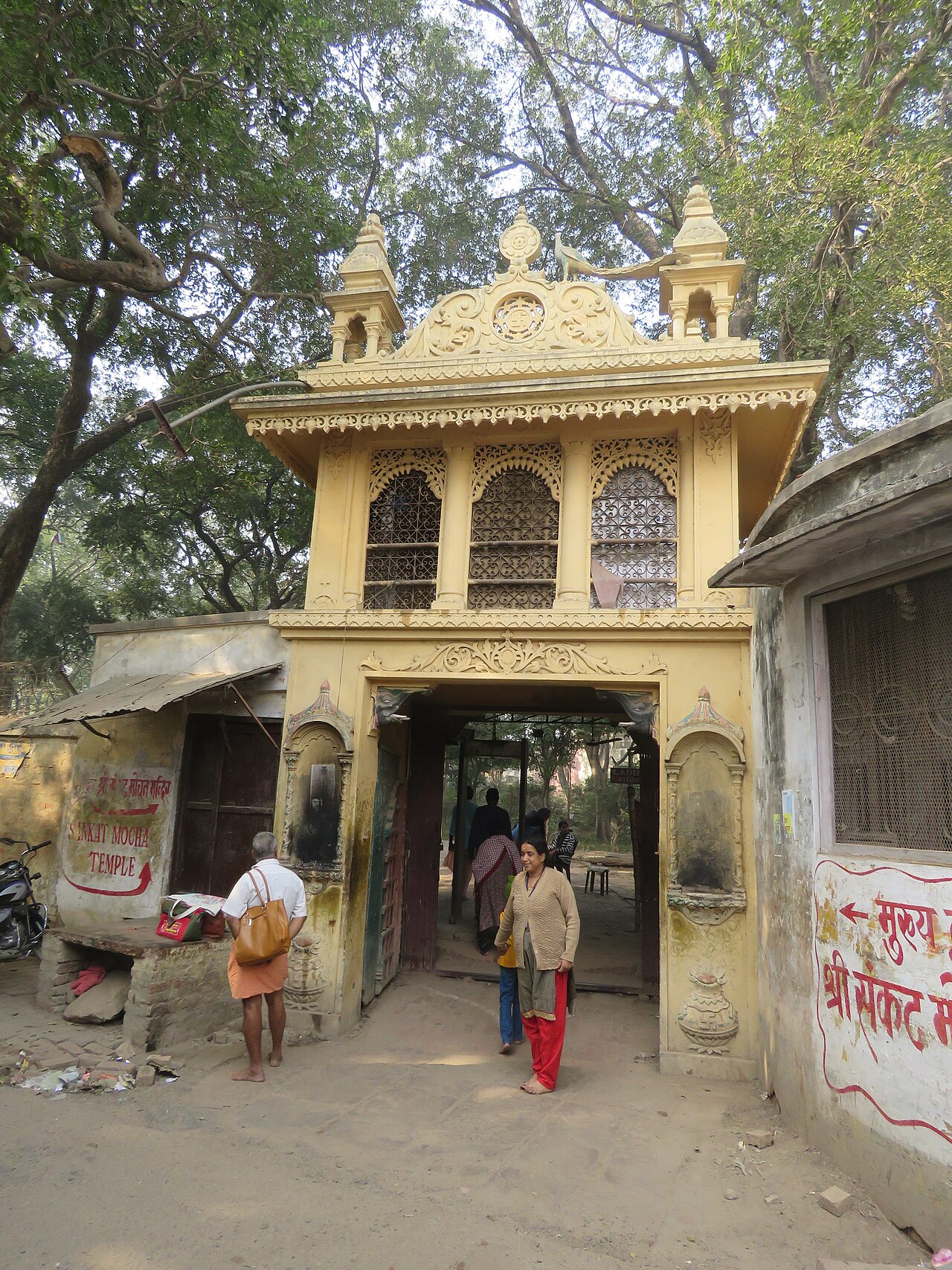
Sankat Mochan Hanuman Temple
Temple · 1.2 km · about 20 min walk
 #6 in VaranasiFree entry
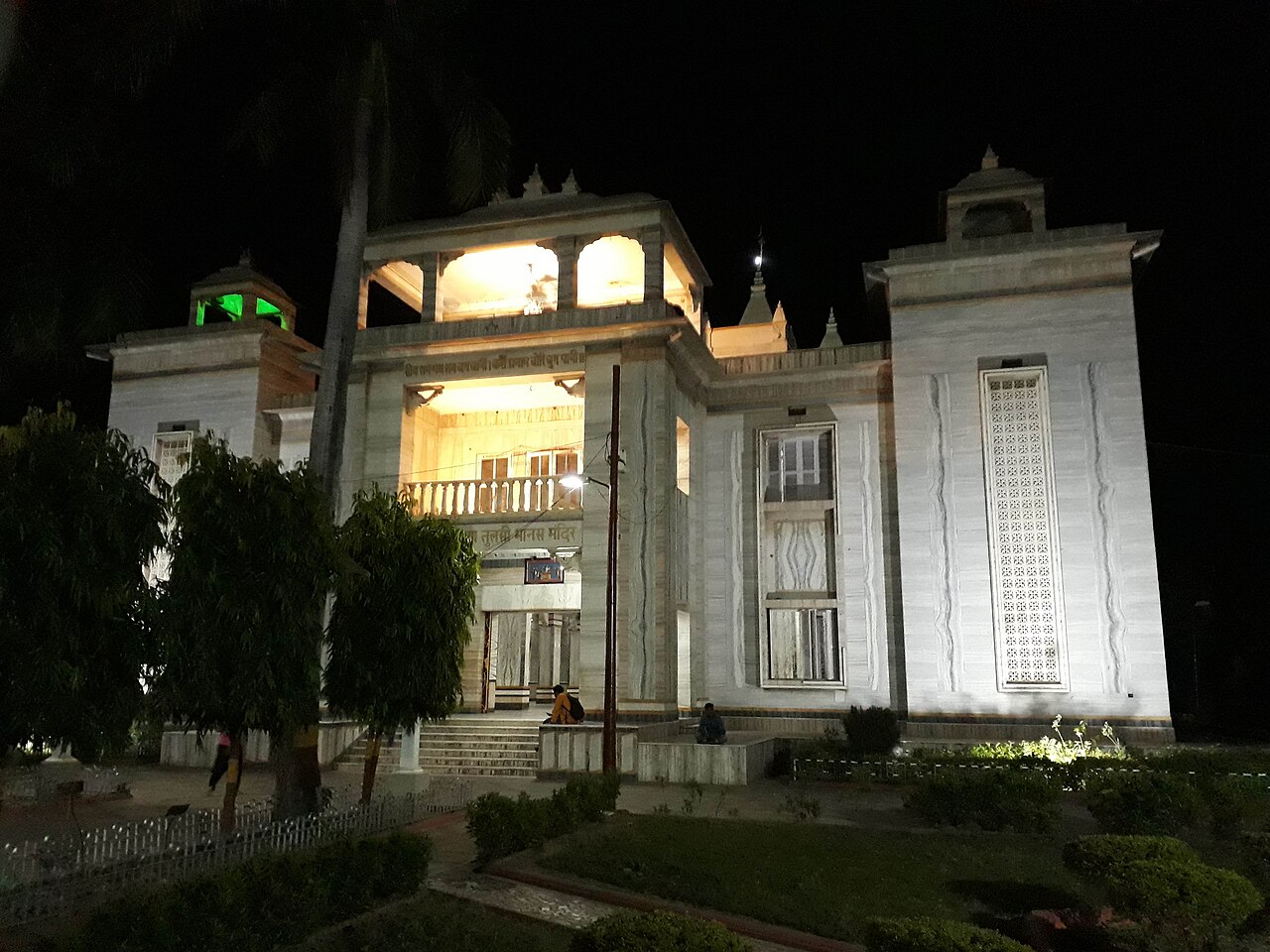
Tulsi Manas Temple
Temple · 1.8 km · about 29 min walk
 #4 in VaranasiFree entry
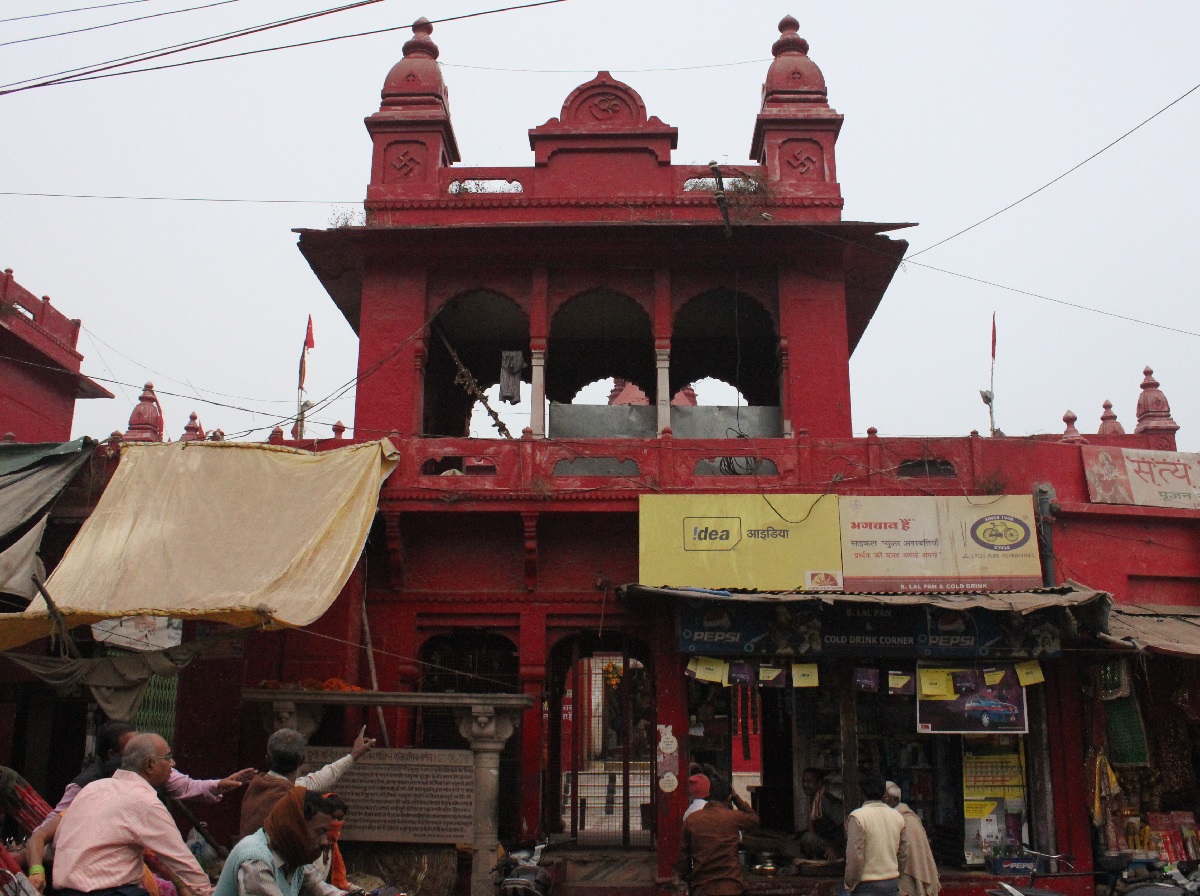
Durga Temple
Temple · 1.9 km · about 31 min walk
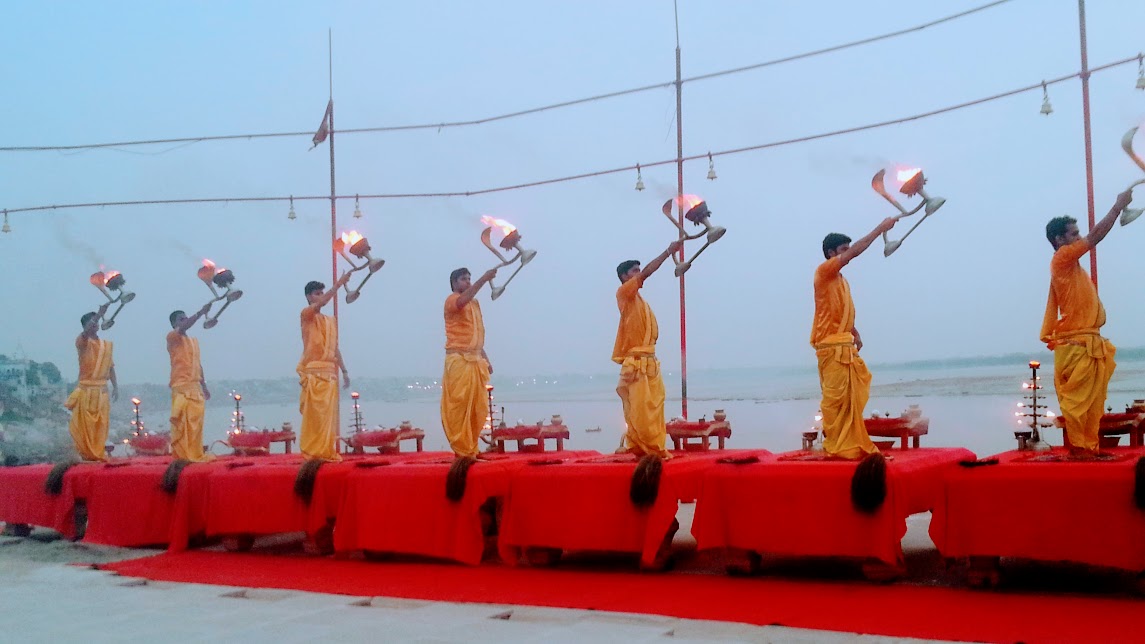 #7 in VaranasiFree entry
Assi Ghat
Temple · 2.2 km · about 36 min walk