
Durga Temple
#4of 10 places to visit in VaranasiVaranasi, Uttar Pradesh
Also known as Durga Kund Mandir · Monkey Temple
Quick answer
Opening hours: 04:00–13:00 and 15:00–20:00. Entry is free. Allow 30 min. Best time: 06:00 – 08:00.
Updated · Compiled by Traveliac, AI-assisted · 5 min read
- Opening hours
- 04:00–20:00
- Entry fee
- Free
- Time needed
- 30 min
- Best time of day
- 06:00 – 08:00
- Best months
- Oct – Mar
- Address
- Durga Kund, Sankat Mochan Road, Durga Kund, Varanasi, Uttar Pradesh 221005
About Durga Temple
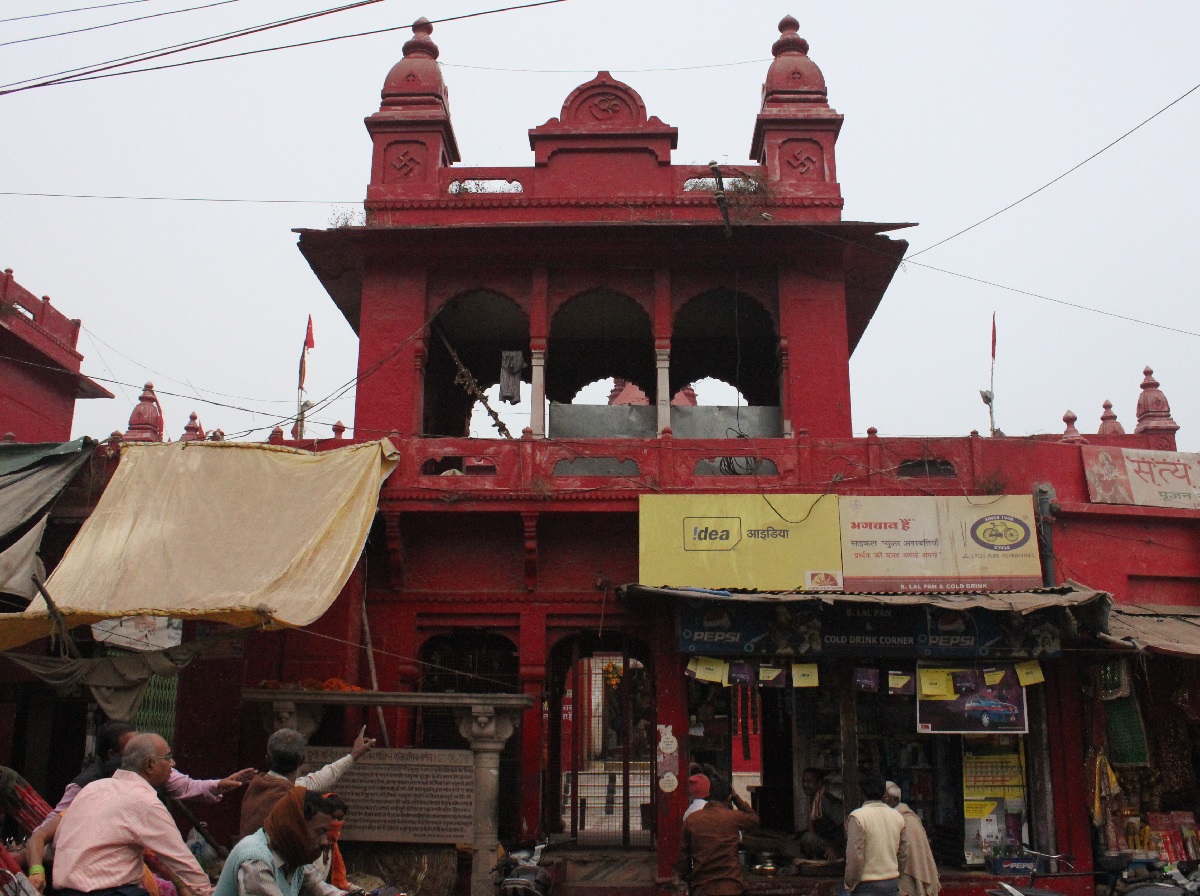
Durga Temple takes its popular nickname, the Monkey Temple, from the large resident population of rhesus macaques that occupies its courtyard and surrounding trees, a practical detail every visitor encounters before any religious one. Rani Bhabani of Natore, a Bengali queen known for extensive temple patronage across eastern India, built the temple in the 18th century in the North Indian nagara style, its multi-tiered shikhara rising in stepped tiers above a sanctum built from stone stained a deep red-ochre, a colour associated with the goddess Durga rather than an applied paint. The temple sits beside Durga Kund, a rectangular stone-stepped water tank that was historically connected to the Ganga and remains central to the site's ritual calendar; each Nag Panchami, priests stage a ceremonial recreation of Vishnu reclining on the serpent Shesha Nag using the kund's water as the setting. Local tradition holds that the temple's image of the goddess was not carved by human hands but manifested on its own, a claim presented here as belief rather than a historical fact this guide verifies.
Best time of day: 06:00 – 08:00. During the morning aarti and before the temple's monkey population becomes most active in the day's heat.
Durga Temple timings
Durga Temple is open 04:00–13:00 and 15:00–20:00. It keeps the same hours on Saturday and Sunday.
- Opening hours
- 04:00–20:00
Mon–Sun 04:00–13:00 and 15:00–20:00 - Closed on
- Open every day
Opening hours compiled from kashi.gov.in and public records, last updated . They change without notice — confirm before you travel. How we write these guides
Durga Temple ticket price
| Ticket | Price |
|---|---|
| Indian visitors | Free |
| Foreign visitors | Free |
| Children | Free |
| Camera | Free |
Entry is free for all visitors as of 2026. Food and loose items should not be carried openly, since the resident monkey population will grab visible food or shiny objects — as of 2026, ask the entrance attendant about current arrangements for storing bags, since informal lockers are not always staffed.
Prices compiled from kashi.gov.in and public records, last updated . They change without notice — confirm before you travel. How we write these guides
Best time to visit Durga Temple
- Quiet
- Moderate
04:00 – 06:00
Pre-Dawn WorshipBest time to go
Early devotees perform the first rounds of worship; monkeys are least active in the cooler pre-dawn hours.
Quiet06:00 – 09:00
Morning Aarti
Local worshippers gather for morning rituals; a workable window to view the temple architecture and Durga Kund before midday heat and crowds build.
Moderate09:00 – 13:00
Midday Activity
Monkey activity peaks as visitors and food vendors are most present; temple closes for a midday break at 13:00.
Moderate15:00 – 20:00
Afternoon and Evening
Temple reopens after the midday closure; evening worship draws steady local footfall through to the 20:00 closing.
Moderate
History of Durga Temple
Rani Bhabani of Natore, whose patronage extended across a network of temples in Bengal and along the Ganga during the 18th century, is credited with building Durga Temple in its current form, part of a broader pattern in which regional rulers and wealthy patrons — Maratha, Rajput, and Bengali alike — invested heavily in Varanasi's religious architecture, reconstructing or founding many of the temples and ghats that define the city today. The temple's precise founding date is not fixed with certainty, and this account treats the 18th-century attribution as the best-supported estimate rather than an exact year.
The adjoining Durga Kund predates or accompanies the temple's construction and was, in earlier centuries, linked to the Ganga through a channel that allowed the tank to be replenished by the river directly — a connection no longer functional in the same way, with the kund now managed as a largely self-contained tank. The temple's association with a large resident monkey population appears to be a long-standing rather than recent feature, sufficiently established that the Monkey Temple nickname is now used interchangeably with the temple's formal name across guidebooks and by residents themselves.
Rules & etiquette at Durga Temple
Durga Temple's monkey population is the single most practical consideration for visitors: food should not be carried visibly, sunglasses and phones should be held securely rather than in an open bag pocket, and sudden movements near a monkey holding food are best avoided, since the animals are habituated to visitors but will grab at anything loose. This is standard advice given by temple staff themselves rather than an exaggerated tourist warning.
Shoes are removed at a rack near the entrance, and modest dress is expected as at any active North Indian temple. The inner sanctum, where the self-manifested image of the goddess is enshrined according to temple belief, is generally viewed from a short distance rather than approached directly, consistent with darshan practice at other Devi temples in the region.
Durga Kund itself is not typically used for bathing by casual visitors in the way the Ganga ghats are; it functions primarily as a ritual and festival space, most visibly during Nag Panchami, and visitors are welcome to observe from its stepped perimeter without needing to enter the water.
Tips for visiting Durga Temple
- 1
Durga Temple pairs naturally with the adjacent Tulsi Manas Temple, a short walk across Durga Kund Road, making the combined visit efficient given how close the two sites sit to each other. Sankat Mochan Hanuman Temple, roughly two kilometres away and sharing the same Tulsidas-era religious geography, extends the same outing into a half-day loop for visitors interested in this cluster of temples south of the old city.
- 2
Visiting before 08:00 avoids both the day's heat and the period when the resident monkeys are most active and most likely to approach visitors directly for food; mid-morning through early afternoon sees the highest monkey activity around the courtyard's edges.
- 3
The temple's red-ochre stone and stepped shikhara are worth viewing from across Durga Kund itself, a vantage point that shows the full profile of the structure against the water — a view most visitors miss by walking straight into the temple courtyard without first circling the tank.
How to reach Durga Temple
The red star is Durga Temple; the numbered pins are the 9 nearest places in our guides, each showing its rank in its city. Tap a pin for details.
Durga Kund, Sankat Mochan Road, Durga Kund, Varanasi, Uttar Pradesh 221005Directions in Google Maps
From Lal Bahadur Shastri International Airport (VNS)
₹600–₹85024 km · 45–70 min
Prepaid taxi/OLA/Uber).
From Varanasi Junction Railway Station (BSB)
₹150–₹2506 km · 20–30 min
Auto-rickshaw, negotiated).
From Tulsi Manas Temple
0.2 km · 3–5 min walk
Free — a direct pedestrian path connects the two temples.
Nearest airport
From Lal Bahadur Shastri International Airport (VNS), Babatpur
approximately 24 km, 45–70 minutes by road.
Nearest railway station
From Varanasi Junction (BSB)
approximately 6 km, 20–30 minutes by auto-rickshaw.
Durga Temple FAQs
Why is Durga Temple called the Monkey Temple?
Yes, this is a genuine and long-standing nickname, referring to the large resident population of rhesus macaques living in the temple courtyard and surrounding trees. Visitors are advised to keep food and loose items secure while inside.
Who built Durga Temple in Varanasi?
Rani Bhabani of Natore, a Bengali queen known for temple patronage across eastern India, is credited with building the temple in the 18th century in the North Indian nagara architectural style.
Is there an entry fee for Durga Temple?
No, entry is free for all visitors as of 2026. There is no formal ticket or donation requirement, though a voluntary offering box is present.
What is Durga Kund next to the temple?
Durga Kund is a rectangular stone-stepped water tank beside the temple, historically connected to the Ganga, that hosts a ceremonial recreation of Vishnu reclining on the serpent Shesha Nag every Nag Panchami.
Compiled with AI assistance from official sources and public records, and published only after the checks in How we write these guides. Nobody from Traveliac has visited this place. Last updated . How we rank and check places
Places to visit near Durga Temple
Straight-line distances from our map; times are estimates.
 #6 in VaranasiFree entry
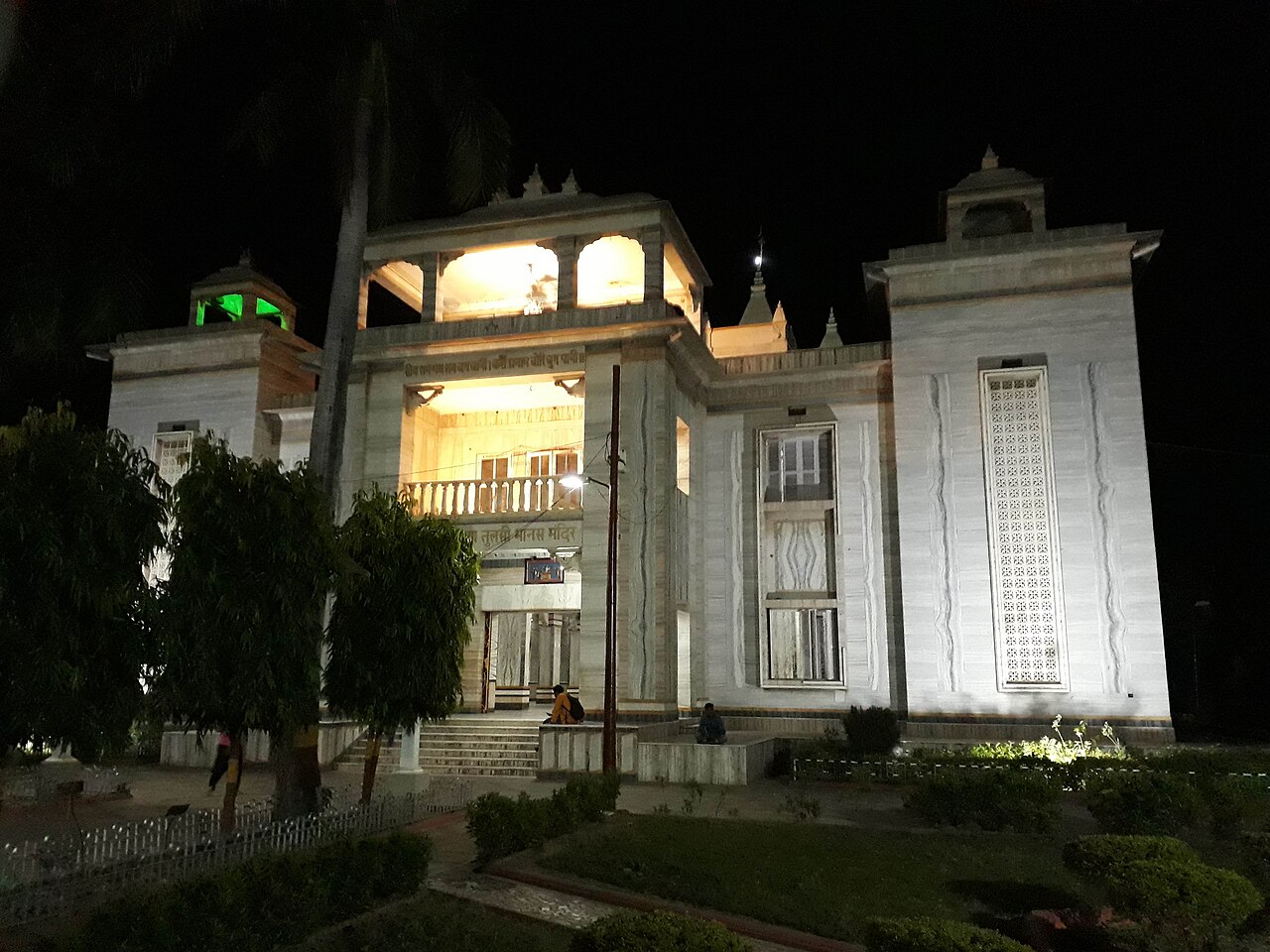
Tulsi Manas Temple
Temple · 200 m · about 3 min walk
 #5 in VaranasiFree entry
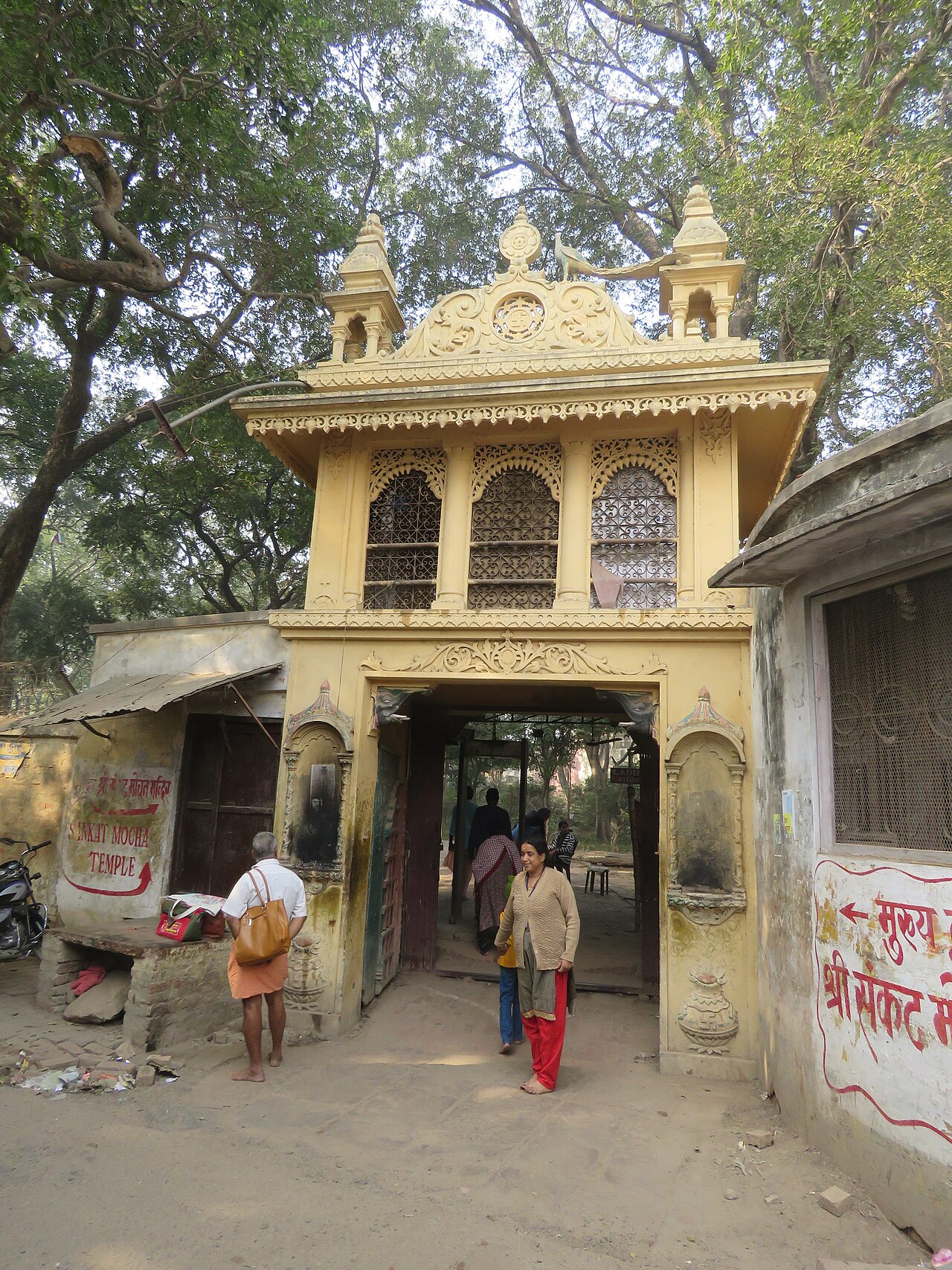
Sankat Mochan Hanuman Temple
Temple · 750 m · about 12 min walk
 #7 in VaranasiFree entry
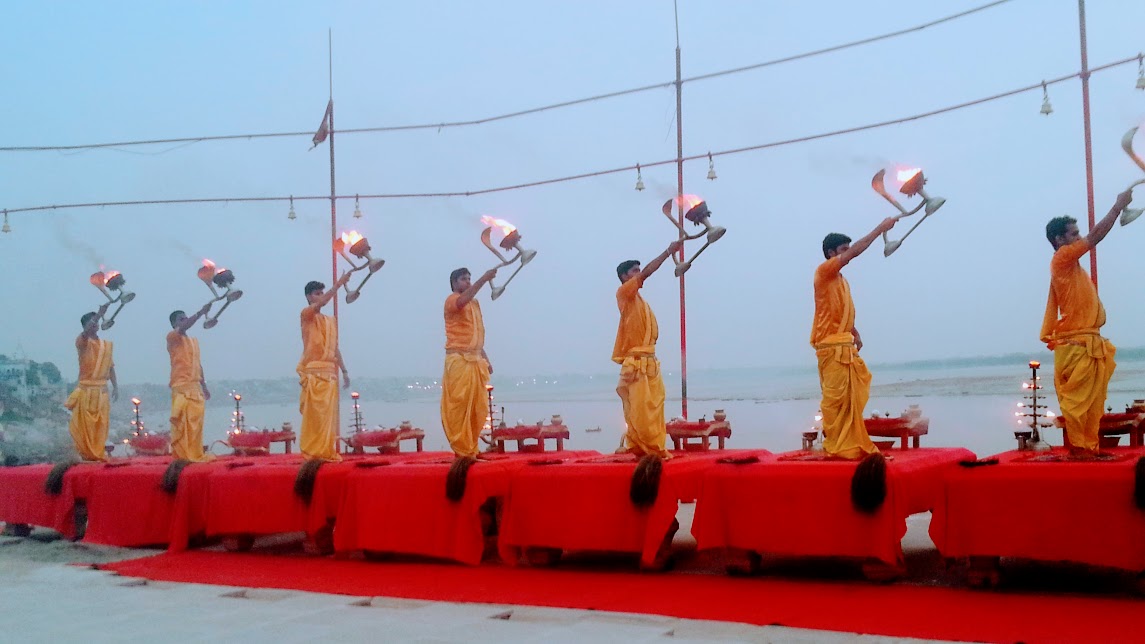
Assi Ghat
Temple · 750 m · about 12 min walk
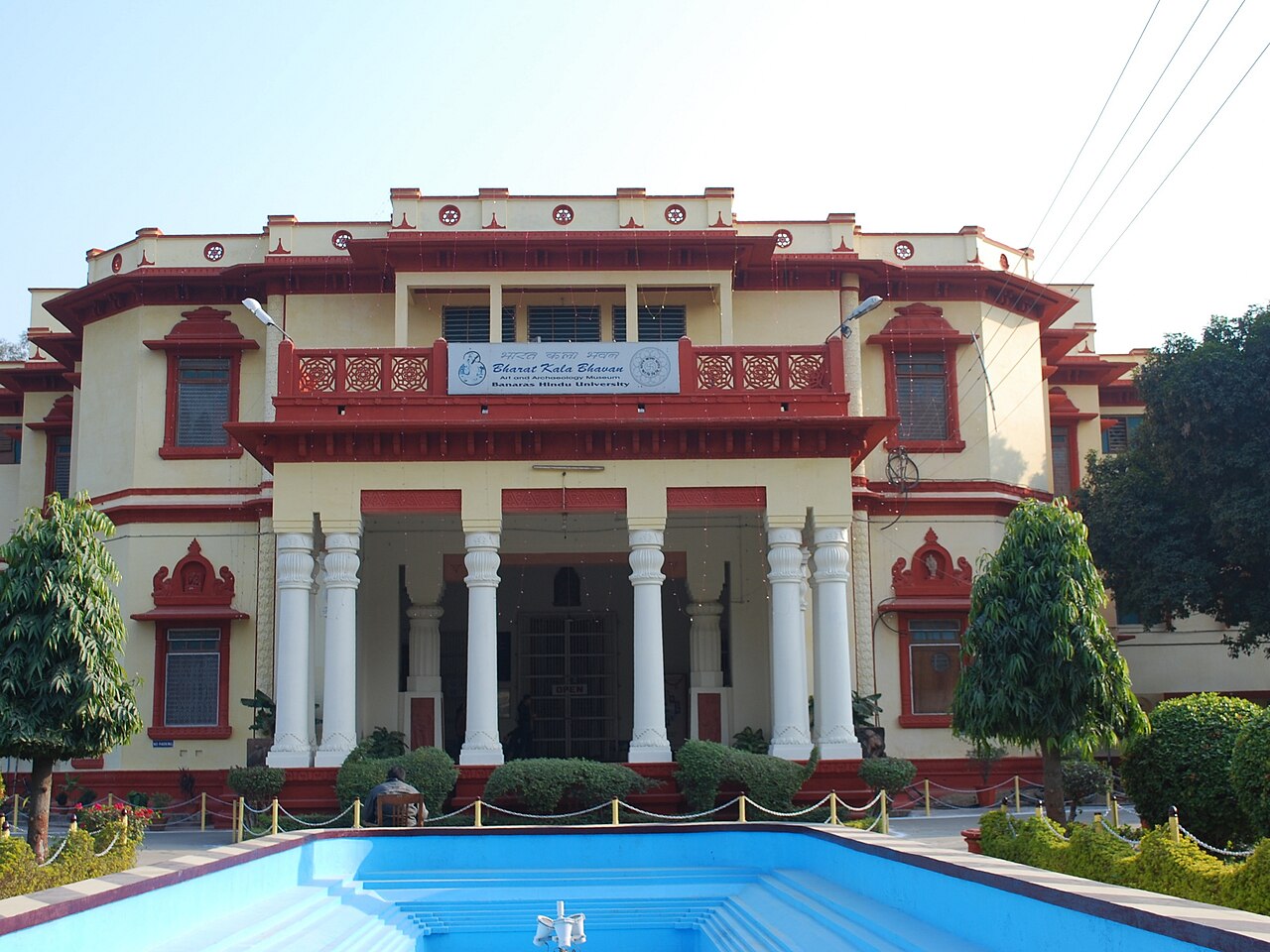 #8 in Varanasi
Bharat Kala Bhavan
Museum · 1.9 km · about 31 min walk