
Assi Ghat
#7of 10 places to visit in VaranasiVaranasi, Uttar Pradesh
Also known as Asi Ghat
Quick answer
Opening hours: No fixed opening hours. Entry is free. Allow 1.5 hrs. Best time: Pre-dawn to 07:30.
Updated · Compiled by Traveliac, AI-assisted · 5 min read
- Opening hours
- No fixed hours
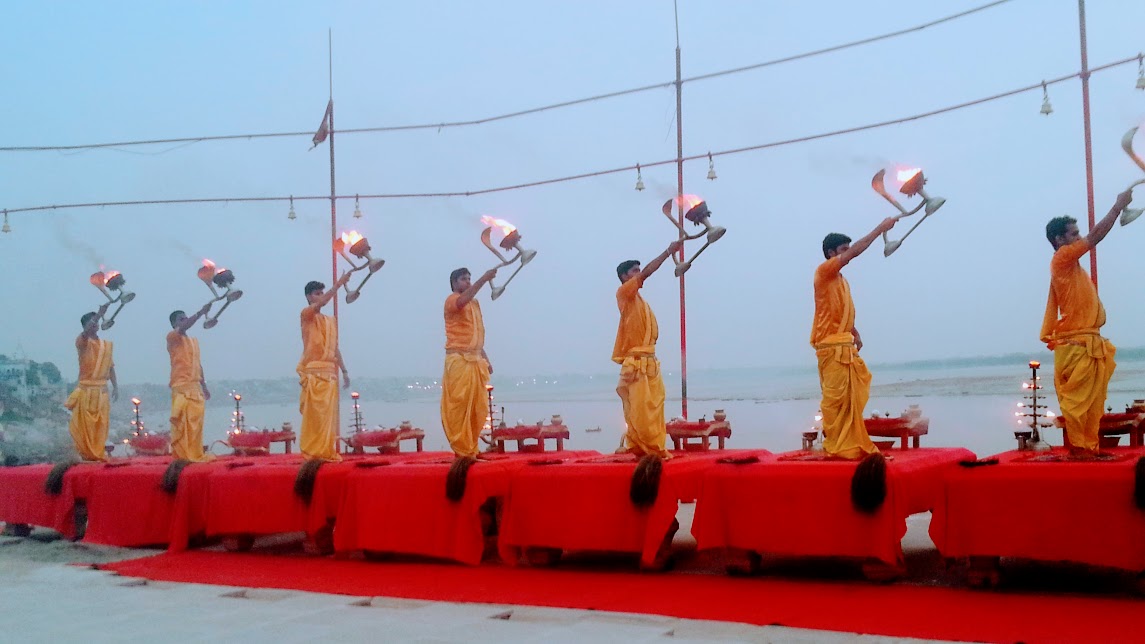
- Open 24 hours as a public ghat. Subah-e-Banaras begins approximately 45 minutes before sunrise (05:00 summer, 05:30 winter) and runs about 2 hours; evening aarti begins at 18:00 October–March and 19:00 April–September.
- Entry fee
- Free
- Time needed
- 1.5 hrs
- Best time of day
- Pre-dawn to 07:30
- Best months
- Oct – Mar
- Address
- Assi Ghat, Nagwa Road, Shivala, Varanasi, Uttar Pradesh 221005
About Assi Ghat
Assi Ghat marks the southern boundary of Varanasi's roughly 6.8-kilometre riverfront, sitting at the confluence of the seasonal Assi stream and the Ganga, a location the Puranas cite as the point where the goddess Durga threw down her sword after slaying the demons Shumbha and Nishumbha. The ghat costs nothing to visit as of 2026 and functions as the city's most consistently used ghat by residents rather than only pilgrims, its steps lined by cafés, guesthouses, and a resident population of students from nearby Banaras Hindu University. Assi Ghat's signature draw since 2014 has been Subah-e-Banaras, a pre-dawn programme of Vedic chanting, classical Indian music, and yoga staged on a dedicated riverside platform, conceived as a structured alternative to the evening Ganga Aarti spectacle at Dashashwamedh Ghat further downstream. The ghat also runs its own smaller evening aarti, drawing a fraction of Dashashwamedh's crowd and offering a genuinely calmer version of the same ritual.
Best time of day: Pre-dawn to 07:30. For Subah-e-Banaras, or 17:30–19:30 for the smaller, less crowded evening Ganga Aarti compared to Dashashwamedh Ghat.
Assi Ghat timings
- Opening hours
- No fixed hours
Mon–Sun No fixed hours - Open 24 hours as a public ghat. Subah-e-Banaras begins approximately 45 minutes before sunrise (05:00 summer, 05:30 winter) and runs about 2 hours; evening aarti begins at 18:00 October–March and 19:00 April–September.
- Closed on
- Open every day
Good to know: Sunrise timing for Subah-e-Banaras shifts by up to 45 minutes between June and December; check the programme's own schedule for the exact day-of time.
Opening hours compiled from kashi.gov.in and public records, last updated . They change without notice — confirm before you travel. How we write these guides
Assi Ghat ticket price
| Ticket | Price |
|---|---|
| Indian visitors | Free |
| Foreign visitors | Free |
| Children | Free |
| Camera | Free |
Access to the ghat and the Subah-e-Banaras morning programme costs nothing as of 2026. Yoga sessions and guided cultural walks run by private operators along the ghat charge separately, typically ₹200–₹500 per person — as of 2026, verify rates directly with the operator since these are unregulated private offerings.
Prices compiled from kashi.gov.in and public records, last updated . They change without notice — confirm before you travel. How we write these guides
Best time to visit Assi Ghat
- Quiet
- Moderate
05:00 – 07:30
Subah-e-Banaras
Pre-dawn cultural programme of chanting, music, and yoga draws a steady mixed crowd of residents, students, and visitors; seating fills within the first 30 minutes.
Moderate07:30 – 11:00
Morning RoutineBest time to go
Local residents bathe and perform puja; boatmen offer sunrise river trips at their calmest rates of the day.
Quiet11:00 – 17:00
Midday Café Hours
Café strip along the ghat sees steady but unhurried footfall from students and long-stay visitors; heat keeps the open steps quieter.
Quiet18:00 – 20:00
Evening Aarti
The ghat's own Ganga Aarti draws a noticeably smaller crowd than Dashashwamedh Ghat's ceremony, making close viewing easier.
Moderate
History of Assi Ghat
Assi Ghat's name and religious standing predate any built structure, tied to Puranic accounts describing the Assi stream — now reduced to a modest seasonal nullah rather than a substantial river — as the site where Durga discarded her sword after her battle with the demons Shumbha and Nishumbha, a founding legend rather than a documented historical event. The ghat's location at the Ganga's confluence with this stream gave it standing as one of Varanasi's five principal pilgrimage ghats (Panchatirthi) alongside Dashashwamedh, Manikarnika, Panchganga, and Kedar.
Through the 20th century, Assi Ghat developed a character distinct from the more explicitly ritual-focused ghats further north, shaped heavily by its proximity to Banaras Hindu University: it became a gathering point for students, scholars, and long-term foreign visitors studying Hindi, yoga, or classical music, a role that persists today in the cluster of guesthouses and cafés along Nagwa Road. Subah-e-Banaras launched in 2014 as a deliberate cultural initiative to formalise this identity, staging classical performances at an hour when the ghat had previously seen only informal individual worship.
Rules & etiquette at Assi Ghat
Assi Ghat's Subah-e-Banaras platform has designated seating for the paying and general public sections, and while the programme itself is free to watch from the steps, the best sightlines closest to the stage are informally claimed by early arrival rather than reserved by ticket. Arriving 20–30 minutes before the stated start time secures a clear view without additional cost.
Boatmen along Assi Ghat solicit sunrise river trips continuously through the Subah-e-Banaras programme; a shared boat runs ₹150–₹300 per person, and agreeing the price and duration before boarding avoids the same renegotiation tactics found at other ghats. The ghat's café strip is a legitimate and popular place to sit and watch the river without any obligation to a boat or guide.
The seasonal Assi stream itself now largely runs underground through a culvert system rather than as an open waterway at the ghat, following municipal works completed in recent years; visitors expecting a visible confluence of two rivers should adjust expectations, since the Ganga alone is what is now visible at the site.
Tips for visiting Assi Ghat
- 1
Assi Ghat's evening aarti is a genuinely useful alternative for travellers who found Dashashwamedh Ghat's evening crowd overwhelming; the ceremony here is smaller in scale — fewer priests, a more modest platform — but considerably easier to watch up close without arriving hours in advance.
- 2
The ghat's proximity to Banaras Hindu University and Bharat Kala Bhavan, both roughly 2–3 kilometres north, makes it a logical base for a morning that combines Subah-e-Banaras with a museum visit before the midday heat sets in. Several long-stay guesthouses along Nagwa Road cater specifically to visitors studying yoga, Hindi, or music in multi-week programmes, giving the area a noticeably different rhythm from the transient tourist traffic near Dashashwamedh Ghat.
- 3
Sunrise boat trips departing from Assi Ghat toward Dashashwamedh and Manikarnika Ghats are a popular way to see the full riverfront in one direction; the return trip against the current takes longer, so budgeting extra time or arranging a one-way boat with a rickshaw return is worth confirming with the boatman in advance.
How to reach Assi Ghat
The red star is Assi Ghat; the numbered pins are the 9 nearest places in our guides, each showing its rank in its city. Tap a pin for details.
Assi Ghat, Nagwa Road, Shivala, Varanasi, Uttar Pradesh 221005Directions in Google Maps
From Lal Bahadur Shastri International Airport (VNS)
₹700–₹1,00028 km · 55–85 min
Prepaid taxi/OLA/Uber).
From Varanasi Junction Railway Station (BSB)
₹180–₹2807 km · 25–35 min
Auto-rickshaw, negotiated).
From Dashashwamedh Ghat
₹200–₹4003.5 km · 30–40 min by boat downstream; 15–20 min by road
Shared boat) or ₹80–₹150 (auto-rickshaw, negotiated).
Nearest airport
From Lal Bahadur Shastri International Airport (VNS), Babatpur
approximately 28 km, 55–85 minutes by road.
Nearest railway station
From Varanasi Junction (BSB)
approximately 7 km, 25–35 minutes by auto-rickshaw.
Assi Ghat FAQs
What is Subah-e-Banaras at Assi Ghat?
Yes, it is a genuine daily cultural programme, launched in 2014, of Vedic chanting, classical Indian music, and yoga performed on a riverside platform starting roughly 45 minutes before sunrise. It is free to watch and runs approximately two hours.
Is the evening Ganga Aarti at Assi Ghat as crowded as Dashashwamedh Ghat's?
No, Assi Ghat's evening ceremony is noticeably smaller in scale and draws a fraction of Dashashwamedh Ghat's crowd, making it easier to watch up close without arriving hours early.
Where does the name Assi Ghat come from?
The name refers to the Assi stream, a seasonal waterway that historically met the Ganga at this point, which Puranic legend describes as the spot where the goddess Durga threw her sword after slaying the demons Shumbha and Nishumbha.
Is there an entry fee for Assi Ghat?
No, the ghat and the Subah-e-Banaras programme are both free to access as of 2026. Private yoga sessions and guided walks offered by independent operators along the ghat charge separately, typically ₹200–₹500 per person.
Compiled with AI assistance from official sources and public records, and published only after the checks in How we write these guides. Nobody from Traveliac has visited this place. Last updated . How we rank and check places
Places to visit near Assi Ghat
Straight-line distances from our map; times are estimates.
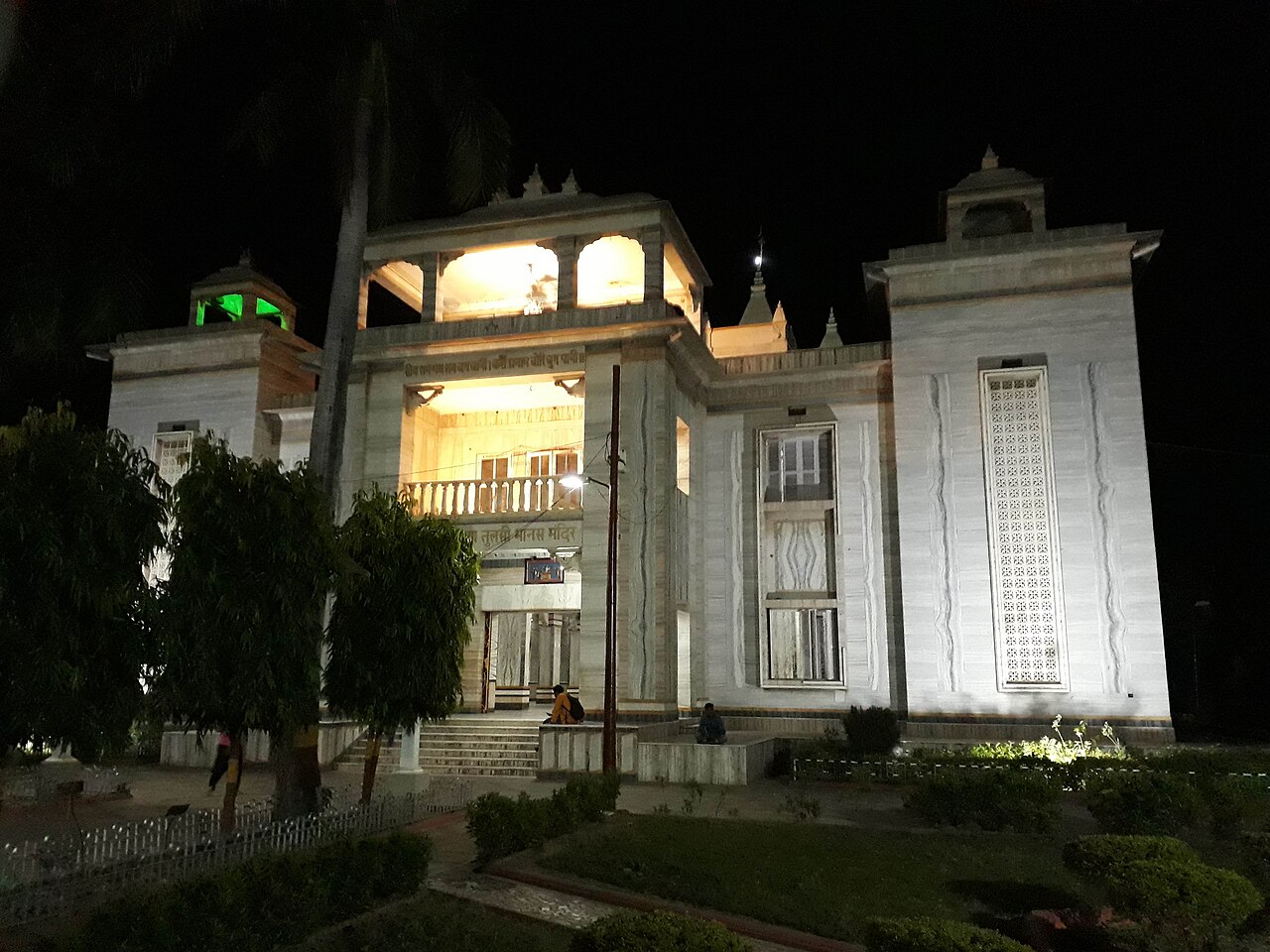 #6 in VaranasiFree entry
Tulsi Manas Temple
Temple · 650 m · about 11 min walk
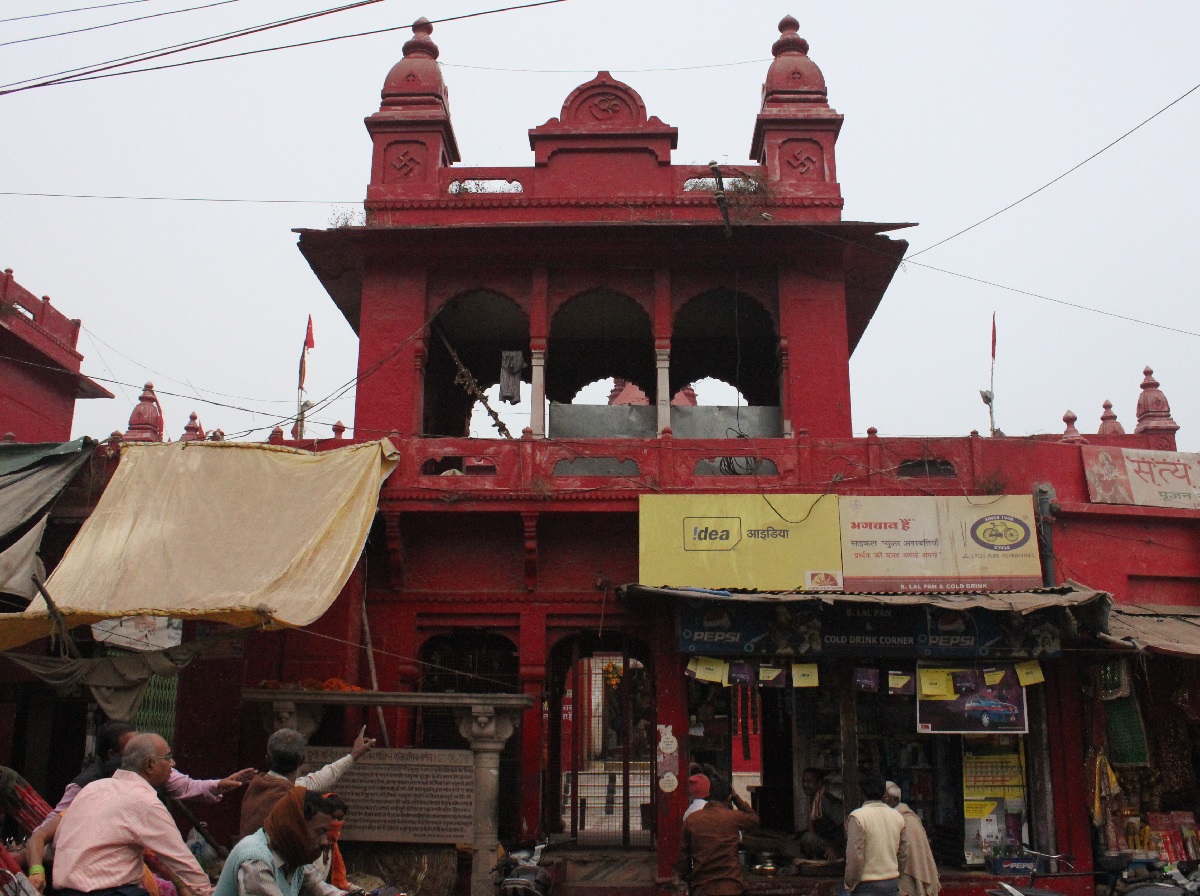 #4 in VaranasiFree entry
Durga Temple
Temple · 750 m · about 12 min walk
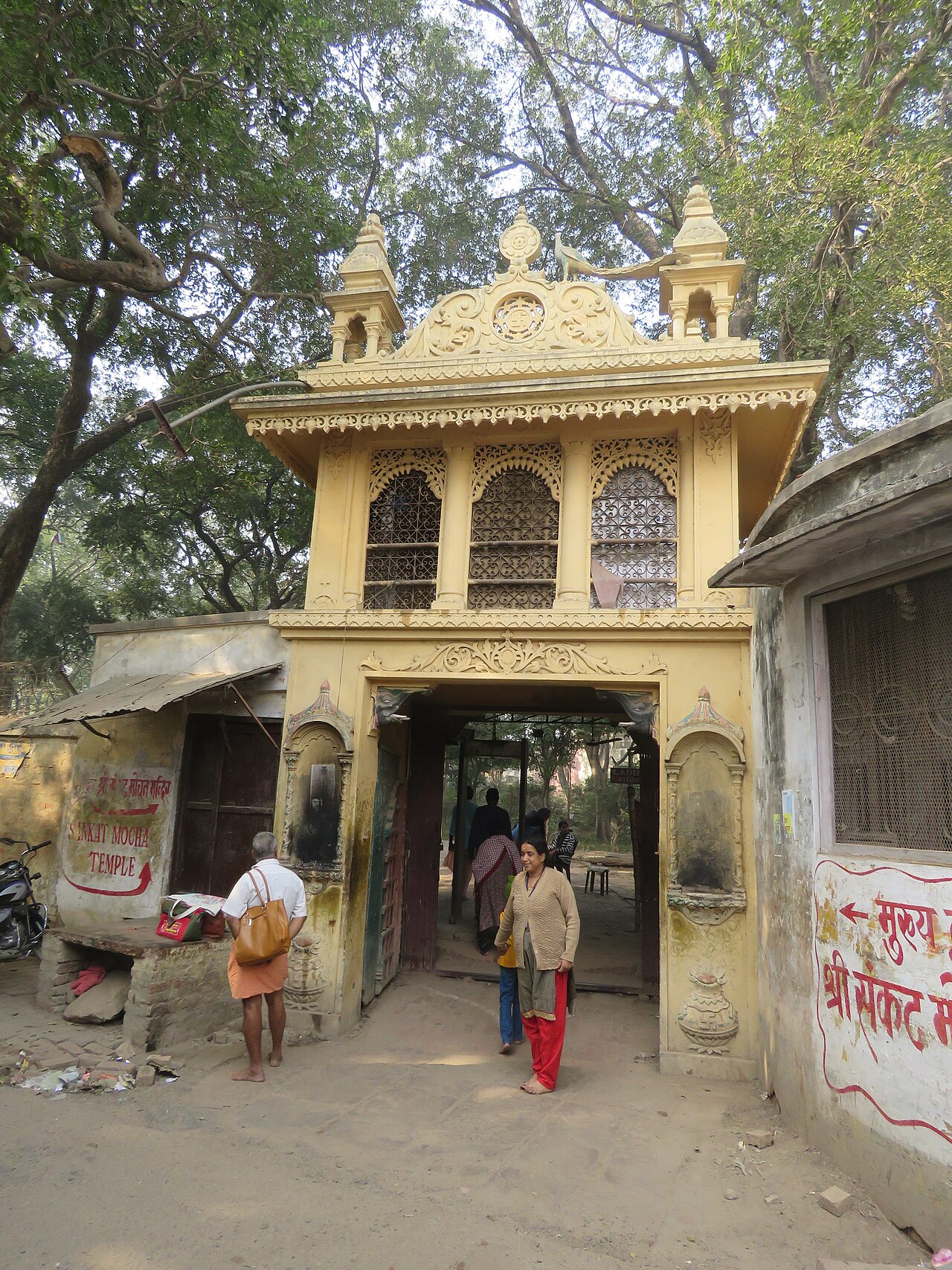 #5 in VaranasiFree entry
Sankat Mochan Hanuman Temple
Temple · 1000 m · about 16 min walk
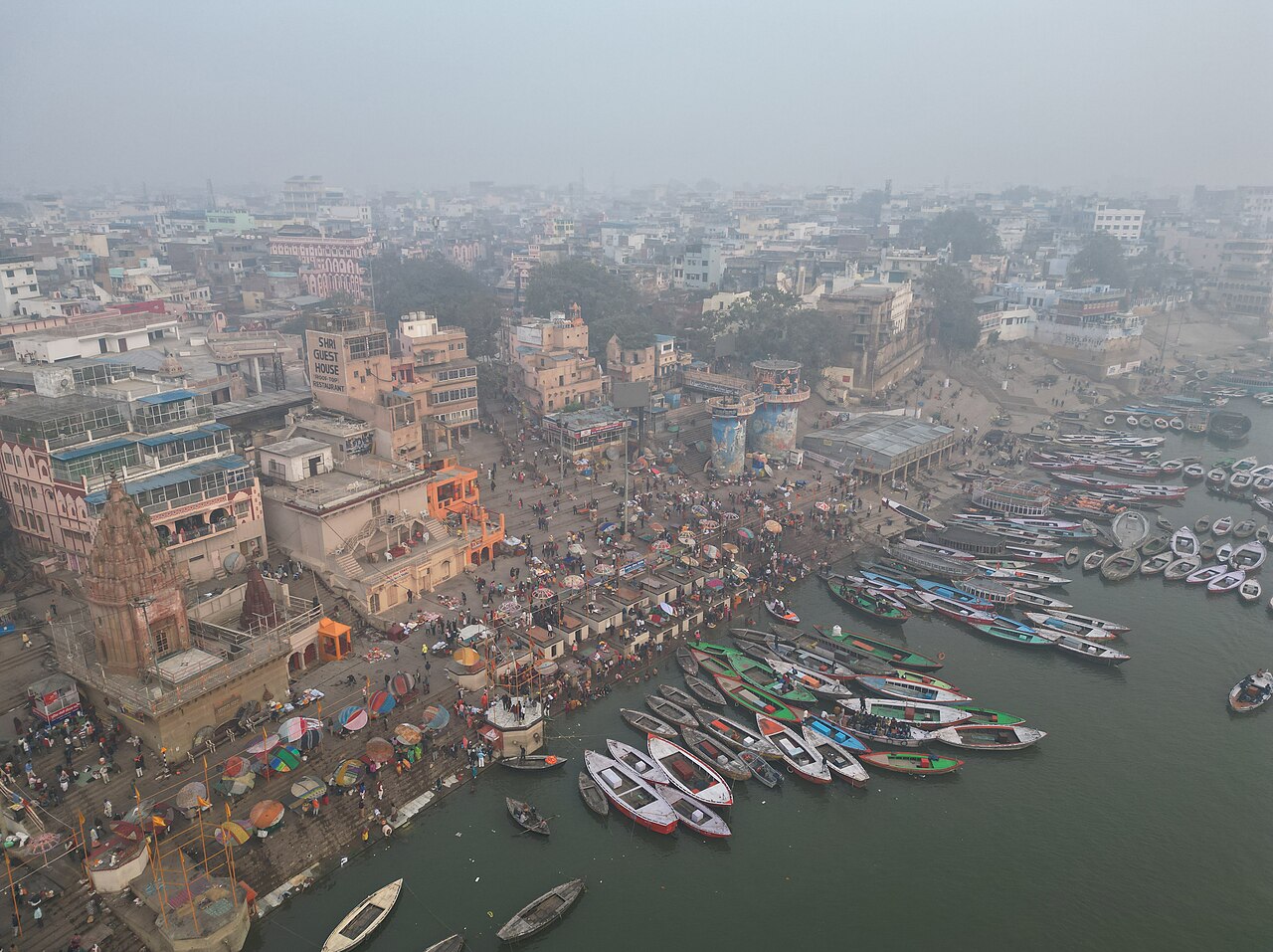 #2 in VaranasiFree entry
Dashashwamedh Ghat
Temple · 2.1 km · about 34 min walk