
Manikarnika Ghat
#3of 10 places to visit in VaranasiVaranasi, Uttar Pradesh
Also known as Burning Ghat · Mahasmashan
Quick answer
Opening hours: No fixed opening hours. Entry is free. Allow 30 min. Best time: 06:00 – 08:00 or 17:00 – 18:30.
Updated · Compiled by Traveliac, AI-assisted · 5 min read
- Opening hours
- No fixed hours
- Open 24 hours; cremations continue day and night without interruption.
- Entry fee
- Free
- Time needed
- 30 min
- Best time of day
- 06:00 – 08:00 or 17:00 – 18:30
- Best months
- Oct – Mar
- Address
- Manikarnika Ghat, near Manikarnika Road, Varanasi, Uttar Pradesh 221001
About Manikarnika Ghat
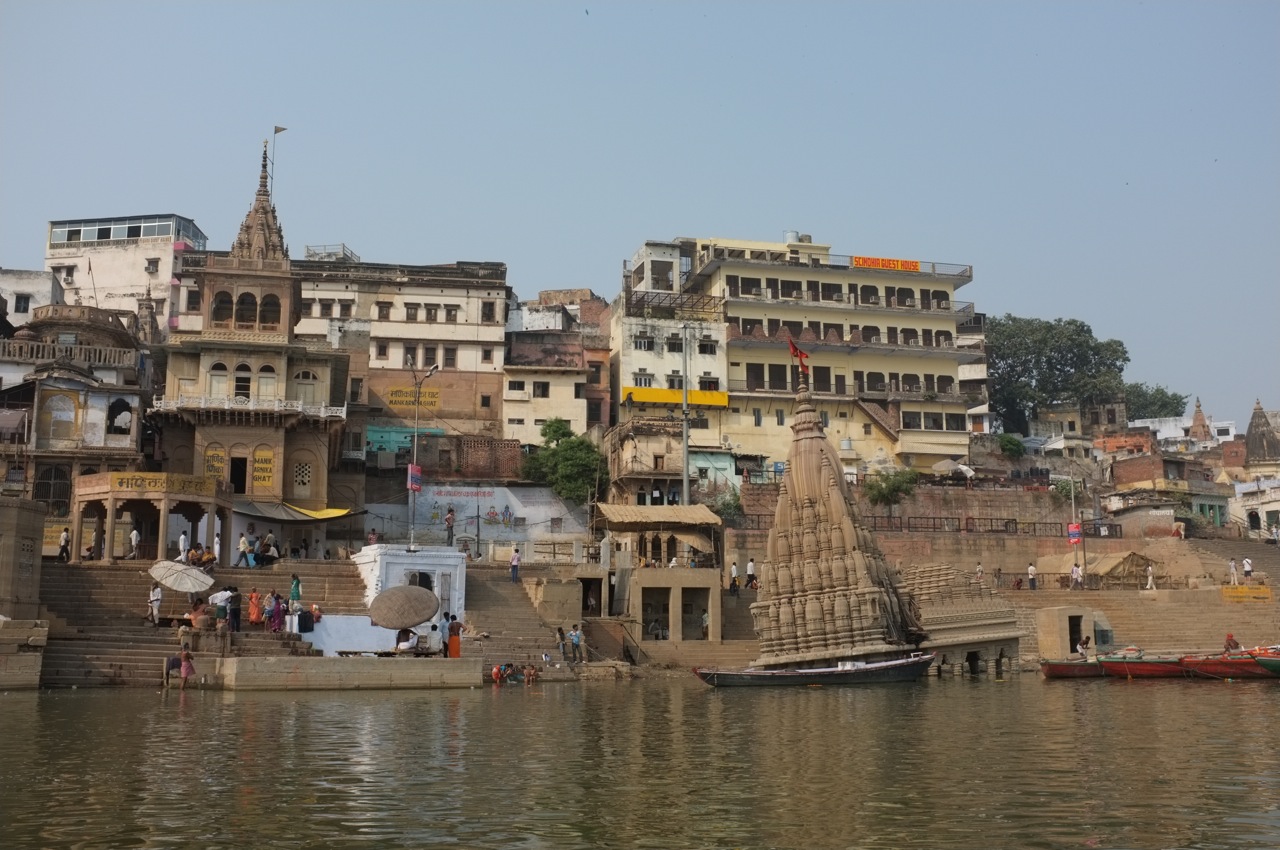
Manikarnika Ghat cremates between 80 and 300 bodies daily as of 2026, making it the busiest of Varanasi's two functioning cremation ghats and, by Hindu tradition, the most auspicious place in India to die. Hindus believe that cremation here breaks the cycle of rebirth (moksha) instantly, a belief that draws terminally ill and elderly pilgrims to nearby hospices to spend their final days near the ghat. The name derives from a legend — not verified history — that Shiva's earring (manikarnika) fell into a well Vishnu dug at the site with his discus. The ghat's defining feature is a fire that local tradition holds has never been extinguished, tended continuously by the Dom community, a caste whose hereditary occupation is managing cremation across generations. Wood stacks several metres high line the upper steps, sold by weight at a scale near the ghat, and smoke from multiple pyres is constant rather than occasional.
Best time of day: 06:00 – 08:00 or 17:00 – 18:30. When the ghat is least crowded and the light along the riverfront is most workable for those who have secured permission to photograph from a respectful distance.
Manikarnika Ghat timings
- Opening hours
- No fixed hours
Mon–Sun No fixed hours - Open 24 hours; cremations continue day and night without interruption.
- Closed on
- Open every day
Opening hours compiled from kashi.gov.in and public records, last updated . They change without notice — confirm before you travel. How we write these guides
Manikarnika Ghat ticket price
| Ticket | Price |
|---|---|
| Indian visitors | Free |
| Foreign visitors | Free |
| Children | Free |
| Camera | Free |
Walking through Manikarnika Ghat costs nothing as of 2026, and there is no admission gate. Wood for cremation is priced by weight, roughly ₹400–₹700 per kilogram as of 2026, with a full cremation typically requiring 200–400 kilograms — verify the current rate at the wood-weighing station (Tulsi Ghat scales) since prices track firewood market rates.
Prices compiled from kashi.gov.in and public records, last updated . They change without notice — confirm before you travel. How we write these guides
Best time to visit Manikarnika Ghat
- Quiet
- Moderate
06:00 – 09:00
Morning RitesBest time to go
Families conduct rituals in relative quiet; fewer tour groups present. The wood-weighing station is active from early morning.
Quiet09:00 – 13:00
Midday Activity
Multiple pyres typically burning simultaneously; guides and touts most active soliciting visitors in this window.
Moderate13:00 – 17:00
Afternoon Heat
Cremation activity continues uninterrupted; foot traffic from casual visitors drops somewhat in the day's hottest hours.
Moderate17:00 – 21:00
Evening Continuation
Boat traffic passing offshore increases as visitors combine a Manikarnika pass with the Dashashwamedh Ghat aarti further south; the ghat itself sees fewer walk-through visitors after dark.
Quiet
History of Manikarnika Ghat
Manikarnika Ghat's association with death predates any structure on the site, rooted in the Puranic legend of the Manikarnika Kund, a well said to have been dug by Vishnu with his discus and filled with his own sweat from penance — Shiva shook with joy at this, dislodging his earring into the well and giving the ghat its name. A second widely told legend involves King Harishchandra, a ruler celebrated for absolute truthfulness who was reduced to working as a cremation-ground attendant here after losing his kingdom in a wager; this too is legend rather than documented history.
The stone ghat was rebuilt in phases through the 18th and 19th centuries alongside Varanasi's other riverfront steps, funded by regional rulers in the same wave of Maratha and Rajput patronage that reconstructed Dashashwamedh Ghat and Kashi Vishwanath Temple nearby. The Dom Raja lineage that oversees cremation rites at Manikarnika holds a hereditary right recognised by custom rather than statute, and a current redevelopment project by the Varanasi Nagar Nigam aims to improve drainage, wood storage, and visitor pathways without altering the ghat's ritual function.
Rules & etiquette at Manikarnika Ghat
Manikarnika Ghat is an active cremation ground, not a monument, and behaving accordingly matters more here than anywhere else in Varanasi. Photography and videography of cremations, mourners, or bodies is not permitted; guides and family members object immediately, and this rule is enforced by the Dom attendants themselves rather than any posted sign. Visitors wanting distant architectural photographs should ask a local escort where this is currently tolerated, since the boundary shifts with which pyres are active.
Self-appointed 'guides' approach most visitors near the ghat entrance offering an explanation of the rituals, usually followed by a request for a 'donation to buy wood for poor families.' This is a well-documented scam; genuine wood is paid for directly at the official scale, and cash handed to a guide rarely reaches any cremation. Politely declining and walking on is the standard response locals recommend.
Dress modestly, keep voices low, and avoid stepping near an active pyre or a body awaiting cremation on the steps — space is tight and mourners have right of way. Shoes need not be removed here as at a temple; ordinary footwear is fine, since the ghat surface carries ash rather than being treated as a sanctum.
Tips for visiting Manikarnika Ghat
- 1
Manikarnika Ghat is best understood from a boat rather than on foot for first-time visitors uncertain about etiquette; a slow pass 20–30 metres offshore gives a clear view of the fires and wood stacks without risking any intrusion on a family's grief at close range. Boatmen touring the ghats routinely slow here and offer brief, respectful narration.
- 2
For visitors who do walk through, a hotel-arranged guide rather than one solicited at the ghat avoids the wood-donation scam almost entirely, since a pre-arranged guide has no incentive to invent a charitable pretext. Kashi Labh Mukti Bhawan and similar hospices nearby house those who have travelled to Varanasi to die close to the ghat; these are private, quiet buildings and not open to casual visitors.
- 3
The adjacent Scindia Ghat, a five-minute walk north, holds the partially submerged Ratneshwar Mahadev temple, tilted into the river by subsidence — a quieter stop that pairs naturally with a Manikarnika visit for those wanting to decompress before continuing toward Dashashwamedh Ghat.
How to reach Manikarnika Ghat
The red star is Manikarnika Ghat; the numbered pins are the 9 nearest places in our guides, each showing its rank in its city. Tap a pin for details.
Manikarnika Ghat, near Manikarnika Road, Varanasi, Uttar Pradesh 221001Directions in Google Maps
From Lal Bahadur Shastri International Airport (VNS)
₹650–₹95026 km · 50–80 min
Prepaid taxi/OLA/Uber).
From Varanasi Junction Railway Station (BSB)
₹120–₹2005 km · 20–30 min to Maidagin, plus 10 min-minute walk
Auto-rickshaw, negotiated).
From Dashashwamedh Ghat
0.8 km · 12–15 min walk along the ghats
Free on foot; a shared boat ride covering both ghats costs approximately ₹150–₹300 per person.
Nearest airport
From Lal Bahadur Shastri International Airport (VNS), Babatpur
approximately 26 km, 50–80 minutes by road.
Nearest railway station
From Varanasi Junction (BSB)
approximately 5 km, 20–30 minutes by auto-rickshaw to Godowlia or Maidagin, plus a 10-minute walk.
Manikarnika Ghat FAQs
Is it disrespectful for tourists to visit Manikarnika Ghat?
No, visiting is generally accepted as long as visitors behave with restraint — no photography of cremations or mourners, quiet voices, and modest dress. Locals distinguish between respectful observation and gawking, and guides at the ghat will indicate when a visitor is standing too close to an active rite.
Can you take photographs at Manikarnika Ghat?
No, not of cremations, bodies, or mourning families — this is enforced directly by the Dom attendants and family members present. Distant architectural photography of the ghat itself, away from active pyres, is sometimes tolerated but should be confirmed with a local escort first.
Why is Manikarnika Ghat considered the most auspicious place to die in Hinduism?
Hindu belief holds that cremation at Manikarnika Ghat grants moksha, immediate release from the cycle of rebirth, a belief tied to the site's legendary association with Shiva and Vishnu. This is a matter of religious belief and legend rather than a claim this guide verifies as historical fact.
What is the wood-donation scam at Manikarnika Ghat?
Yes, this is a documented and common scam — self-appointed guides ask tourists for cash 'to buy wood for poor families' unable to afford cremation. Actual wood is purchased directly at the official weighing scale, and donations handed to guides rarely reach any family.
Compiled with AI assistance from official sources and public records, and published only after the checks in How we write these guides. Nobody from Traveliac has visited this place. Last updated . How we rank and check places
Places to visit near Manikarnika Ghat
Straight-line distances from our map; times are estimates.
 #1 in VaranasiFree entry
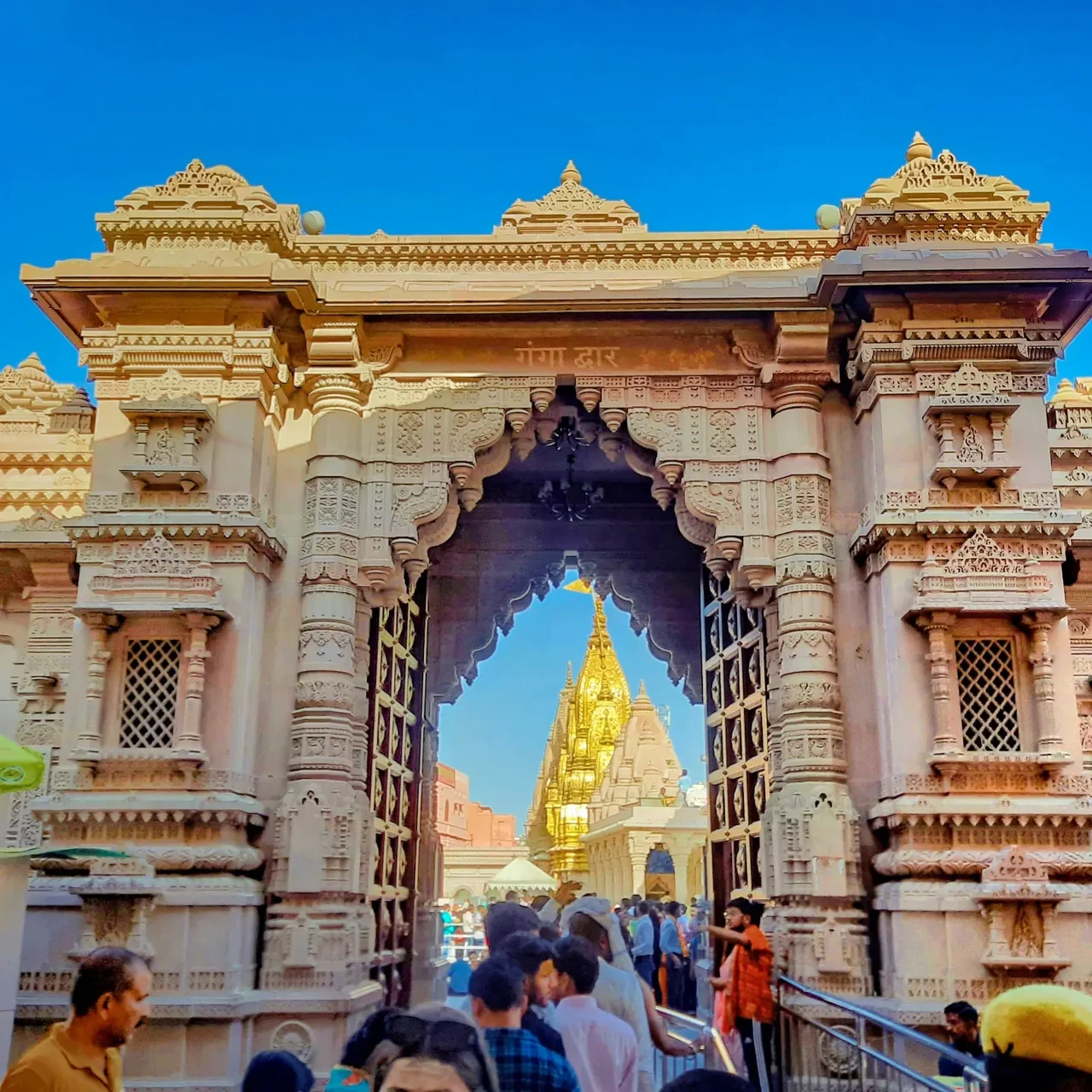
Kashi Vishwanath Temple
Temple · 350 m · about 6 min walk
 #2 in VaranasiFree entry
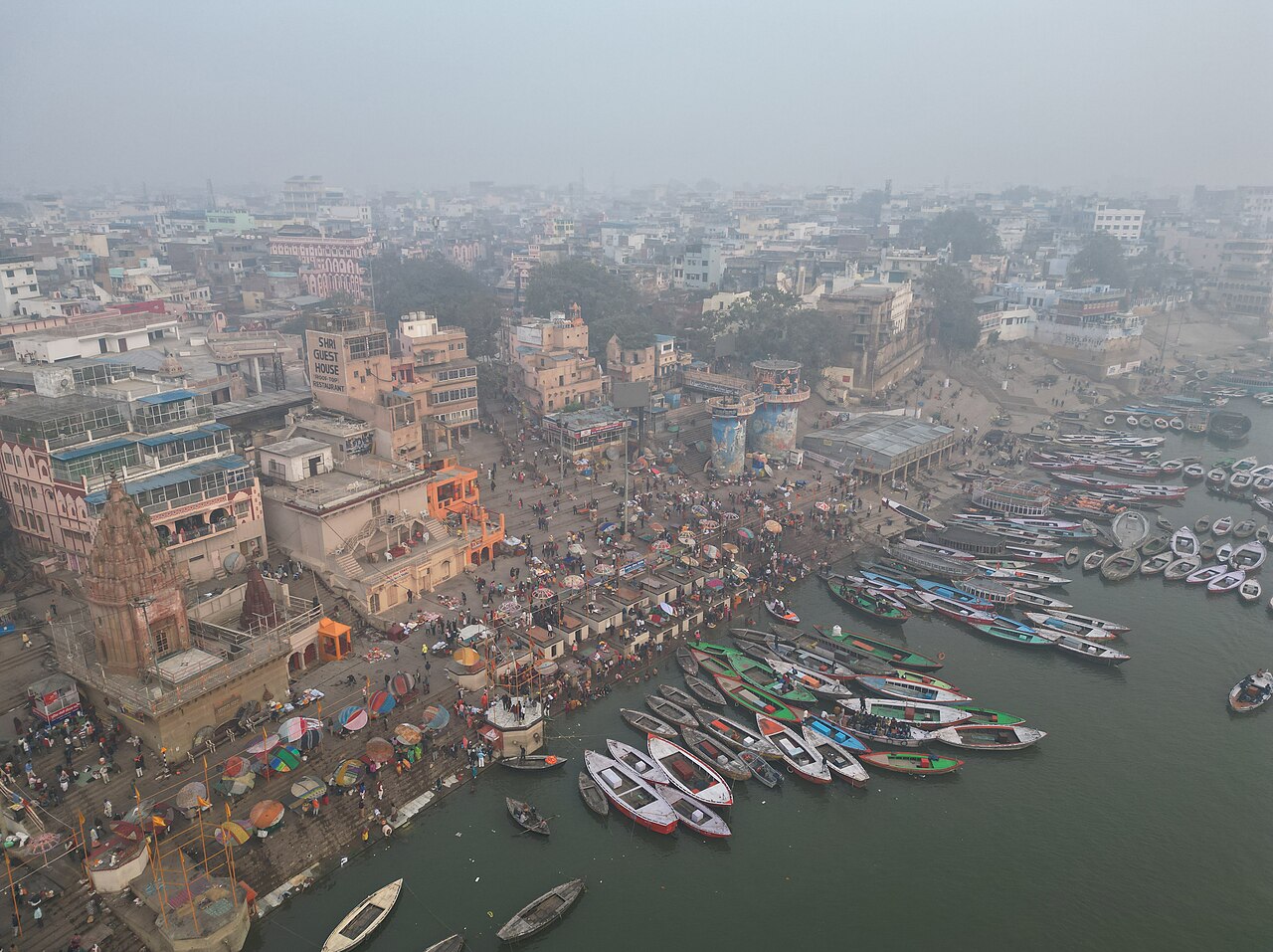
Dashashwamedh Ghat
Temple · 550 m · about 9 min walk
 #7 in VaranasiFree entry
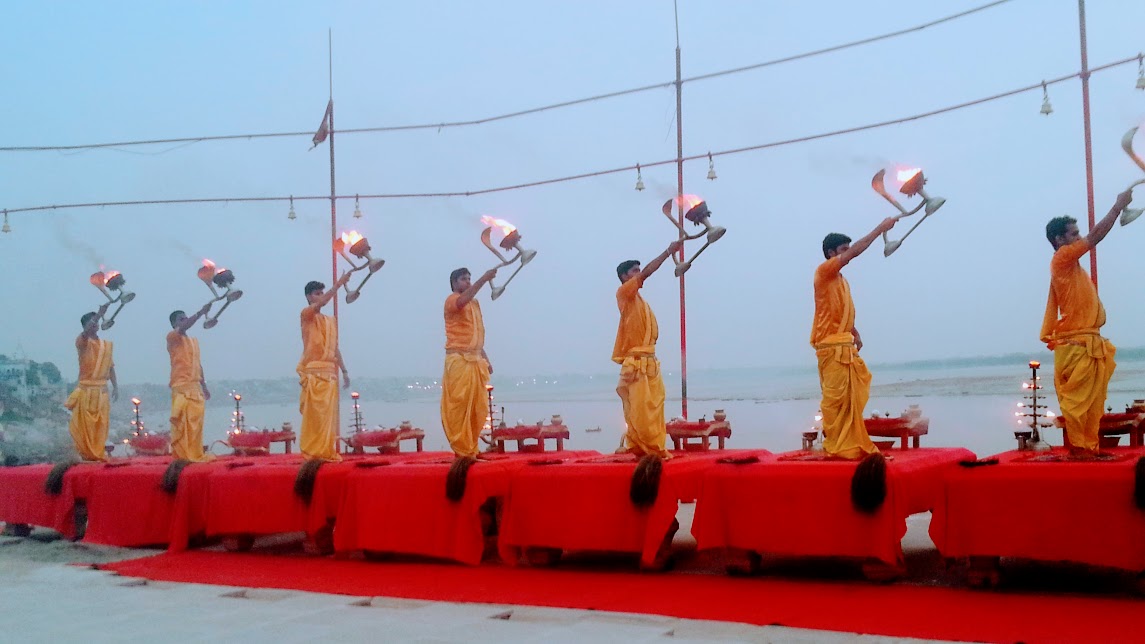
Assi Ghat
Temple · 3 km · about 10 min by road
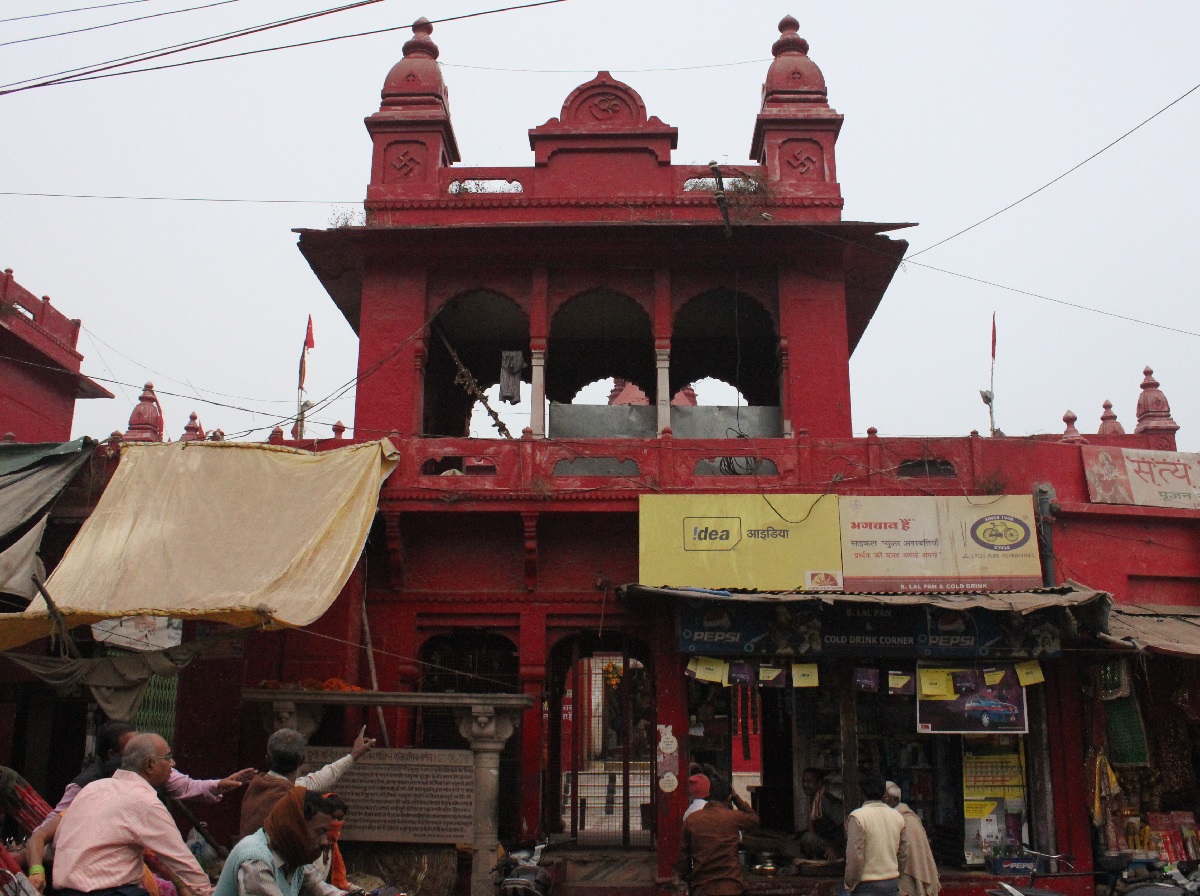 #4 in VaranasiFree entry
Durga Temple
Temple · 3 km · about 10 min by road