
Ramnagar Fort
#9of 10 places to visit in VaranasiVaranasi, Uttar Pradesh
Also known as Ramnagar Fort and Museum · Kashi Naresh Palace
Quick answer
Opening hours: 09:30–17:30. Entry: ₹20 Indian · ₹150 foreign. Allow 1.5 hrs. Best time: 09:30 – 11:00.
Updated · Compiled by Traveliac, AI-assisted · 5 min read
- Opening hours
- 09:30–17:30
- Entry fee
- ₹20 Indian
- Ticket from
- Time needed
- 1.5 hrs
- Best time of day
- 09:30 – 11:00
- Best months
- Oct – Mar
- Address
- Ramnagar Fort, Varanasi Road, Ramnagar, Varanasi, Uttar Pradesh 221008
About Ramnagar Fort
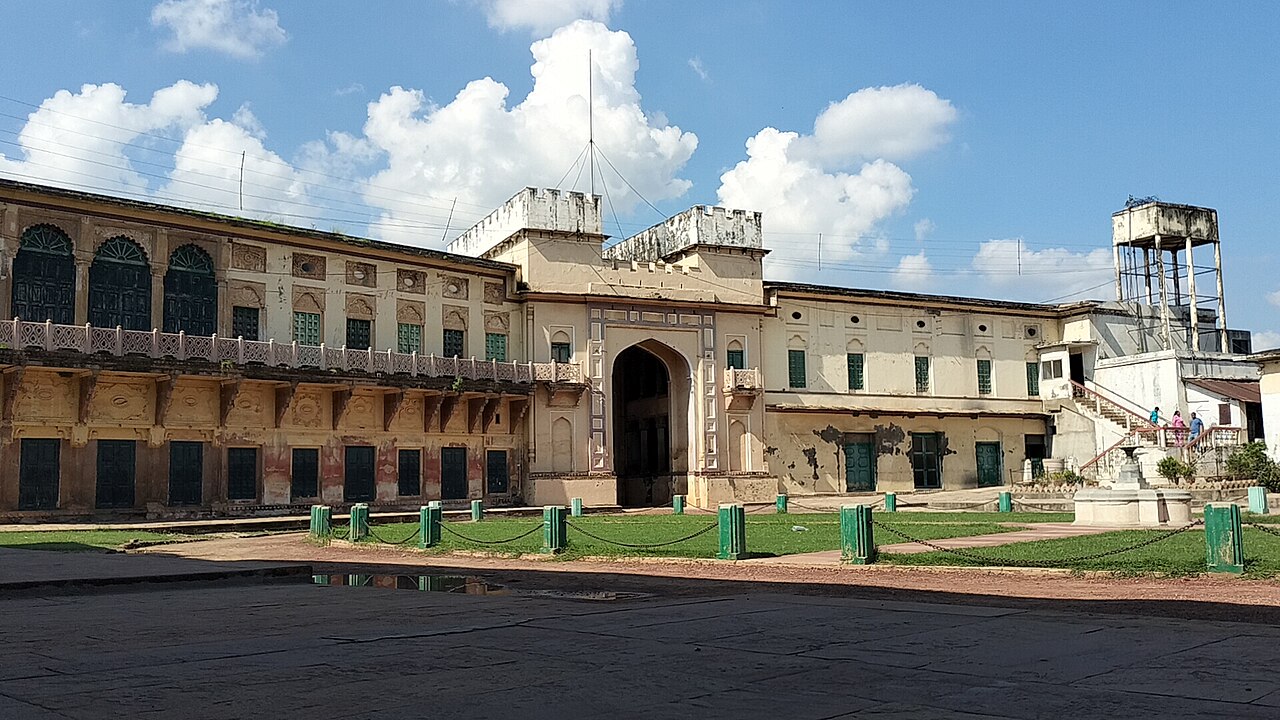
Ramnagar Fort stands on the eastern bank of the Ganga directly across from Varanasi's ghats, built from chunar sandstone by Raja Balwant Singh in the 18th century as the seat of the Kashi Naresh, the hereditary ruler of Benares. Entry to the Saraswati Bhawan museum inside costs ₹20 for Indian visitors and ₹150 for foreign visitors as of 2026, and the fort remains private property of the Kashi Naresh family rather than a government-run monument — a status that explains both its lived-in irregularity and its visible signs of weathering compared to ASI-maintained sites elsewhere in Varanasi. The museum's most talked-about exhibit is an astronomical clock built into the palace, which tracks solar and lunar time, zodiac positions, and festival dates on a single sandstone-framed dial. Alongside it sit vintage American and European cars from the royal garage, ceremonial palanquins, silver howdahs for elephant-mounted travel, antique weaponry, and portraits of successive Kashi Naresh rulers, giving the collection a distinctly domestic character rather than the curated formality of a state-run museum.
Best time of day: 09:30 – 11:00. Before the midday boat crossing gets busy and while the courtyard is in shade from the eastern ramparts.
Ramnagar Fort timings
Ramnagar Fort opens at 09:30 and closes at 17:30. The weekend is no different: Saturday and Sunday follow the same times.
- Opening hours
- 09:30–17:30
Mon–Sun 09:30–17:30 - Closed on
- Open every day
Opening hours compiled from uptourism.gov.in and public records, last updated . They change without notice — confirm before you travel. How we write these guides
Ramnagar Fort ticket price
| Ticket | Price |
|---|---|
| Indian visitors | ₹20 |
| Foreign visitors | ₹150 |
| Children | Free |
| Camera | Free |
Fee covers the Saraswati Bhawan museum galleries as of 2026; walking the fort's outer courtyard and riverside ramparts requires no ticket. Camera use inside museum galleries may draw a small additional charge at the counter — as of 2026, verify at the counter since the private Kashi Naresh estate revises rates without a fixed public schedule.
Prices compiled from uptourism.gov.in and public records, last updated . They change without notice — confirm before you travel. How we write these guides
Best time to visit Ramnagar Fort
- Quiet
- Moderate
09:30 – 11:00
Morning OpeningBest time to go
Fort opens with minimal visitors; courtyard remains shaded and the museum galleries are calm for unhurried viewing.
Quiet11:00 – 14:00
Midday Crossing Peak
Boat crossings from Assi and Tulsi Ghats peak as day-trippers combine the fort with a river excursion; museum foot traffic rises correspondingly.
Moderate14:00 – 16:00
Afternoon Heat
Visitor numbers drop in the day's hottest hours; a workable window for photographing the exterior ramparts without crowds.
Quiet16:00 – 17:30
Late Afternoon
Visitors arrive for sunset views over the Ganga from the ramparts before the fort closes; last entry is typically enforced ahead of the closing time.
Moderate
History of Ramnagar Fort
Raja Balwant Singh, who established the Kashi Naresh line's effective independence from Awadh authority in the mid-18th century, commissioned Ramnagar Fort as his residence and administrative seat, choosing the eastern bank opposite the main city so the ruling family's palace stood apart from, yet in direct view of, Varanasi's religious core. The title Kashi Naresh carries ceremonial primacy in Varanasi's religious life to this day — the reigning Naresh is treated by many local pandits as the ceremonial embodiment of Shiva, and his presence is still sought at major festival processions including the Ramlila performances the family has sponsored for centuries.
The fort passed through successive Kashi Naresh rulers who added to its structure incrementally rather than through one unified campaign, which accounts for the palace's uneven internal layout compared to more centrally planned Rajput or Mughal forts. Vyasa Kashi Temple, dedicated to the sage Ved Vyasa, sits within the fort complex and dates to around 1750, built by the ruling family alongside the main residential quarters. The Saraswati Bhawan museum opened to formalise public access to the family's collection of clocks, vehicles, costumes, and armaments, though the fort remains under private ownership and shows the wear of a building maintained on private rather than state resources.
Rules & etiquette at Ramnagar Fort
Ramnagar Fort requires either a road journey via the Malviya Bridge, which adds significant distance from central Varanasi, or a boat crossing from Tulsi Ghat or Assi Ghat, which is faster but subject to river conditions and typically stops by early evening — checking the last return boat time before crossing avoids being stranded after dark.
The museum galleries are not air-conditioned and some display cases show their age in cracked glass or faded labels, consistent with a privately maintained collection rather than a state institution. Photography of the exterior courtyards and ramparts is generally unrestricted, but camera use inside the galleries should be confirmed with staff at the ticket counter, since policy is applied inconsistently by attendant.
The fort hosts Ramlila performances during Dussehra, when the Kashi Naresh's ceremonial participation draws large crowds to Ramnagar; visiting during this period means anticipating substantially higher foot traffic and boat demand than the rest of the year.
Tips for visiting Ramnagar Fort
- 1
Ramnagar Fort rewards combining the museum visit with the boat crossing itself, since the river approach from Tulsi Ghat or Assi Ghat gives a view of the fort's sandstone ramparts rising directly from the water that the road route misses entirely. Boats from Assi Ghat take roughly 15–20 minutes and cost ₹30–₹60 per person shared, or ₹300–₹500 for a private round trip with waiting time.
- 2
The astronomical clock is easy to walk past without an explanation of what it shows; asking a museum attendant for a short walkthrough (no formal fee, a small tip is customary) clarifies how the dial encodes solar day, lunar month, and zodiac sign simultaneously, unusual mechanical complexity for an 18th-century Indian court instrument.
- 3
Ramnagar village, immediately outside the fort walls, has considerably less tourist infrastructure than central Varanasi — food and water are worth carrying, and the return crossing should be planned before sunset given the informal boat schedule on the Ramnagar side.
How to reach Ramnagar Fort
The red star is Ramnagar Fort; the numbered pins are the 9 nearest places in our guides, each showing its rank in its city. Tap a pin for details.
Ramnagar Fort, Varanasi Road, Ramnagar, Varanasi, Uttar Pradesh 221008Directions in Google Maps
From Lal Bahadur Shastri International Airport (VNS)
₹750–₹1,10030 km · 55–85 min
Prepaid taxi/OLA/Uber).
From Varanasi Junction Railway Station (BSB)
₹350–₹55014 km · 35–50 min by road
Auto-rickshaw or taxi, negotiated).
From Assi Ghat
₹30–₹602 km · 15–20 min by boat
Per person shared; ₹300–₹500 private round trip.
Nearest airport
From Lal Bahadur Shastri International Airport (VNS), Babatpur
approximately 30 km, 55–85 minutes by road.
Nearest railway station
From Varanasi Junction (BSB)
approximately 14 km, 35–50 minutes by road via the Malviya (Rajghat) Bridge, or a shorter boat crossing from Tulsi Ghat.
Ramnagar Fort FAQs
Is Ramnagar Fort government-owned or private?
Ramnagar Fort is privately owned by the Kashi Naresh, the hereditary ruler of Benares, and is not managed by the Archaeological Survey of India or any state department. Uttar Pradesh Tourism promotes it but does not run it.
What is the astronomical clock at Ramnagar Fort?
Yes, it is a genuine working exhibit — an 18th-century sandstone-framed clock inside the Saraswati Bhawan museum that tracks solar and lunar time, zodiac positions, and Hindu festival dates on a single dial, an unusual mechanical achievement for its period.
How do you get to Ramnagar Fort from Varanasi's ghats?
The fastest route is a 15–20 minute boat crossing from Assi Ghat or Tulsi Ghat, costing ₹30–₹60 per person shared. The road route via the Malviya Bridge takes 35–50 minutes and is slower but runs later into the evening than boat services.
How much does it cost to enter Ramnagar Fort?
The museum ticket costs ₹20 for Indian visitors and ₹150 for foreign visitors as of 2026. Walking the outer courtyard and ramparts without entering the museum galleries requires no ticket.
Compiled with AI assistance from official sources and public records, and published only after the checks in How we write these guides. Nobody from Traveliac has visited this place. Last updated . How we rank and check places
Places to visit near Ramnagar Fort
Straight-line distances from our map; times are estimates.
 #7 in VaranasiFree entry
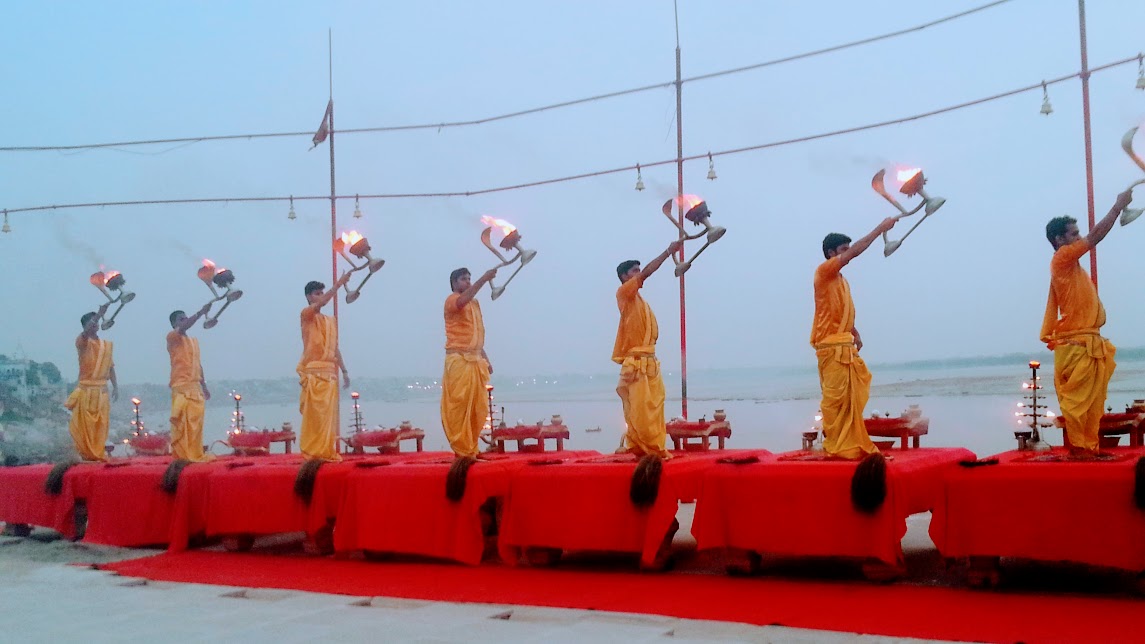
Assi Ghat
Temple · 3 km · about 10 min by road
 #5 in VaranasiFree entry
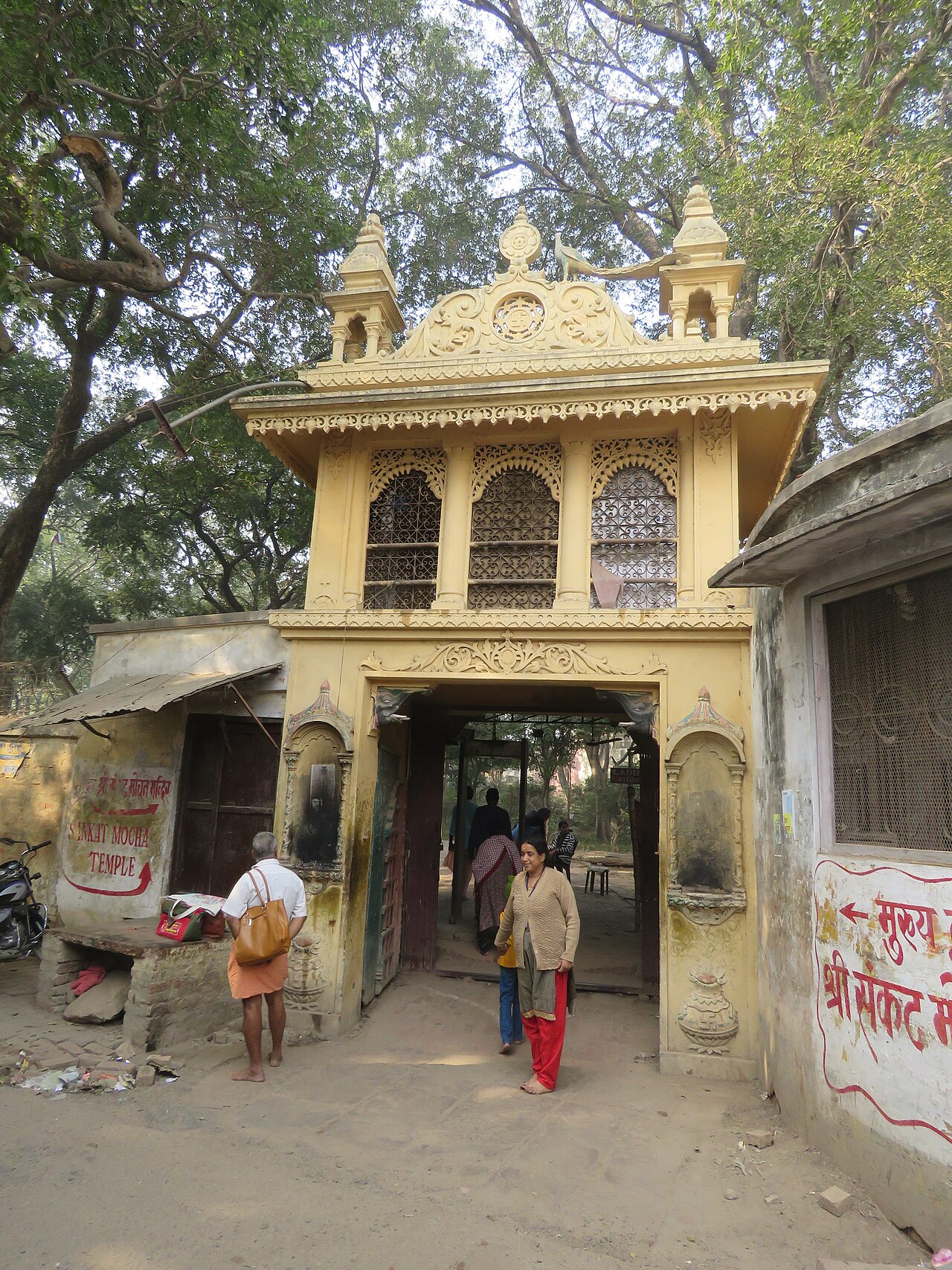
Sankat Mochan Hanuman Temple
Temple · 3 km · about 10 min by road
 #8 in Varanasi
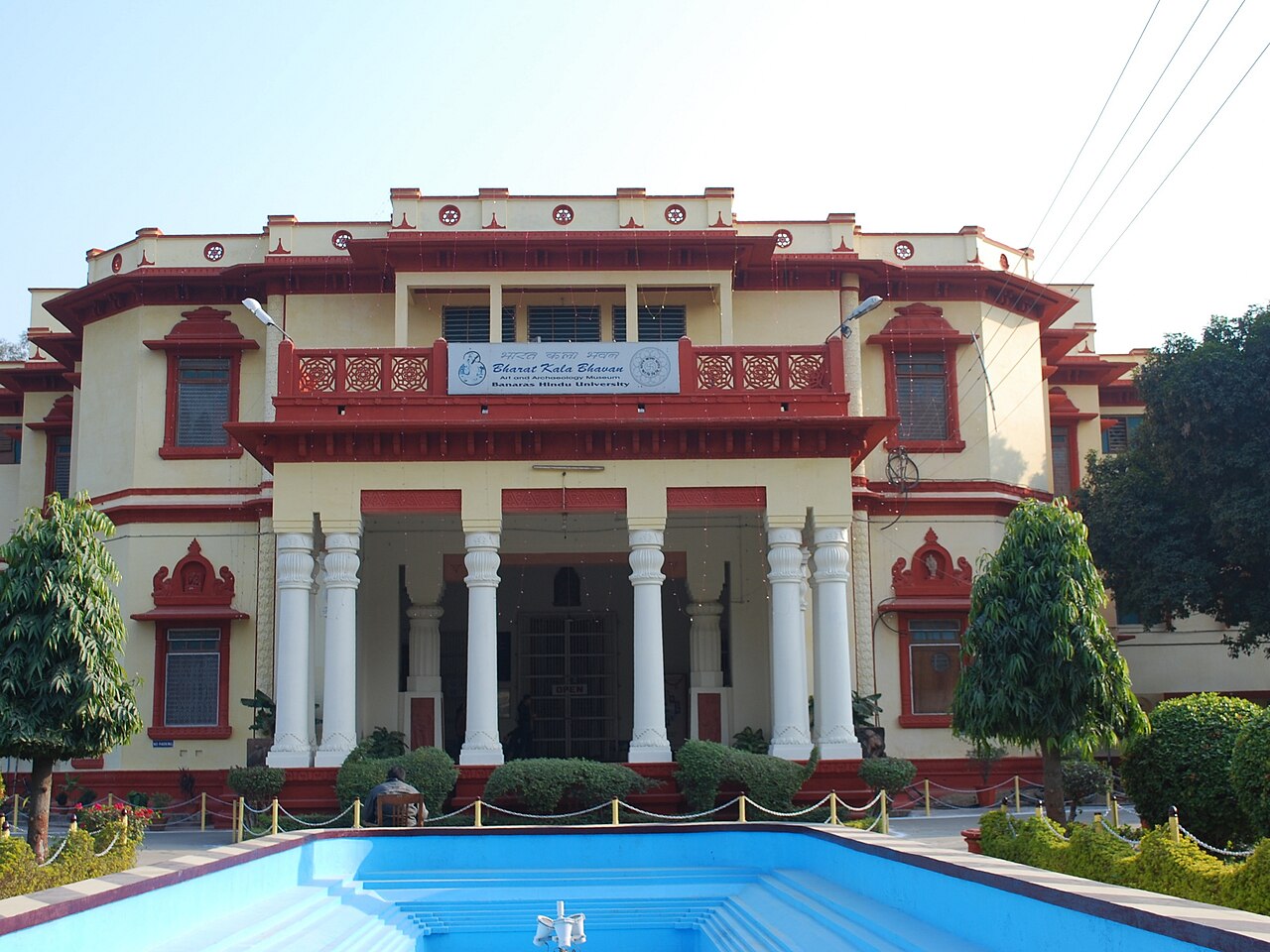
Bharat Kala Bhavan
Museum · 3 km · about 10 min by road
 #6 in VaranasiFree entry
Tulsi Manas Temple
Temple · 3 km · about 10 min by road