
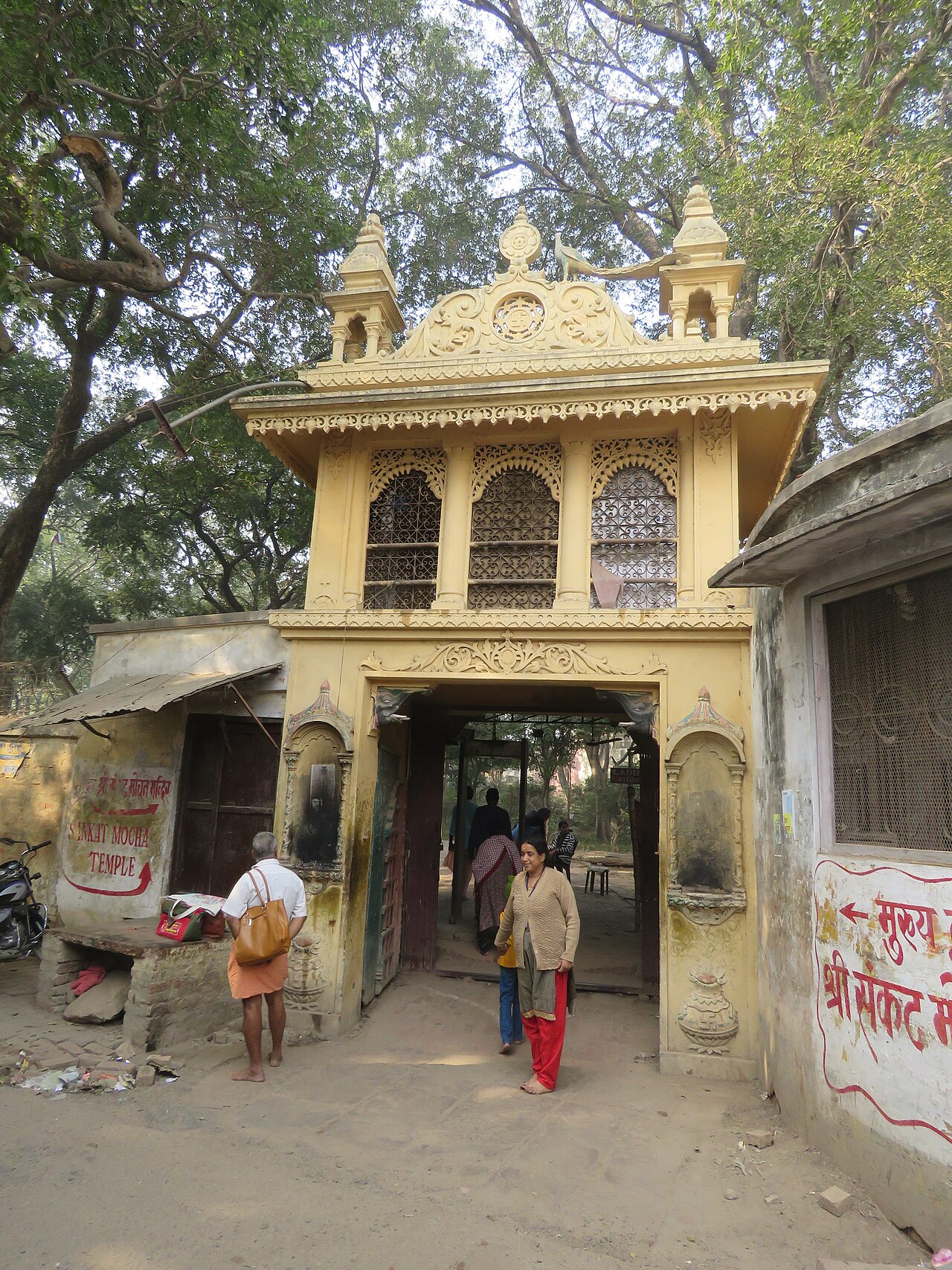
Sankat Mochan Hanuman Temple
#5of 10 places to visit in VaranasiVaranasi, Uttar Pradesh
Also known as Sankat Mochan Mandir · Sankata Mochan Temple
Quick answer
Opening hours: 05:00–12:00 and 15:00–22:00. Entry is free. Allow 45 min. Best time: 05:00 – 07:00.
Updated · Compiled by Traveliac, AI-assisted · 5 min read
- Opening hours
- 05:00–22:00
- Entry fee
- Free
- Time needed
- 45 min
- Best time of day
- 05:00 – 07:00
- Best months
- Oct – Mar
- Address
- Sankat Mochan Road, Assi, Varanasi, Uttar Pradesh 221005
About Sankat Mochan Hanuman Temple
Sankat Mochan Hanuman Temple traces its founding to the 16th-century poet-saint Goswami Tulsidas, who tradition holds experienced a vision of Hanuman at this exact spot and established a shrine here in response, a legend the temple's name reflects directly: Sankat Mochan translates as 'reliever of troubles,' one of Hanuman's principal epithets. Entry is free for all visitors as of 2026. Pandit Madan Mohan Malaviya, the scholar and nationalist leader who founded Banaras Hindu University, rebuilt the temple in its present form in the early 20th century, placing it within the same era of institutional and religious construction that shaped much of modern Varanasi. The temple, like Durga Temple across the city, hosts a substantial resident population of macaques in its courtyard and surrounding trees, a detail practical enough that most visitor guidance addresses it before any account of the shrine's religious significance. Sankat Mochan's most distinctive feature beyond its architecture is the annual Sankat Mochan Sangeet Samaroh, a multi-day classical music and dance festival held on the temple premises that draws performers of national standing rather than only devotional singers.
Best time of day: 05:00 – 07:00. For the morning aarti, or Tuesday and Saturday evenings for the temple's traditional peak devotional days, if seeking the fullest atmosphere rather than the quietest visit.
Sankat Mochan Hanuman Temple timings
Sankat Mochan Hanuman Temple is open 05:00–12:00 and 15:00–22:00. It keeps the same hours on Saturday and Sunday.
- Opening hours
- 05:00–22:00
Mon–Sun 05:00–12:00 and 15:00–22:00 - Closed on
- Open every day
Good to know: Extended hours and continuous crowds during the Sankat Mochan Sangeet Samaroh music festival, typically held in April.
Opening hours compiled from kashi.gov.in and public records, last updated . They change without notice — confirm before you travel. How we write these guides
Sankat Mochan Hanuman Temple ticket price
| Ticket | Price |
|---|---|
| Indian visitors | Free |
| Foreign visitors | Free |
| Children | Free |
| Camera | Free |
Entry is free for all visitors as of 2026. Food should be kept secured against the temple's resident monkey population, and phones and cameras, while generally permitted in the courtyard, are best kept in hand rather than an open bag — as of 2026, verify current photography rules at the entrance since these can tighten during festival crowding.
Prices compiled from kashi.gov.in and public records, last updated . They change without notice — confirm before you travel. How we write these guides
Best time to visit Sankat Mochan Hanuman Temple
- Quiet
- Moderate
- Busy
05:00 – 07:00
Morning Aarti
Regular devotees attend the first worship of the day; security checks move quickly given lower visitor volume.
Moderate07:00 – 12:00
Late Morning
Steady visitor flow continues until the midday closure; monkeys are active around the courtyard's edges.
Moderate15:00 – 18:00
Afternoon ReopeningBest time to go
Temple reopens after the midday break with lighter footfall than the morning or evening sessions.
Quiet18:00 – 22:00
Evening Peak
The largest daily crowd gathers for evening aarti, especially pronounced on Tuesdays and Saturdays, Hanuman's traditionally significant days of the week.
Busy
History of Sankat Mochan Hanuman Temple
Goswami Tulsidas, the author of the Ramcharitmanas and the Hanuman Chalisa — the widely recited devotional hymn to Hanuman still sung across North India today — is credited by tradition with founding a shrine at this location after a personal vision of the deity, an account that should be understood as devotional legend rather than a documented historical event with contemporary corroboration. The site's association with Tulsidas ties it into the same cluster of literary-religious geography as Tulsi Manas Temple, roughly two kilometres away, both drawing on the poet-saint's presence in 16th-century Varanasi.
The temple structure visitors see today dates to the early 20th century, rebuilt through the patronage of Pandit Madan Mohan Malaviya, whose broader legacy includes founding Banaras Hindu University in 1916 — placing Sankat Mochan's modern reconstruction within Malaviya's wider programme of religious and educational institution-building in the city. The temple survived a bombing in 2006 that killed several worshippers during evening aarti, an attack that prompted a significant increase in security infrastructure at the site, including the bag and metal-detector checks now routine at the entrance.
Rules & etiquette at Sankat Mochan Hanuman Temple
Sankat Mochan Hanuman Temple maintains security screening at its entrance, a legacy of the 2006 bombing, and visitors should expect a bag check and metal detector pass before entering the courtyard — arriving with minimal loose items speeds this process considerably. Shoes are removed at a designated rack, and modest dress is expected of all visitors.
The temple's monkey population requires the same practical caution observed at Durga Temple: food should not be carried visibly, and sunglasses, phones, and other small items should be held securely rather than left accessible in an open bag or pocket.
Tuesdays and Saturdays are considered especially significant for Hanuman worship in Hindu tradition, and the temple draws noticeably larger crowds on these two days; visitors preferring a quieter visit should plan around them, while those wanting the fullest devotional atmosphere should visit on exactly these days.
Tips for visiting Sankat Mochan Hanuman Temple
- 1
Sankat Mochan Hanuman Temple is best combined with Tulsi Manas Temple and Durga Temple, both roughly two kilometres away and connected by the same Tulsidas-era religious geography, forming a coherent half-day circuit through south Varanasi rather than three disconnected stops.
- 2
The Sankat Mochan Sangeet Samaroh, typically staged in April, is one of Varanasi's most significant classical music events and is free to attend, though it draws substantial crowds and requires arriving well ahead of a given performance slot to secure a reasonable vantage point in the temple courtyard; checking the exact 2026 festival dates locally or through the temple trust closer to the time is worthwhile since the schedule is set annually rather than fixed to a specific date.
- 3
The temple's proximity to Banaras Hindu University, roughly two kilometres north, makes it a convenient addition to a day that also includes Bharat Kala Bhavan or the wider BHU campus, particularly for visitors based near Assi Ghat, from which the temple is a short auto-rickshaw ride rather than a significant detour.
How to reach Sankat Mochan Hanuman Temple
The red star is Sankat Mochan Hanuman Temple; the numbered pins are the 9 nearest places in our guides, each showing its rank in its city. Tap a pin for details.
Sankat Mochan Road, Assi, Varanasi, Uttar Pradesh 221005Directions in Google Maps
From Lal Bahadur Shastri International Airport (VNS)
₹600–₹85025 km · 45–70 min
Prepaid taxi/OLA/Uber).
From Varanasi Junction Railway Station (BSB)
₹200–₹3008 km · 25–35 min
Auto-rickshaw, negotiated).
From Assi Ghat
₹60–₹1002 km · 8–12 min
Auto-rickshaw or e-rickshaw, negotiated).
Nearest airport
From Lal Bahadur Shastri International Airport (VNS), Babatpur
approximately 25 km, 45–70 minutes by road.
Nearest railway station
From Varanasi Junction (BSB)
approximately 8 km, 25–35 minutes by auto-rickshaw.
Sankat Mochan Hanuman Temple FAQs
Who founded Sankat Mochan Hanuman Temple?
Tradition credits the 16th-century poet-saint Goswami Tulsidas with founding a shrine at this spot after a vision of Hanuman, though this is a devotional legend rather than a documented historical event. The present structure was rebuilt in the early 20th century by Pandit Madan Mohan Malaviya.
Is there security screening at Sankat Mochan Temple?
Yes, bag checks and metal detectors are routine at the entrance, a measure introduced after a 2006 bombing at the temple during evening aarti. Visitors should carry minimal loose items to move through the check quickly.
What is the Sankat Mochan Sangeet Samaroh?
It is an annual multi-day classical Indian music and dance festival, typically held in April, staged on the temple premises and free to attend, drawing performers of national standing rather than only devotional musicians.
Does Sankat Mochan Temple have monkeys like Durga Temple?
Yes, the temple courtyard and surrounding trees host a substantial resident population of macaques, and visitors are advised to keep food and loose items secured, the same practical caution given at Durga Temple across the city.
Compiled with AI assistance from official sources and public records, and published only after the checks in How we write these guides. Nobody from Traveliac has visited this place. Last updated . How we rank and check places
Places to visit near Sankat Mochan Hanuman Temple
Straight-line distances from our map; times are estimates.
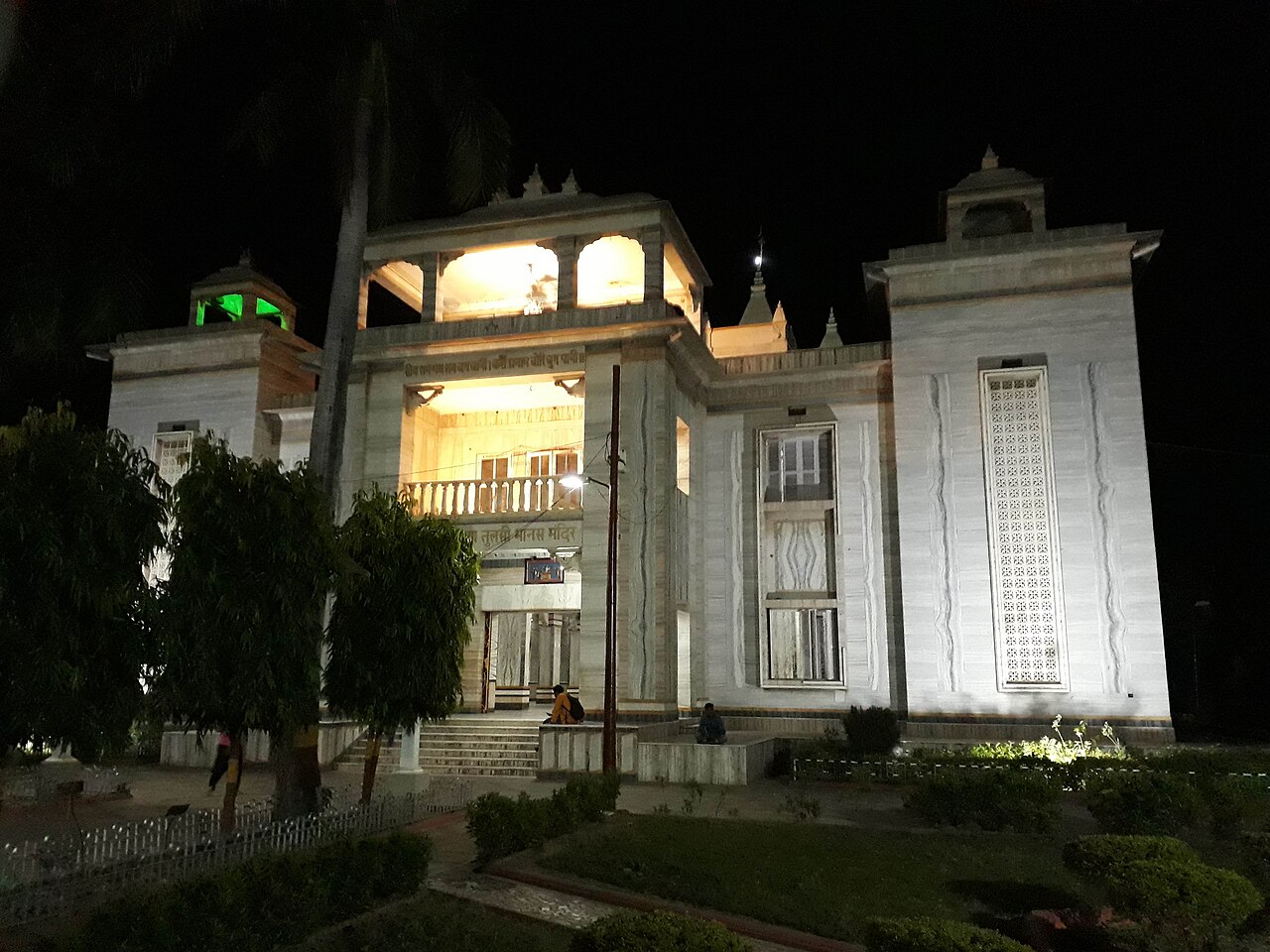 #6 in VaranasiFree entry
Tulsi Manas Temple
Temple · 550 m · about 9 min walk
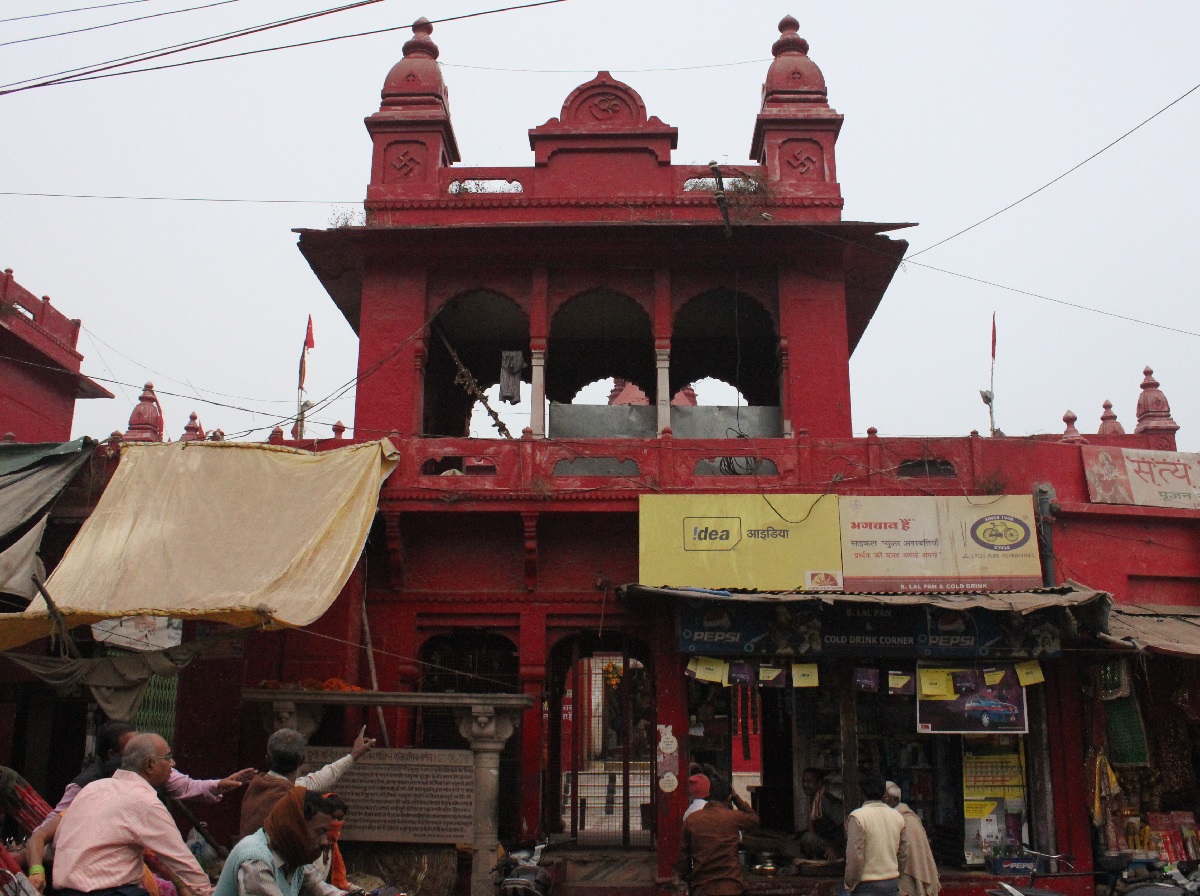 #4 in VaranasiFree entry
Durga Temple
Temple · 750 m · about 12 min walk
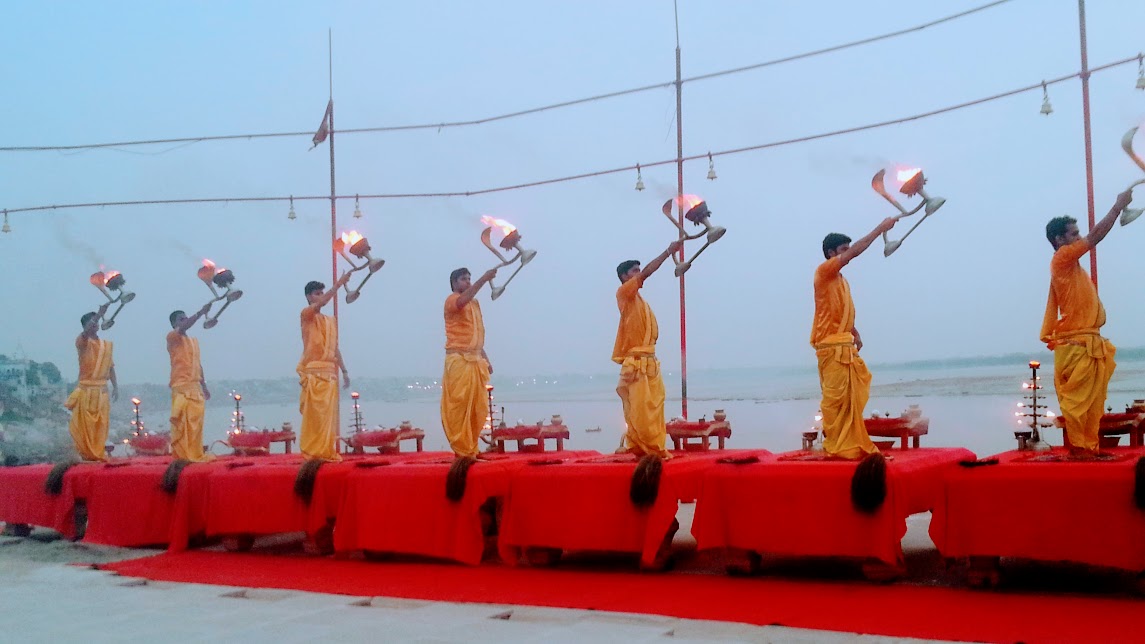 #7 in VaranasiFree entry
Assi Ghat
Temple · 1000 m · about 16 min walk
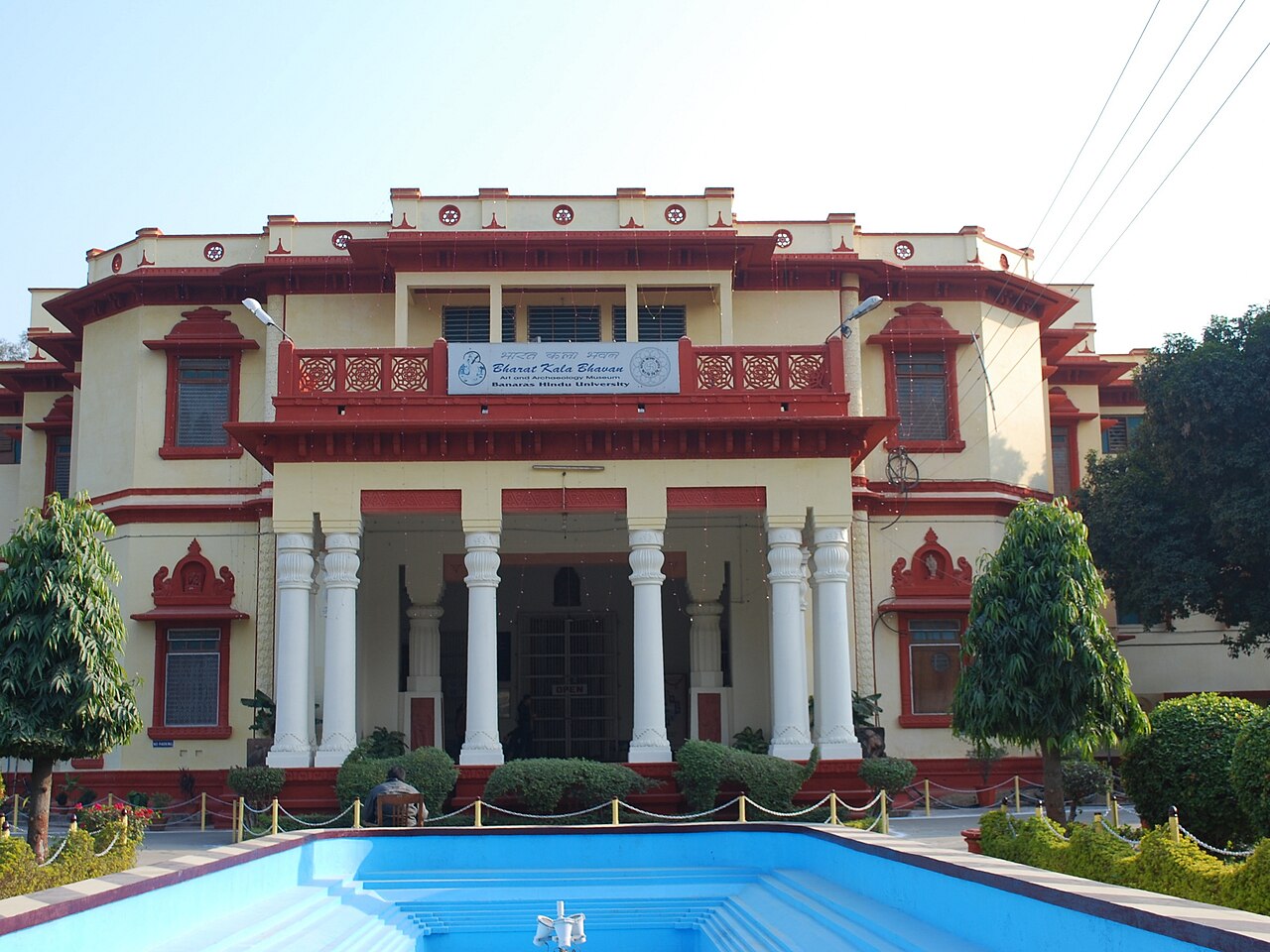 #8 in Varanasi
Bharat Kala Bhavan
Museum · 1.2 km · about 20 min walk