
Tulsi Manas Temple
#6of 10 places to visit in VaranasiVaranasi, Uttar Pradesh
Also known as Tulsi Manas Mandir · Shri Satyanarayan Tulsi Manas Mandir
Quick answer
Opening hours: 05:00–12:00 and 16:00–21:00. Entry is free. Allow 45 min. Best time: 05:30 – 07:00.
Updated · Compiled by Traveliac, AI-assisted · 5 min read
- Opening hours
- 05:00–21:00
- Entry fee
- Free
- Time needed
- 45 min
- Best time of day
- 05:30 – 07:00
- Best months
- Oct – Mar
- Address
- Durga Kund Road, near Durga Temple, Varanasi, Uttar Pradesh 221005
About Tulsi Manas Temple
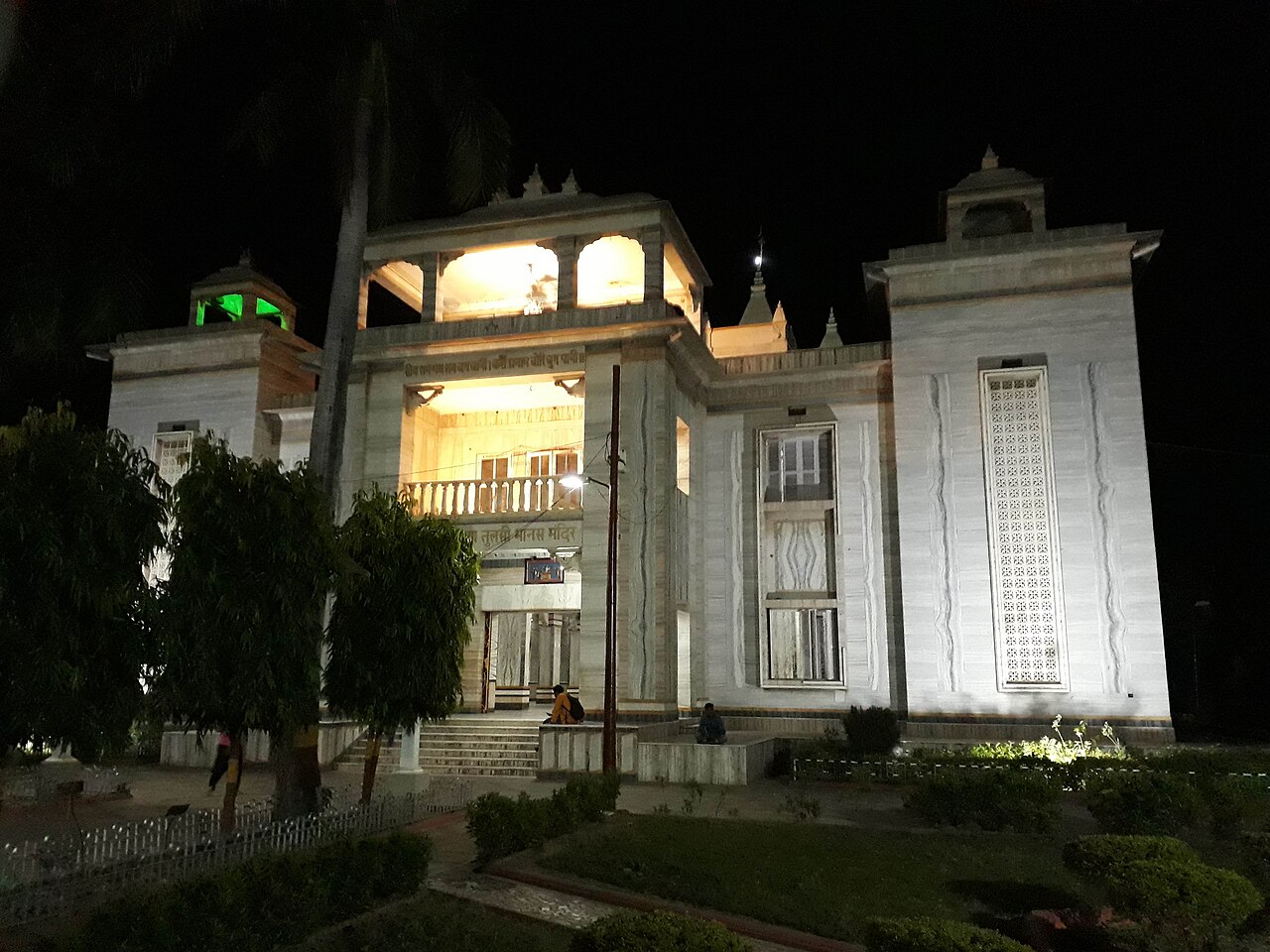
Tulsi Manas Temple was built in 1964 in white marble by Seth Ratan Lal Sureka, a Kolkata-based patron, on the site where the poet-saint Goswami Tulsidas is believed to have composed the Ramcharitmanas, the 16th-century Awadhi retelling of the Ramayana that remains the most widely recited version of the epic across northern India. Entry costs nothing as of 2026. The temple's defining feature is its walls: full verses of the Ramcharitmanas are carved directly into the marble panels lining the ground floor, arranged so that a visitor can follow illustrated episodes of Rama's life by walking the perimeter in sequence. A working mechanical exhibit on the upper floor animates selected scenes from the epic using coin-operated figures, an unusual addition for a temple of this style and one aimed squarely at explaining the narrative to visitors unfamiliar with the text rather than at ritual function. The temple stands close to Durga Kund and the Durga Temple, forming a compact cluster of sites walkable within minutes of each other in the Bhelupur area of the city.
Best time of day: 05:30 – 07:00. During the morning aarti, when the marble carvings are lit by soft early light and the courtyard is at its quietest.
Tulsi Manas Temple timings
Tulsi Manas Temple is open 05:00–12:00 and 16:00–21:00. It keeps the same hours on Saturday and Sunday.
- Opening hours
- 05:00–21:00
Mon–Sun 05:00–12:00 and 16:00–21:00 - Closed on
- Open every day
Opening hours compiled from kashi.gov.in and public records, last updated . They change without notice — confirm before you travel. How we write these guides
Tulsi Manas Temple ticket price
| Ticket | Price |
|---|---|
| Indian visitors | Free |
| Foreign visitors | Free |
| Children | Free |
| Camera | Free |
Entry is free for all visitors as of 2026. Photography of the marble relief carvings is generally permitted in the courtyard, though flash use near the inscribed panels is discouraged by temple staff — as of 2026, verify at the entrance since rules on interior photography vary by season and festival crowding.
Prices compiled from kashi.gov.in and public records, last updated . They change without notice — confirm before you travel. How we write these guides
Best time to visit Tulsi Manas Temple
- Quiet
- Moderate
- Busy
05:00 – 07:00
Morning AartiBest time to go
Local worshippers attend the early ritual; the courtyard and carved panels are quiet enough for unhurried reading and photography.
Quiet07:00 – 12:00
Late Morning
Visitors combining this stop with Durga Temple and Durga Kund arrive steadily; the mechanical exhibit sees intermittent use.
Moderate16:00 – 18:00
Afternoon Reopening
Temple reopens after the midday closure; local residents visit on their way home from work.
Moderate18:00 – 21:00
Evening Peak
Evening worship draws the day's largest crowd, particularly on Tuesdays and during Rama Navami and other Rama-associated festivals.
Busy
History of Tulsi Manas Temple
Goswami Tulsidas, born in the 16th century and revered as one of the most influential poet-saints in Hindu literary history, is traditionally held to have written the Ramcharitmanas at or near this location in Varanasi, rendering Valmiki's Sanskrit Ramayana into Awadhi, the vernacular of the Awadh region, and making the epic accessible to audiences who had no access to Sanskrit learning — a shift with lasting consequences for how Rama's story is known across North India today. This attribution of the exact composition site rests on tradition rather than documentary proof and is presented here as legend, not verified history.
The present temple building is a 20th-century construction, completed in 1964 through the patronage of Seth Ratan Lal Sureka of Bandhaghat, Howrah, reflecting a pattern common in Varanasi where wealthy patrons from Bengal and elsewhere funded temple construction at sites already carrying deep religious association. Locating the temple beside Durga Kund was a deliberate choice, situating the new marble structure within an existing devotional geography rather than in isolation, and the temple has since become a fixture of the modern pilgrimage circuit alongside its older neighbours.
Rules & etiquette at Tulsi Manas Temple
Tulsi Manas Temple enforces standard North Indian temple etiquette: shoes are removed at a rack near the entrance, and modest dress covering shoulders and knees is expected of all visitors regardless of faith. Unlike Kashi Vishwanath Temple, security screening here is minimal, and phones and cameras are generally permitted inside the courtyard.
The carved marble verses lining the walls are best read in sequence starting from the entrance rather than at random, since the panels are arranged to follow the Ramcharitmanas narrative episode by episode; temple staff or a hired local guide (informal, negotiate a small fee) can point out where the sequence begins for visitors without prior familiarity with the text.
The upper-floor mechanical exhibit operates on inserted coins and can develop queues during festival periods, particularly Rama Navami; arriving outside peak hours avoids a wait for what is a brief, several-minute animated sequence rather than an extended attraction.
Tips for visiting Tulsi Manas Temple
- 1
Tulsi Manas Temple pairs naturally with the adjacent Durga Temple and Durga Kund, both a short walk away, making a single morning circuit through this cluster more efficient than treating each as a separate outing from central Varanasi. Sankat Mochan Hanuman Temple, also founded on a site associated with Tulsidas, sits roughly two kilometres further and can be added to the same half-day loop for visitors interested in the Tulsidas literary connection specifically.
- 2
The morning session (05:00–12:00) is generally calmer than the evening session, when local worshippers arrive in greater numbers after work; visitors chiefly interested in reading the marble inscriptions at leisure should favour the morning window.
- 3
The temple charges no fee and accepts no formal donation demand, which distinguishes it from some other Varanasi sites where informal 'guide' fees are pressed on visitors; any donation here is genuinely voluntary, dropped in a collection box rather than requested directly by staff.
How to reach Tulsi Manas Temple
The red star is Tulsi Manas Temple; the numbered pins are the 9 nearest places in our guides, each showing its rank in its city. Tap a pin for details.
Durga Kund Road, near Durga Temple, Varanasi, Uttar Pradesh 221005Directions in Google Maps
From Lal Bahadur Shastri International Airport (VNS)
₹600–₹85024 km · 45–70 min
Prepaid taxi/OLA/Uber).
From Varanasi Junction Railway Station (BSB)
₹150–₹2506 km · 20–30 min
Auto-rickshaw, negotiated).
From Assi Ghat
₹60–₹1002 km · 8–12 min
Auto-rickshaw or e-rickshaw, negotiated); walkable in 25–30 minutes.
Nearest airport
From Lal Bahadur Shastri International Airport (VNS), Babatpur
approximately 24 km, 45–70 minutes by road.
Nearest railway station
From Varanasi Junction (BSB)
approximately 6 km, 20–30 minutes by auto-rickshaw.
Tulsi Manas Temple FAQs
Is there an entry fee for Tulsi Manas Temple?
No, entry is free for all visitors as of 2026, and no formal donation is requested by temple staff. A voluntary collection box is available for those who wish to give.
What is written on the walls of Tulsi Manas Temple?
The marble walls carry carved verses from the Ramcharitmanas, Goswami Tulsidas's 16th-century Awadhi retelling of the Ramayana, arranged in sequence to illustrate episodes from Rama's life as a visitor walks the courtyard perimeter.
Did Tulsidas actually write the Ramcharitmanas at this exact spot?
This is tradition and legend rather than documented historical fact; the temple, built in 1964, marks a site long associated with Tulsidas by local belief, but no contemporary 16th-century record fixes the composition to this precise location.
What is the mechanical exhibit inside Tulsi Manas Temple?
Yes, an upper-floor coin-operated display animates selected scenes from the Ramcharitmanas using mechanical figures, intended to help visitors unfamiliar with the epic follow its narrative. It runs for several minutes per coin insertion.
Compiled with AI assistance from official sources and public records, and published only after the checks in How we write these guides. Nobody from Traveliac has visited this place. Last updated . How we rank and check places
Places to visit near Tulsi Manas Temple
Straight-line distances from our map; times are estimates.
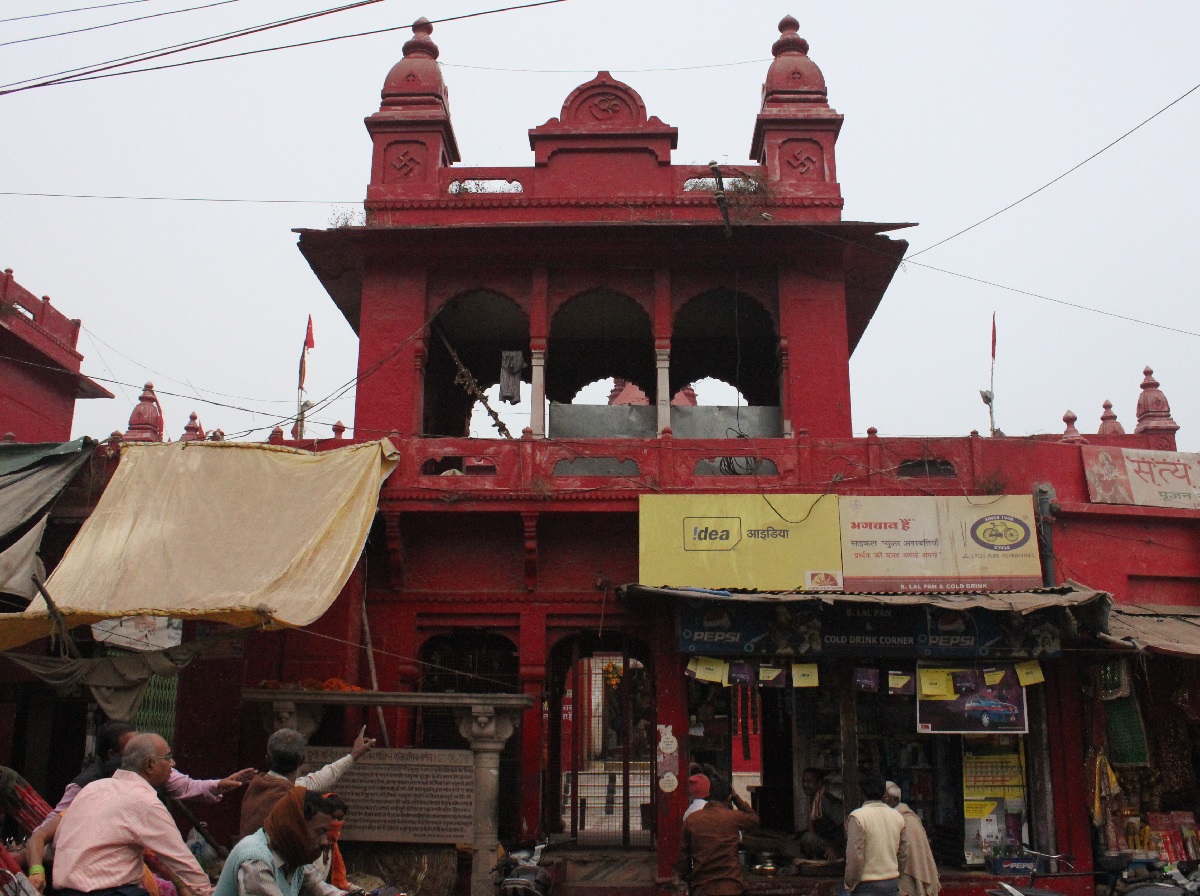 #4 in VaranasiFree entry
Durga Temple
Temple · 200 m · about 3 min walk
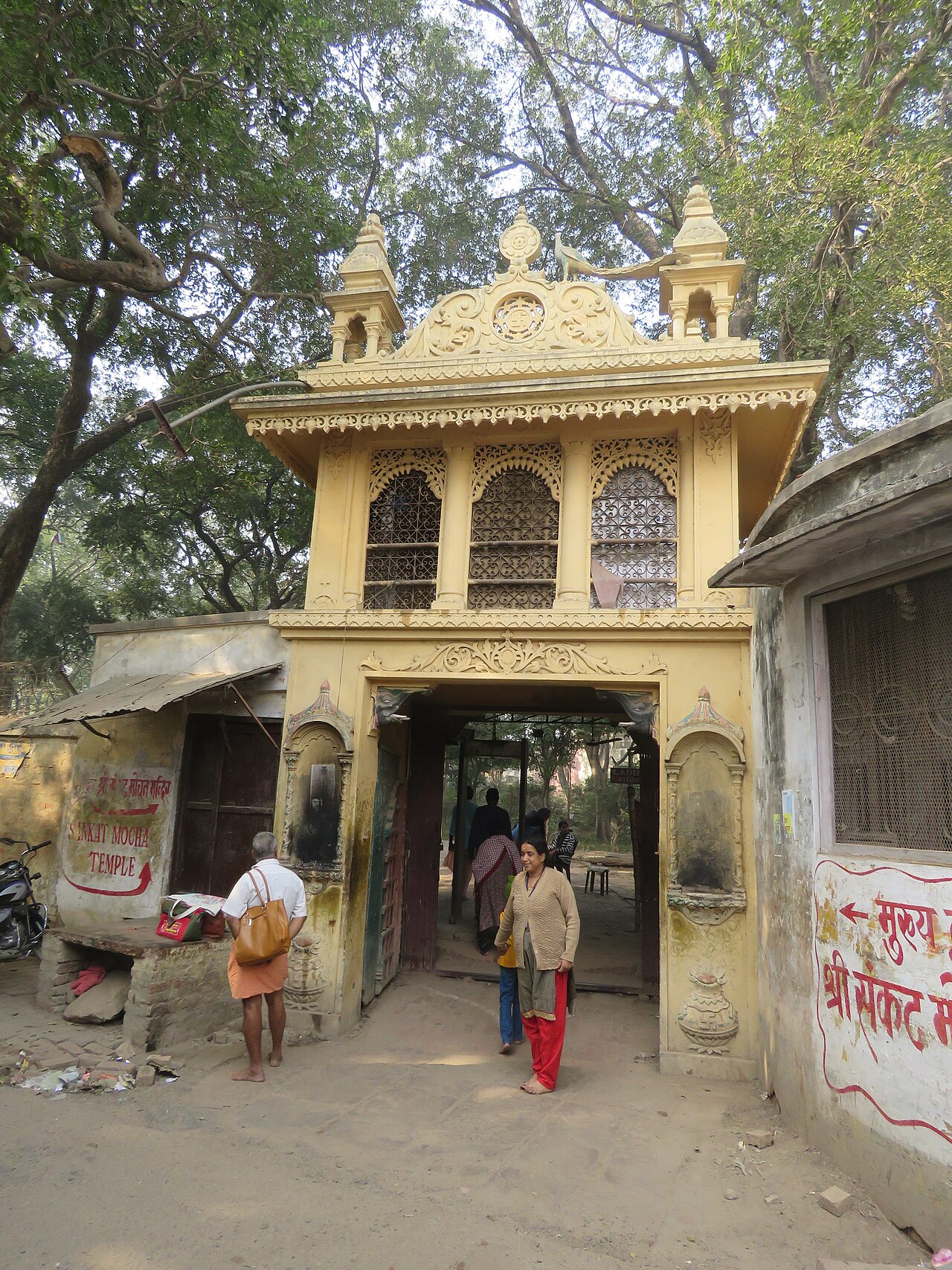 #5 in VaranasiFree entry
Sankat Mochan Hanuman Temple
Temple · 550 m · about 9 min walk
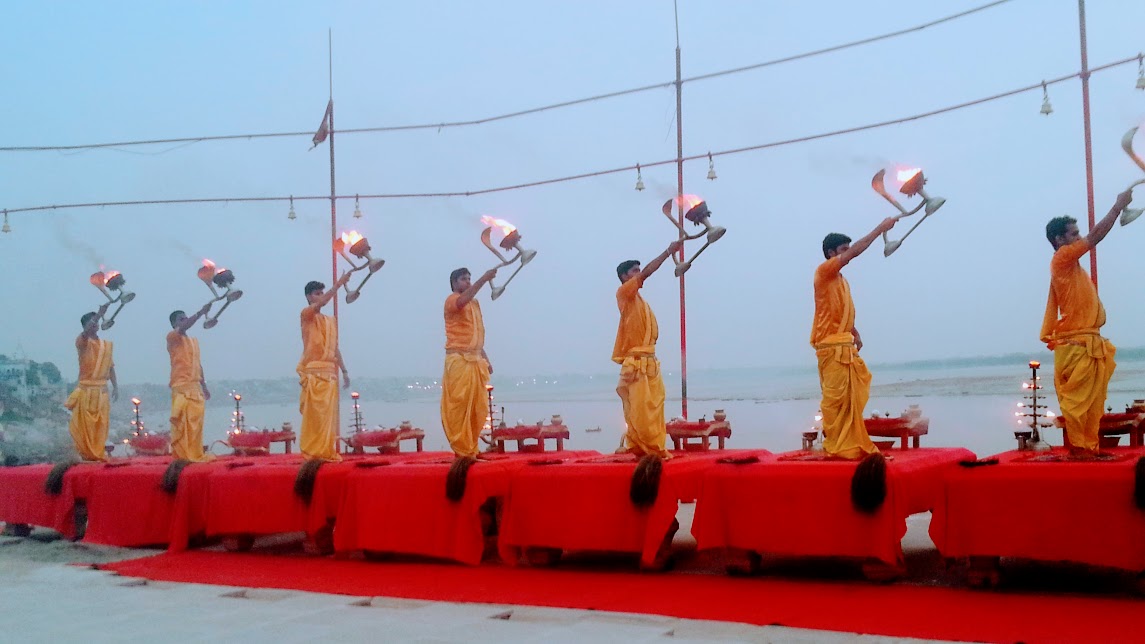 #7 in VaranasiFree entry
Assi Ghat
Temple · 650 m · about 11 min walk
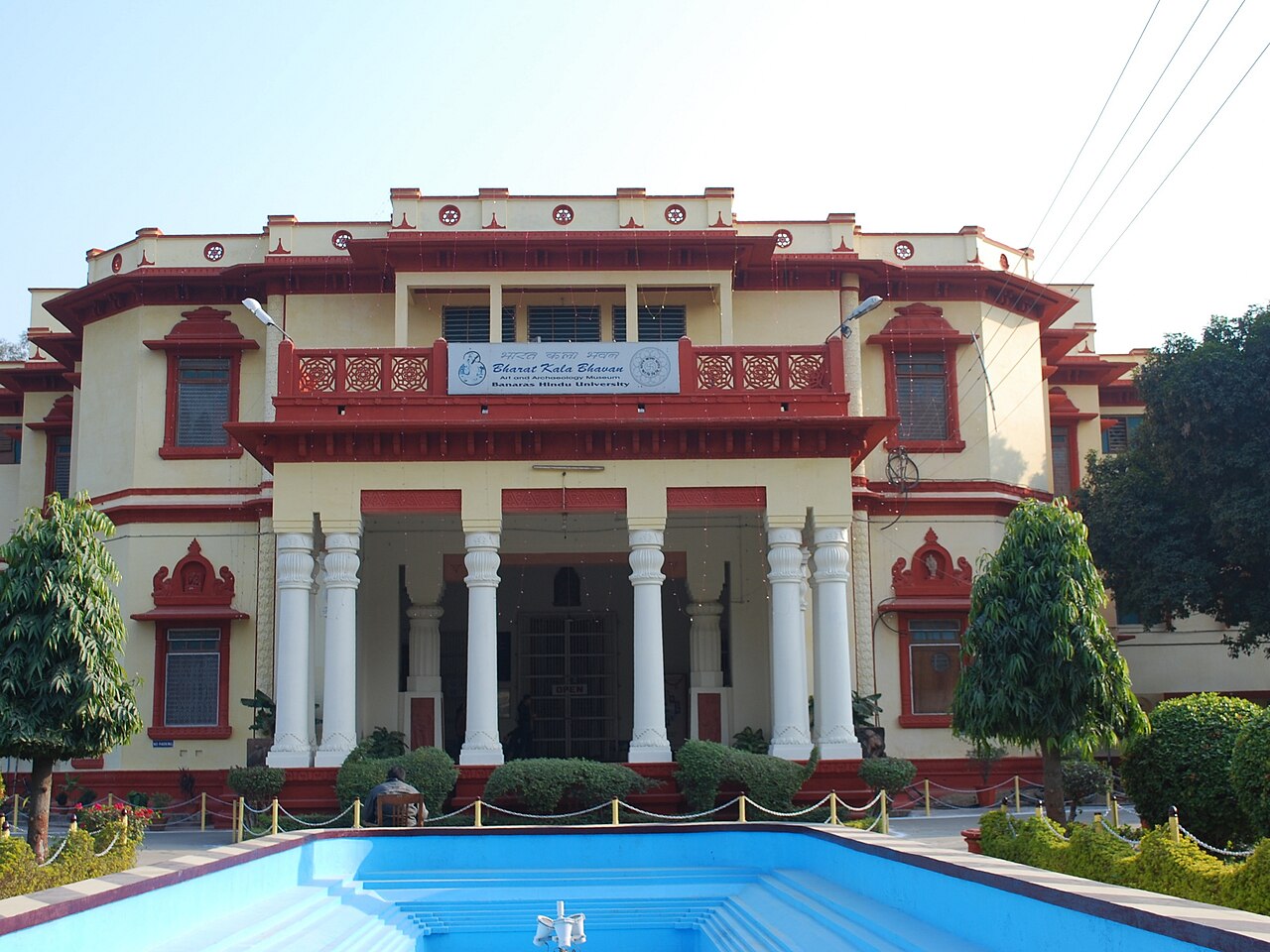 #8 in Varanasi
Bharat Kala Bhavan
Museum · 1.8 km · about 29 min walk